
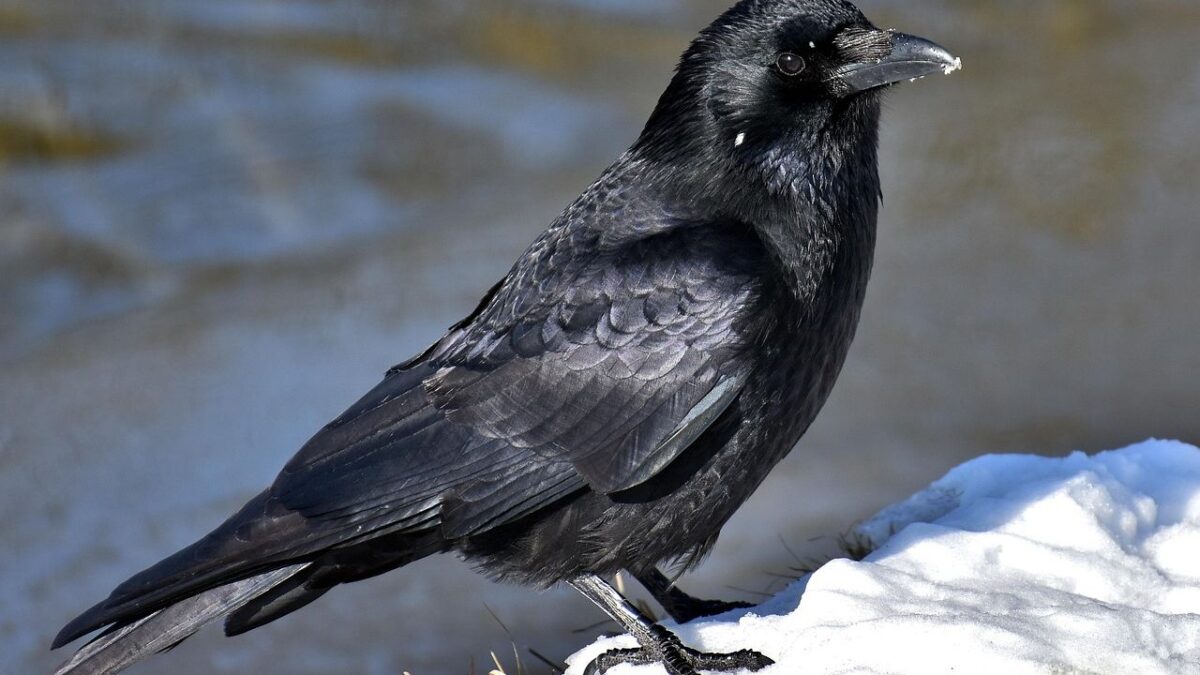
Picture this: you’re hiking through a quiet forest and suddenly a chorus of deep, throaty croaks fills the air above you. You look up to find a dozen jet-black ravens circling and landing near the carcass of a deer. It’s unsettling, almost cinematic. Most people feel a chill and walk faster. Yet those birds aren’t doing anything sinister. They’re doing something genuinely fascinating, and scientists have been obsessively trying to understand it for decades.
Ravens have gathered around the dead for as long as humans have been watching them. Mythologies were built around it. Folklore trembled at the sight. The real story, though, is far more complex and honestly more intriguing than any legend. Let’s dive in.
More Than Just a Meal: The Surprising Reality of Raven Scavenging
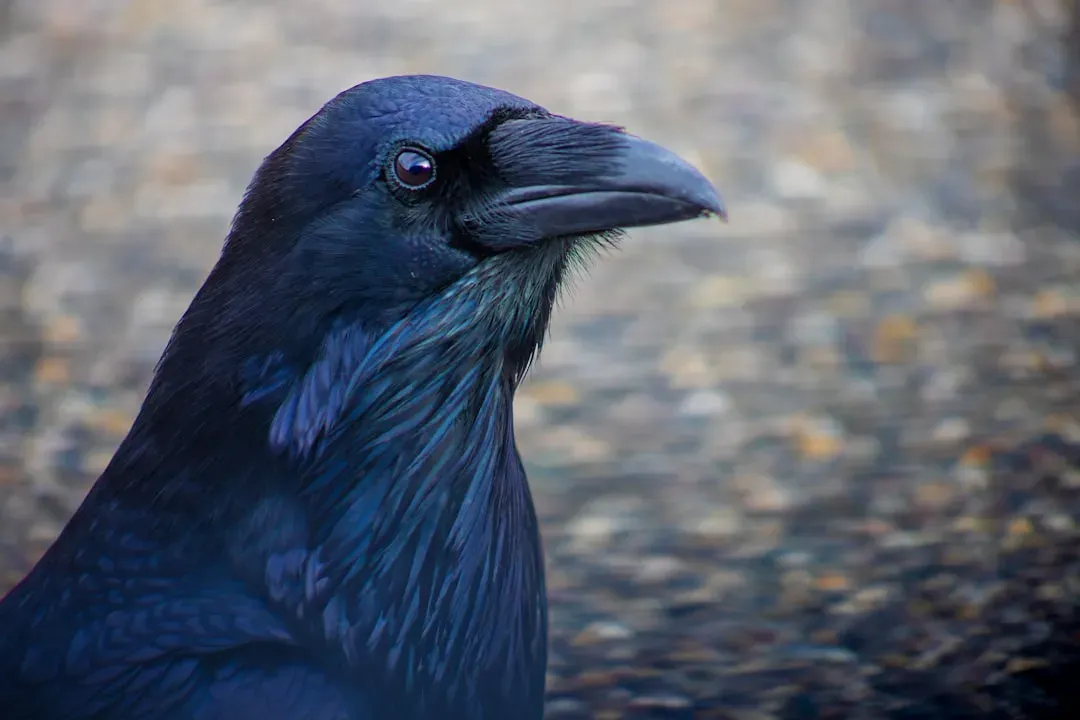
Most people assume ravens show up at a carcass purely out of hunger. That’s part of it, sure. Ravens are extremely versatile and opportunistic in finding sources of nutrition, feeding on carrion, insects, cereal grains, berries, fruit, small animals, and food waste. Carrion, meaning dead or decaying flesh, is genuinely a cornerstone of their diet. Think of them as nature’s cleanup crew, efficient and absolutely unapologetic about it.
In some places they are mainly scavengers, feeding on carrion as well as the associated maggots and carrion beetles. With large-bodied carrion, which they are not equipped to tear through as well as birds such as vultures, they must wait for the prey to be torn open by another predator or flayed by other means.
This is a crucial detail most people miss. Ravens can’t always get into the feast on their own. So they wait, call out, and gather. The group is not just ceremonial. It’s strategic.
These vocal birds make lots of noise when they find a dead animal, drawing attention to the carcass so that larger, more “tooled” scavengers can open up the hide and eventually provide food for the ravens. Honestly, it’s brilliant. They use other animals as can openers.
The Social Signal: How Ravens Use Death to Communicate Danger
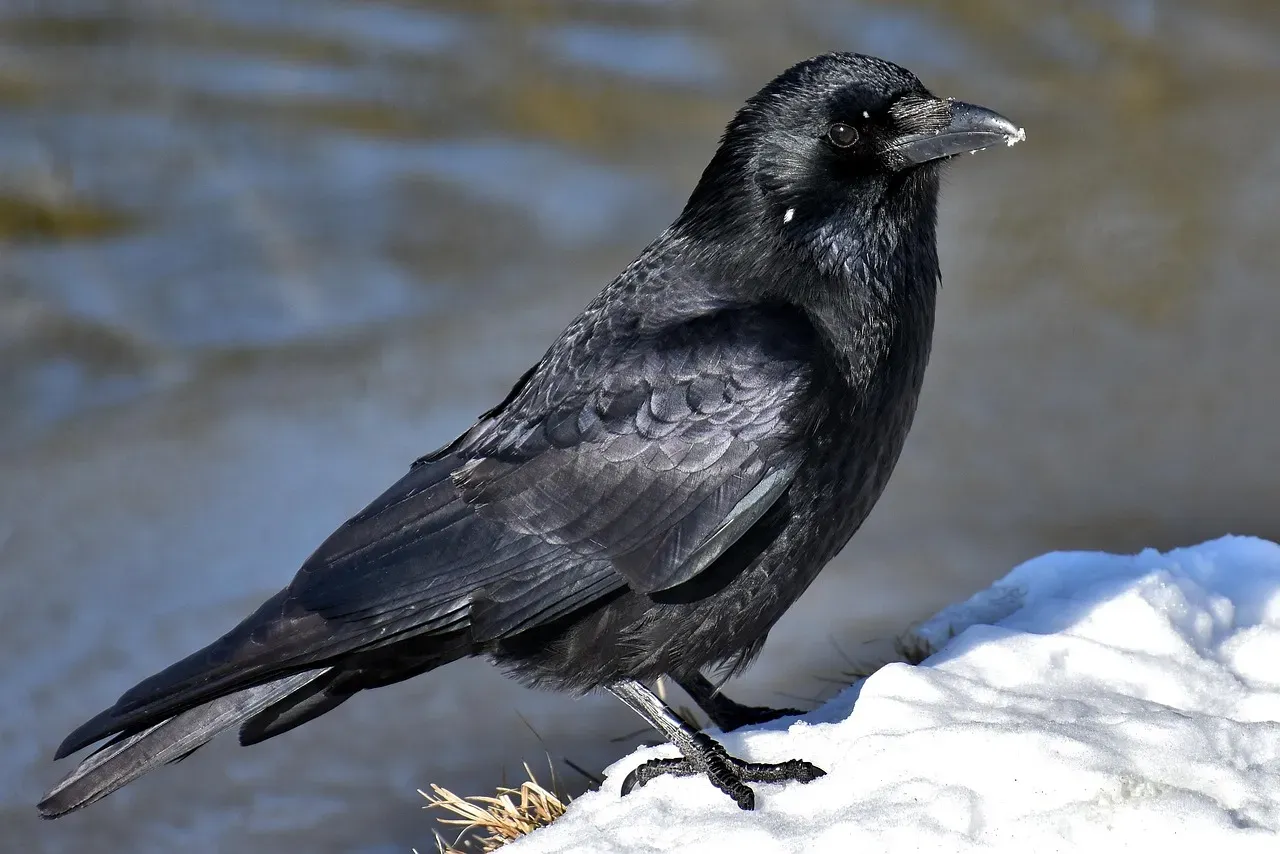
Here’s the thing that stops biologists in their tracks. When ravens gather around a dead animal, especially one of their own kind, the behavior goes well beyond hunger. Researchers today suspect that gathering after the death of a fellow bird has less to do with mourning in the human sense and more with information processing. A dead bird can indicate a potential danger to the entire group if it died from a predator, a traffic accident, poison, or another threat. In short, the death of a fellow bird can signal that something has happened here that the group needs to understand to survive.
It’s almost like a crime scene investigation. The birds aren’t grieving. They’re gathering evidence.
Calling to each other, gathering around, and paying special attention to a fallen comrade is common among the highly intelligent corvids, a group of birds that includes crows, jays, magpies, and ravens. Rather, they’re likely trying to find out if there’s a threat where the death occurred, so they can avoid it in the future.
Corvids possess a diverse vocal language that helps them share information: warning calls, contact calls, aggressive calls, or signals of uncertainty. When several crows call at a dead animal, they can not only alert the group but also signal that an investigation of the site is necessary. This is coordinated, community-level risk management. In a bird.
The Wolf-Bird Partnership: Ravens, Predators, and the Art of Collaboration
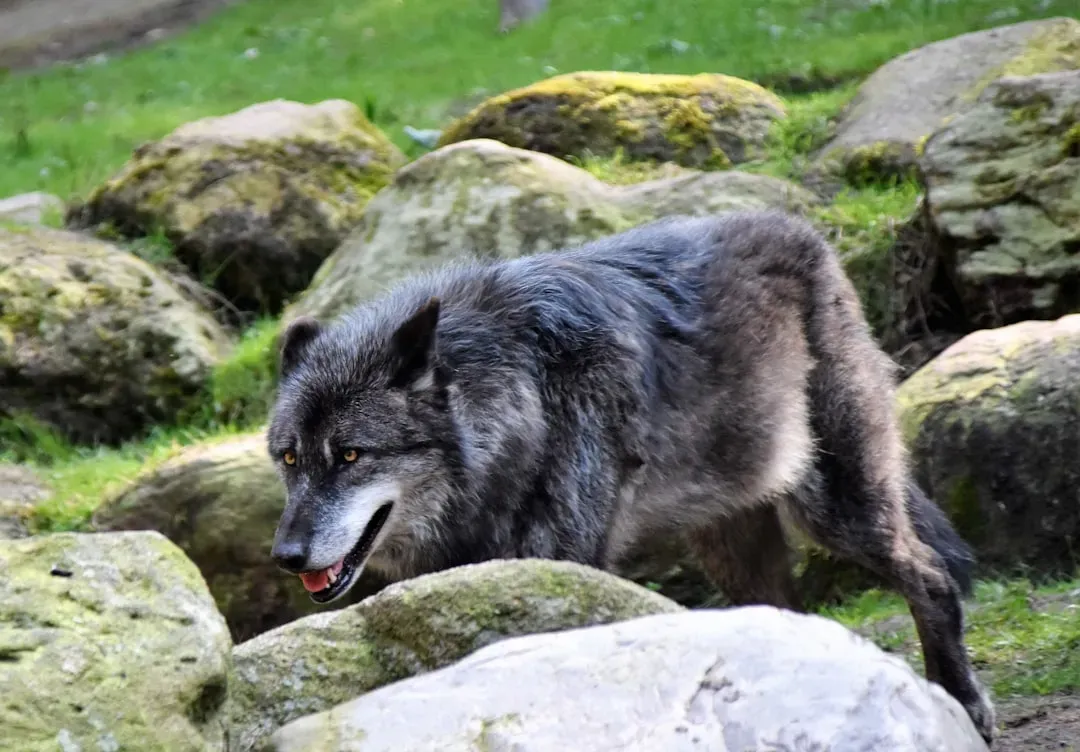
I know it sounds crazy, but ravens have essentially formed working relationships with wolves. Not by accident. Not as a coincidence. By design, shaped over thousands of years of co-evolution.
Ravens, a scavenger bird, often look to large predators like wolves as potential food providers, as a big part of a raven’s diet is carrion: decaying flesh, or already dead animals. What better place to find carrion than animals that died from being hunted by animals like wolves?
Yellowstone National Park biologists who have been closely observing the reintroduced pack of wolves in their park have noticed that not only do ravens benefit greatly from wolves, but it even works the other way around. Ravens will often circle the sky above injured, young, or sick animals like elk and deer, and wolves have been observed taking this behavior as a cue for a hunt. It’s believed that sometimes wolves will even follow ravens’ calls, as they make loud excited noises when they find a carcass. Ravens have even been observed leading wolves to carcasses that they cannot tear into on their own.
The ravens get the meal opened. The wolves get a tip on prey. When a wolf pack makes a kill, ravens are often first on the scene. The average number of ravens present after a wolf hunt is usually upwards of 30 at a time. Thirty birds. At a single kill. That is an organized social event, not a random coincidence.
Wolves can lose up to 45 lbs of meat per day to ravens, and some think they evolved pack behavior to help defend their kills from scavenging ravens rather than from other predators. Let that sink in. The wolves may have become pack animals partly because of ravens. The relationship runs that deep.
Do Ravens Actually Mourn? What Scientists Really Found
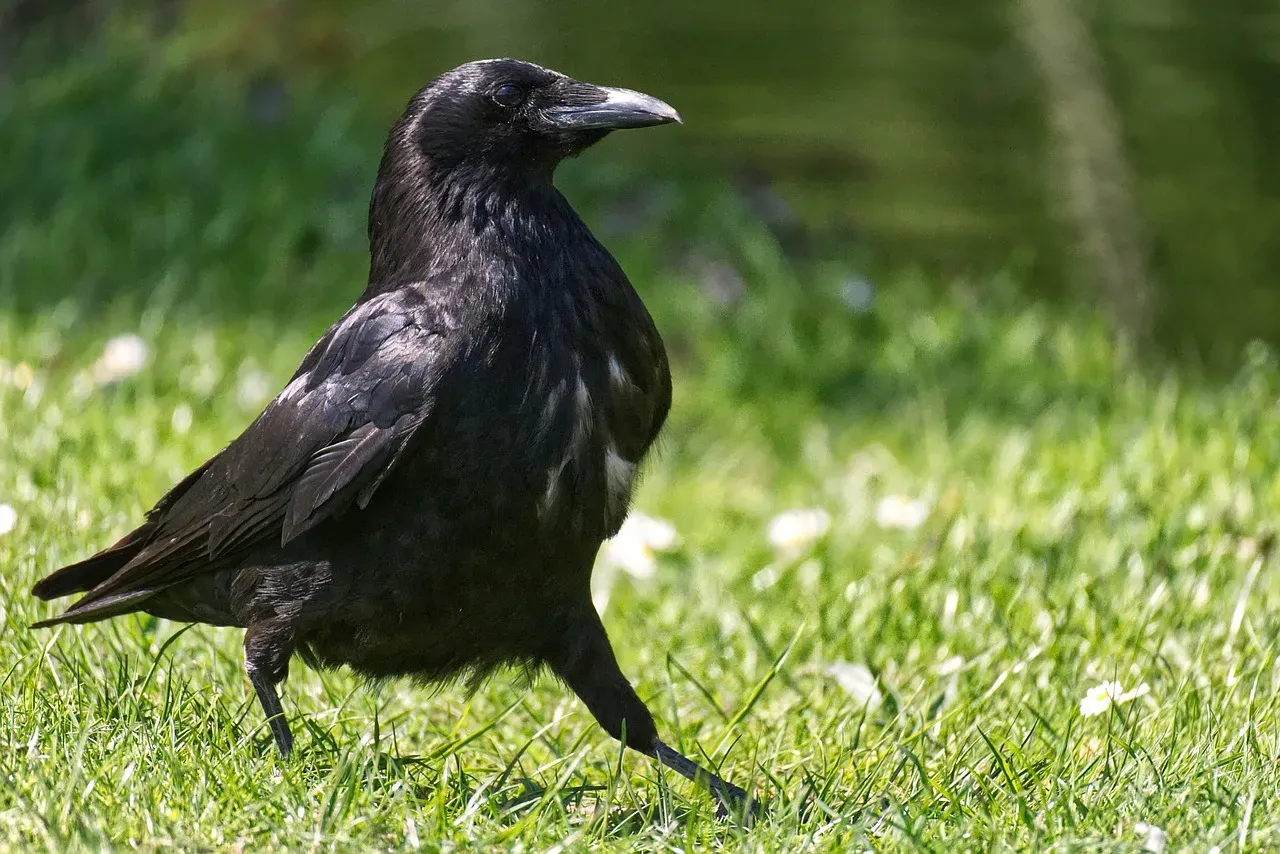
This is where the science gets genuinely moving, and also a little contested. Several behaviors suggest ravens mourn their dead, including alarm calling, gathering around the body, reduced foraging, increased vigilance, and site avoidance. That’s a remarkable list of behaviors for a bird to exhibit.
Ravens observed near a dead conspecific often exhibit decreased foraging behavior, suggesting a temporary shift in priorities. The attending ravens often display heightened vigilance, scanning their surroundings and remaining alert.
Think about what that means. They stop eating. They go on alert. They stay close. That’s not just scavenging opportunism. Something else is happening there.
While we can’t definitively say that ravens mourn their dead in the exact same way as humans, the observed behaviors suggest a form of grief or distress. Their responses, such as alarm calling and altered social interactions, indicate a significant emotional reaction to the death of a conspecific.
It’s hard to say for sure whether ravens experience something like grief the way we do. Studying mourning in ravens provides valuable insights into animal cognition and emotion. It demonstrates that complex social awareness and emotional responses, such as grief, may be present in species with sophisticated cognitive abilities. This challenges anthropocentric views and encourages a broader understanding of the emotional lives of animals. That’s a pretty bold statement from the scientific community, and one worth sitting with.
The Mind Behind the Mystery: Raven Intelligence Explained
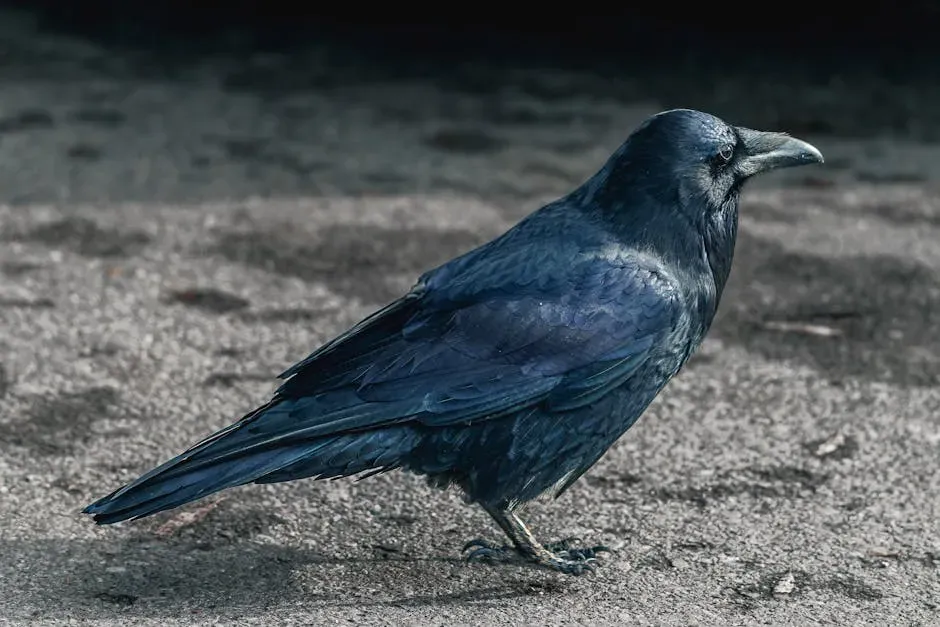
To understand why ravens behave the way they do around death, you really need to understand just how extraordinary their minds are. Many of the feats of common ravens were formerly argued to be stereotyped innate behaviour, but it has now been established that their aptitudes for solving problems individually and learning from each other reflect a flexible capacity for intelligent insight unusual among non-human animals.
Ravens belong to the Corvid family and are one of the most intelligent and resourceful animals on earth. They can use tools, solve problems, mimic human speech, and even plan for future events. We’re not talking about mechanical bird behavior here. This is something far closer to what we’d call thinking.
A study may challenge long-held notions: ravens are just as good as us at pre-planning tasks, according to animal cognition researchers at Sweden’s Lund University. Planning ahead. Not just reacting to the world, but anticipating it. They recognize each other as individuals, remember social relationships, and use flexible strategies to navigate complex group structures. Many of their behaviors are based on social learning: they observe how fellow birds react to threats, remember potential risks, and adjust their own behavior accordingly.
Linguist Derek Bickerton, building on the work of biologist Bernd Heinrich, has argued that ravens are one of only four known animals – the others being bees, ants, and humans – who have demonstrated displacement, the capacity to communicate about objects or events that are distant in space or time. Four species in all of the animal kingdom. And ravens are on that list. Ravens play an essential role in the natural cycle of life and death in their ecosystems by scavenging and consuming carrion, which aids in preventing the spread of diseases. So even the grim scene of ravens circling the dead serves a purpose bigger than the birds themselves.
Conclusion: The Dark Birds With Something to Teach Us
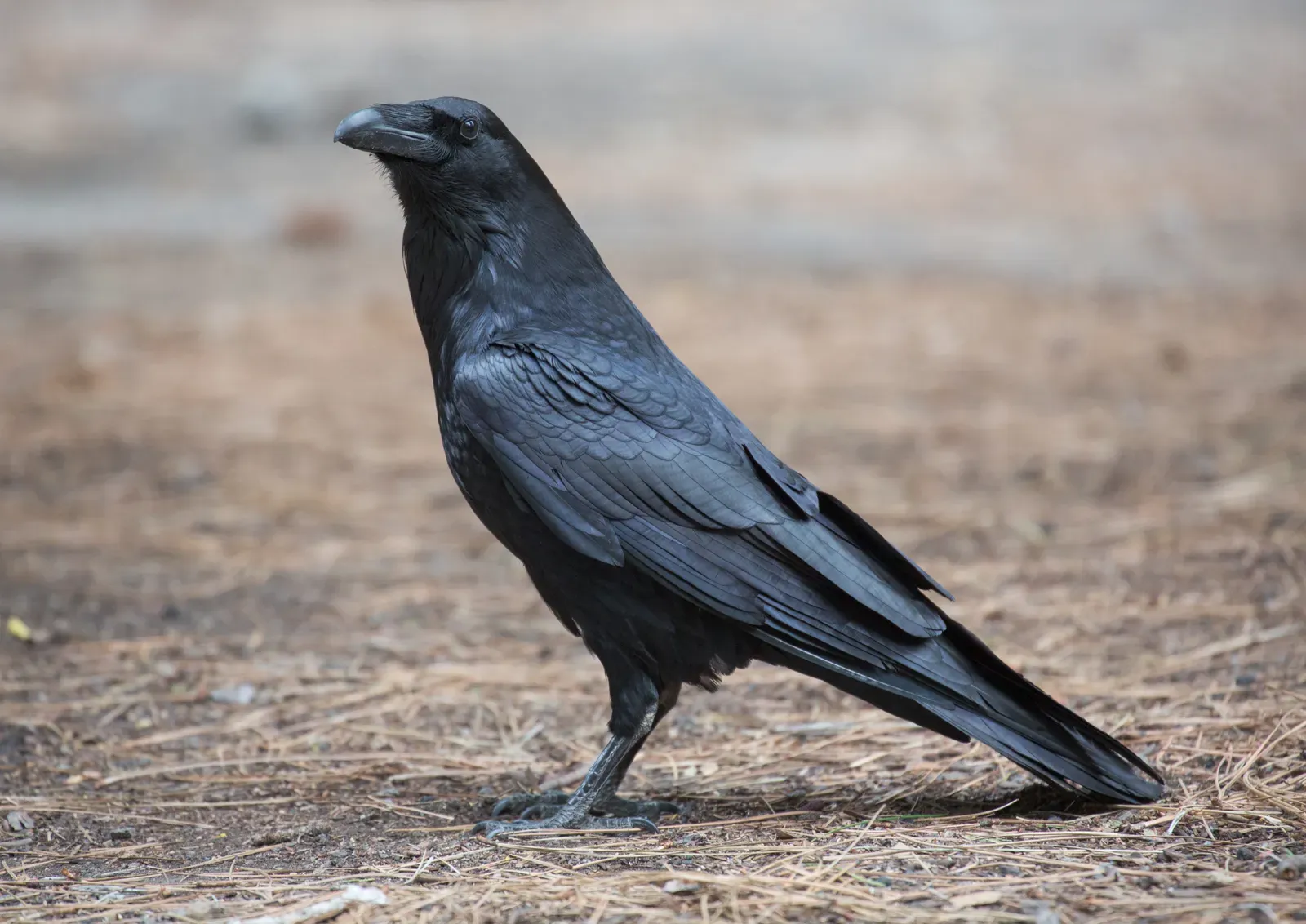
Ravens have carried the weight of human fear for centuries. Before the Age of Reason, people thought ravens were a harbinger of doom because they saw them scavenging dead corpses on battlefields. We watched them gather around death and assumed the worst. We projected our own dread onto a bird that was simply doing its job, and doing it brilliantly.
The truth is that when ravens gather around a dead animal, they are processing danger, communicating with their community, maintaining social bonds, and potentially experiencing something close to grief. They are not omens. They are mirrors. Intelligent, social, emotionally aware creatures navigating a world that is just as uncertain for them as it is for us.
Results reveal that ravens are both social and physical intellects, and strengthen recent suggestions that ravens’ cognitive skills are an expression of general rather than domain-specific intelligence. General intelligence. In a bird. That single finding should change the way we look at that dark shape perched on a branch, staring back at us with those sharp, knowing eyes.
The next time you see ravens gathering in a field or circling above something still and silent, resist the urge to shudder. Instead, watch. Because something remarkably intelligent is unfolding right in front of you. What would you have guessed they were really doing?
