

There’s something about the dark spaces between certainty and imagination that pulls us in. American folklore is riddled with creatures that dwell right in that space. Some lurk in dense forests, others glide through thunderous skies, and a few haunt our collective memory with tales so chilling they still make folks look over their shoulders. These aren’t just bedtime stories or campfire entertainment. They’re windows into the fears, hopes, and values that shaped this nation.
From the misty Pine Barrens to the windswept plains of the Midwest, legendary creatures have carved their place in the American psyche. Let’s be real, these beings aren’t about to show up in a lab for scientific examination. Yet the stories endure, passed down through generations, morphing with each telling, gaining new layers and meanings. So let’s dive in and explore ten of the most fascinating legendary creatures from US folklore, what they symbolize, and why they still captivate us today.
The Jersey Devil: Cursed Child of the Pine Barrens
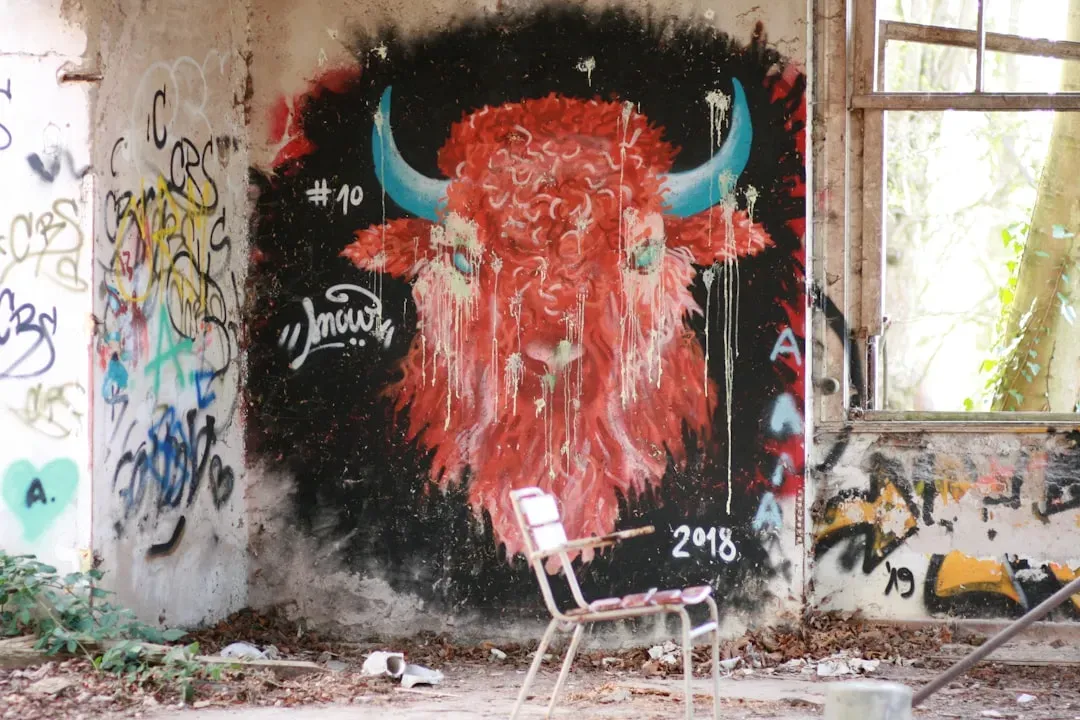
In South Jersey and Philadelphia folklore, the Jersey Devil is a legendary creature said to inhabit the forests of the Pine Barrens in South Jersey, often described as a bipedal kangaroo-like or wyvern-like creature with a horse or goat-like head, leathery bat-like wings, horns, small arms with clawed hands, legs with cloven hooves, and a forked or barbed tail. It has been reported to move quickly and is often described as emitting a high-pitched “blood-curdling scream.”
Here’s the thing. The most widely held belief about the origin of the Jersey Devil is that Mrs. Leeds, a resident of Estellville, was distraught when she learned she was expecting for the thirteenth time, and in disgust, she cried out, “Let it be the devil!” Legend says the child was born normal but then transformed into something monstrous before flying up the chimney into the surrounding swamps.
For more than 250 years this mysterious creature is said to prowl through the marshes of Southern New Jersey and emerge periodically to rampage through the towns and cities. The Jersey Devil represents more than just a monster story. It embodies social fears and regional identity. It is possible that the creature’s origins in the Pine Barrens from the Leeds family were a form of social discrimination taking the form of folklore.
The creature had its heyday during a week in January 1909, when thousands of people across South Jersey and Philadelphia reported sightings. Honestly, it’s hard to say for sure what anyone saw. Jeff Brunner of the Humane Society of New Jersey thinks that “vagrant” sandhill cranes are partially the basis of the Jersey Devil stories, noting that sandhill cranes are not indigenous or well-known to South Jersey, are approximately the same size as the alleged Jersey Devil, and produce distinctive loud vocalizations. Yet the legend persists, a testament to our fascination with the unexplained.
Mothman: The Red-Eyed Harbinger
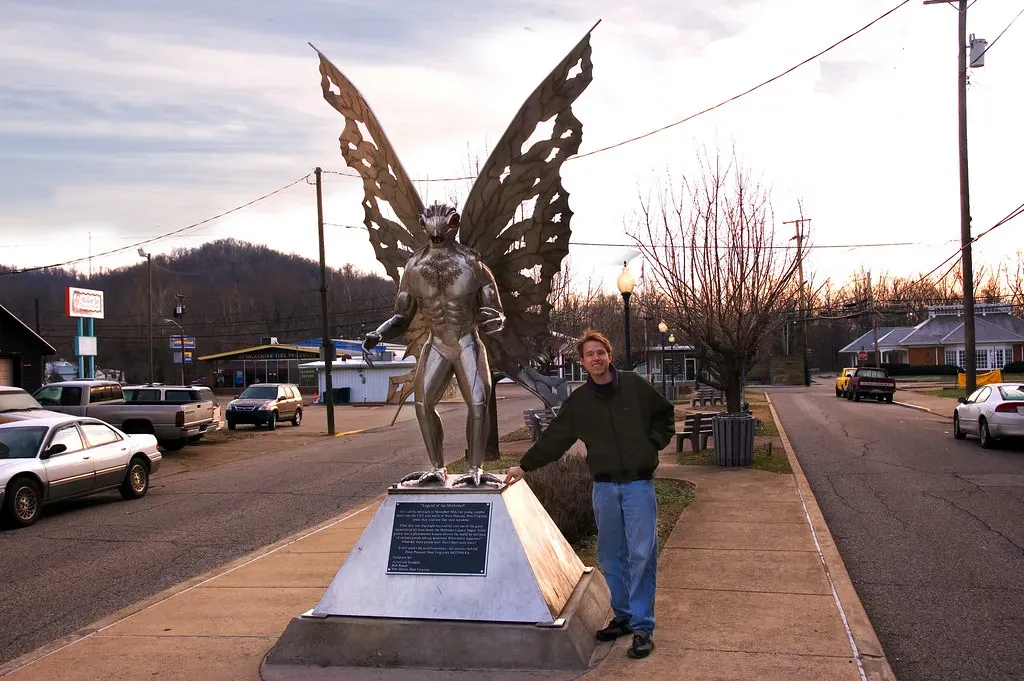
The first recorded sighting of the Mothman occurred on November 15, 1966, when two married couples were out at the old “TNT area” near Point Pleasant, West Virginia, and they sighted the six to seven-foot-tall, red-eyed, winged monster. The group fled in terror as the creature chased their car toward town.
The Mothman became famous following sightings in Point Pleasant, West Virginia, during the late 1960s, with witnesses describing it as a winged entity with glowing red eyes, instilling both intrigue and fear. Over the next thirteen months, the town experienced a wave of sightings. Then came the tragedy. The Silver Bridge collapsed in December 1967, killing numerous people, and many locals connected Mothman to the disaster as some sort of omen.
This winged cryptid symbolizes our anxieties about disaster and the unknown. These creatures not only mirrored the anxieties of their eras, but also reflect an enduring fascination with the unknown and the things that go bump in the night, and by the mid-20th century, as the fear of nuclear annihilation cast its lengthening shadow, one such monster stepped out of the shadows: the infamous Mothman.
Was Mothman real or just mass hysteria during troubled times? It’s hard to say for sure, but the legend endures. Point Pleasant has embraced its connection to the creature, hosting an annual Mothman Festival that draws visitors from around the world. The red-eyed figure remains a potent symbol of warning, a reminder that sometimes we sense danger before we can fully understand it.
The Wendigo: Winter’s Cannibal Spirit
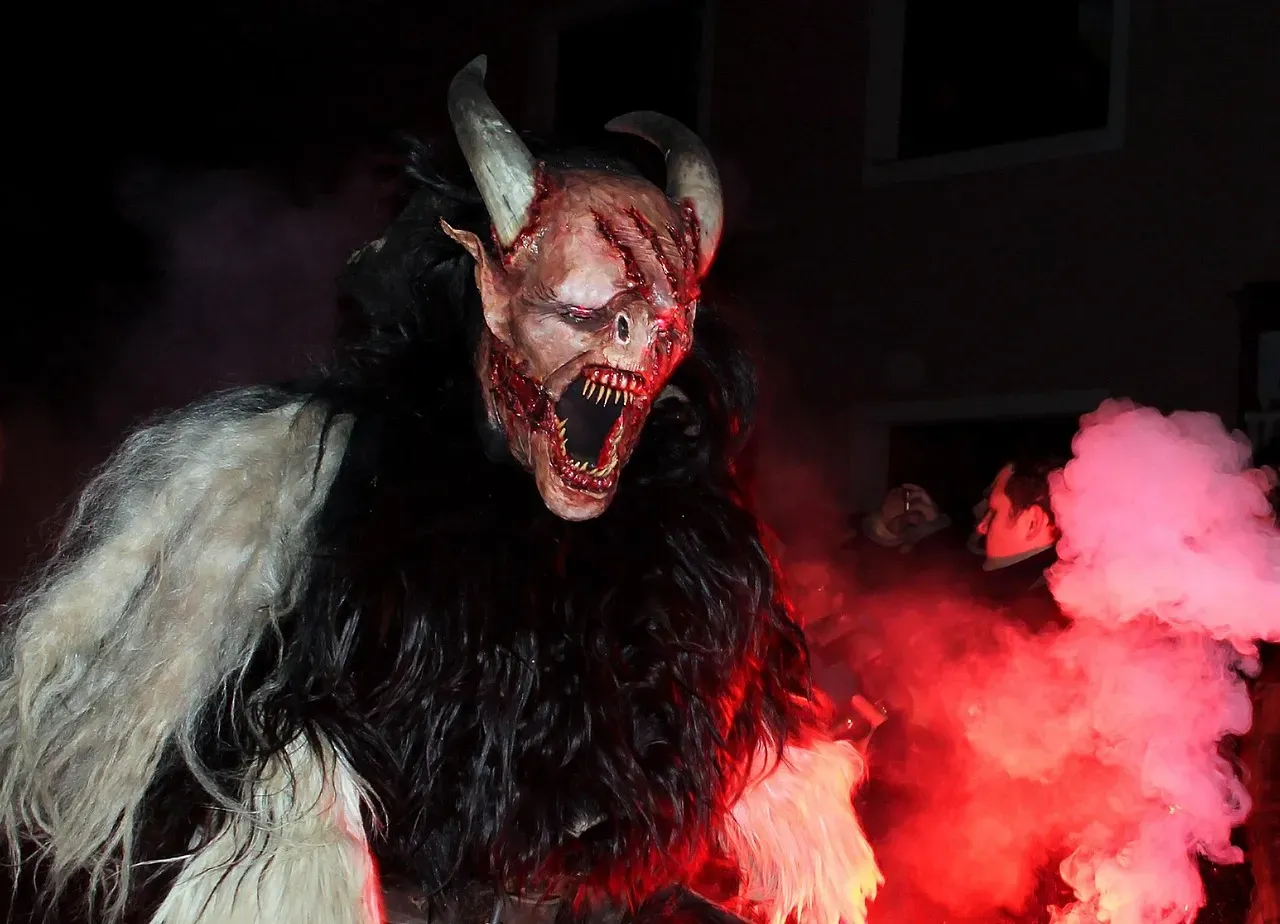
In addition to denoting a cannibalistic monster from certain traditional folklore, some Native Americans also understand the wendigo conceptually, as a concept that can apply to any person, idea, or movement infected by a corrosive drive toward self-aggrandizing greed and excessive consumption, traits that sow disharmony and destruction if left unchecked.
Various Algonquian tribes share depictions of the Wendigo as a horrific primordial beast that is cannibalistic and brooding with evil. In the ancient North American legend, the monster exists as the by-product of cannibalism or dark magic, and in some myth variations, people can also become a Wendigo after merely coming into contact with it.
The physical descriptions vary wildly. Some legends say the wendigo is an emaciated figure with ashen flesh, while others describe it as a giant creature up to 15 feet tall or as a beast that grows larger the more it eats. Honestly, the inconsistency only makes the legend more unsettling. It represents something primal and terrifying about survival, greed, and the loss of humanity.
The Wendigo serves as a cautionary tale against the worst aspects of human nature. This application allows Native Americans to describe colonialism and its agents as wendigos since the process of colonialism ejected natives from their land and threw the natural world out of balance. The creature embodies not just physical hunger, but spiritual corruption and environmental destruction. Some experts are labeling this phenomenon as the “Wendigo Psychosis,” an endemic psychiatric disorder associated with culture that manifests through compulsive, strong cannibalistic behaviors.
Skinwalkers: Shapeshifting Witches of the Southwest
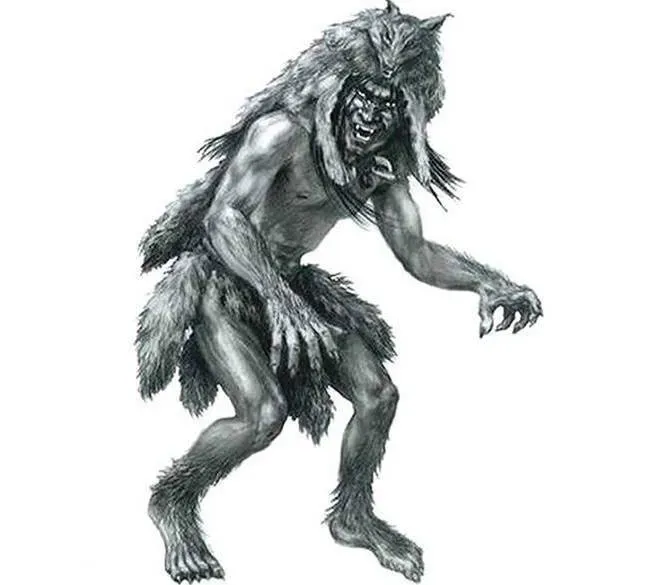
Western Indian tribes also believed in supernatural beings known as Skinwalkers, with the Navajo tribe especially believing that these Skinwalkers were shape-shifters who could assume the form of any animal which allowed them to travel quickly and gave them the ability to hide in plain sight.
Specifically, a person is said to gain the power to become a Skinwalker upon initiation into the Witchery Way, which involved murdering a close relative, especially a sibling; other crimes also associated with it were necrophilia, and grave-robbing. Once one has been initiated into the Witchery Way they become “pure evil,” and it is interesting to note that in the Native culture most witches were male not female.
The Skinwalker legend is deeply rooted in Navajo culture and is treated with immense seriousness. Many Navajo people won’t discuss Skinwalkers openly, believing that speaking about them can attract their attention. The creature represents a profound betrayal of community values and the perversion of spiritual power for selfish, malevolent purposes.
The Navajo people of the American Southwest are associated with skinwalker lore, while Wendigo tales originate from Algonquin-speaking tribes of the Northeastern United States and Canada. These are distinct traditions from different cultures, each reflecting specific moral and spiritual concerns of their communities. Skinwalkers embody the dark side of transformation and the consequences of choosing evil over communal harmony.
Thunderbird: Divine Messenger of the Skies
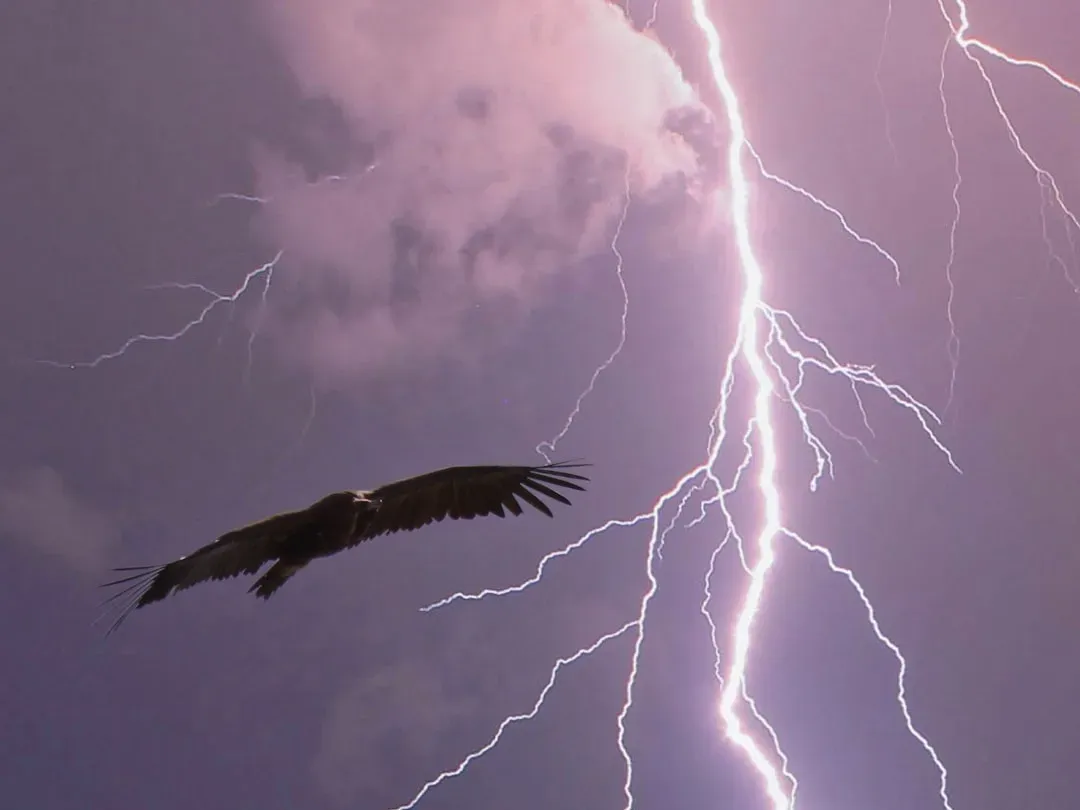
For centuries, Native American folklore has been filled with tales of powerful and majestic creatures, with perhaps none as awe-inspiring as the Thunderbird, a legendary creature that is said to bring thunder and lightning with the beating of its mighty wings, and across many different tribes and geographical regions, the Thunderbird has been depicted as a divine messenger, a protector, and a symbol of strength and power.
The Thunderbird, steeped in Native American folklore, supposedly controls evil by throwing lightning. When it is stormy weather the thunderbird flies through the skies, he is of monstrous size, when he opens and shut his eyes, he makes the lightning, and the flapping of his wings makes the thunder and the great winds.
The Thunderbird’s importance to Algonquian mythology is especially highlighted by their belief that these creatures were the ancestors of the human race and played a role in the creation of the universe. The creature appears in countless tribal traditions across North America, from the Pacific Northwest to the Great Lakes region.
One of the most compelling stories involves the Thunderbird’s battle with the whale. Whale was a monster, killing other whales and depriving the Quileute tribe of meat and oil, and Thunderbird, a benevolent supernatural being, saw from its home high in the mountains that the people were starving, so it soared out over the coastal waters, then plunged into the ocean and seized Whale. The Thunderbird represents divine intervention, natural power, and the protection of humanity from malevolent forces. It’s a creature of pure majesty and spiritual significance.
Chupacabra: The Goat Sucker’s Blood-Draining Terror
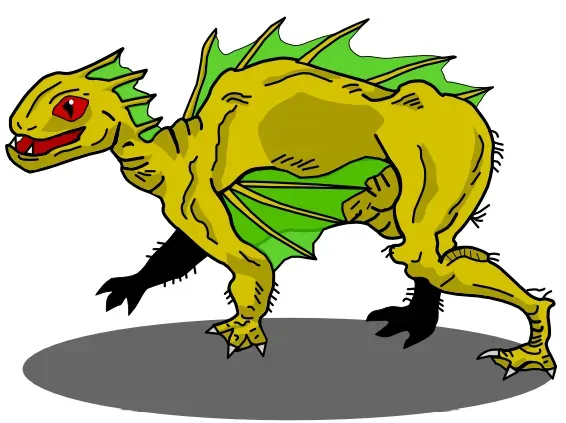
The chupacabra or chupacabras is a legendary creature, or cryptid, in the folklore of parts of the Americas, with the name coming from the animal’s purported vampirism – the chupacabra is said to attack and drink the blood of livestock, including goats.
Initial sightings and accompanying descriptions first occurred in Puerto Rico in 1995, and the creature has since been reported as far north as Maine, as far south as Chile, and even outside the Americas in countries like Russia and the Philippines. Reportedly first sighted during the mid-1990s, the Chupacabra made headlines across the world when livestock started mysteriously dying, with animals found completely drained of blood through small incisions which, according to experts at the time, were not compatible with the bite of a dog, monkey, or any other known carnivore from the region.
Let’s be honest, the Chupacabra is a relatively recent addition to American folklore, yet it spread like wildfire. This mythical creature symbolizes insight and energy drains, and if the Chupacabra comes your way, it might be time to protect your energy and stop letting responsibilities drain you.
A five-year investigation by Benjamin Radford, documented in his 2011 book Tracking the Chupacabra, concluded that the description given by the original eyewitness in Puerto Rico, Madelyne Tolentino, was based on the creature Sil in the 1995 science-fiction horror film Species, with the alien creature Sil nearly identical to Tolentino’s chupacabra eyewitness account and she had seen the movie before her report. Still, the legend persists, reflecting modern anxieties about predators, economic hardship, and the vulnerability of rural communities.
Bigfoot: The Elusive Forest Giant
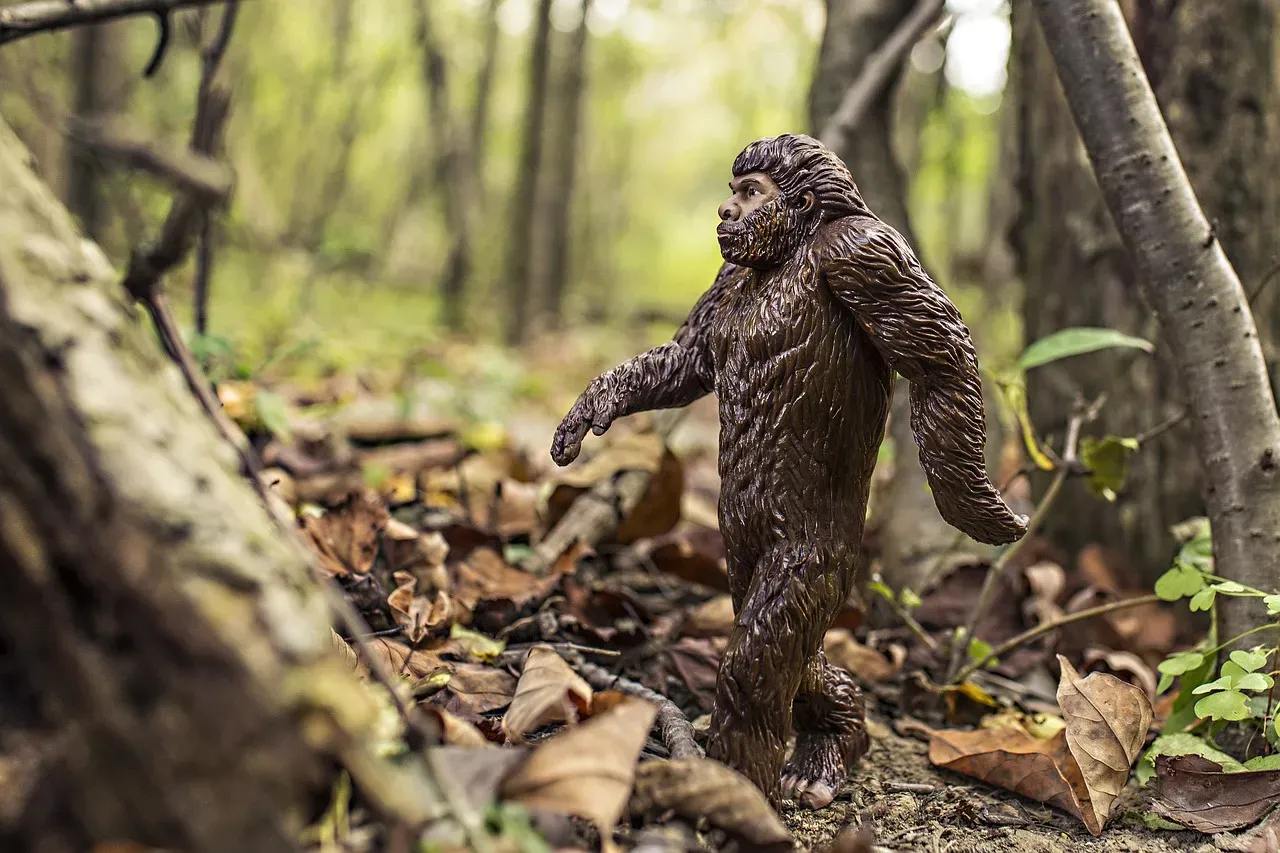
Deep in the forests of North America, a legend persists of a towering, hairy creature that walks on two legs and eludes capture, known as Bigfoot, also known as Sasquatch, a cryptid that has captured the imagination of millions and spawned countless expeditions, debates, and cultural touchstones.
Long before European settlers arrived in North America, Native American tribes spoke of giant, hairy “wild men” that roamed the wilderness, with the Salish people of the Pacific Northwest giving us the term “Sasquatch,” derived from their word “se’sxac,” meaning “wild man,” and these early tales laid the groundwork for what would become one of America’s most enduring mysteries.
Bigfoot sightings have been reported for decades across the Pacific Northwest and beyond. Grainy photographs, dubious footprint casts, and countless eyewitness accounts keep the legend alive. You might know it as Bigfoot or Sasquatch, but this hairy humanoid creature packs a spiritual punch regardless of the name, symbolizing the need for confidence and alone time, and the lack of evidence adds an extra layer of secrecy.
I think there’s something deeply human about our fascination with Bigfoot. Bigfoot can be seen as a symbol of the untamed wilderness that once covered North America, a reminder of a time before widespread human development. The creature represents our longing for mystery, our hope that wild places still harbor secrets beyond our understanding. Whether Bigfoot exists or not almost doesn’t matter anymore. The legend itself has become part of the American identity.
The Jackalope: America’s Horned Hoaxer
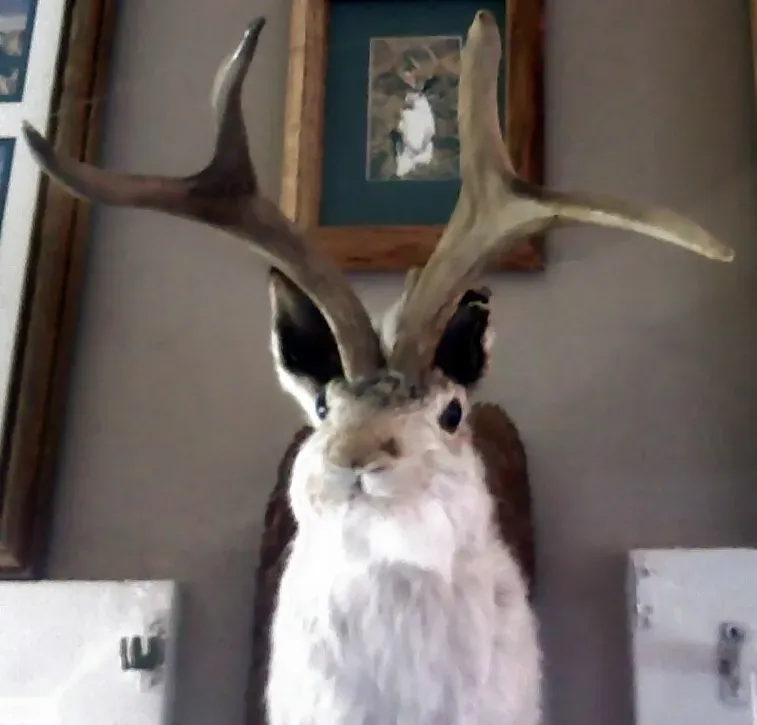
The jackalope is a mythical animal of North American folklore described as a jackrabbit with antelope horns, with the word jackalope being a portmanteau of jackrabbit and antelope.
In the 1930s, Douglas Herrick and his brother, hunters with taxidermy skills, popularized the American jackalope by grafting deer antlers onto a jackrabbit carcass and selling the combination to a local hotel in Douglas, Wyoming, and thereafter, they made and sold many similar jackalopes to a retail outlet in South Dakota, and other taxidermists continue to manufacture the horned rabbits into the 21st century.
Branch said one of the reasons the animal is said to be so rare is because it only mates during lightning storms, noting “I just think that’s an example of a million stories that have carried the jackalope forward…. It’s storytelling that keeps this beast alive.” Branch said it’s also well known among believers that the jackalope can sing, and “Jackalopes have been known to sing along with cowboys around the campfire, both in the U.S. and Canada, so if you’re ever out camping, you start singing around the campfire, it’s very common to hear the jackalope sing along with you.”
Here’s what makes the jackalope special. Everyone knows it’s a hoax, yet we love it anyway. The jackalope is a symbol of imagination, creativity, and fun, and whether you believe in cryptids or just enjoy a good story, the jackalope is sure to make you smile, reminding us that it’s okay to believe in a little bit of mystery. The creature represents humor, regional pride, and the American tradition of tall tales. It’s folklore with a wink and a nod, and that’s perfectly okay.
Raven Mocker and Moon-Eyed People: Cherokee Night Terrors
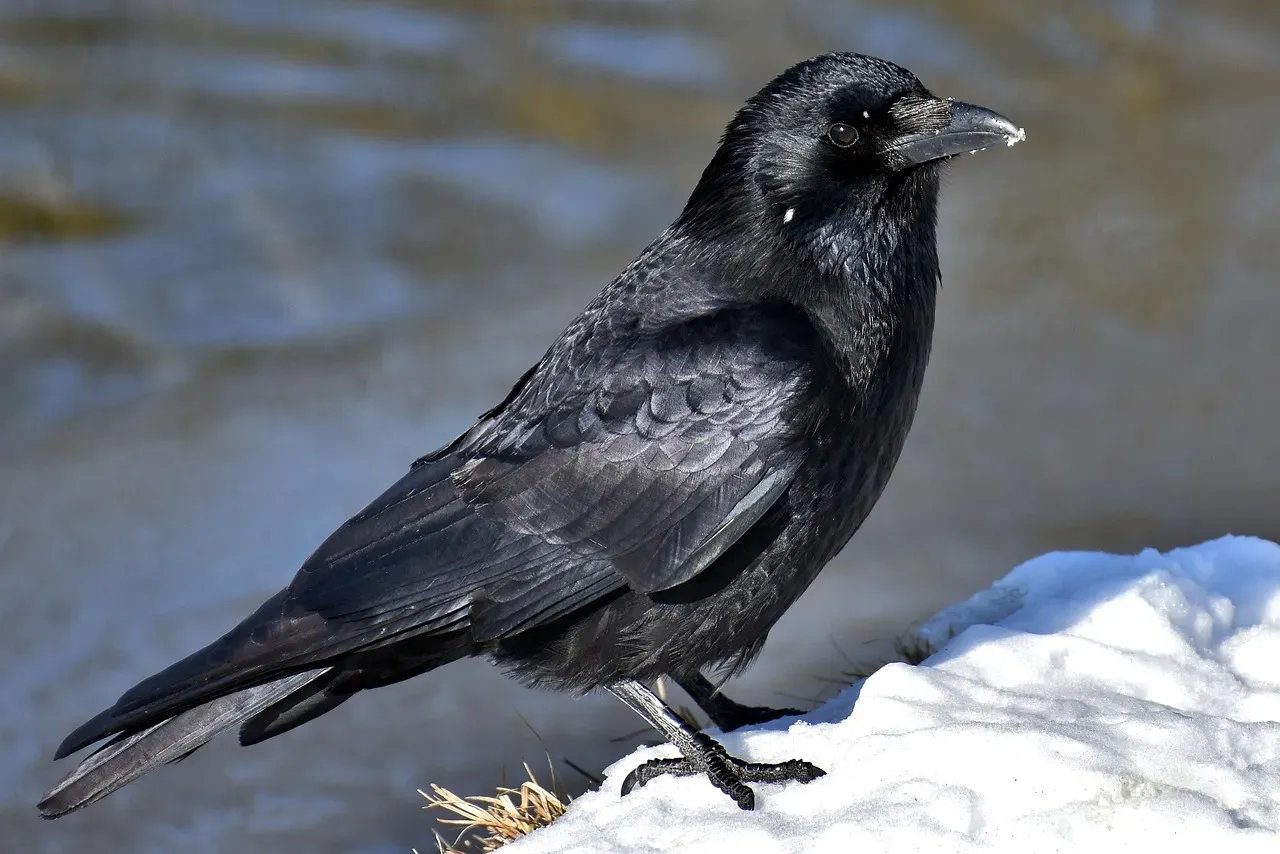
Native American tribes from across North America have spoken of beings and monsters such as the Moon-Eyed People and the Raven Mocker from the Cherokee, or the Wendigo from Algonquin lore. Cherokee folklore contains numerous creatures that embody specific fears and moral lessons.
The Raven Mocker is particularly terrifying. According to Cherokee tradition, these evil spirits or witches take the form of ravens and prey upon the sick and dying. They’re said to steal the remaining years of life from their victims, adding that time to their own lifespans. The creature represents the fear of premature death, the vulnerability of the ill, and the existence of malevolent spiritual forces.
The Moon-Eyed People, meanwhile, are described as pale, nocturnal beings who supposedly inhabited the Appalachian region before the Cherokee arrived. Some accounts suggest they were driven out or destroyed, while others claim they retreated underground or into caves. These beings might represent folk memories of earlier peoples, or they could symbolize the unknown inhabitants of the land before recorded history.
Both creatures reflect the Cherokee understanding of a world filled with spiritual forces, both benevolent and malicious. They remind us that the natural world contains mysteries beyond human comprehension, and that respect for unseen powers is essential for survival and harmony.
The Snallygaster: Maryland’s Dragon of Terror
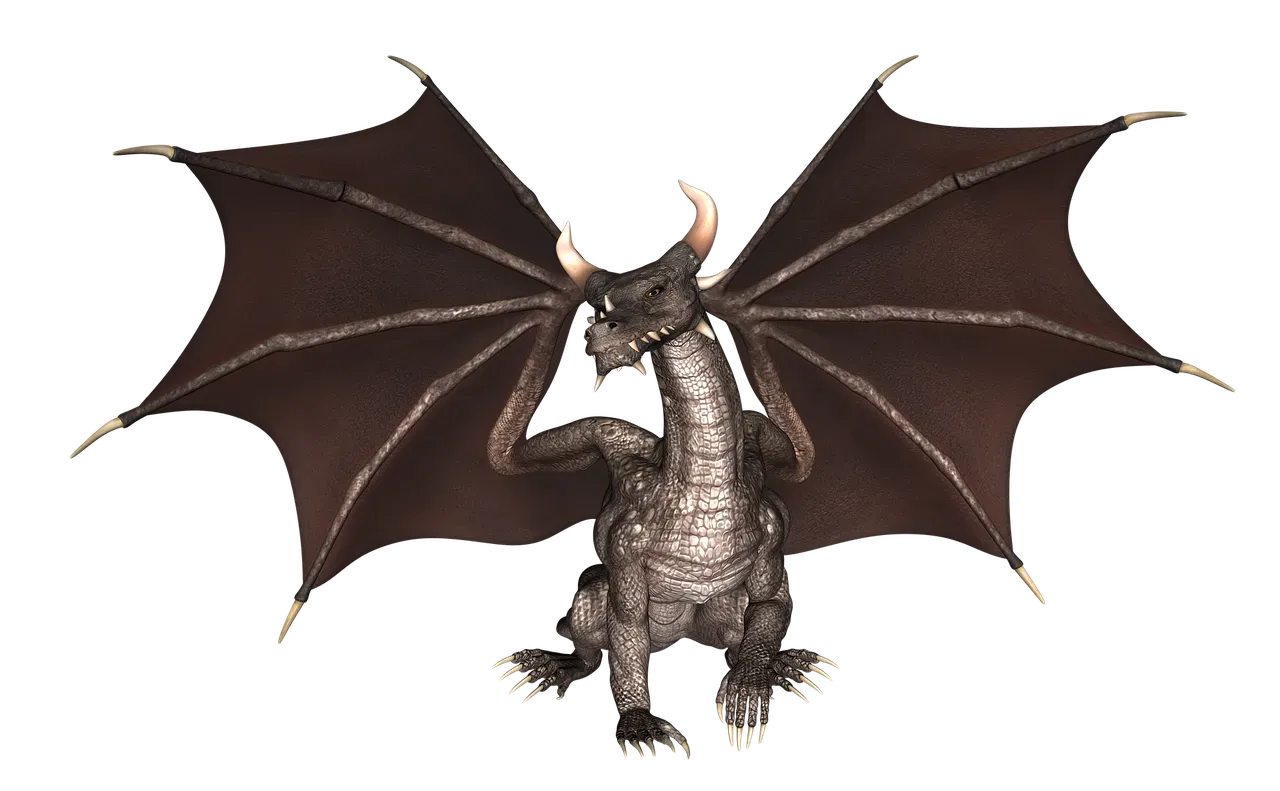
Guiley states that the Snallygaster’s 1909 appearance was a confirmed hoax by reporters of the Middletown Valley Register, who were hoping to increase the sales of the newspaper and capitalize on the Jersey Devil’s reign of terror in New Jersey. Yet before that revelation, the Snallygaster terrorized communities across Maryland.
Settlers from the Old World brought over or created their own legends of creatures such as the Goatman, the Rougarou, and the Snallygaster. The Snallygaster was typically described as a dragon-like creature with enormous wings, sharp teeth, and a taste for human blood. Reports claimed it would swoop down from the skies, snatching up livestock and occasionally people.
The creature’s name likely derives from German folklore brought by immigrants to Maryland, possibly from “Schneller Geist” meaning “quick spirit.” Even though we know the 1909 panic was manufactured by journalists looking to boost newspaper sales, the legend had existed in local folklore long before that.
The Snallygaster represents the transplantation of Old World fears to American soil, the power of media to shape belief, and our enduring susceptibility to sensational stories. It’s a reminder that folklore evolves, that legends can be deliberately created, and that the line between genuine tradition and manufactured myth can blur over time. Still, there’s something charming about communities embracing even their hoaxed monsters as part of local identity.
Conclusion
These ten legendary creatures are more than just spooky stories to tell around campfires. They’re reflections of the American experience, embodying our fears, values, and relationship with the wild spaces around us. From the cursed Jersey Devil to the majestic Thunderbird, from the terrifying Wendigo to the playful Jackalope, each creature tells us something about who we are and what we believe.
The cultural significance of these cryptids cannot be overstated, as they serve as more than just campfire tales or subjects of pseudo-scientific inquiry, with these creatures often embodying the fears, hopes, and values of the cultures that created them. Whether they’re cautionary tales about greed and cannibalism, symbols of divine power and protection, or just good-natured hoaxes that bring communities together, these legendary creatures have earned their place in American folklore.
The question of whether any of these creatures truly exist almost misses the point. Their real power lies in what they represent and how they shape our collective imagination. They remind us that mystery still exists in the world, that not everything can be explained or categorized, and that sometimes the stories we tell are just as important as the facts we discover.
What do you think about these legendary creatures? Do any of them still give you chills, or do you find them more fascinating than frightening? Perhaps you’ve got your own encounter story, or maybe you’ve heard local legends that didn’t make this list. Either way, these creatures aren’t going anywhere. They’ll keep haunting our forests, skies, and imaginations for generations to come.

- 8 Crucial Habits That Can Significantly Extend Your Beloved Dog’s Healthy Lifespan - August 3, 2026
- 6 Animals We Love to Love at Christmas Time - August 3, 2026
- Do Dogs Get Depressed From Lack Of Attention? - August 3, 2026