


When researchers set out to study fly behavior, they never expected to uncover something so remarkable. They found that flies, much like dogs or primates, engage in playful activities just for fun. This discovery challenges what we know about insect intelligence and behavior, proving that even the tiniest creatures enjoy a bit of playtime.
Flies and Their Playful Nature
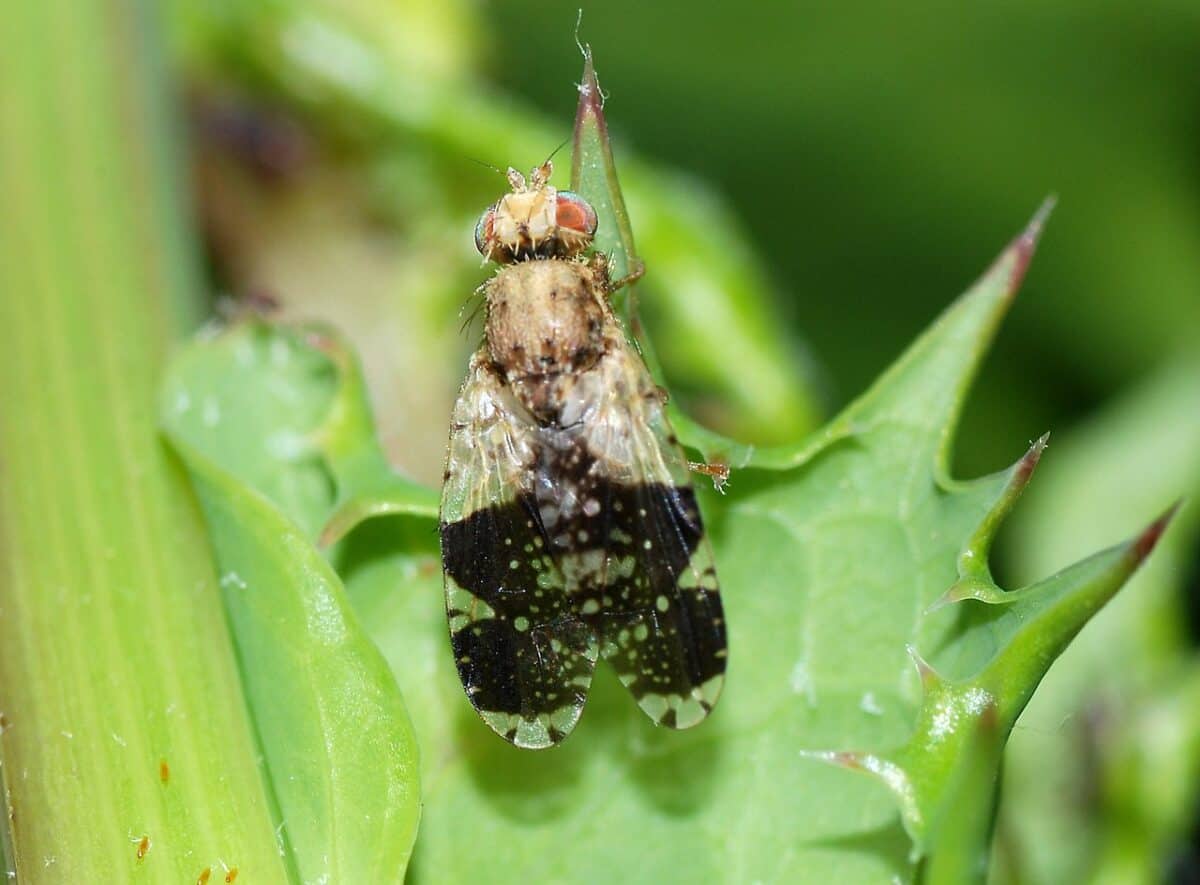
The study focused on young flies, observing how they interacted with objects in their environment. Researchers noticed that these tiny insects would repeatedly chase, push, and manipulate small items without any survival-related purpose. This kind of behavior is a clear sign of play in the animal kingdom. While play has long been associated with mammals and birds, flies have now joined the list of creatures that engage in recreational activities.
Chasing for Fun, Not for Survival

In controlled lab experiments, researchers introduced tiny balls into the flies’ environment. Instead of ignoring them, the flies actively played—pushing, rolling, and even following the objects. The movements weren’t tied to food, mating, or defense; they were just having fun. This suggests that play is more widespread in the animal kingdom than previously believed, even among insects with tiny brains.
Why Would Flies Play?

Play behavior is often linked to learning and brain development. In young mammals, play helps develop social skills and problem-solving abilities. Scientists believe that flies may also benefit from playful interactions, strengthening their coordination and adaptability. If tiny insects engage in play for cognitive development, it raises new questions about how intelligence and emotions evolve across species.
Challenging Old Assumptions

For years, people thought of insects as robotic creatures, driven only by instinct and survival. This study turns that idea upside down, showing that even flies engage in behaviors that seem to serve no immediate purpose. If flies can play, what other complex emotions or social behaviors might they have?
A New Perspective on Insects

This research changes how we see flies. Instead of viewing them as simple pests, we now have proof that they exhibit complex behaviors similar to those of higher animals. Understanding play in flies opens doors for further studies on insect cognition, showing that intelligence exists in places we never imagined. While flies may never fetch a ball like a dog, their tiny games reveal something extraordinary—fun isn’t just for mammals. Even the smallest creatures know how to play.

adventuring, photography and videography. I am currently working towards a BSc in Biodiversity and Ecology at Stellenbosch University to go on to specialise in Marine Sciences one day.
Please send any feedback to Feedback@animalsaroundtheglobe.com
- These Dogs Are on a Mission to Sniff Out an Invasive Threat - July 18, 2026
- Curious Black Bear Plays on Swingset - July 18, 2026
- Meet Deep Blue: The Largest and Oldest Living Shark Ever Recorded - July 17, 2026