
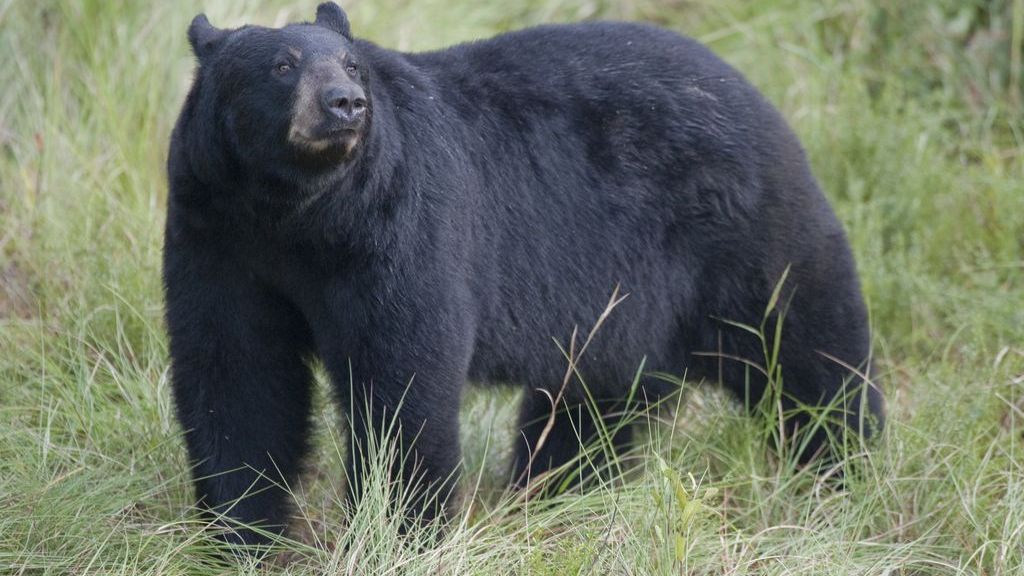
It is hard to imagine the swamps, scrublands, and pine forests of Florida without a black bear moving silently through the brush. Yet for several long and troubling decades in the twentieth century, that was nearly the reality. The Florida black bear was pushed to the edge, reduced to a ghost population barely clinging to survival in isolated pockets of wilderness. What happened next is nothing short of remarkable.
This is a story about collapse, comeback, and the complicated question of what we do when nature surges back stronger than expected. There are no easy answers here, and honestly, the debate is still very much alive. Let’s dive in.
From Thousands to Nearly Nothing: The Near-Extinction of Florida’s Black Bears
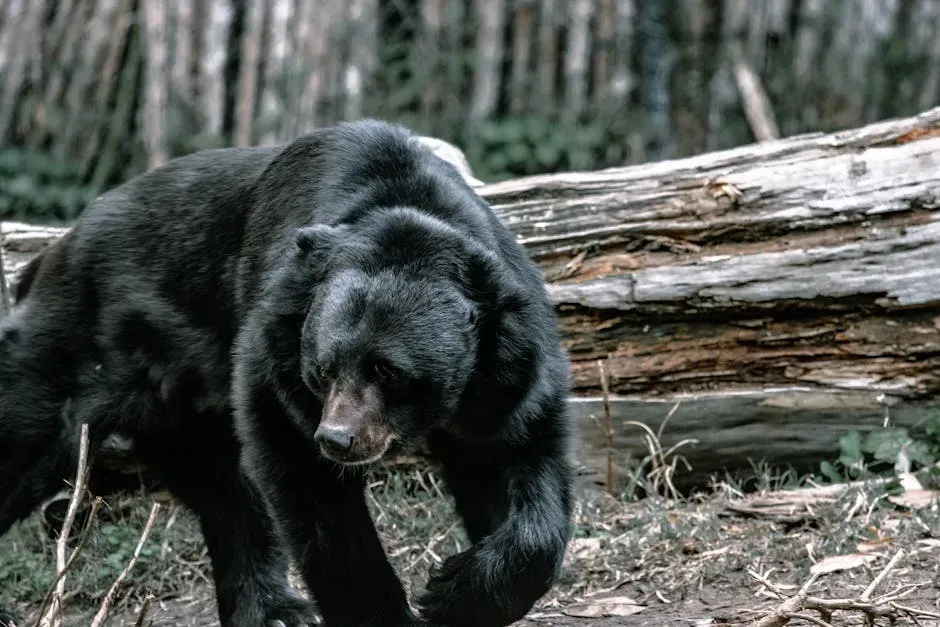
Long before the condos, theme parks, and endless highways, Florida was bear country. Wildlife biologists estimate that roughly 11,000 black bears once roamed across the peninsula, traveling throughout the state’s pine flatwoods, swamps, and oak scrub, following the annual fruiting cycle of acorns and palmetto berries and traveling widely to find mates. That is a genuinely wild image to sit with.
Before Florida was settled by Europeans, black bears occupied all of the Florida mainland and even the upper Florida Keys. Bear numbers then declined by an astonishing 97 percent to just 300 bears by 1970. Let that sink in for a moment. Ninety-seven percent gone.
From its pre-Columbian peak, the Florida black bear population fell precipitously. Between unregulated hunting and habitat loss, bear populations dwindled. By the 1970s, the Florida black bear had bottomed out with fewer than 500 bears left in the wild. The species was teetering on the edge of local extinction, and almost nobody was paying close enough attention.
Once abundant across the state, black bear populations declined so significantly in the late 1960s that the state listed the species as “threatened.” The trajectory was alarming, and real action was desperately needed.
The Slow, Steady Road Back: How Conservation Turned the Tide
On the heels of a worldwide focus on conservation and wildlife preservation, with the first Earth Day held in 1970 and the Endangered Species Act signed in 1973, the state of Florida turned to safeguarding its native bears. In 1974, the FWC classified the Florida black bear as a threatened species. That classification was a turning point, even if the road from there was long and slow.
Thanks to an outright ban on bear hunting in 1994 and conservation efforts to expand protected land in the state, bear populations recovered. Black bears were eventually removed from the state threatened species list in 2012. That is nearly four decades of deliberate, patient work.
The Florida black bear was classified as a “Recovered” species in 2012 after decades of conservation efforts, with a population now exceeding 4,000. Think about that number relative to where things stood. From roughly 300 bears to more than 4,000. That is not just a recovery. That is a resurrection.
The black bear population has come back from just several hundred bears in the 1970s to over 4,000 today, and it is considered one of Florida’s most successful conservation efforts. It is the kind of success story that should be taught in schools.
The Apalachicola Boom: One Subpopulation That Is Thriving Exceptionally Fast
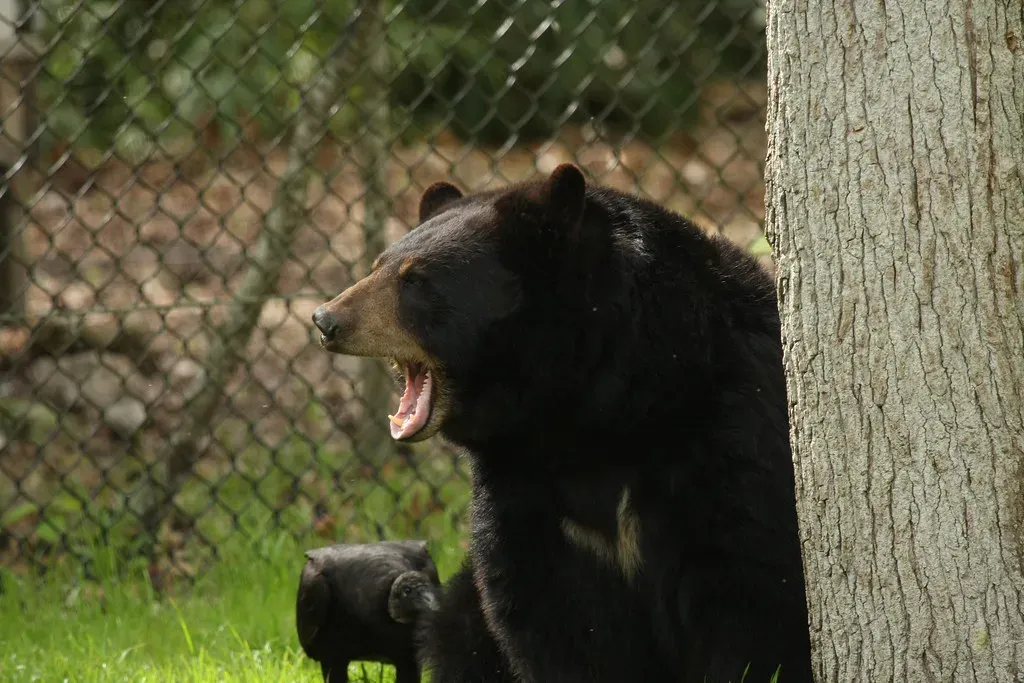
Here is the thing about bear recovery in Florida – it is not uniform across the state. Some regions are doing far better than others, and the Apalachicola area in the Florida Panhandle stands out as a particularly striking example of what is possible when land protection and legal safeguards align.
A study published in The Journal of Wildlife Management focused on a particular subspecies of Florida black bears, Ursus americanus floridanus, found in the eastern panhandle of the state. The study measured the survival and reproductive capacity of the Apalachicola subpopulation of black bears using data collected between 2016 and 2019, and found a growth rate of 11.9 percent annually, which is considered fast for bear populations.
Researchers determined that this was attributable to higher than average adult female bear survival rates, at 91.5 percent compared to 82 percent for adult female bears in other areas. Healthier mothers, more cubs, stronger populations. It is almost elegantly simple when you put it that way.
The Apalachicola region is also one where significant land conservation initiatives were put in place decades earlier, and that land preservation is a significant factor in why the bear populations there are growing. Adult females need a lot of space to maintain a safe territory for their cubs, which they have in the Panhandle. Space, it turns out, is everything.
The Other Side of Success: When Bears and Humans Collide
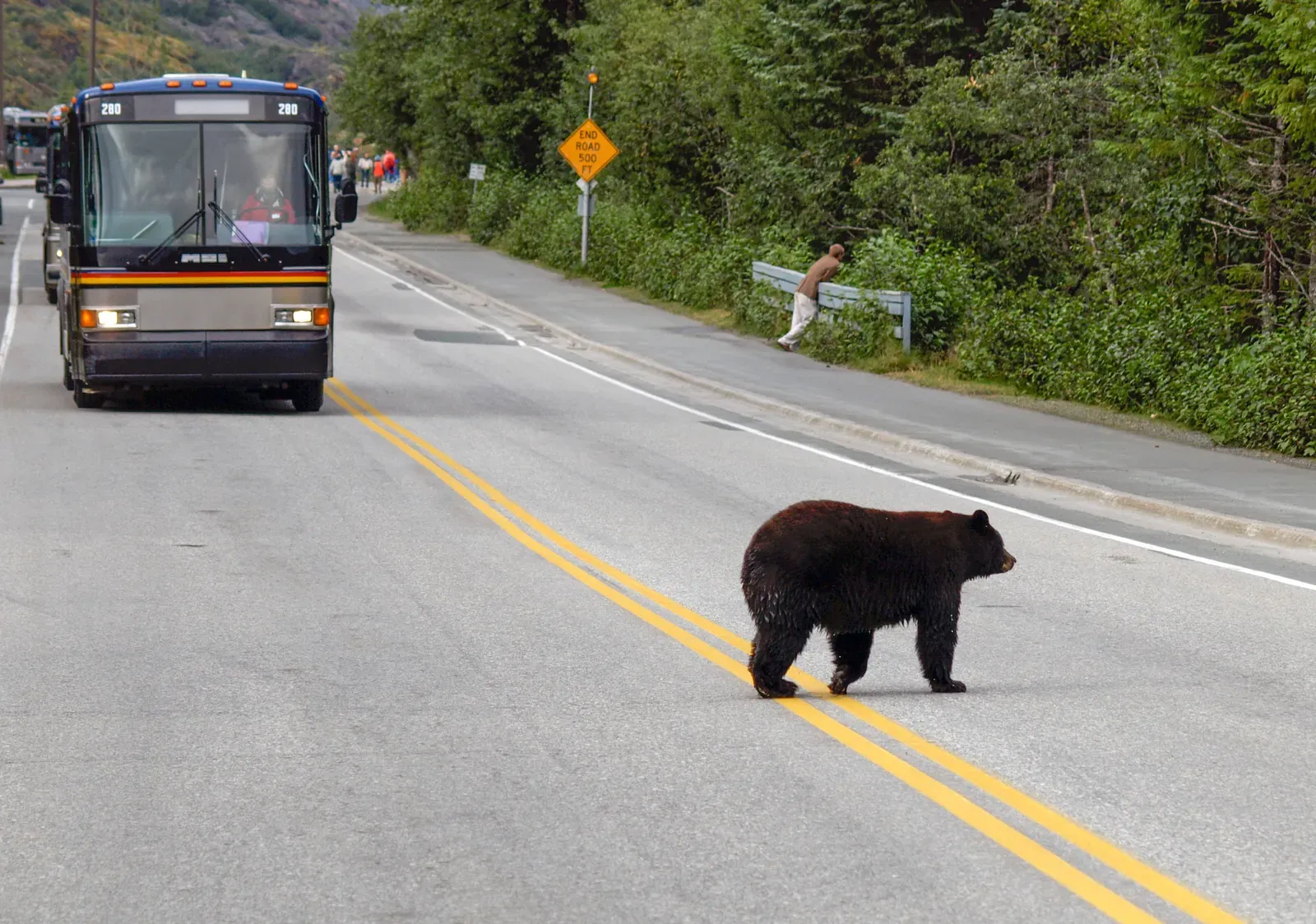
A booming bear population sounds like pure good news. But conservation is rarely that tidy. As bears reclaim more of Florida’s landscape, they are increasingly walking into a state that has dramatically changed around them, and that creates friction in ways that are sometimes dangerous.
As habitats shrink, bears are pushed into smaller, disconnected areas, making it harder to find food, mates, and safe spaces to roam, while also increasing their risk of vehicle collisions – one of the leading causes of bear mortality. Roads are, quite literally, deadly for bears.
Vehicle-bear collisions are the top known cause of death for bears. Since 2012, when accelerating habitat modifications began in key locations, over 230 bears have been killed each year on roadways statewide. That figure is sobering.
During the ten years since Florida’s last bear hunt in 2015, the state’s black bear population has grown modestly. Meanwhile, Florida’s human population has been booming, with 3 million more people living in the state since the last hunt. More people, less space, and more bears: it is a recipe for conflict. The Sunshine State has already seen a surge in human-bear conflicts in recent years, as well as the state’s first fatal bear attack in May 2025. That is a sobering new chapter in this story.
The Bear Hunt Returns – and Sparks a Fierce Debate
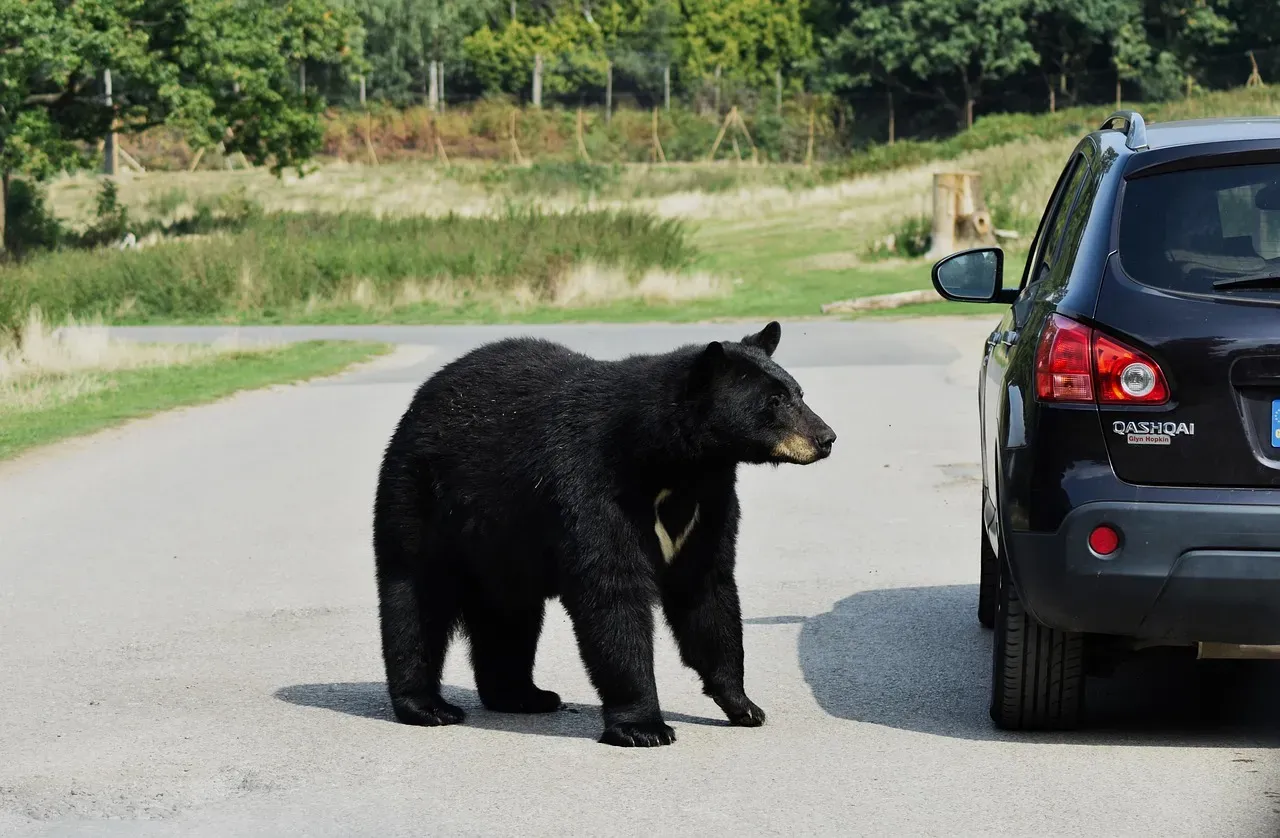
It is hard to say for sure what the right answer is when a conservation success story gets complicated, but Florida’s wildlife managers have made their call. As part of the 2019 Florida Black Bear Management Plan, regulated hunting was identified as one of several tools to help manage bear populations, especially in zones with high subpopulation densities. After public comment and staff recommendations, FWC commissioners voted in August 2025 to adopt highly regulated hunting rules that included permit limits and protections for cubs and females with dependent young.
The 2025 black bear hunting season in Florida ran from December 6 through December 28, marking the state’s first managed bear season since 2015. It was brief, tightly regulated, and deeply controversial. Hunters harvested 52 bears during the hunt, according to a preliminary FWC report. That is fewer than a third of the 172 permits that were issued.
After the Florida Fish and Wildlife Conservation Commission announced its plan to reopen black bear hunting, it received more than 13,000 comments, and around three quarters of them opposed the plan. Floridians have strong feelings about their bears. That is not surprising when you consider how long and how hard so many fought to bring them back.
The various subpopulations are not well connected across the state due to obstacles such as human development and deforestation, and the success in Apalachicola is not representative of what is happening for bear populations in the rest of the state. Each subpopulation faces different conservation challenges. This is perhaps the most important detail that often gets lost in the broader debate.
Conclusion: A Story Still Being Written
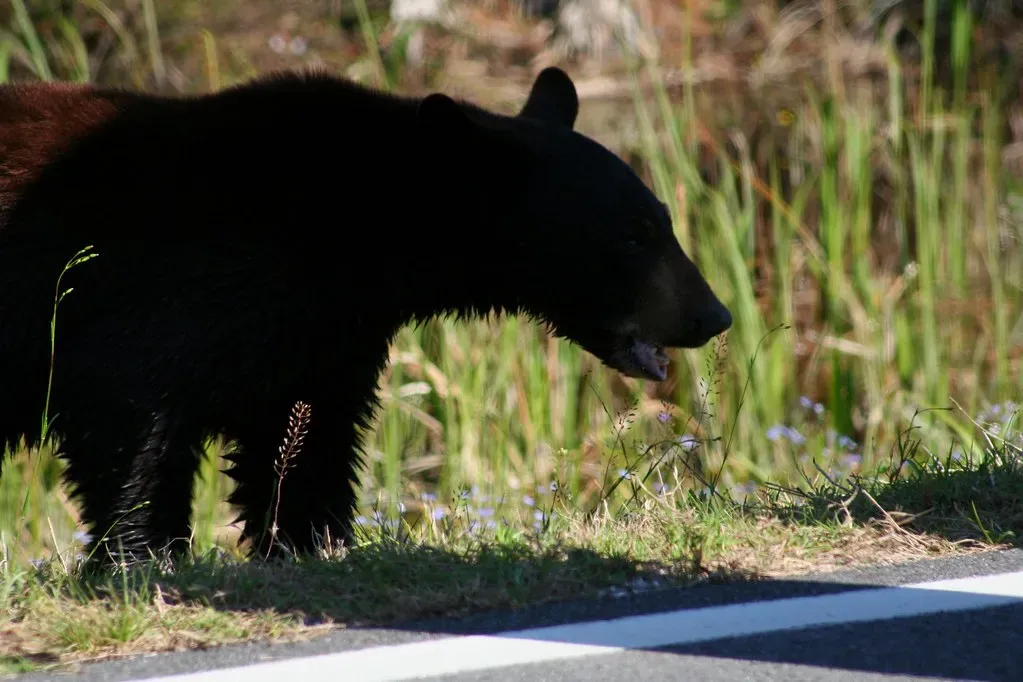
The Florida black bear’s journey is one of the most compelling wildlife comebacks in American conservation history. From fewer than 300 animals clinging to survival in the 1970s to a statewide population of more than 4,000 today, the numbers tell a story of what sustained protection, dedicated land conservation, and scientific commitment can achieve. It is genuinely inspiring.
Yet the story is far from over, and in some ways it has entered its most complex chapter yet. Bears are moving into neighborhoods. Roads are claiming hundreds of lives every year. Some subpopulations are thriving while others are quietly declining. The tension between wildlife success and human expansion is real, and it is not going away anytime soon.
The Florida black bear did not recover by accident. It recovered because people chose to protect it, sacrificed certain short-term conveniences, and trusted the science. Now, the next generation of decisions will determine whether that legacy holds. What would you choose to do if the bears came to your backyard? Tell us in the comments.

- Why Wolves Were Reintroduced to Yellowstone - July 15, 2026
- The Resurgence of America’s Wild Horses: A Symbol of Freedom and Hope - July 15, 2026
- 10 Cat Breeds That Tolerate Dogs Surprisingly Well - July 15, 2026