

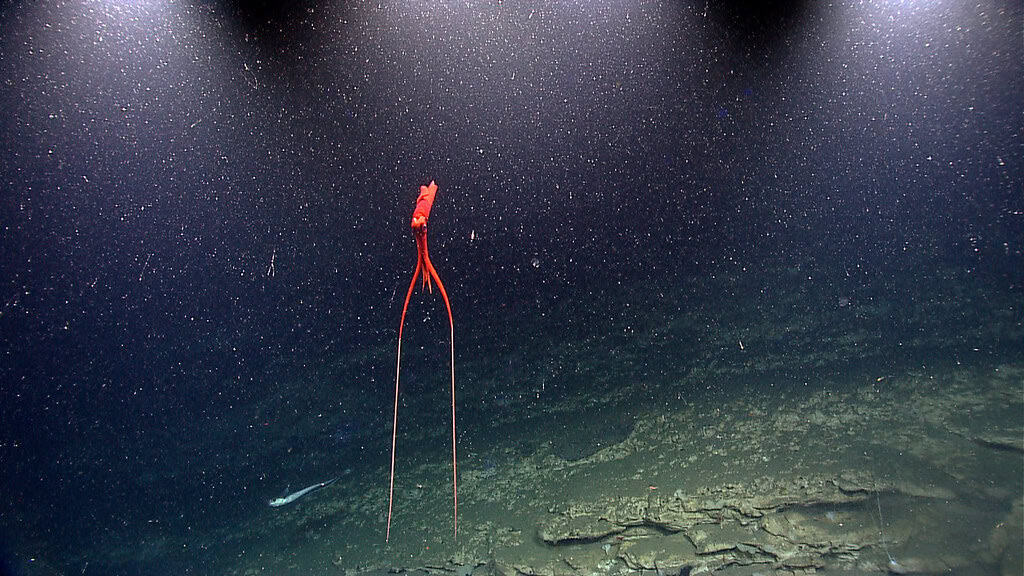
Deep beneath the ocean’s surface, a remarkable visual phenomenon unfolds as certain squid species engage in what scientists have termed “color battles.” These dynamic displays represent one of nature’s most sophisticated communication systems, as squid rapidly change their skin coloration and patterns to convey complex messages. Unlike the verbal communication of humans or the body language of mammals, squid rely on an intricate blend of pigment cells, reflective tissues, and neural control to engage in these chromatic confrontations. These color battles serve multiple purposes in squid society, from establishing dominance hierarchies to coordinating group movements and courtship rituals.
The underlying mechanism of these color changes involves specialized cells called chromatophores, iridophores, and leucophores, which work in concert to produce an astonishing range of colors and patterns. Chromatophores are elastic sacs filled with pigment that can expand or contract under neural control, while iridophores reflect and scatter light to create iridescent blues and greens. Leucophores, meanwhile, reflect ambient light to produce white coloration. Together, these cellular structures enable squid to produce rapid color changes with precision and complexity that far exceeds the capabilities of chameleons or other color-changing animals.
The Evolutionary Advantage of Color-Changing Abilities

The remarkable ability of squid to engage in color battles didn’t emerge overnight but evolved over millions of years as a response to specific environmental pressures. From an evolutionary perspective, this sophisticated communication system provides squid with significant advantages in their underwater world. The capacity for rapid color change first developed primarily as a camouflage mechanism, allowing squid to blend seamlessly with their surroundings and evade predators. However, this adaptation was gradually co-opted for social communication, demonstrating a classic case of evolutionary exaptation – where a trait evolved for one purpose is repurposed for another.
Research suggests that the evolutionary refinement of chromatophores for social signaling occurred as squid developed increasingly complex social structures. Species that engage in the most elaborate color battles tend to have more sophisticated social hierarchies and group behaviors. The selective pressure for clear, rapid communication in three-dimensional underwater environments where sound and scent dissipate quickly made visual signaling particularly advantageous. This evolutionary investment in chromatic communication has paid dividends for squid species, enabling complex social interactions without the need for physical contact that might attract predators or waste valuable energy.
The Humboldt Squid’s Aggressive Color Displays
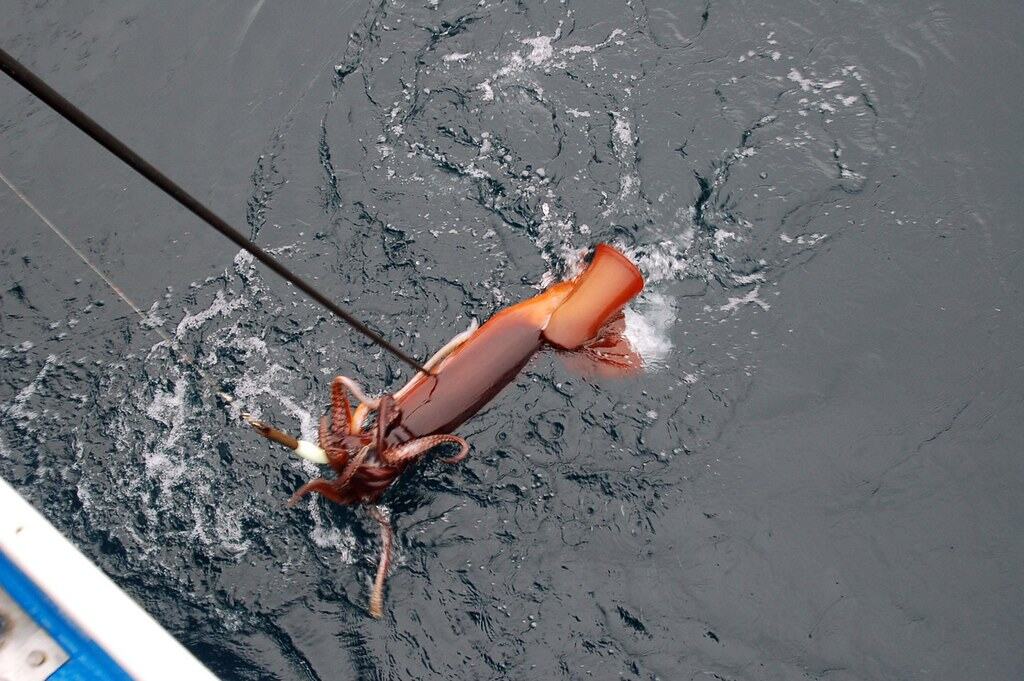
Among the most dramatic performers in these chromatic confrontations are Humboldt squid (Dosidicus gigas), also known as “red devils” due to their fierce temperament and striking color transitions. These large predatory squid, which can grow to over six feet in length, engage in some of the most aggressive color battles observed in the cephalopod world. During confrontations, Humboldt squid rapidly flash between deep crimson and ghostly white, creating a pulsating display that researchers believe serves to confuse competitors, coordinate hunting activities, and establish dominance within their shoals.
Field studies conducted in the Gulf of California, where Humboldt squid are abundant, have documented these displays occurring most frequently during feeding frenzies. When multiple squid converge on a food source, their bodies become canvases for rapid color transformations that appear to communicate territorial claims and hunting intentions. Researchers using specialized cameras capable of capturing these rapid changes have noted that individual squid can produce up to 20 distinct pattern changes per second during particularly intense encounters. This visual language allows them to establish feeding hierarchies without resorting to physical confrontations that might result in injury or energy expenditure.
Courtship Color Battles: Romance Through Pigmentation
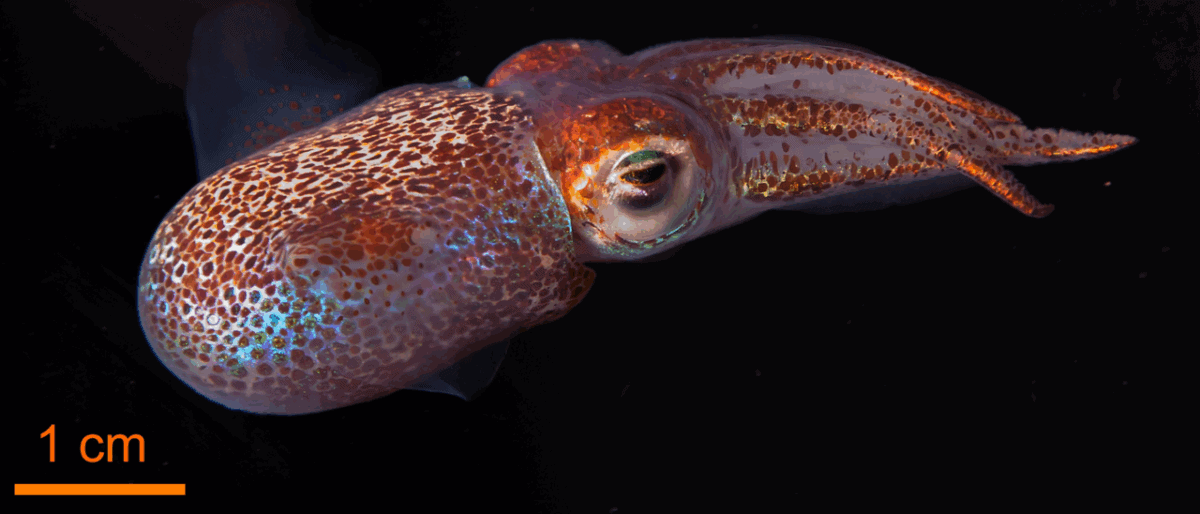
Color battles reach their peak of sophistication and beauty during mating season for many squid species. The Caribbean reef squid (Sepioteuthis sepioidea) exemplifies how these chromatic displays have evolved into elaborate courtship rituals. Male squid competing for females engage in dazzling color battles, displaying a repertoire of patterns that demonstrate genetic fitness and dominance. These displays often involve one side of the squid’s body showing aggressive patterns toward rival males while simultaneously displaying courtship patterns on the side facing potential mates – a remarkable feat of neural control that allows for two different messages to be communicated simultaneously.
The sexual selection component of these color battles has driven the evolution of increasingly complex displays. Females demonstrate clear preferences for males capable of producing the most elaborate and energetically costly color displays, suggesting these traits serve as honest signals of genetic quality. Research conducted by the Marine Biological Laboratory in Woods Hole, Massachusetts has documented how female squid respond more positively to males capable of maintaining vibrant, rapidly changing patterns for extended periods. This preference has created an evolutionary arms race among males to develop more impressive chromatic capabilities, resulting in the spectacular displays observed today.
The Neurological Control Behind Color Warfare
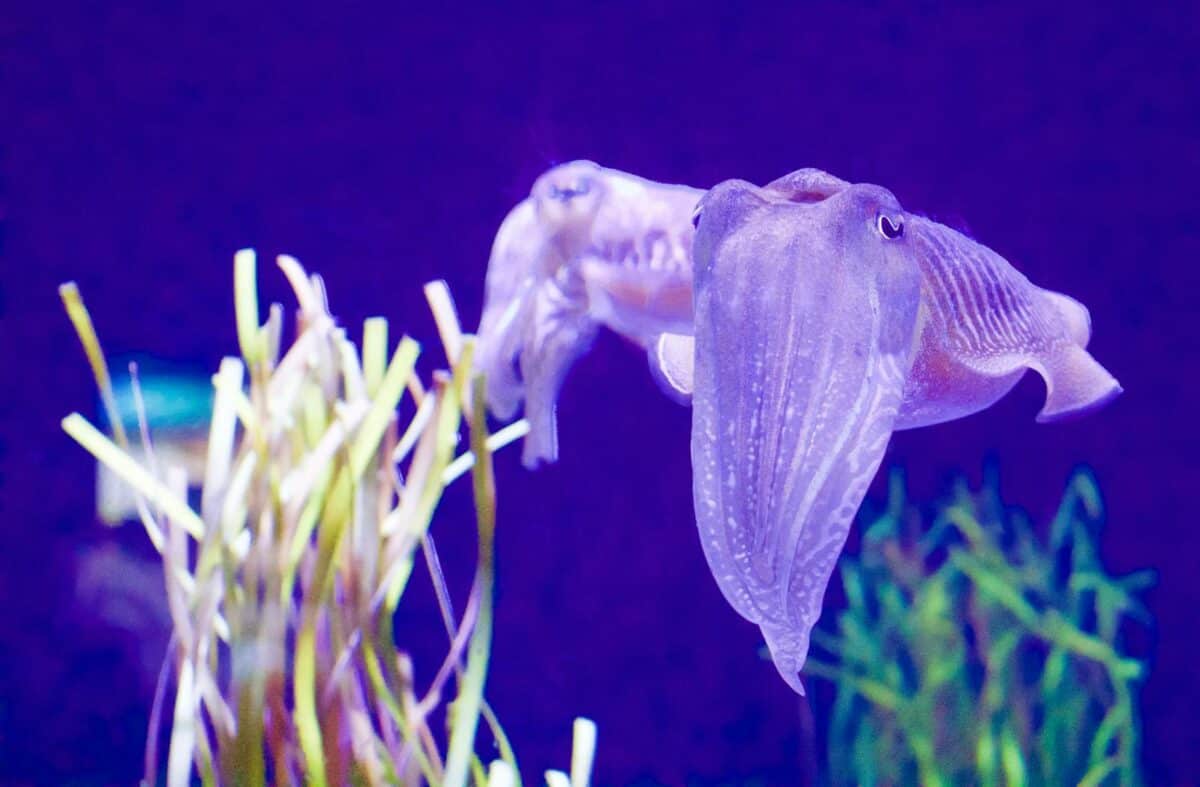
The neural architecture that enables squid to engage in color battles represents one of nature’s most remarkable control systems. Unlike vertebrates, whose color changes typically occur over minutes or hours through hormonal mechanisms, squid can transform their appearance in milliseconds because their chromatophores are under direct neural control. Each chromatophore is surrounded by radial muscles connected to motor neurons, allowing for precise and immediate expansion or contraction of pigment cells. This system essentially turns the squid’s skin into a high-resolution display screen controlled by a specialized portion of the brain dedicated to managing these visual signals.
The computational demands of coordinating thousands of chromatophores in real-time are enormous, requiring dedicated neural pathways and sophisticated processing. Neuroscientists studying the lobe of the squid brain responsible for chromatophore control have discovered neural maps that correspond directly to the pattern of skin cells, similar to how our motor cortex maps to our muscles. This direct mapping allows squid to produce complex patterns without conscious thought, similar to how humans speak without consciously controlling individual vocal muscles. The speed of this system is particularly remarkable – electrical signals can travel from the squid’s brain to its furthest chromatophores in less than 150 milliseconds, allowing for the near-instantaneous pattern changes observed during intense color battles.
Decoding the Visual Language of Squid Confrontations

Scientists have made significant progress in deciphering the visual vocabulary that comprises squid color battles. Through careful observation and experimental manipulation, researchers have identified specific patterns that consistently correspond to particular messages or emotional states. For example, the “dark arms” display, where the squid darkens its tentacles while keeping its mantle pale, appears to signal aggressive intent across multiple species. Meanwhile, the “blanching” pattern, where a squid rapidly turns white, often indicates submission or retreat. Other patterns communicate more nuanced messages, from mating readiness to alarm signals warning of nearby predators.
The visual language of squid appears to follow grammatical rules and syntax similar to human languages, though with important differences reflecting their unique sensory world. Research led by Dr. Roger Hanlon at the Marine Biological Laboratory has documented approximately 30 distinct “words” in the Caribbean reef squid’s visual vocabulary, with combinations creating more complex “sentences.” The positioning of patterns on different body parts can modify meaning, similar to how tone changes meaning in human speech. This sophisticated communication system allows for remarkably detailed information exchange during color battles, enabling squid to resolve conflicts, coordinate group actions, and engage in complex social behaviors without the need for physical contact.
Environmental Factors Influencing Color Battle Intensity
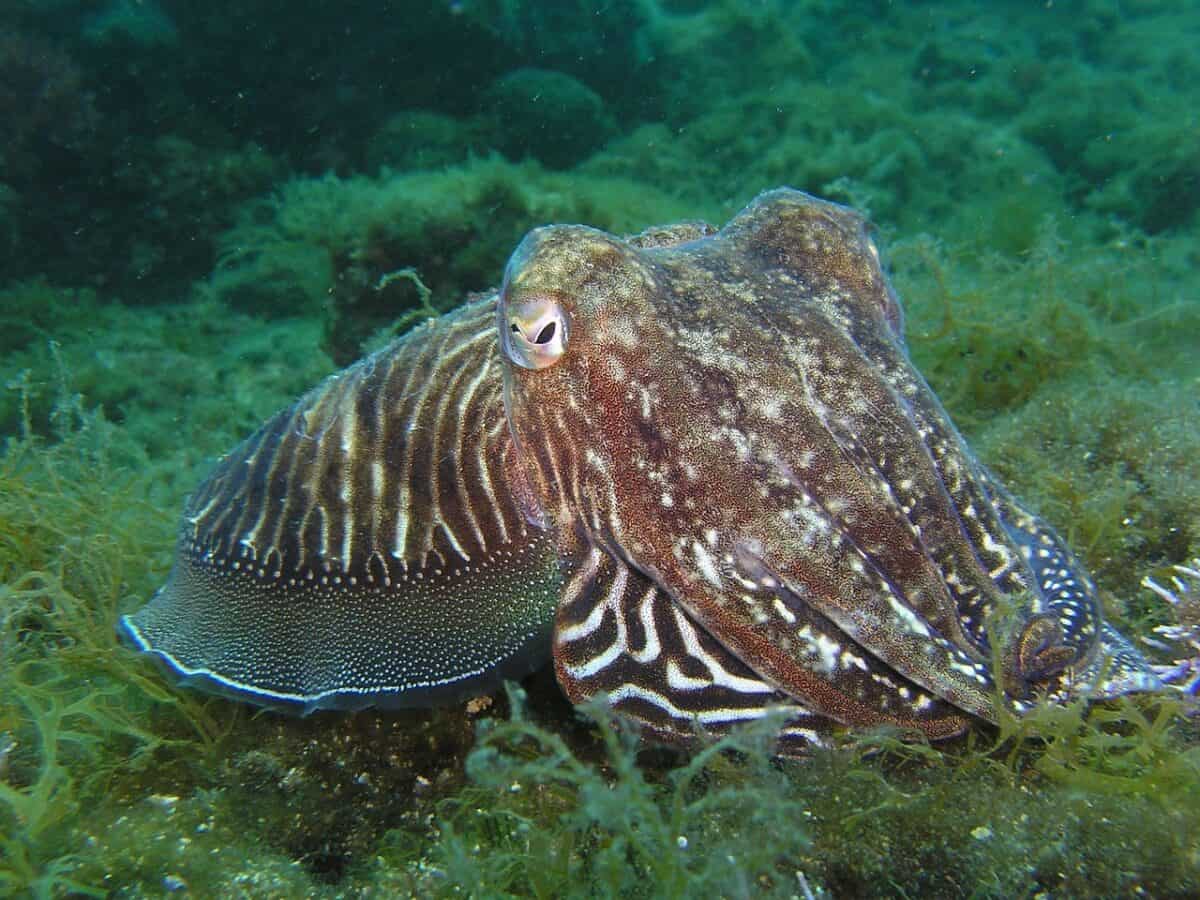
The frequency and intensity of squid color battles vary significantly based on environmental conditions, demonstrating how these chromatic confrontations are influenced by external factors. Water clarity plays a crucial role, with more elaborate displays occurring in clearer waters where visual signals can be perceived at greater distances. Research conducted in varying water conditions has shown that squid in turbid environments rely less on subtle pattern changes and more on high-contrast, bold displays that can cut through murky water. Conversely, in crystal-clear tropical waters, squid engage in more sophisticated color battles with finer gradations of patterns.
Light availability also dramatically affects these displays, with color battles reaching peak complexity during twilight hours when there’s sufficient light for visual communication but reduced risk from visual predators. Studies using underwater light meters correlated with behavioral observations have documented that the most intense color battles occur within a specific light intensity range – bright enough for colors to be perceived but dim enough to provide some protection from predators. Seasonal factors also influence these displays, with breeding seasons triggering particularly elaborate color battles as competition for mates intensifies. This environmental sensitivity demonstrates the remarkable plasticity of squid communication systems, adapted to maximize effectiveness while minimizing risk across varying conditions.
The Role of Color Battles in Group Coordination

Beyond individual confrontations, color battles serve a crucial function in coordinating group behaviors among social squid species. The longfin inshore squid (Doryteuthis pealeii) provides a compelling example of how these chromatic displays facilitate collective action. When hunting in groups, these squid use synchronized color changes to coordinate movements and hunting strategies. A ripple of color changes can spread through a group of dozens or even hundreds of individuals in less than a second, allowing for rapid consensus-building and synchronized movements without the need for a designated leader.
This visual synchronization enables squid schools to function with remarkable coordination despite lacking the rigid hierarchical structure seen in many vertebrate groups. Research using high-speed cameras to track color changes across multiple individuals has revealed that information cascades through squid groups following network patterns similar to those seen in human social media. Initial signals from a few “influential” individuals can trigger widespread pattern adoption throughout the group. This decentralized decision-making system allows squid schools to respond rapidly to threats or opportunities, with color battles serving not just as individual competitions but as dynamic conversations that enable group intelligence to emerge from individual interactions.
Comparing Color Battles Across Different Squid Species

While color battles are widespread among squid species, the specific patterns, intensity, and contexts vary significantly across different taxa, reflecting their unique ecological niches and social structures. The market squid (Doryteuthis opalescens) of the Pacific coast engages in relatively simple color battles focused primarily on mating competitions, with males displaying zebra-like striping patterns to intimidate rivals. In contrast, the reef squid species of coral reef environments have evolved far more complex chromatic vocabularies, with dozens of distinct patterns that can be combined and recombined to create nuanced messages appropriate for their information-rich coral reef habitats.
Deep-sea squid species represent another fascinating variation, having evolved bioluminescent displays rather than reflected-light coloration. Species like the firefly squid (Watasenia scintillans) engage in color battles using self-generated light rather than reflected pigmentation, creating spectacular blue light displays during mating seasons. The giant squid (Architeuthis dux), despite its massive size, appears to have less sophisticated color changing abilities, likely reflecting its solitary lifestyle and deep-water habitat where visual communication is less advantageous. These variations across species demonstrate how color battle complexity correlates strongly with social complexity and habitat characteristics, with the most elaborate displays occurring in species that form complex social groups in visually rich environments.
Technological Applications Inspired by Squid Color Battles
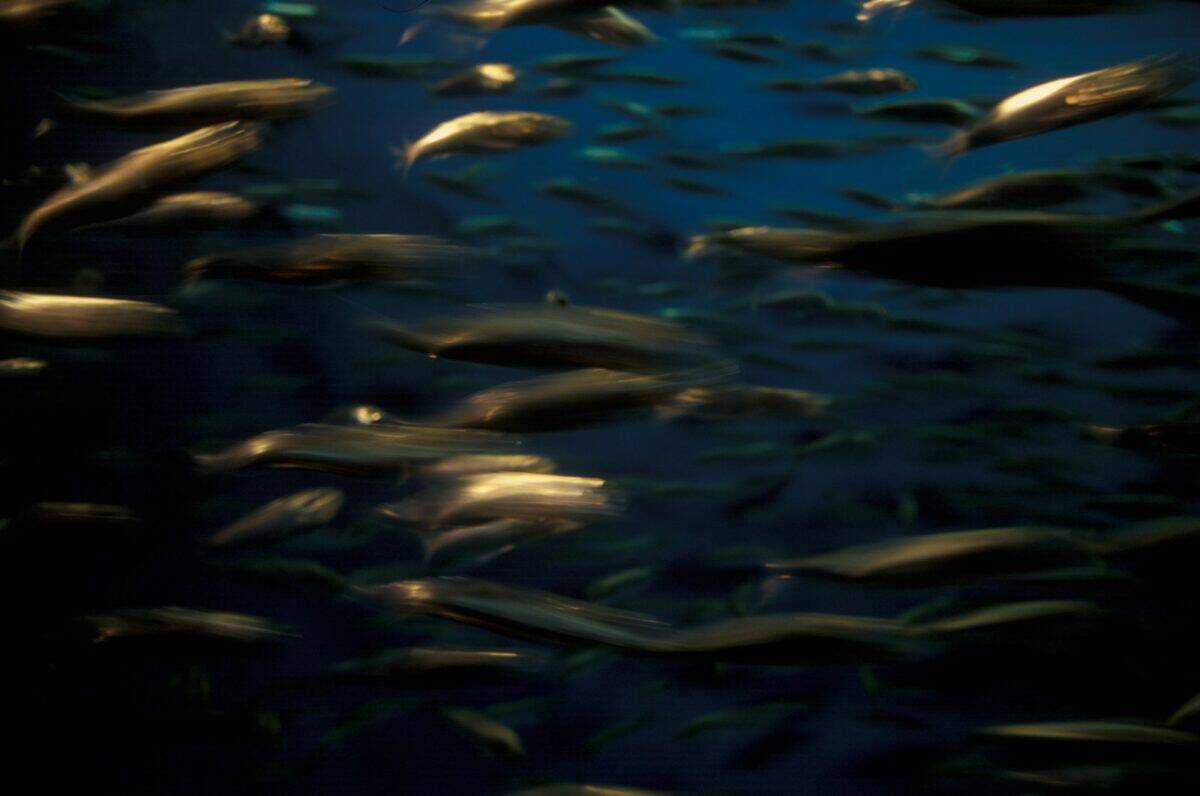
The remarkable mechanisms behind squid color battles have inspired significant technological innovations across multiple fields. Materials scientists studying the protein structures that enable rapid color changes in squid skin have developed new types of adaptive camouflage materials with potential military and civilian applications. These biomimetic technologies aim to replicate the squid’s ability to instantly match surrounding environments through materials that can change color and pattern in response to electrical signals or environmental stimuli. Early prototypes have demonstrated capabilities for dynamic camouflage that could revolutionize military equipment, adaptive architecture, and even fashion.
Beyond camouflage, the neural control systems that allow squid to coordinate thousands of chromatophores have informed advances in distributed control systems for robotics and artificial intelligence. The decentralized yet coordinated nature of chromatophore control provides a biological model for how complex patterns can emerge from relatively simple components acting in concert. Display technologies have also benefited from studying squid color mechanisms, with several research teams developing screens inspired by chromatophores that consume minimal power while providing vibrant color displays visible even in bright sunlight. These technological applications demonstrate how understanding the biological basis of squid color battles can translate into practical innovations that address human challenges.
Conservation Implications for Color-Battling Squid

As oceanic environments face increasing threats from human activities, the future of squid color battles faces uncertain prospects. Ocean acidification presents a particular concern for these visual displays, as changes in water chemistry can affect the development and functionality of chromatophores. Laboratory studies exposing developing squid to acidified water conditions projected for the end of this century have documented reduced chromatophore density and functionality, potentially impairing their ability to engage in complex color battles. Light pollution in coastal areas represents another threat, potentially disrupting the delicate balance of predation risk that has shaped when and how squid engage in these conspicuous visual displays.
Warming ocean temperatures may also alter the geographic distribution of squid species, potentially creating new competitive dynamics as species ranges shift and overlap in novel ways. Some researchers hypothesize that warming waters may actually increase the metabolic rate and neural processing speed in some squid species, potentially leading to even more rapid and complex color battles in the short term, though with potential long-term costs to energy budgets. Conservation efforts specifically targeting the preservation of these remarkable visual behaviors remain limited, highlighting the need for greater appreciation of behavioral diversity in marine conservation planning. Protecting the future of squid color battles will require addressing not just the survival of these species but the environmental conditions that allow their full behavioral repertoire to flourish.
The Continuing Mystery of Squid Color Communication

Despite significant advances in understanding squid color battles, much remains unknown about these remarkable displays. The study of cephalopod communication represents one of biology’s most fascinating frontiers, with new discoveries regularly challenging our understanding of animal cognition and communication. Recent research using artificial intelligence to analyze thousands of hours of squid interactions has begun identifying patterns and correlations previously invisible to human observers, suggesting these color battles may contain even more information than previously recognized. Scientists are increasingly viewing squid as possessing a form of visual language with sophisticated properties that may approach the complexity, if not the abstraction, of human communication systems.
The color battles of squid remind us of how much remains to be discovered in the ocean’s depths and how different forms of intelligence can evolve along separate evolutionary pathways. These chromatic confrontations represent not just beautiful natural displays but windows into alternative forms of communication and cognition that evolved independently from our own. As research techniques advance, particularly through the development of underwater observatories capable of long-term monitoring and machine learning approaches to pattern recognition, our understanding of squid color battles will undoubtedly deepen. What remains certain is that beneath the ocean’s surface, a rich visual language plays out daily in flashes of color and pattern, representing one of nature’s most sophisticated communication systems still awaiting full translation by human observers.

From exploring the marine wonders in the Azores and witnessing the vast savannas of Kenya, to delving deep into the rich biodiversity of South Africa and traversing iconic landscapes in Australia and the US like Yellowstone, Chris's experiences are vast.
With a penchant for diving alongside sharks, the ocean holds a special place in his heart.
Through his academic insights, he champions wildlife conservation, striving with 'Animals Around The Globe' to cultivate a profound connection between humans and animals, enhancing our mutual appreciation.
Connect with him at Feedback@animalsaroundtheglobe.com.
- How Tigers Mark Their Territory Using Scent and Scratches - July 29, 2026
- The Deadly Volcano That Erased a Town Is Now Active Again - July 29, 2026
- 12 Deep Sea Animals With Terrifying Adaptations - July 29, 2026