

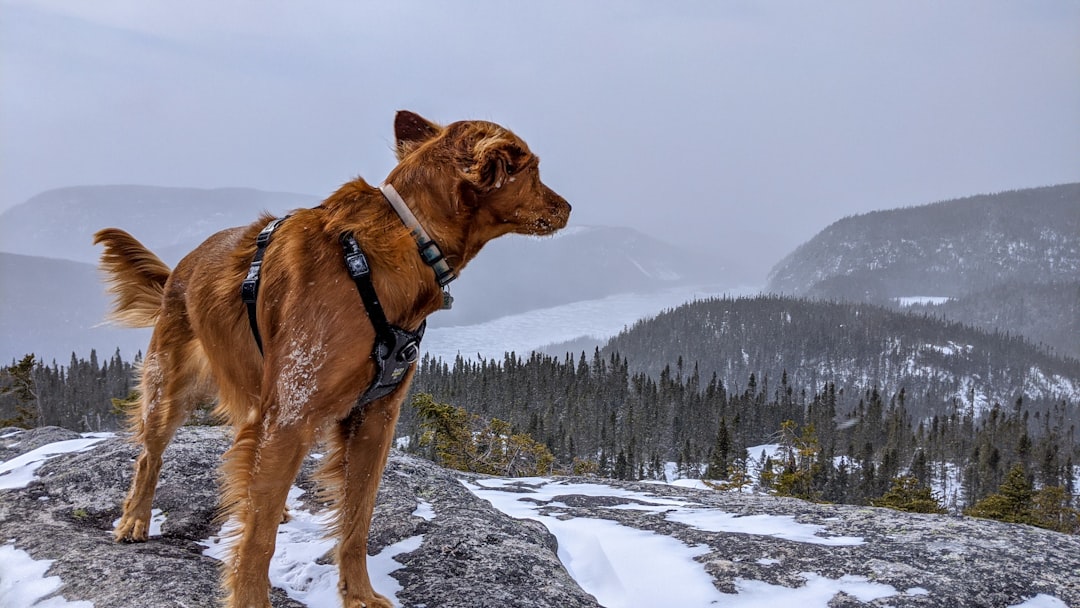

Why Winter Conditions Challenge Even the Hardiest Dogs (Image Credits: Unsplash)
As winter approaches, many dog owners plan escapes to snowy hillsides, where crisp air and fresh powder promise adventure for both pet and person.
Why Winter Conditions Challenge Even the Hardiest Dogs
Even breeds built for the cold, like the Alaskan Malamute or Siberian Husky, face hurdles in unfamiliar snowy environments. These dogs evolved in harsh Arctic settings, yet sudden exposure to deep snow or icy winds can overwhelm them without proper preparation. Owners often overlook how low temperatures sap energy faster than in milder weather, leading to fatigue or reluctance to move.
Experts from organizations like the American Kennel Club emphasize that consistent training builds confidence and prevents mishaps. Dogs unaccustomed to slipping on ice or trudging through drifts may hesitate or panic, turning a fun outing into a stressful ordeal. Starting preparation early ensures smoother transitions to winter trails.
Assessing and Building Cold Weather Tolerance
Not all dogs handle frost equally; small breeds or those with thin coats shiver sooner than their fluffy counterparts. Begin by observing your dog’s reactions during short, cool outings to gauge limits – some thrive below freezing, while others need extra layers. Gradually increase exposure time to mimic hill trips, watching for signs like paw lifting or excessive panting.
Conditioning involves slow acclimation. Introduce booties or coats in controlled settings at home, rewarding calm behavior with treats to associate gear with positivity. Over weeks, this prevents resistance on the trail. Health checks from a vet confirm no underlying issues, such as arthritis, that cold might exacerbate.
Mastering Terrain Training for Snowy Slopes
Navigating uneven, snow-covered paths demands balance and strength that urban walks rarely build. Start with basic obedience in a yard dusted with light snow, practicing commands like “sit” or “stay” amid distractions from falling flakes. Progress to leashed hikes on gentle inclines, where your dog learns to trust footing on variable surfaces.
Incorporate play to keep sessions engaging. Toss a ball across a shallow drift to encourage confident strides, or use agility obstacles adapted for winter, like low hurdles in powder. This not only strengthens muscles but also sharpens focus amid the whiteout. Limit initial sessions to 15-20 minutes to avoid overexertion, extending as endurance grows.
Safety Gear and Habits for Chilly Expeditions
Protective items make all the difference in extreme cold. Paw wax guards against ice buildup, while insulated booties preserve heat lost through pads – essential for dogs not naturally padded for subzero temps. Reflective collars enhance visibility during shorter daylight hours, reducing risks on remote trails.
Develop routines like pre-hike warm-ups and post-walk paw inspections to catch cracks or frostbite early. Hydration remains key; snow isn’t a safe water source due to freezing risks. Pack high-energy treats to maintain morale and warmth.
Here are seven practical tips for winter readiness:
- Consult breed-specific guides from sources like the AKC to understand innate cold resistance.
- Practice leash manners on slick surfaces to prevent slips and pulls.
- Use positive reinforcement for gear tolerance, starting with short wear times.
- Monitor weather apps for sudden drops that could strand you.
- Incorporate mental stimulation, like scent games in snow, to combat boredom.
- Train recall commands in open, snowy areas for safety.
- Schedule vet visits for deworming and vaccinations before trips.
Key Takeaways
- Early, gradual training turns winter challenges into joyful bonds between you and your dog.
- Prioritize breed suitability and health to ensure safe, enjoyable adventures.
- Consistent preparation prevents common pitfalls like paw injuries or exhaustion.
With thoughtful training, winter hikes become memorable escapades that strengthen your dog’s resilience and your shared connection. What winter activities do you plan with your pup? Share in the comments below.

- Urban Coyotes Show Remarkable Adaptability, Learning to Thrive in City Environments - July 22, 2026
- Beavers Are Nature’s Engineers, Creating Vital Habitats for Other Wildlife Species - July 21, 2026
- The Recovery of the California Condor Offers Hope for Other Critically Endangered Birds - July 21, 2026