


Nature enthusiasts exploring a quiet marsh in Manatee County, Florida, were stunned when they spotted a brilliant gold apple snail—gleaming like a coin among the typical olive-green shells scattered through the reeds.
“It literally glowed in the sunlight,” said local naturalist Carlos Vega. “I’ve seen thousands of snails out here, but never one like this.”
They affectionately nicknamed it “Lucky” and carefully placed it in a clear container for photos before releasing it back where they found it.
Word of the sighting quickly spread through local nature groups and social media, with many residents asking: Is it rare? Is it natural? And what does it mean?
What Makes It Shine—Literally
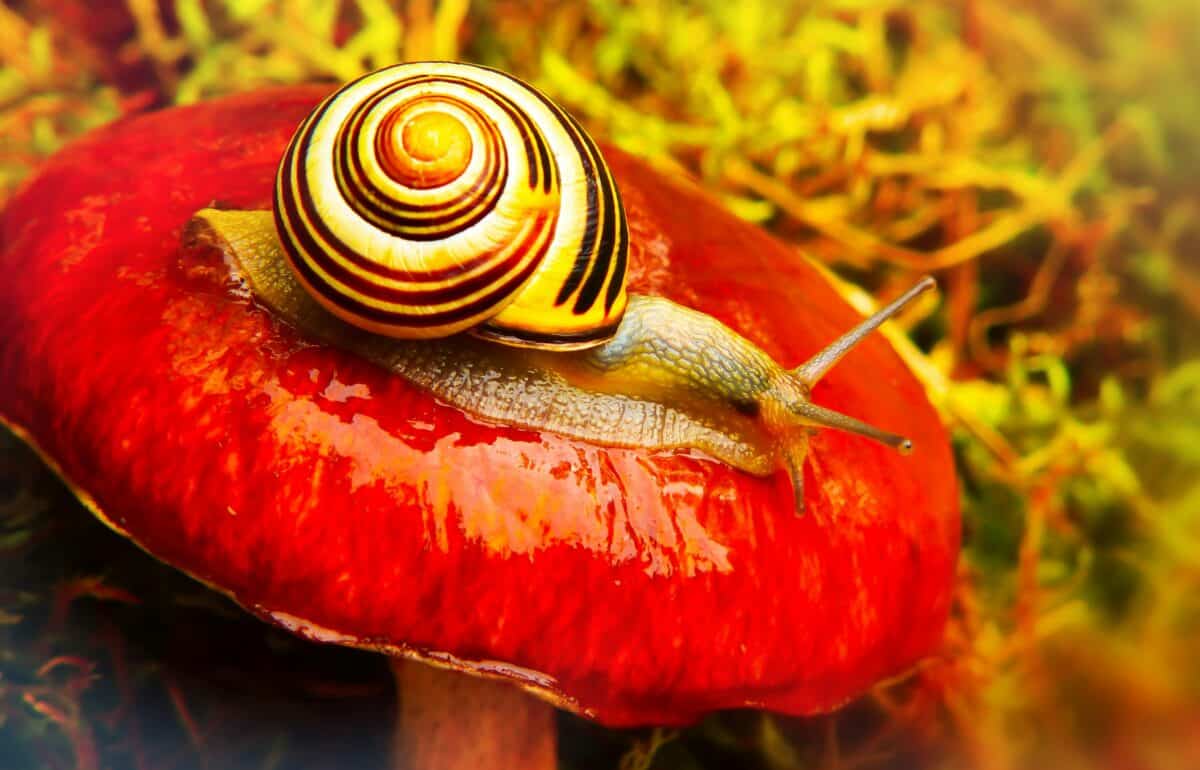
Unlike unusual animal colorations caused by genetic conditions like albinism or leucism, this snail’s shimmering gold appearance may be due to a unique combination of minerals in the water, dietary changes, or even environmental stress. The shell lacks the typical brown pigment that camouflages most apple snails, resulting in a nearly metallic sheen.
Golden apple snails (a type of Pomacea) are not a separate species but are part of an invasive group originally introduced to Florida through the aquarium trade. Most wild specimens have duller colors, and a snail this bright is exceptionally uncommon.
Biologists suggest such pigmentation might occur in only 1 in 10,000 wild snails—if not rarer—especially among populations living in the wild without human interference.
Why a Golden Snail is Worth Noting
A rare find like “Lucky” isn’t just a pretty shell. It offers insight into how wildlife adapts and behaves, especially within invasive species. Here’s why this snail is more than just eye candy:
- Ecological curiosity: Apple snails are invasive in Florida and are usually a cause for concern, but the golden variant may provide clues about genetic drift and adaptation in isolated wetland pockets.
- A chance to educate: The sighting got locals asking questions about biodiversity, wetland health, and how invasive species take hold. “We used this as a teachable moment,” said Vega.
- Citizen science win: The sighting was submitted to Florida’s Fish & Wildlife Conservation Commission, where researchers may use it as part of broader population tracking efforts.
What You Can Do
You don’t have to be a biologist to contribute to discoveries like this one. With a little curiosity and care, anyone can help monitor and protect local ecosystems.
- Observe, don’t collect: Admiring wildlife without interference ensures animals and their habitats remain undisturbed.
- Take a good photo: Clear pictures, along with notes on time and location, help experts confirm and study sightings.
- Report the unusual: Share findings with local wildlife agencies or on platforms like iNaturalist, where your observation becomes part of a global research effort.
Whether it’s a golden snail or a pink katydid, everyday people are playing a growing role in monitoring nature’s rarities.
Nature’s Little Treasure
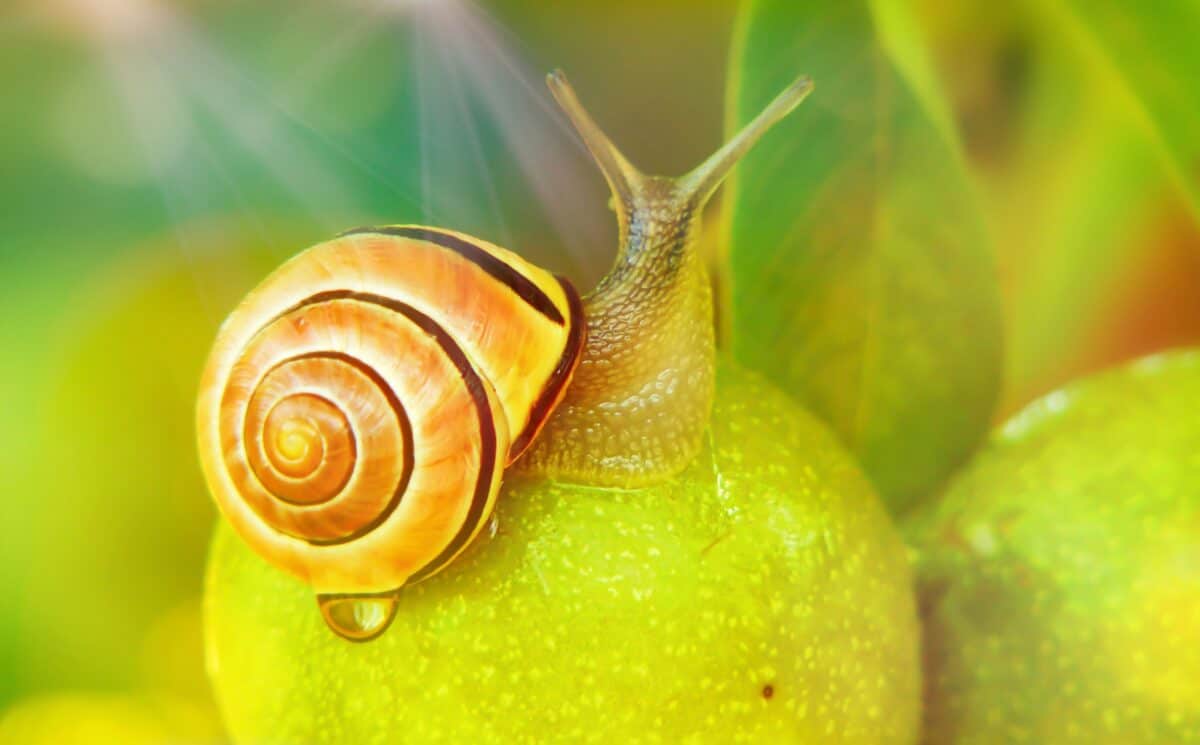
In a marsh full of common snails, “Lucky” stands out as a gleaming reminder that rare beauty can turn up in the most familiar places. With sharp eyes and a little patience, anyone can witness something extraordinary.
So next time you’re near a pond or wetland, slow down and look closely—nature doesn’t always announce its treasures. Sometimes, they’re just quietly shining under a blade of grass.

- Texas Ranchers Injured and Horses Killed in Aggressive Bee Attack - July 19, 2026
- Cougar Attack on Cyclists Shakes Washington Wilderness - July 19, 2026
- Snake Found in Arizona Toilet Shocks Homeowner - July 19, 2026