


Pangolins — the scaly, shy mammals often compared to walking pinecones — have finally gained full recognition under U.S. endangered species law. In a move hailed by conservationists, the U.S. Fish and Wildlife Service proposed listing all eight species of pangolins under the Endangered Species Act (ESA), offering them the highest level of protection.
Though pangolins don’t live in North America, the United States has played a role in the global black market for pangolin leather and scales. By ending the legal loopholes that allowed pangolin products into the country, this action could strike a major blow to international traffickers.
“This may be the most important step we’ve taken to cut off demand from a major consumer nation,” said one wildlife enforcement official. “It sends a clear message that the U.S. won’t be a safe harbor for trafficked species.”
What Is a Pangolin, and Why Are They Targeted?
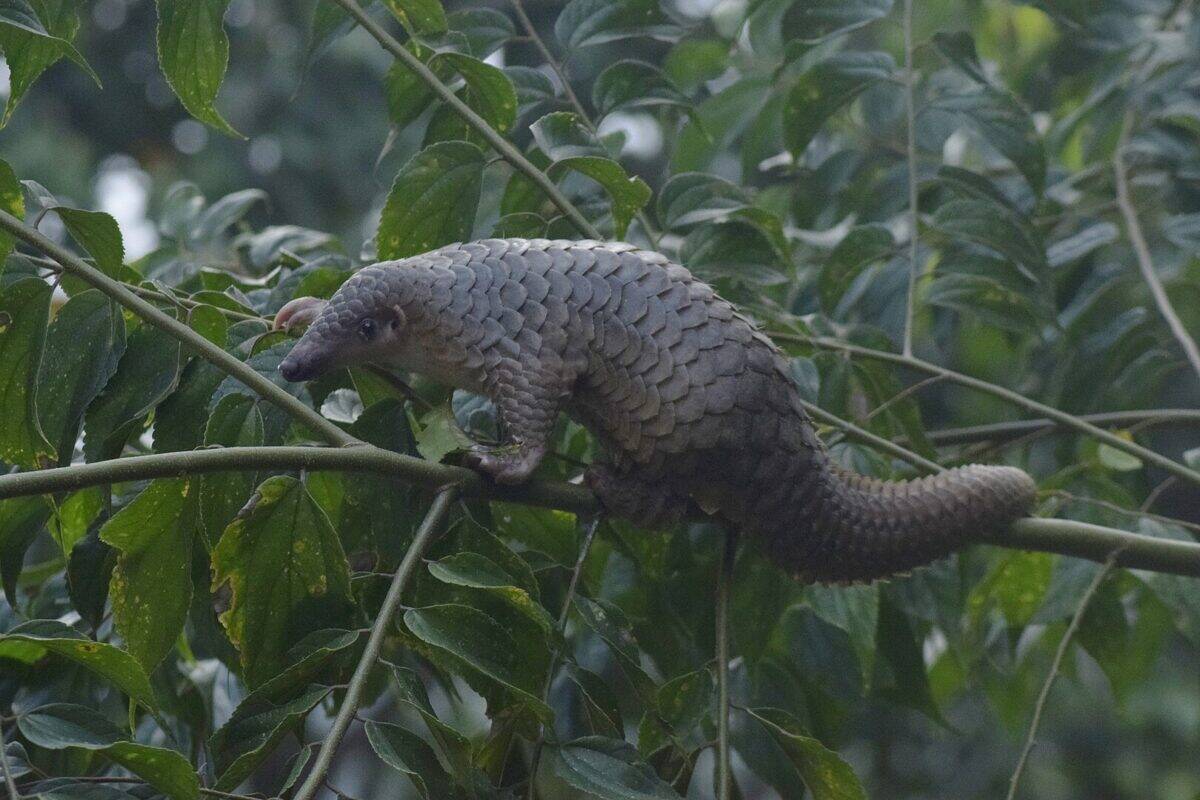
Pangolins are insectivorous mammals covered in protective keratin scales — the same material found in human fingernails. They use their long, sticky tongues to consume tens of thousands of ants and termites per day. Despite their odd appearance and shy behavior, pangolins are incredibly important to the ecosystems they live in. They are best at controlling pest populations in forests and savannas.
But their unique features have made them the target of massive exploitation. Pangolin scales are erroneously believed to have medicinal value in some countries, while their meat and leather are considered luxury goods.
Between 2014 and 2021, over 8.5 million pangolins were intercepted in the illegal wildlife trade, most of them sourced from West and Central Africa.
Their numbers are plummeting across both Asia and Africa. Four Asian species are now critically endangered, while African species — once thought to be safer — are now catching the brunt of the illegal trade.
What Will the New U.S. Listing Actually Do?

The proposed rule under the Endangered Species Act will:
- Ban all imports, exports, and interstate trade of pangolins and their body parts
- Allow stricter prosecution of individuals or companies involved in trafficking
- Increase cooperation between U.S. agencies and international enforcement groups
- Raise public awareness and educate consumers about illegal wildlife products
This move adds seven pangolin species to the ESA, in addition to the Temminck’s ground pangolin, which has been protected since the 1970s. The expanded listing covers the Chinese, Sunda, Indian, Philippine, white-bellied, black-bellied, and giant pangolin species.
While the U.S. isn’t the main consumer market, it is a transit and distribution point for trafficked wildlife. Closing the American door matters globally.
Public Support and Global Impact
Public input is being accepted until mid-August. After that, the listing will likely move forward unless significant objections arise. Conservation groups are urging citizens to submit comments supporting the rule to help it become permanent.
Experts believe this policy could:
- Pressure other countries to strengthen enforcement
- Reduce demand by cutting off legal loopholes
- Bolster international agreements like CITES (Convention on International Trade in Endangered Species)
Environmental attorney Nicholas Arrivo noted, “Protecting pangolins isn’t just about saving one animal — it’s about confronting the global trafficking economy that threatens countless species.”
Why Pangolin Matters Now
Pangolins have survived for millions of years — yet in just a few decades, human greed has pushed them to the brink of extinction. With poaching still rampant and enforcement lagging in some regions, major action is overdue.
This U.S. decision could help slow the clock. It won’t reverse the crisis overnight, but by choking off a key pipeline for trafficked goods, it gives pangolins a fighting chance.

- Texas Ranchers Injured and Horses Killed in Aggressive Bee Attack - July 19, 2026
- Cougar Attack on Cyclists Shakes Washington Wilderness - July 19, 2026
- Snake Found in Arizona Toilet Shocks Homeowner - July 19, 2026