


In a small town outside Macon, Georgia, a routine landscaping job took a terrifying turn when a swarm of yellowjackets attacked a local worker. The man was mowing a residential lawn when he unknowingly rolled over a hidden underground nest. Within seconds, he was covered head to toe in aggressive stingers.
Yellowjackets are not the kind of insects to forgive and forget. These wasps are known for their extreme territorial behavior, and unlike bees, they can sting multiple times. For this unlucky landscaper, that meant about 50 to 60 stings in under two minutes.
Underground Nest, Over-the-Top Defense
What made the attack worse was the location of the nest—completely hidden beneath the lawn. Yellowjackets (a type of predatory wasp) often build their nests in small rodent burrows, making them invisible until it’s too late.
Once disturbed, the entire colony reacts. The landscaper tried to outrun the swarm, ditching his mower mid-yard and diving into a neighbor’s kiddie pool just to escape the fury. It might sound comical now, but at the time, he was in serious danger.
Why Yellowjackets Are So Dangerous
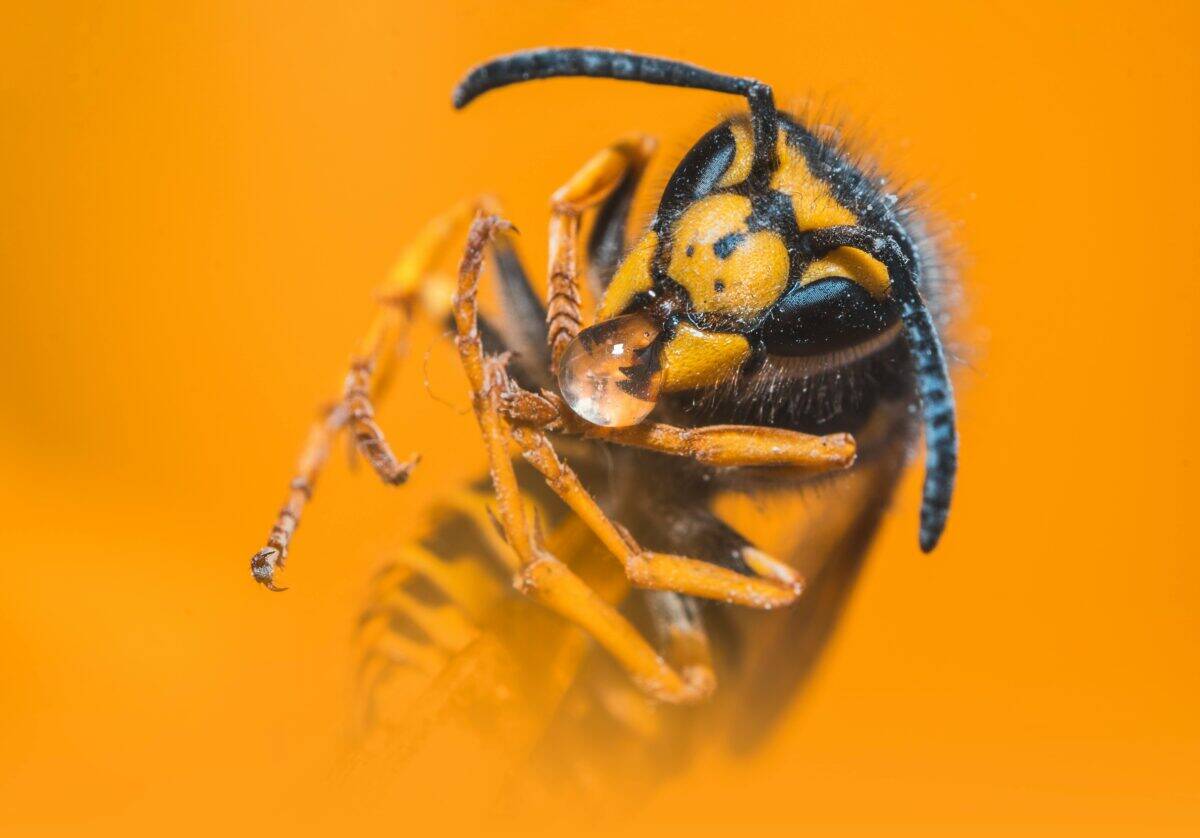
Yellowjackets are part of the wasp family, and unlike bees, they don’t lose their stinger when they attack. That means they can sting repeatedly, injecting venom with each hit. The venom contains compounds that cause pain, swelling, and in some people, serious allergic reactions.
The landscaper didn’t have a known allergy, but he still ended up at urgent care with muscle aches, nausea, and hives—common symptoms of mass envenomation (that’s the scientific term for a high number of stings in one event). Doctors say any time you get more than 10 stings, you should seek medical help, even if you feel okay at first.
What To Do If You Hit a Nest

Wildlife control experts in Georgia say it’s not uncommon to find yellowjacket nests during the summer, especially when the weather has been warm and dry. If you ever stumble across a nest while working outdoors:
- Get away as fast as you can—don’t swat, just run
- Remove stingers if any are embedded (yellowjackets usually don’t leave them behind)
- Use cold compresses and antihistamines for swelling
- Seek medical help if stung multiple times or if you feel dizzy, nauseous, or short of breath
As for the landscaper? He’s recovering just fine but says he’ll be walking every yard before the mower starts from now on.
A Painful Lesson in Yard Safety
For one Georgia landscaper, a simple mowing job turned into a painful wake-up call about the dangers that can lie just below the surface—literally. Yellowjackets aren’t just a summer nuisance; they’re defensive, aggressive, and fully capable of turning a peaceful backyard into a danger zone in seconds.
As more people head outdoors for yard work and landscaping this season, this incident serves as a reminder: always check for underground nests, be alert for sudden insect activity, and never underestimate the fury of a disturbed colony. Better a few minutes of caution than dozens of stings and an urgent care visit.

- Texas Ranchers Injured and Horses Killed in Aggressive Bee Attack - July 19, 2026
- Cougar Attack on Cyclists Shakes Washington Wilderness - July 19, 2026
- Snake Found in Arizona Toilet Shocks Homeowner - July 19, 2026