Here are 11 backyard features that will make pollinators feel right at home.-Feature image/Pixabay
Imagine stepping into your backyard and being greeted by a vibrant tapestry of colors, the gentle hum of bees, and the delicate flutter of butterfly wings. Creating a haven for pollinators not only enhances the beauty of your outdoor space but also plays a crucial role in supporting biodiversity and the health of our ecosystems. By incorporating specific features into your backyard, you can attract and sustain these essential creatures.
Plant a Variety of Native Flowers
Plant a Variety of Native Flowers (Image Credits: Pixabay)
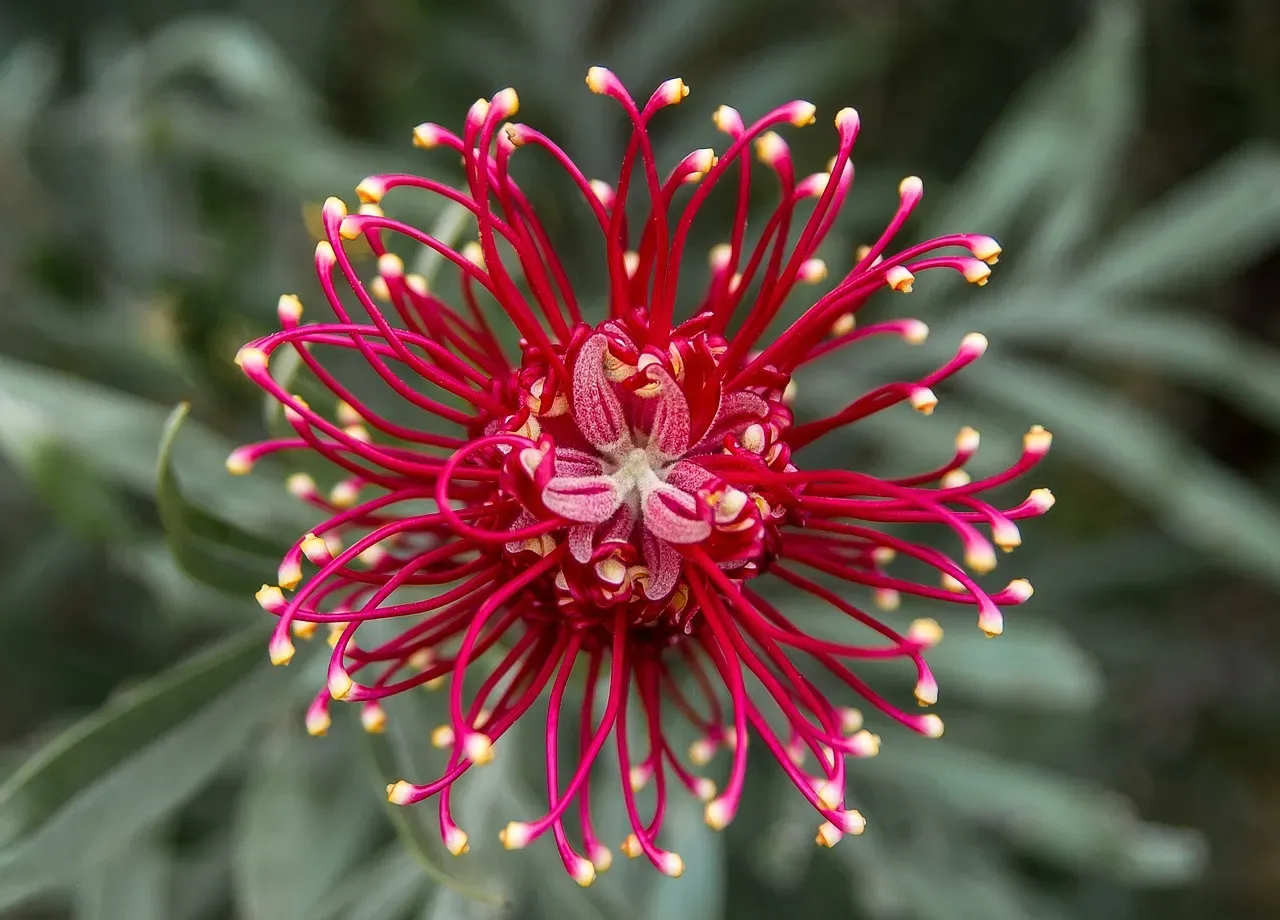
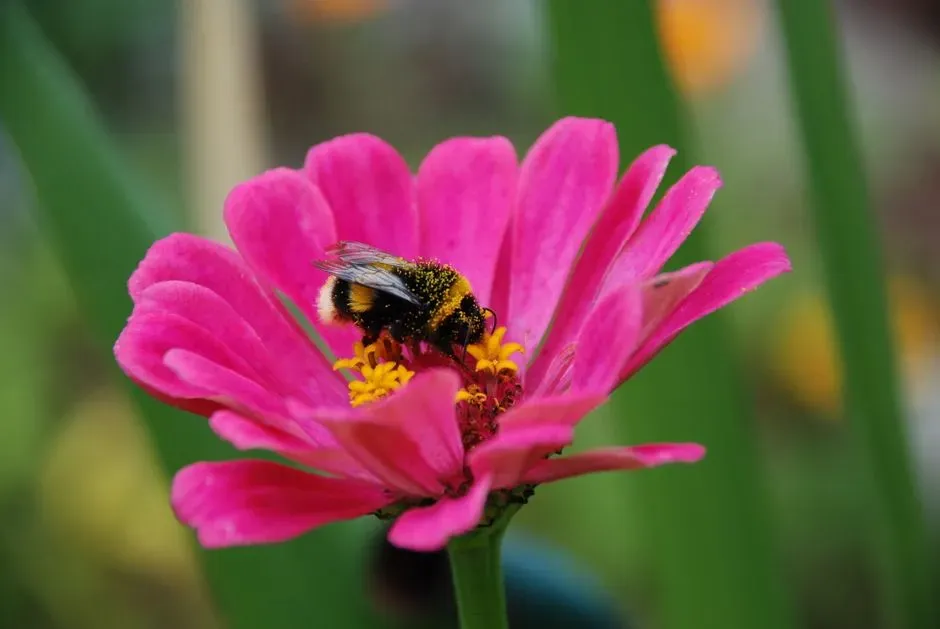
Native plants have evolved alongside local pollinators, making them the perfect match for your garden. They provide the right nectar and pollen sources, thrive in local soil and climate conditions, and require less maintenance. By planting a diverse array of native flowers, you ensure a continuous food source for pollinators throughout the growing season.
Incorporate plants that bloom at different times to offer a steady supply of nectar and pollen. For example, early bloomers like crocuses provide food in spring, while late bloomers like goldenrod sustain pollinators into the fall. This variety not only supports pollinators but also adds visual interest to your garden year-round.
Provide a Clean Water Source
Provide a Clean Water Source (Image Credits: Pixabay)
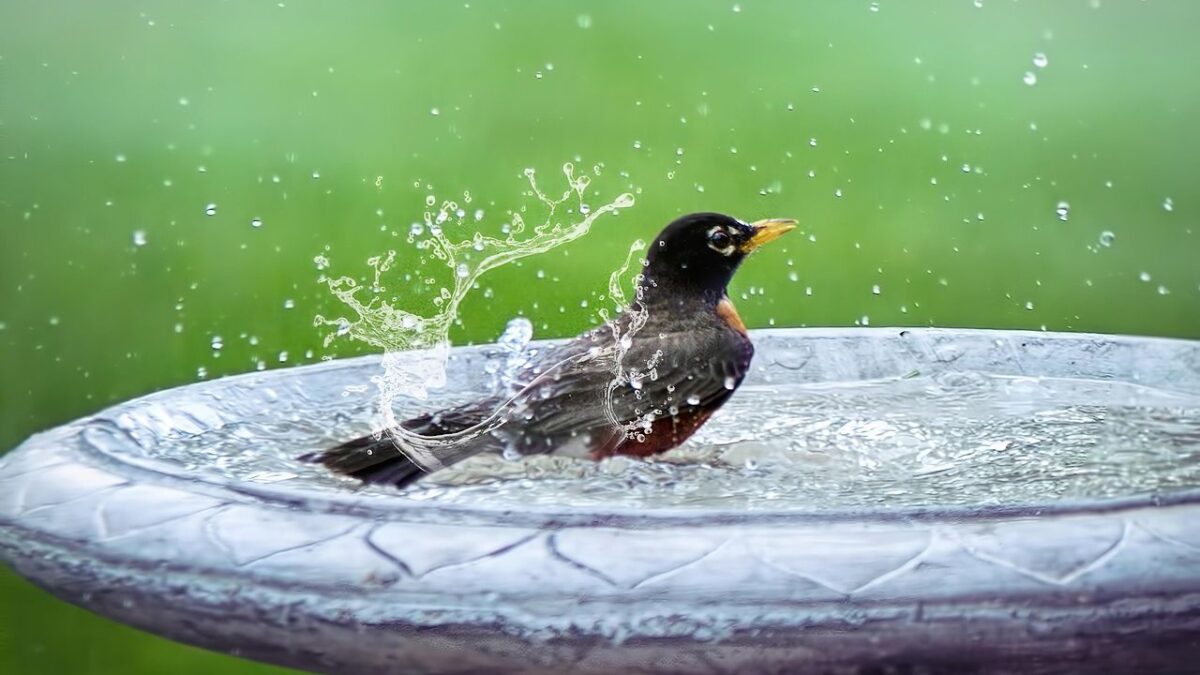
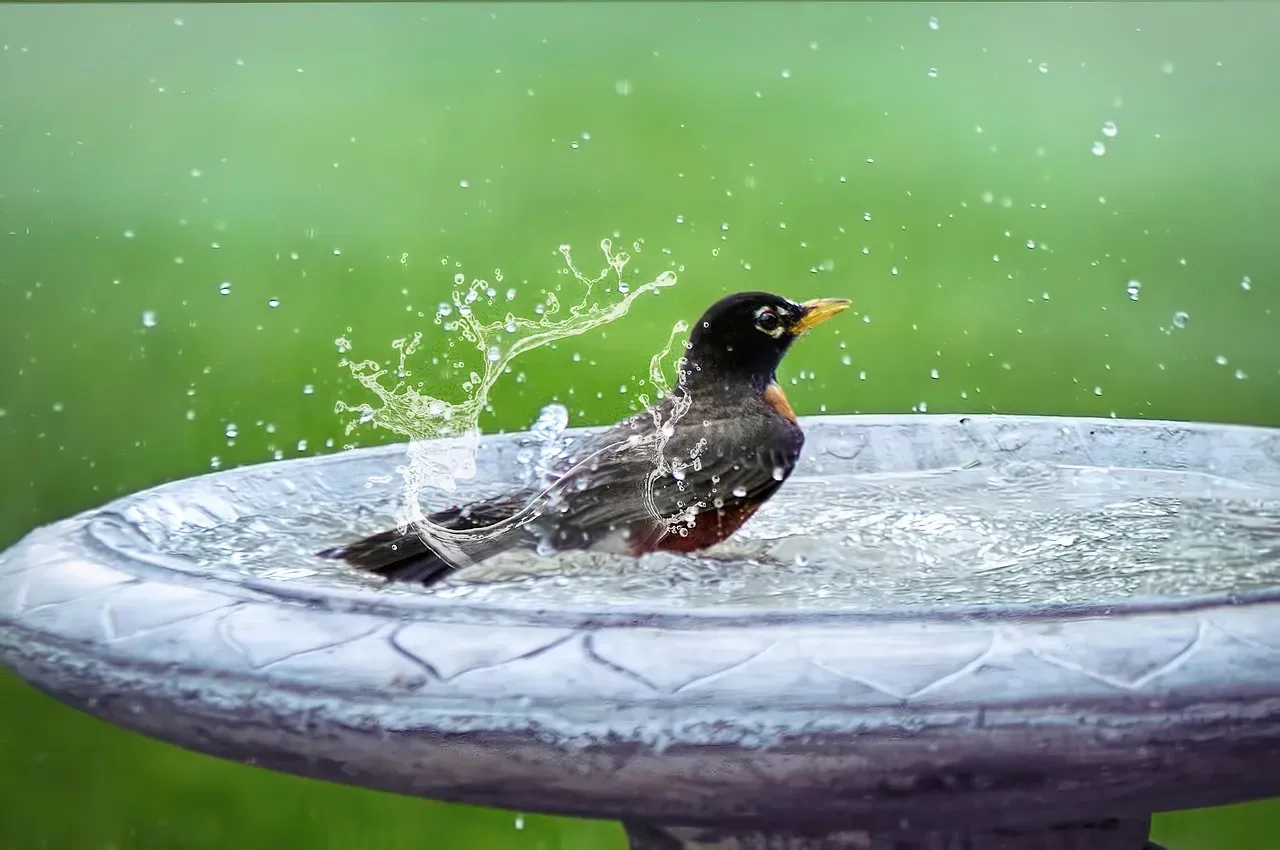
Just like humans, pollinators need water to survive. Installing a shallow birdbath, a small pond, or even a dish filled with water and pebbles can provide a safe drinking spot. Ensure the water is clean and refreshed regularly to prevent the spread of disease and deter mosquitoes.
Adding floating plants or placing stones in the water gives pollinators a place to land and drink safely. This simple addition can make your garden a more inviting place for bees, butterflies, and other beneficial insects.
Incorporate Shelter and Nesting Sites
Incorporate Shelter and Nesting Sites (conall.., Flickr, CC BY 2.0)
Pollinators need safe places to rest, nest, and overwinter. Leaving some areas of bare soil or sandy patches can provide nesting sites for ground-nesting bees. Retaining dead wood or stems offers shelter for cavity-nesting insects. Additionally, installing bee hotels made from hollow stems or drilled wood blocks can attract solitary bees.
Maintaining hedgerows or dense shrubs provides cover for butterflies and hummingbirds. Avoid excessive tidying up in your yard; letting nature take its course with some “wild” spots boosts habitat availability and supports a diverse range of pollinators.
Avoid Pesticides and Herbicides
Avoid Pesticides and Herbicides (Image Credits: Pexels)
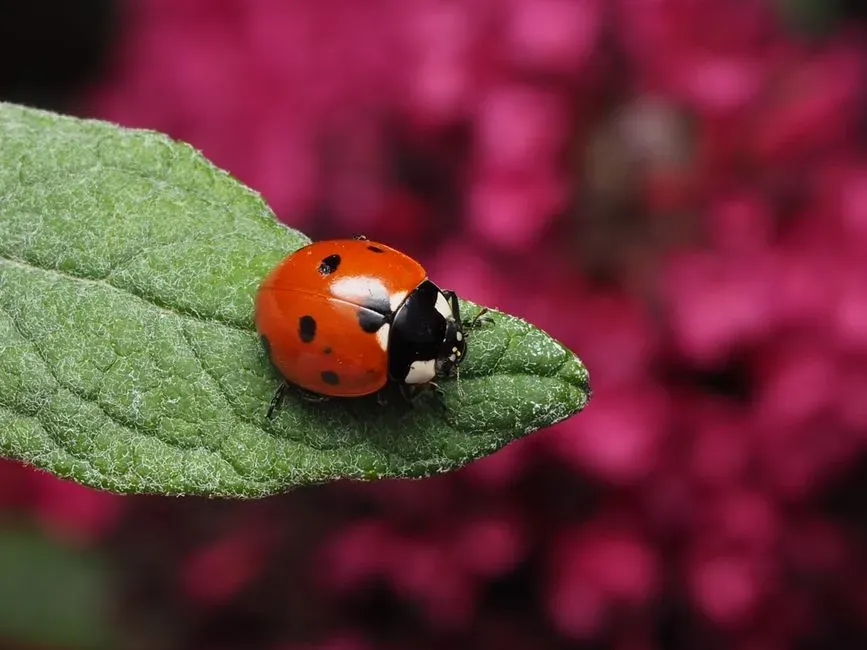
Chemical pesticides and herbicides can be harmful to pollinators, often causing disorientation, illness, or death. Opt for natural pest control methods, such as introducing beneficial insects like ladybugs and praying mantises, which prey on common garden pests. Practicing integrated pest management (IPM) by encouraging these beneficial insects can help maintain a healthy garden ecosystem.
If you must use pesticides, choose organic options and apply them during times when pollinators are less active, such as early morning or late evening. Always follow label instructions carefully to minimize potential harm to pollinators.
Plant Herbs and Vegetables That Attract Pollinators
Plant Herbs and Vegetables That Attract Pollinators (Image Credits: Pexels)
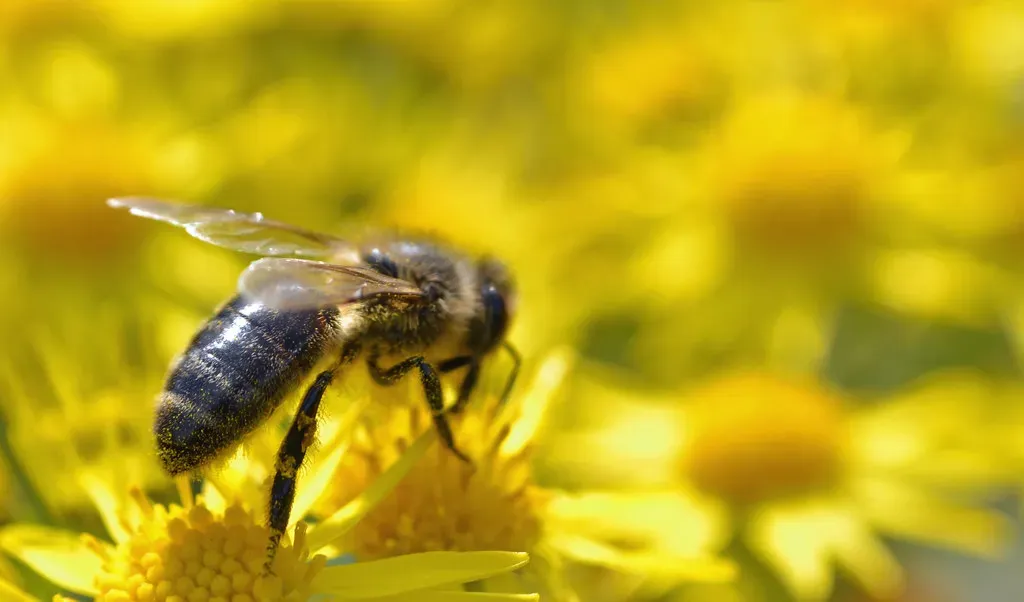
Many herbs and vegetables produce flowers that are irresistible to pollinators while also offering you fresh produce. For instance, lavender attracts bees with its fragrant purple blooms, while basil flowers draw both bees and butterflies. Tomatoes, cucumbers, squash, and pumpkins rely heavily on bee activity for fruit set.
Including these plants in your garden serves dual purposes – supporting pollinators while enriching your meals. Plus, the presence of pollinators can lead to higher yields and better-quality produce.
Create Colorful Flower Beds with Distinct Shapes
Create Colorful Flower Beds with Distinct Shapes (Image Credits: Pexels)
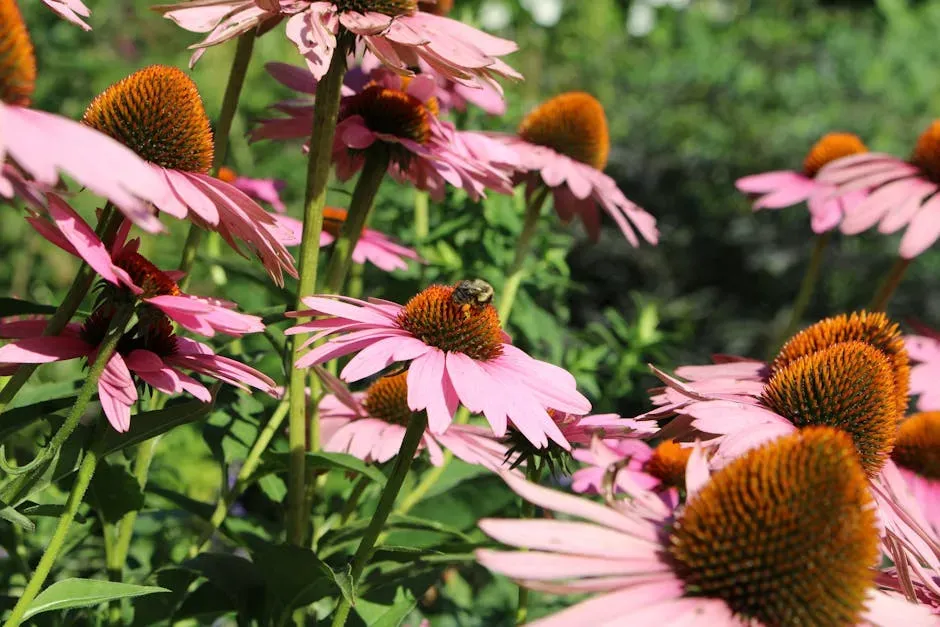
Pollinators are attracted not only by color but also by flower shape, which suits their feeding habits. Bright colors such as yellow, blue, purple, white, and red attract different species. Tubular flowers suit hummingbirds, while flat-topped flowers like daisies provide landing platforms for butterflies.
Designing your flowerbeds with a mix of these traits can appeal to a broad range of pollinators. This approach not only supports pollinator diversity but also creates a visually stunning garden.
Minimize Lawn Area or Convert Lawn Space into Wildflower Meadows
Minimize Lawn Area or Convert Lawn Space into Wildflower Meadows (Image Credits: Unsplash)
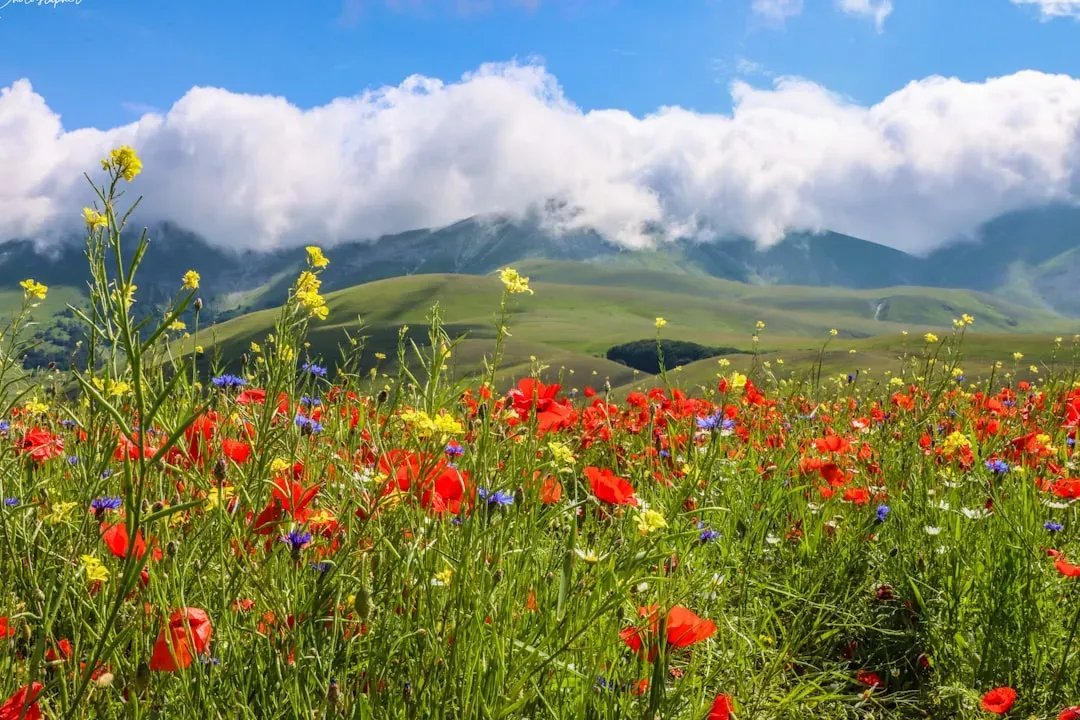
Traditional grass lawns offer limited nectar resources for pollinators. Replacing parts of your lawn with native wildflower meadows or using clover lawns, which bloom small white flowers attractive to bees, can significantly increase habitat diversity. Allowing dandelions and other “weeds” that are good early-season pollen sources to grow can also benefit pollinators.
Transforming lawn space into pollinator-friendly areas not only supports biodiversity but also reduces maintenance and water usage. It’s a win-win for both you and the environment.
Support Night-Time Pollinators
Support Night-Time Pollinators (Image Credits: Pexels)
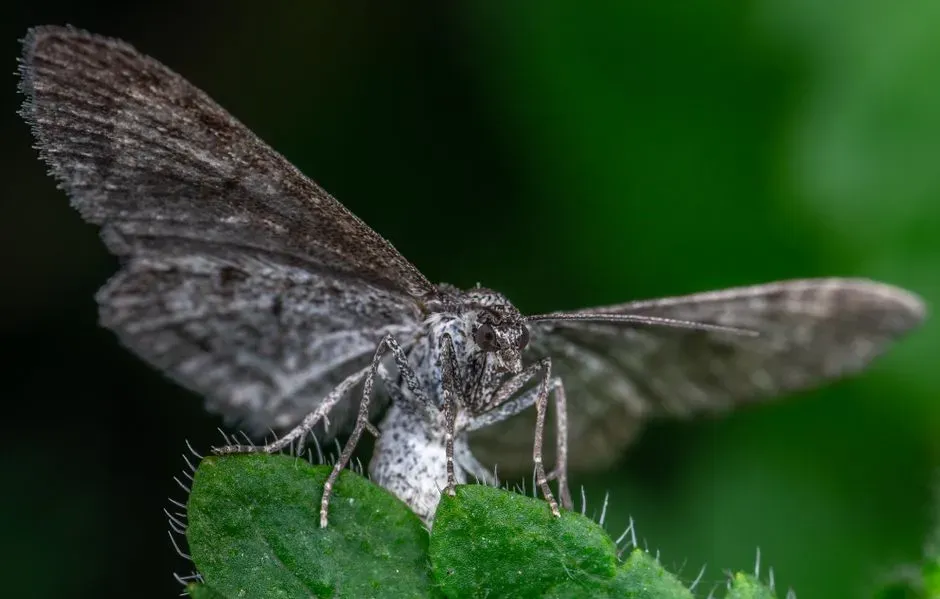
Not all pollinators work during the day – moths are important night-time pollinators often overlooked. Planting night-blooming flowers like evening primrose or moonflower can attract these nocturnal visitors. These plants often have light-colored, fragrant flowers that open at dusk, providing essential nectar sources for night-time pollinators.
By considering the needs of both diurnal and nocturnal pollinators, you create a more inclusive and supportive environment for all pollinating species.
Provide Wind Protection
Provide Wind Protection (Image Credits: Pixabay)
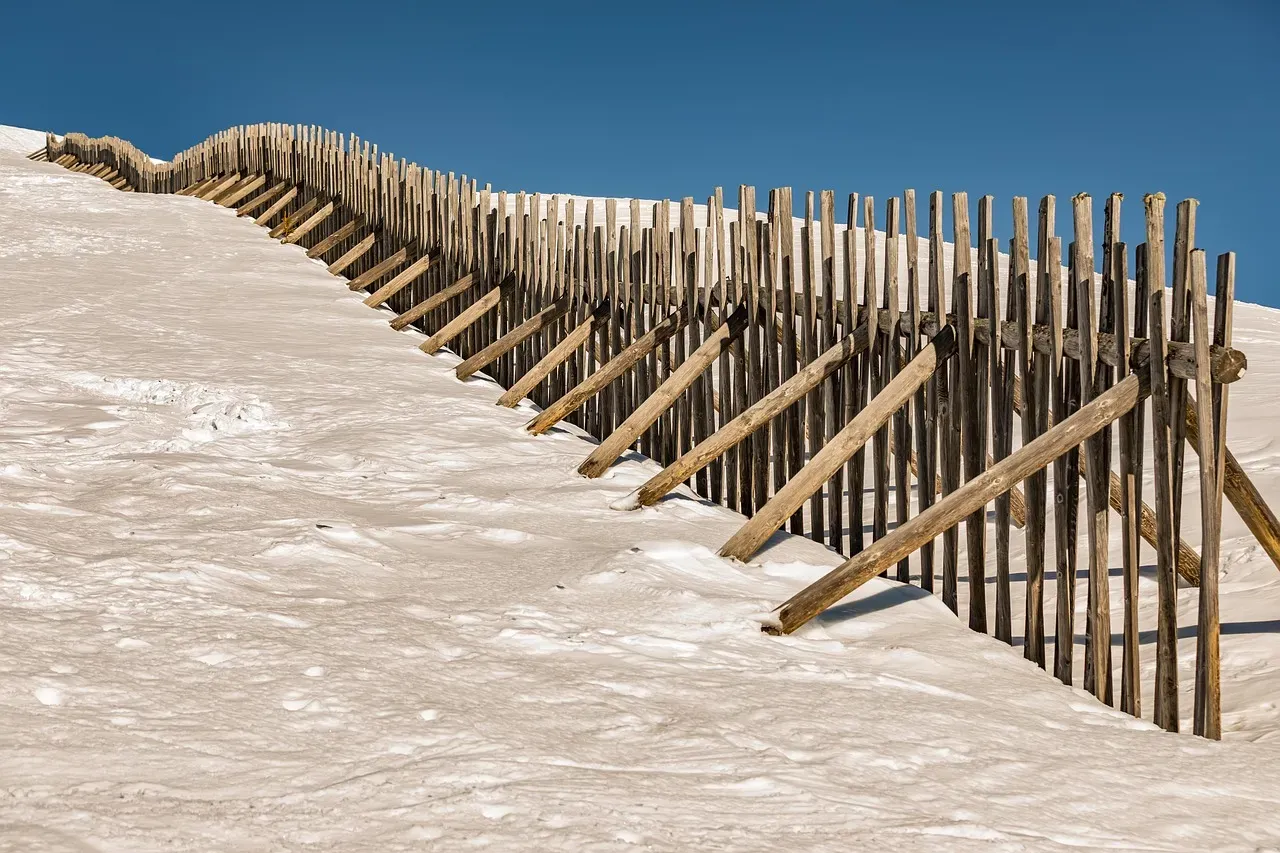
Pollinators are lightweight and can be easily disturbed by strong gusts. Including a wall, fence, hedge, or even a few tall plants in your garden can provide some protection from the wind. This shelter allows pollinators to feed and rest more comfortably, increasing their presence in your garden.
Strategically placing these windbreaks can also create microclimates within your garden, benefiting both plants and pollinators. Plus, features like
Did you find this helpful? Share it with a friend who’d love it too!
Gargi is an MA in History and a B.Ed graduate from India, with a deep passion for animals and wildlife awareness. As an article writer and editor at Animals Around The Globe, she combines her love for storytelling with her dedication to educating readers about animals, conservation, and responsible pet care. A devoted dog lover, Gargi enjoys creating engaging and informative content that inspires compassion and awareness toward the natural world.