


Throughout the darkest chapters of human history, amidst the chaos and devastation of two world wars, extraordinary animal heroes emerged to save countless lives and change the course of history. While we may be familiar with war horses or carrier pigeons, many remarkable animal contributions have faded into obscurity. These unsung heroes—from slugs that detected gas to camels that carried the wounded—demonstrated incredible courage, intelligence, and loyalty in the face of unimaginable danger. Their stories deserve to be remembered not just as curiosities but as testament to the profound bonds between humans and animals during our most challenging moments. Join us as we explore these forgotten animal warriors and the invaluable roles they played in WWI and WWII.
The Gas-Detecting Slugs of the Western Front

During the horrific trench warfare of World War I, poison gas emerged as one of the most feared weapons. Chlorine, phosgene, and mustard gas killed thousands and left many more with lifelong injuries. Early gas masks were primitive, and gas detection methods were rudimentary—until military officials made a surprising discovery about common garden slugs.
Scientists noticed that slugs were extraordinarily sensitive to the presence of poison gas, showing visible distress before concentrations reached levels detectable by humans. The British Army began keeping slugs in small boxes at observation posts along the Western Front. When the slugs showed signs of discomfort—curling up, closing their breathing pores, or secreting excessive mucus—it signaled soldiers to don their gas masks immediately. This primitive but effective early warning system saved countless lives, giving troops precious extra seconds to prepare for gas attacks when every moment mattered.
Wojtek: The Bear Soldier Who Carried Artillery Shells

Perhaps the most extraordinary animal soldier of WWII was Wojtek, a Syrian brown bear adopted as a cub by Polish soldiers of the 22nd Artillery Supply Company. The soldiers, who had been released from Soviet labor camps, purchased the orphaned bear cub in Iran in 1943. As Wojtek grew, he became more than a mascot—he developed into a full-fledged member of the company, officially enlisted as Private Wojtek with his own paybook and serial number.
During the brutal Battle of Monte Cassino in Italy, Wojtek surprised everyone by voluntarily carrying heavy crates of artillery shells to the front lines. The 440-pound bear transported shells that would have required four men to lift, moving between supply vehicles and gun emplacements without fear of the deafening noise of battle. The image of Wojtek carrying an artillery shell became the official emblem of the 22nd Company. After the war, Wojtek lived out his days at the Edinburgh Zoo, where he would respond to Polish commands and reportedly perk up whenever he heard his native Polish language from visitors.
Jackie the Baboon: South Africa’s Unlikely Soldier

Among the most unusual military service animals was Jackie, a Chacma baboon who served with the South African forces during World War I. Jackie belonged to Albert Marr, a South African farmer who enlisted in 1915 and received special permission to bring his unusual pet along. The baboon was provided with a uniform, complete with buttons, regimental badges, and even his own pay book. Jackie learned to salute superior officers and adopted the routine of military life with remarkable adaptability.
Jackie’s acute senses made him invaluable in detecting enemy movements and approaching danger long before human sentries could. During the Battle of Delville Wood in 1916, Jackie was injured by shrapnel while trying to build a protective wall of stones around himself—mimicking the soldiers’ actions during incoming fire. For his service and injury, Jackie received a medal and was promoted to the rank of Corporal. He returned to South Africa with Marr after the war and was even present at official military parades, where he would salute dignitaries with perfect military bearing.
Sergeant Stubby: The Stray Dog Who Became a War Hero

While Sergeant Stubby has gained some recognition in recent years, his extraordinary service still remains unknown to many. Found as a stray wandering around Yale University in 1917, this bull terrier mix was smuggled to France by Private J. Robert Conroy of the 102nd Infantry Regiment. Stubby quickly proved his worth by alerting troops to incoming artillery shells and locating wounded soldiers in no man’s land. His most notable contribution came when he caught a German spy mapping out the Allied trenches—Stubby heard the man speaking German, charged, and kept the spy pinned until American soldiers arrived.
Stubby participated in 17 battles, survived a gas attack, and subsequently learned to warn his unit of incoming gas attacks by barking frantically. He was wounded twice in action and became the first dog to be given a rank in the United States Armed Forces after being promoted to Sergeant for his capture of the German spy. After the war, Stubby became a celebrity, meeting three presidents and receiving numerous medals. When he died in 1926, his remains were preserved and are now displayed at the Smithsonian’s National Museum of American History, preserving the legacy of America’s most decorated war dog.
The Mine-Detecting Gerbils of North Africa
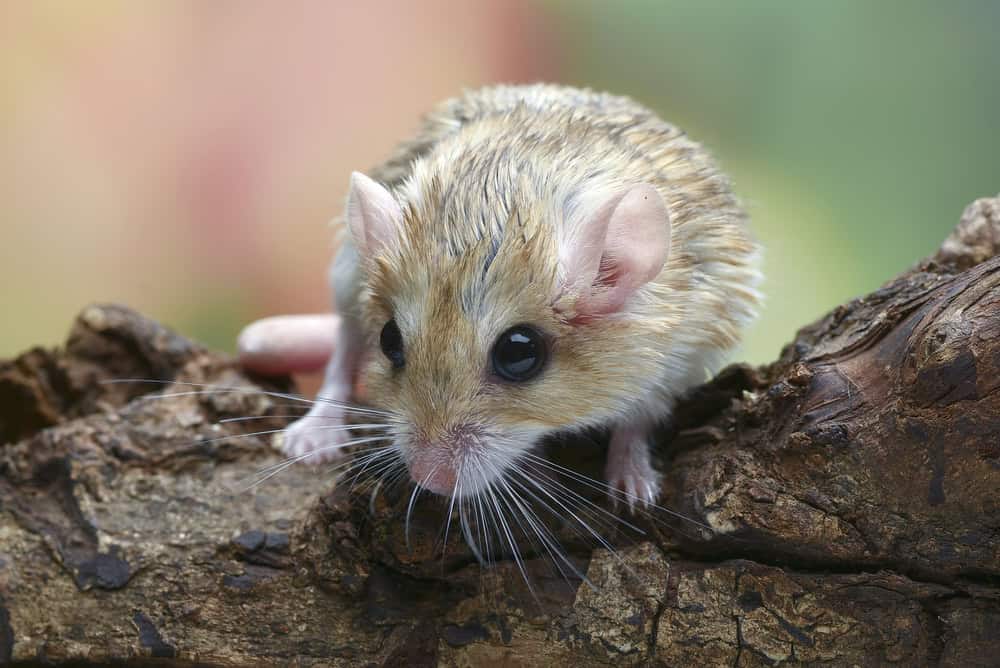
During the North African campaign of World War II, landmines posed a deadly threat to Allied forces advancing against Rommel’s Afrika Korps. Traditional mine detection was dangerous and time-consuming until British forces discovered that desert gerbils possessed an extraordinary sensitivity to ground vibrations and metal objects. Military engineers began using these small rodents to locate buried mines across the desert battlefields.
The gerbils were placed in small cages attached to long poles, which soldiers would extend over suspected minefields. When passing over buried mines, the gerbils would become noticeably agitated—scratching, jumping, or showing signs of stress due to their sensitivity to the metal’s disruption of the earth’s natural electromagnetic field. This unorthodox approach allowed for safer, more efficient mine clearance operations. While never officially recognized in military records (likely due to concerns about public perception), accounts from veterans confirm that these small desert creatures saved countless lives throughout the campaign, demonstrating that heroism comes in all sizes.
Tirpitz: The Pig Who Survived a Naval Battle

In one of the most unusual tales of animal wartime survival, a pig named Tirpitz found himself at the center of a major naval engagement. When the German cruiser SMS Dresden was sunk by British ships off the coast of Chile in 1915, most of the crew abandoned ship—but they left behind the ship’s mascot, a young pig. As the Dresden sank, Tirpitz jumped overboard and swam desperately through the debris-filled waters until he was spotted by sailors from the British HMS Glasgow.
The British sailors were so impressed by the swimming pig’s determination to survive that they rescued him and adopted him as their own mascot, ironically naming him after German Admiral Alfred von Tirpitz. The pig became a beloved member of the Glasgow’s crew, and when the ship returned to England, Tirpitz was presented to King George V’s daughter, Princess Mary. He lived out his days on an English farm, and after his death, his preserved body was displayed at the Imperial War Museum as a reminder of the unlikely survivors of naval warfare. In 2014, his stuffed remains were temporarily exhibited at the National Museum of the Royal Navy to mark the centenary of World War I.
The Glowworm Battalion: Nature’s Battlefield Illuminators

In the muddy, pitch-black trenches of World War I, soldiers faced not only the enemy but also the practical challenge of reading maps and documents without revealing their position through artificial light. In one of the war’s most ingenious adaptations, British officers began collecting glowworms and fireflies to use as natural, low-intensity light sources. These bioluminescent insects were kept in small glass jars that provided just enough light to read by without being visible to enemy snipers.
The practice became so useful that organized collection of these insects was implemented behind the lines, with special “glowworm patrols” gathering the creatures from fields and woods for distribution to officers. French troops took the idea further, creating “glowworm lamps” by carefully crushing the insects and applying their bioluminescent material to watch dials and compass faces. Though this unusual wartime adaptation has been largely forgotten, these tiny creatures played a crucial role in nighttime operations, allowing for map reading, message decoding, and navigation without compromising soldier safety—a small but significant contribution to the Allied war effort.
The Camel Corps of the Desert Campaign

While horses and mules received much recognition for their wartime contributions, the vital role of camels in the Middle Eastern and North African campaigns remains largely overlooked. During both world wars, especially WWII, thousands of camels served in specialized Camel Corps units, primarily with British and Commonwealth forces. These “ships of the desert” proved invaluable in environments where motorized vehicles bogged down in sand and water was scarce.
The camels transported supplies, ammunition, and wounded soldiers across vast desert expanses impassable to conventional vehicles. Each animal could carry up to 600 pounds of equipment while requiring minimal water. Particularly noteworthy was the Imperial Camel Corps Brigade, which used camels for rapid deployment of troops in hit-and-run operations against Ottoman forces. Many camels displayed remarkable courage under fire, continuing their duties despite injuries or the chaos of battle. Some even demonstrated apparent loyalty to specific handlers, refusing to be loaded by anyone else or returning to base on their own when their riders were killed—testament to the bond that formed between soldiers and these hardy desert animals during the grueling desert campaigns.
Dickin: The Pigeon Who Delivered D-Day Intelligence
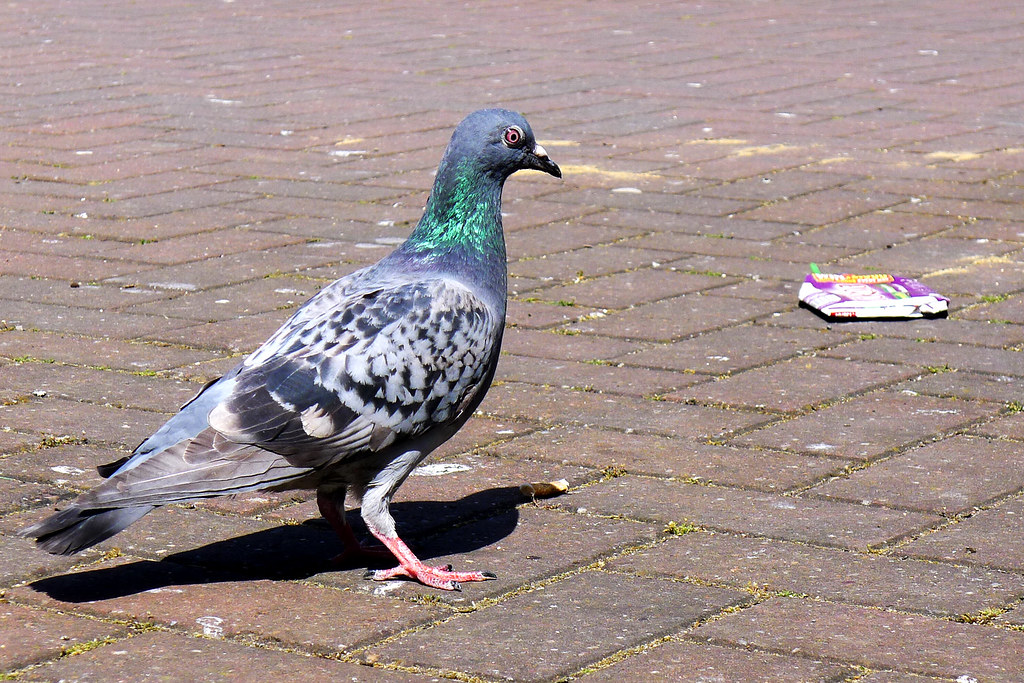
While carrier pigeons are known to have served in both world wars, few people are familiar with the extraordinary story of a blue check hen pigeon named Dickin. Deployed with the Allied forces during the D-Day landings, Dickin performed one of the most crucial messaging missions of the entire war. When radio communications failed during the initial beach landings at Normandy, commanders needed to relay critical intelligence about German defenses back to England to adjust the following waves of the invasion force.
Released from a smoke-filled bunker amid heavy gunfire, Dickin flew 20 miles across the English Channel in just under two hours, battling strong headwinds and avoiding German falcons specifically trained to intercept messenger pigeons. The intelligence she carried—detailed information about German gun placements and troop concentrations—allowed Allied commanders to redirect bombing runs and save countless lives. For her remarkable service, Dickin received the Dickin Medal (the animal equivalent of the Victoria Cross, which was, coincidentally, named after the same woman who established the award). Her preserved remains are now kept at the Royal Signals Museum in Dorset, alongside the tiny container that carried her world-changing message.
The Anti-Tank Dogs of the Soviet Army

One of the most controversial animal warfare programs emerged from the desperate defense of the Soviet Union against Nazi invasion. Facing catastrophic tank losses in 1941-42, Soviet forces developed the “anti-tank dog” program, where dogs were trained to carry explosives beneath enemy tanks. Initially, the dogs were trained to release the explosives and return to their handlers, but the complexity of this task led to a more straightforward but tragic approach: the explosives were detonated when the dog crawled under a tank.
According to Soviet records, these dogs disabled over 300 German tanks during the war, particularly at the Battle of Kursk. However, the program had significant problems—the dogs had been trained on stationary Soviet tanks and were often more likely to return to familiar-smelling Soviet vehicles than target German ones. The initiative remains controversial, with animal rights advocates noting the dogs’ unwitting sacrifice. Nevertheless, these canines represented the desperation of Soviet forces in the darkest days of the Eastern Front, and monuments to these four-legged tank destroyers can still be found in several Russian cities today, acknowledging their role in the eventual Soviet victory.
Simon: The Rat-Catching Cat of HMS Amethyst

In 1949, during the Chinese Civil War, the British frigate HMS Amethyst came under fire while navigating the Yangtze River, becoming trapped for months in what became known as the Yangtze Incident. Among the crew was Simon, a black and white ship’s cat who had been found on the docks of Hong Kong and brought aboard as a rat catcher. When the ship was shelled, Simon was seriously wounded by shrapnel and burned. Despite his injuries, once recovered, Simon returned to his duty of controlling the ship’s serious rat infestation—crucial for protecting the dwindling food supplies and preventing disease among the trapped sailors.
Simon’s continued rat hunting despite his injuries and the ongoing danger boosted crew morale during their 101 days of captivity. Beyond his practical contribution, Simon visited wounded sailors in the sick bay, providing comfort and companionship. When the Amethyst finally escaped under cover of darkness, Simon was celebrated as a hero. He was awarded the Dickin Medal—the only cat to ever receive this honor—and was made an honorary member of the Royal Navy. Sadly, while in quarantine upon returning to England, Simon died from his war wounds. He received a funeral with full naval honors, and his obituary appeared in major newspapers, including The Times of London, recognizing a small cat’s outsized contribution to wartime naval operations.
Remembering the Forgotten Heroes of Paw and Hoof
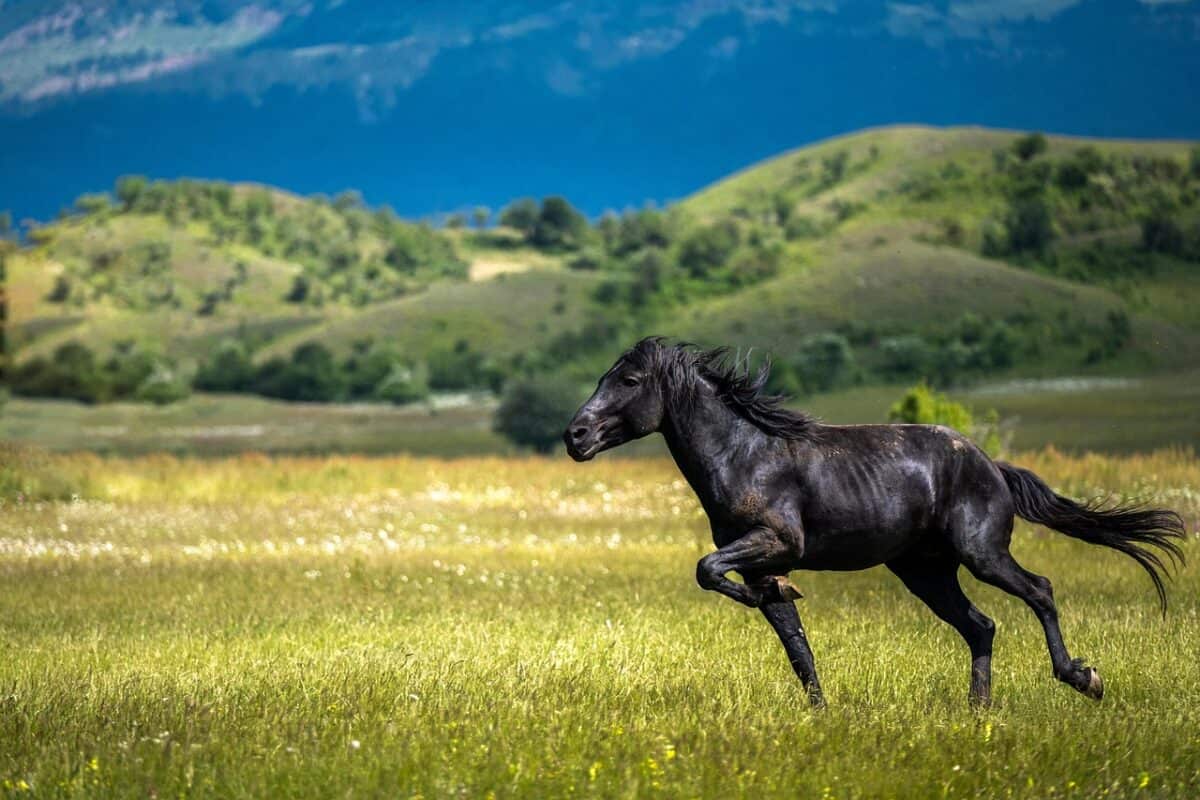
The extraordinary stories of these animal war heroes remind us that courage, loyalty, and service come in many forms. From the smallest glowworm to the mighty Wojtek the bear, these creatures played crucial roles in humanity’s darkest hours, often at great personal cost. Their contributions went far beyond mere curiosity or mascot status—they saved lives, provided critical intelligence, and helped turn the tide of battles through their unique abilities and unwavering dedication.
Perhaps most importantly, these animals represent the unexpected bonds formed during wartime, when humans found companionship and aid from the animal kingdom amidst the horrors of conflict. While medals and memorials exist for some, many of these remarkable creatures faded into obscurity as the wars receded into history. By remembering their stories, we honor not just their service but also recognize the timeless connection between humans and animals—a relationship that transcends language and circumstance, even in the crucible of world war. Their legacy lives on as a testament to the unexpected heroes who emerge when humanity faces its greatest challenges.

From exploring the marine wonders in the Azores and witnessing the vast savannas of Kenya, to delving deep into the rich biodiversity of South Africa and traversing iconic landscapes in Australia and the US like Yellowstone, Chris's experiences are vast.
With a penchant for diving alongside sharks, the ocean holds a special place in his heart.
Through his academic insights, he champions wildlife conservation, striving with 'Animals Around The Globe' to cultivate a profound connection between humans and animals, enhancing our mutual appreciation.
Connect with him at Feedback@animalsaroundtheglobe.com.
- Why Flamingos Are Flocking to New Jersey’s Salt Marshes - July 20, 2026
- How a Giant Sloth Skeleton Changed Evolution Theories - July 20, 2026
- The Wildlife Cost of Your Chocolate Bar—and How to Make Ethical Choices - July 20, 2026