
Worried about unexpected vet bills?
Pet insurance can cover thousands in unexpected vet costs. Get a free quote from Lemonade in under 2 minutes.
Get My Free Quote →Sponsored · Opens Lemonade.com
Most people picture a snail as the very definition of slow. Steady, unhurried, and easily outrun by almost anything with legs. So it comes as a genuine surprise that one group of marine snails has evolved one of the fastest predatory strikes ever recorded in the animal kingdom, a feat achieved not with speed of movement, but with a miniature hydraulic weapon hidden inside its body.
Cone snails, belonging to the family Conidae, carry a secret that has fascinated biologists and biochemists alike. Beneath their often beautiful, spiraled shells lies a precision venom delivery system refined over millions of years of predator-prey evolution. What they lack in locomotion, they have more than compensated for in firepower.
An Animal Built to Deceive
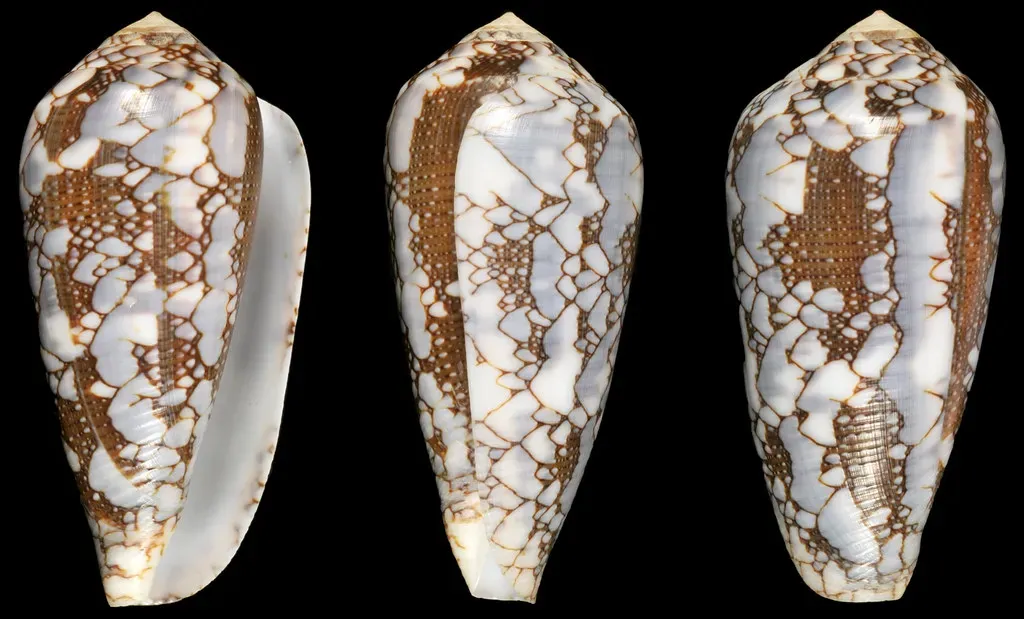
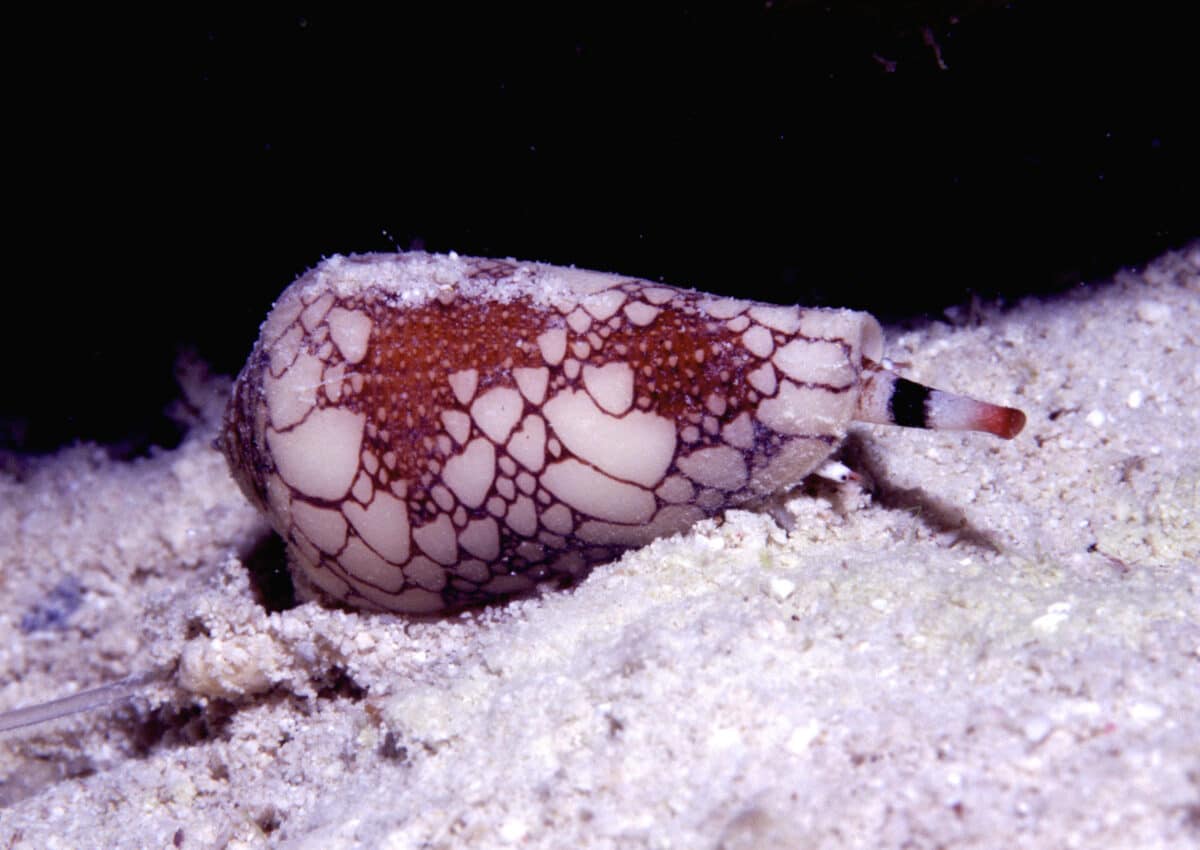
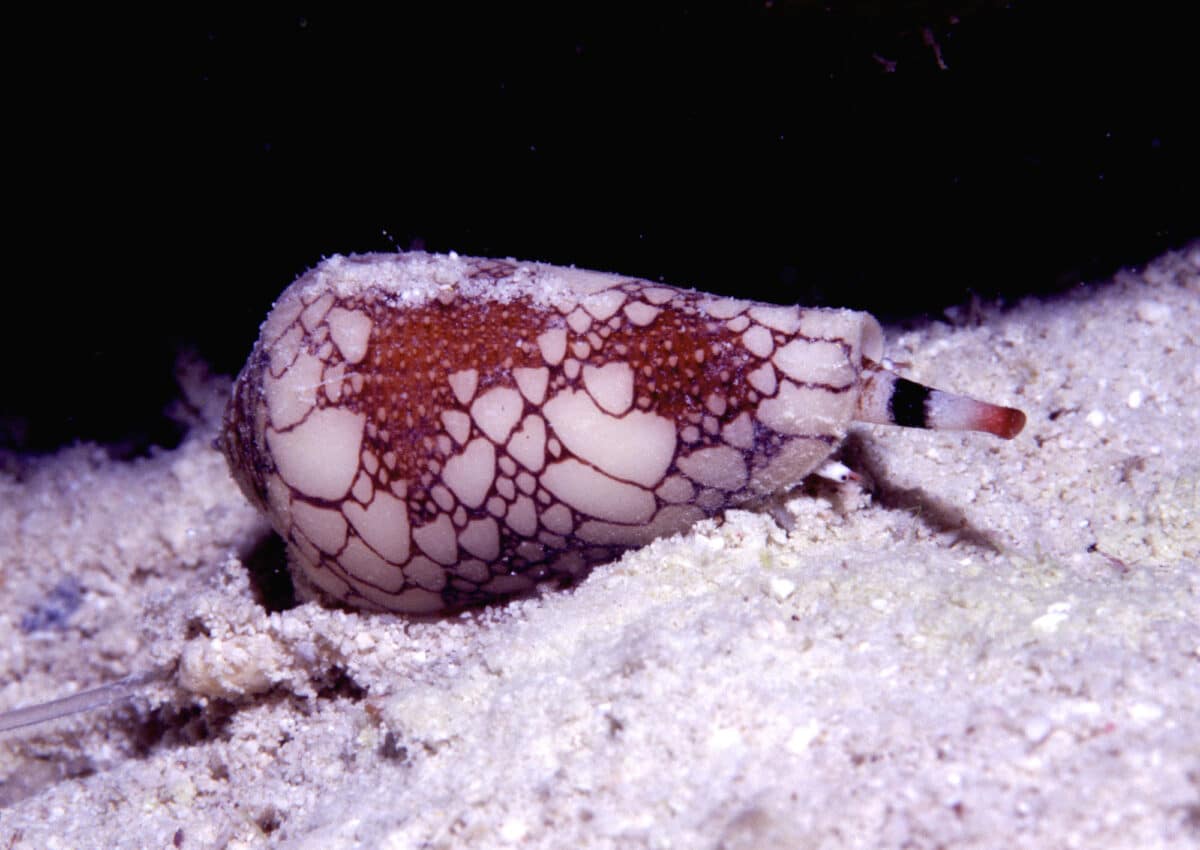
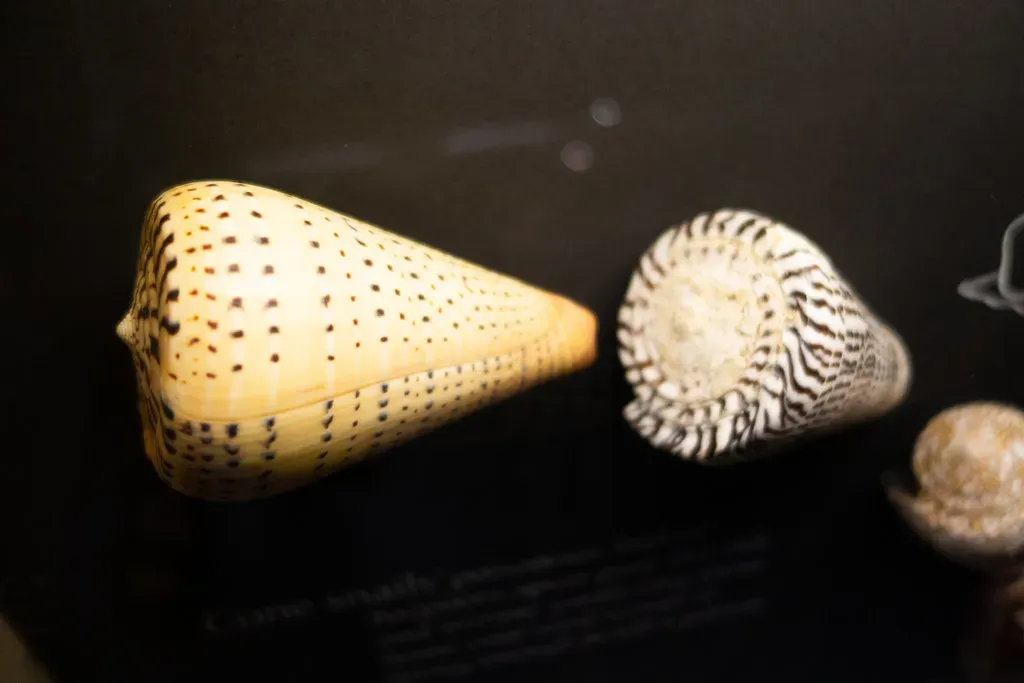
Cone snails are members of the Conidae family, a group of predatory gastropod mollusks found in tropical oceans, where they live in shallow water habitats near coral reefs or under coral shelves. They look, on the surface, entirely harmless. They have elongated, conical shells with colorful patterns on a white background, and their size can range from about half an inch to eight inches in length.
Cone snails are slow-moving, and use their venomous harpoon to disable faster-moving prey. That contrast is central to understanding them. The slow exterior is, in a sense, a complete misdirection. The real action happens in a fraction of a second, far too fast for any prey to react.
The Harpoon Within: Anatomy of the Strike
Cone snails are venomous marine gastropods that hydraulically propel a hollow, chitinous radular harpoon into prey. This radular harpoon serves both as projectile and conduit for venom delivery. Think of it as a hypodermic needle and a bullet combined into one tiny structure.
The tooth, which is likened to a dart or a harpoon, is barbed and can be extended some distance out from the head of the snail at the end of the proboscis. Each harpoon is used only once, and in the radular sac they are found in various stages of assembly. The snail essentially has a pre-loaded magazine of single-use weapons waiting to be deployed.
Pressure, Latches, and a Perfectly Timed Release
When preparing for the strike, the cone snail pressurizes the hollow tube in the center of the proboscis. The pressure is kept in by a circular muscle called a muscular sphincter. Once a suitable spot is found on the prey, the muscular sphincter relaxes, and venom is propelled toward the bulbous base of the harpoon.
A unique cellular latch mechanism prevents harpoon release until sufficient pressure builds and overcomes the forces of the latch, resulting in rapid acceleration into prey. A protuberance on the tooth base holds the tooth in place, held by a latch inside the proboscis. When contact with the prey is made and pressure overcomes the forces of the latch, the tooth is released, much like a bullet shooting through a gun barrel, delivering venom.
Numbers That Are Hard to Believe
Using high-speed videography, researchers determined that the radular harpoon can be propelled into prey within 100 microseconds, with a peak acceleration exceeding 280,000 m/s2 and a maximal acceleration exceeding 400,000 m/s2. To put that into context, the entire strike happens in less than 100 microseconds, and for comparison, a car’s acceleration is about 3 to 4 m/s2.
The velocities achieved are the fastest movements of any mollusk and exceed previous estimates by over an order of magnitude. In addition to producing some of the most potent venoms in nature, cone snails are now known to deliver one of the fastest predatory strikes in the animal kingdom. The strike by the radular tooth of the fish-hunting Cat Cone, Conus catus, reaches speeds comparable to those of a bullet being fired from a pistol.
A Venom of Extraordinary Complexity
Cone snail venom is a complex mixture of compounds that paralyze prey through several different neuromuscular blocking steps. Studies have estimated that each cone snail species produces a unique venom containing hundreds to a few thousand different bioactive compounds, with the total diversity across all cone snail species numbering in the tens of thousands.
Cone snail venom peptides are among the most rapidly evolving protein-coding genes in animals. They evolve twice as fast as most other known proteins. The rapid evolution appears to result from extensive gene duplications that provide abundant opportunities for natural selection during predator-prey interactions. It’s an arms race played out at the molecular level, species by species, across millions of years.
The Danger to Humans
Cone snails are prized for their brightly colored and patterned shells, which may tempt people to pick them up. This is risky, as the snail often fires its harpoon in self defense when disturbed. The harpoons of some of the larger species of cone snail can penetrate gloves or wetsuits.
The sting of many of the smallest cone species may be no worse than a bee or hornet sting, but the sting of a few of the larger tropical fish-eating species, such as Conus geographus, Conus tulipa and Conus striatus, can be fatal. There is no antivenom for a cone snail sting, and treatment consists of keeping victims alive until the toxins wear off. That last detail is worth sitting with. No antidote. No reversal. Only time and supportive care stand between a sting victim and a fatal outcome.
From Ocean Floor to Pharmacy Shelf
Ziconotide, sold under the brand name Prialt, is an atypical analgesic agent for the amelioration of severe and chronic pain. Derived from Conus magus, a cone snail, it is the synthetic form of an omega-conotoxin peptide. In December 2004 the US Food and Drug Administration approved ziconotide when delivered as an infusion into the cerebrospinal fluid using an intrathecal pump system.
A significant advantage of ziconotide is that it is not an opioid, meaning it carries no risk of addiction and patients do not develop a tolerance to it over time, unlike many conventional painkillers. Individually, some molecules from cone snail venom can provide non-opioid pain relief, and could potentially treat Parkinson’s disease or cancer. The venom that evolved to paralyze a fish in milliseconds is quietly becoming one of medicine’s more intriguing toolkits.
Conclusion
Cone snails sit at an unusual intersection. They are, in one reading, among the most quietly dangerous animals in the ocean, capable of firing venom with a mechanical precision that outpaces anything human technology has matched at that scale. In another reading, they are an extraordinary evolutionary achievement, and a source of compounds that researchers are only beginning to understand.
What makes them genuinely worth knowing about is that contradiction. The shell that draws a curious hand from the seafloor is the same organism running one of nature’s most sophisticated hydraulic weapons systems. Nature, as it turns out, rarely packages danger the way we expect it to look.
Worried about unexpected vet bills?
Pet insurance can cover thousands in unexpected vet costs. Get a free quote from Lemonade in under 2 minutes.
Get My Free Quote →Sponsored · Opens Lemonade.com

- 14 Quiet Signs Your Dog Is Getting Ready to Say Goodbye – Most Owners Miss Them Completely - June 9, 2026
- 15 Dog Breeds Known for Their Exceptional Loyalty and Devotion - June 9, 2026
- 14 Garden Mistakes That Drive Hummingbirds Away for Good – Most Gardeners Don’t Realize Until It’s Too Late - June 9, 2026