


Across the United States, a silent transformation is underway as thousands of species adjust their traditional migratory patterns in response to our changing climate. From birds arriving weeks earlier at their breeding grounds to mammals moving upslope in mountain ranges, these shifts represent one of the most visible and immediate biological responses to global warming. As temperatures rise, precipitation patterns change, and seasons become increasingly unpredictable, animals must adapt—often by relocating—or face potential extinction. This large-scale ecological reorganization is not only altering ecosystems across America but also challenging our understanding of wildlife conservation in an era of rapid environmental change.
The Accelerating Pace of Climate Change in the United States

The United States is warming faster than the global average, with temperatures having increased by approximately 2.6°F (1.4°C) since 1970. According to the National Oceanic and Atmospheric Administration (NOAA), the rate of warming across the contiguous U.S. has nearly doubled since 1981. This acceleration has not been uniform—Alaska has warmed more than twice as fast as the rest of the country, while the Southeast has experienced less dramatic temperature increases. These regional variations in warming rates are creating complex challenges for migrating species, which must navigate through differently changing landscapes as they move between seasonal habitats.
Adding to temperature changes, precipitation patterns are shifting dramatically. The Northeast and Midwest have seen increases in heavy rainfall events, while parts of the Southwest experience intensifying drought conditions. These hydrological changes directly impact the availability of water, food resources, and suitable habitat for migrating animals. As climate zones effectively shift northward at a rate of approximately 3.8 miles per decade, animals must either keep pace or face increasingly inhospitable conditions in their traditional ranges.
Birds: The Canaries in the Climate Coal Mine

Birds, with their high visibility and well-documented migratory patterns, provide some of the clearest evidence of climate-driven migration shifts. A comprehensive study published in Nature Climate Change analyzed 89 bird species across North America and found that spring migration is occurring approximately one day earlier each decade. For some species, the change is even more dramatic—tree swallows now arrive at breeding grounds up to two weeks earlier than they did in the 1960s. This advancement tracks closely with earlier spring thaws and the emergence of the insects that these birds depend on for food.
However, these timing shifts come with risks. Birds that migrate based on day length rather than temperature may arrive at breeding grounds that are still unsuitable or find that their food sources have already peaked. The wood thrush, a songbird that migrates between the eastern United States and Central America, has shown declining populations partly because its migration timing is becoming increasingly mismatched with peak food availability. Meanwhile, species like the American robin are expanding their winter ranges northward, with many populations no longer migrating south at all from parts of the northern United States where they once could not survive winter.
Butterflies and Insects: Shifting Ranges and Disrupted Patterns
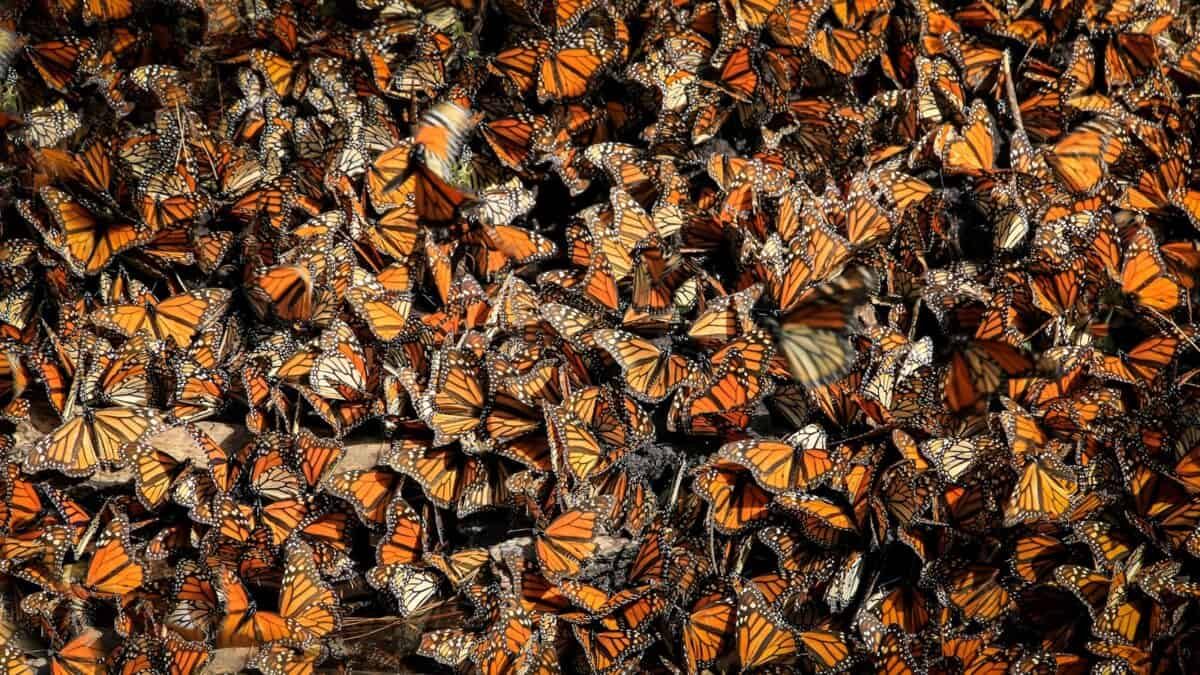
Insects, with their short life cycles and temperature-dependent development, are responding rapidly to climate change. The iconic monarch butterfly’s migration between Mexico and Canada—one of the most spectacular insect journeys on Earth—is showing troubling alterations. Warmer fall temperatures delay the monarchs’ southward journey, while earlier springs are shifting the timing of milkweed availability, the only plant on which monarchs lay their eggs. Research from the University of Georgia has documented monarch migration delays of up to six weeks in some years, potentially exposing late-migrating butterflies to freezing temperatures as they travel south.
Beyond monarchs, numerous butterfly species are expanding northward. The sachem skipper butterfly has moved its range boundary northward by about 420 miles in the last 40 years. Similarly, dragonflies like the common green darner are shifting their migration timing and pathways. These insect movements have cascading effects on ecosystems, as they serve as pollinators and food sources for birds and other wildlife. The concern among entomologists is not just about changing migration patterns but about the potential breakdown of synchronized relationships between insects, plants, and the animals that depend on them.
Marine Species: Migrations in a Warming Ocean

The oceans surrounding the United States are experiencing some of the most rapid warming on the planet, with the Northeast coast warming faster than 99% of the global ocean. This warming is driving dramatic shifts in marine species distributions. Black sea bass, once primarily found in the Mid-Atlantic, have expanded their range northward to New England waters. Maine fishermen now regularly catch species like longfin squid and butterfish that were rare in northern waters just decades ago. According to research from Rutgers University, marine species along the U.S. Atlantic coast are moving northward at an average rate of 10 miles per decade.
Perhaps no marine migration shift has been more economically significant than that of the American lobster. Rising ocean temperatures have contributed to the collapse of southern New England’s lobster fishery while simultaneously boosting lobster populations in the Gulf of Maine. However, continued warming threatens even these northern populations. For marine mammals like the North Atlantic right whale, changing prey distributions have altered traditional feeding grounds, forcing these endangered whales into shipping lanes and fishing areas where they face increased mortality risks. These shifts in marine species distributions are reshaping coastal ecosystems and challenging fisheries management across the United States.
Mammals: Moving Upward and Northward

Terrestrial mammals are responding to climate change by shifting their ranges both northward and upward in elevation. In the Rocky Mountains, American pikas—small relatives of rabbits adapted to cold alpine environments—are disappearing from lower elevations as temperatures rise. Research from the U.S. Geological Survey found that pikas have vanished from nearly 15% of historically occupied sites in the Great Basin, primarily at lower elevations where warming has been most severe. Meanwhile, moose are retreating northward from the southern edges of their range in states like Minnesota and New Hampshire, where warmer temperatures increase parasite loads and heat stress.
Some mammal species are benefiting from these changes. White-tailed deer are expanding northward into Canada as winters become milder and snow depths decrease. Coyotes have moved into northern areas once too snow-covered for their hunting techniques, altering predator-prey relationships in these ecosystems. Hibernation patterns are changing too—bears in some regions are entering dens later and emerging earlier, extending their active season by up to three weeks compared to the 1970s. These shifts can create new wildlife-human conflicts as animals appear in areas or seasons where they were historically absent.
Reptiles and Amphibians: Vulnerable Cold-Blooded Responders
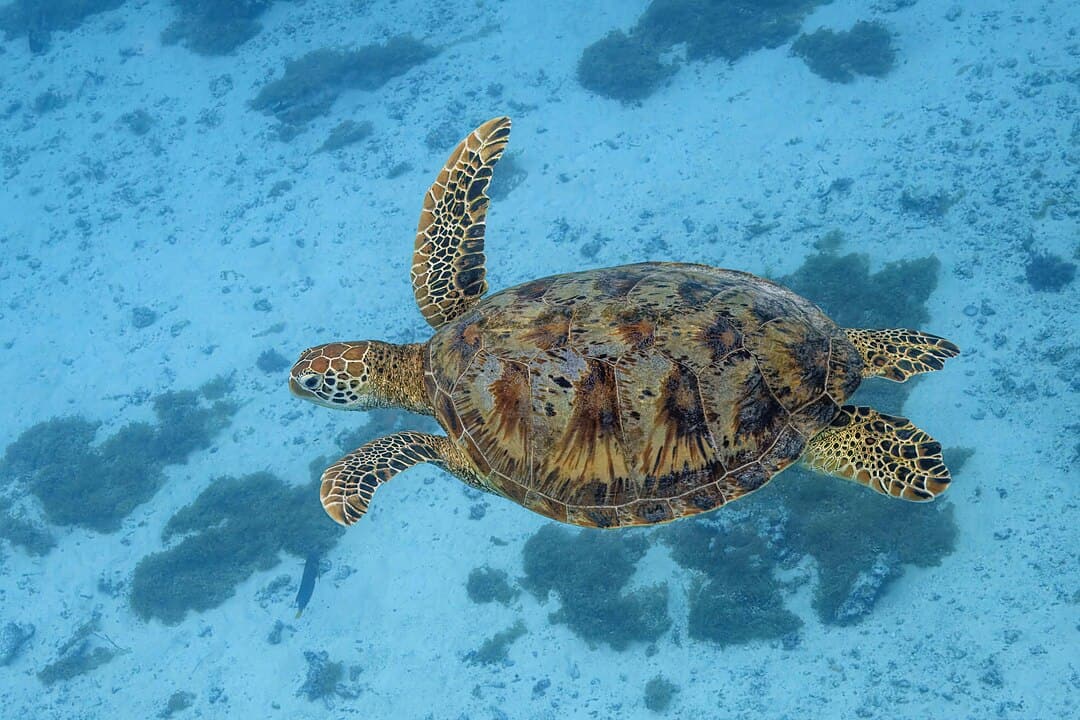
Reptiles and amphibians, being ectothermic (cold-blooded), are particularly sensitive to temperature changes. For species like the American alligator, warming temperatures are enabling northward range expansions. Alligators are now regularly sighted in North Carolina and have even been documented in Virginia, areas historically too cold for their survival. Sea turtles, which have temperature-dependent sex determination, are experiencing feminization of populations as nesting beaches warm. On some Florida beaches, over 90% of loggerhead turtle hatchlings are now female, raising concerns about future reproduction rates.
Amphibians face unique challenges as they typically require specific moisture conditions for migration and reproduction. Wood frogs in the northeastern United States are breeding up to two weeks earlier than they did 20 years ago, according to long-term studies from the University of Maine. This earlier breeding exposes their eggs to greater risks of late spring freezes. Meanwhile, salamander species in the Appalachian Mountains are moving upslope as lower elevations become too warm and dry. For these moisture-dependent species, the combination of warming temperatures and changing precipitation patterns creates a complex migration challenge that may exceed their adaptive capacity in some regions.
Freshwater Species: Navigating Warming Waters

America’s rivers, lakes, and streams are experiencing some of the most dramatic temperature increases of any ecosystem type. Cold-water fish species like trout and salmon are particularly vulnerable to these changes. Brook trout have disappeared from nearly 30% of their historical habitat in the eastern United States as warming waters contain less dissolved oxygen and increase metabolic stress. These fish are retreating upstream to higher, cooler elevations where possible, but dams and other barriers often prevent such movements. In the Pacific Northwest, salmon migration timing has shifted, with adults entering rivers earlier and juveniles heading to sea sooner than historical norms.
Warmer water temperatures also facilitate the spread of invasive species. Zebra mussels and Asian carp, which thrive in warmer conditions, are expanding their ranges northward into lakes that were previously too cold for their survival. Native freshwater mussels, among the most endangered groups of organisms in North America, face multiple threats as their fish hosts (which their larvae must attach to) change migration patterns while stream conditions simultaneously degrade. These freshwater migration shifts may be less visible than those of birds or butterflies, but they represent some of the most profound ecological changes occurring in the American landscape.
The Ecological Consequences of Asynchronous Migrations
One of the most concerning aspects of climate-driven migration shifts is that species are responding at different rates, leading to ecological mismatches. Birds might arrive at breeding grounds before their insect prey have emerged. Pollinators may arrive after their host plants have already flowered. Predators might migrate to areas where their traditional prey species are no longer present. A study published in Proceedings of the National Academy of Sciences found that across 54 plant and animal species in the United States, the average response to climate change varied threefold among different taxonomic groups.
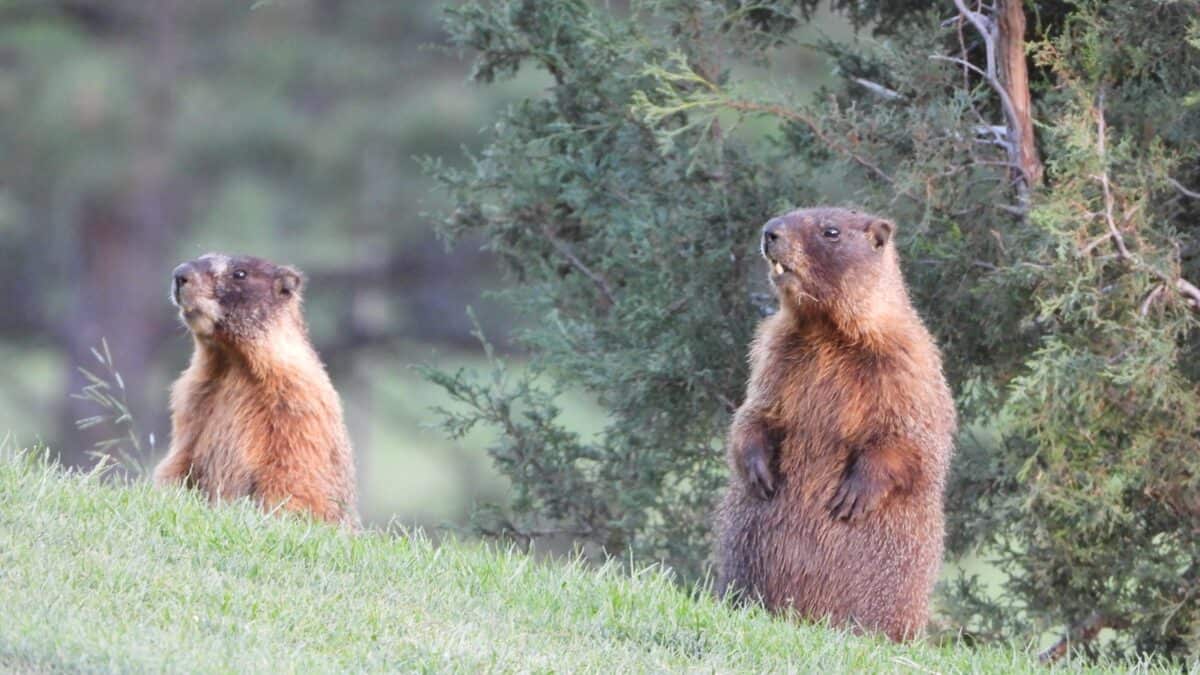
These asynchronous responses are disrupting ecological relationships that evolved over thousands of years. For example, the yellow-bellied marmot in the Rocky Mountains now emerges from hibernation 23 days earlier than it did in the 1970s, but the plants it depends on for early-season nutrition haven’t advanced their growth at the same rate. Similarly, hummingbirds migrating from Mexico to the western U.S. are increasingly mismatched with the timing of flower blooms along their route. These disruptions to ecological timing ripple through food webs, potentially leading to population declines even among species that can physically track shifting climate zones.
Human Impacts and Conservation Challenges

As wildlife shifts its distribution in response to climate change, human infrastructure increasingly impedes these movements. Roads, urban development, agricultural lands, and dams fragment the landscape, creating barriers to migration. A comprehensive analysis by the Center for Large Landscape Conservation found that less than 50% of crucial wildlife corridors in the United States have any form of legal protection. Without these protected pathways, many species cannot track their shifting climate niche across the landscape.
Conservation strategies are evolving in response to these challenges. “Connectivity conservation” has become a priority, with initiatives like the Yellowstone to Yukon Conservation Initiative working to maintain north-south migration corridors. Wildlife crossings over highways, such as those in Banff National Park that have reduced wildlife-vehicle collisions by more than 80%, are being replicated across the U.S. “Assisted migration”—the controversial practice of helping species move to new areas—is receiving increased attention, particularly for plants and animals with limited dispersal abilities. These conservation approaches recognize that in a rapidly changing climate, protecting stationary reserves is necessary but insufficient for maintaining biodiversity.
Regional Hotspots of Migration Change
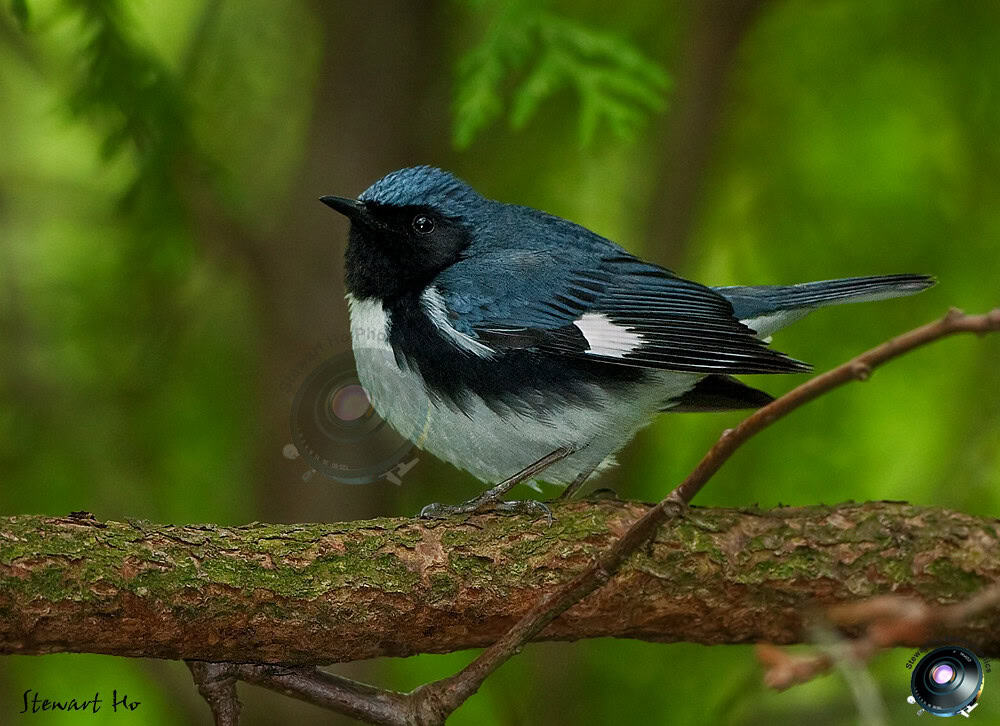
Certain regions of the United States are experiencing particularly dramatic shifts in animal migration patterns. The Northeast is seeing some of the fastest changes, with spring arriving nearly two weeks earlier than it did a century ago. This has accelerated migration timing for everything from anadromous fish like alewives to songbirds like the black-throated blue warbler. In the Southwest, prolonged drought is altering the movements of species like mule deer and elk, which must travel longer distances to find water sources. The loss of reliable surface water has concentrated wildlife around remaining water bodies, increasing disease transmission and predation risks.
The Gulf Coast represents another migration hotspot, as it serves as a crucial stopover for billions of birds migrating between North and South America. Rising sea levels and intensifying hurricanes are degrading these coastal habitats just as climate-stressed birds become more dependent on them for refueling. In Alaska and the Arctic, warming is occurring at more than twice the global average rate, driving some of the most profound ecological transformations on the continent. Caribou migration routes are shifting as vegetation zones change and ice crossings become unreliable. Marine mammals like walruses are forced to haul out on land rather than sea ice, changing their feeding patterns and exposing them to new threats.
Technological Advances in Tracking Migration Changes

Understanding how climate change affects animal migration has been revolutionized by technological advances in wildlife tracking. Miniaturized GPS tags weighing less than a gram now allow scientists to track the movements of even small songbirds across continents. The Motus Wildlife Tracking System uses a network of automated radio receiving stations across North America to detect animals fitted with lightweight radio transmitters, generating millions of data points on migration patterns. Satellite tracking of marine species has revealed previously unknown migration routes and how they’re changing in response to ocean warming.
Citizen science initiatives like eBird, which collects millions of bird observations annually from volunteers across the country, provide unprecedented data on shifting distribution patterns. The National Phenology Network engages thousands of Americans in recording the timing of biological events like bird arrivals and flower blooms, creating a vast database for detecting changes. Advances in environmental DNA (eDNA) analysis allow scientists to detect species presence in water or soil samples, tracking range shifts of elusive aquatic species without direct observation. These technological tools are essential for documenting migration changes at the continental scale and speed necessary to inform conservation responses to climate change.
Conclusion: Navigating an Uncertain Future

The shifts in animal migration patterns across the United States represent one of the most visible biological responses to our changing climate. As temperatures continue to rise—potentially by another 2-4°F by mid-century according to NOAA projections—these migration changes will accelerate and intensify. While some adaptable species may successfully track their preferred climate conditions, many others face insurmountable barriers or lack the dispersal capacity to keep pace with rapid change. The resulting ecological reorganization will transform American landscapes and challenge traditional approaches to wildlife conservation.
The path forward requires both mitigation of climate change and adaptation of conservation strategies. Reducing greenhouse gas emissions remains essential for limiting the magnitude of future warming and giving species more time to adapt. Simultaneously, conservation approaches must evolve to protect migration corridors, assist species movements where appropriate, and maintain ecosystem functions even as species compositions change. Continued monitoring and research are vital for anticipating changes and identifying vulnerable species before their populations collapse.
Perhaps most importantly, addressing climate-driven migration shifts requires recognizing that the static notion of nature—with each species in its “proper place”—no longer applies in our rapidly changing world. Instead, conservation must embrace dynamism and work to maintain ecological processes and relationships even as species move across the landscape. The migration shifts we’re witnessing are not just scientific curiosities but profound reminders of how thoroughly human activities are reshaping the natural world—and how urgently we need to rethink our relationship with it.
As we face this uncertain ecological future, the birds overhead, the fish in our streams, and the mammals crossing our landscapes are all following ancient migratory instincts into new territories. Their journeys, altered by our changing climate, tell a story of adaptation, struggle, and resilience that mirrors the challenges facing all life on our warming planet.

From exploring the marine wonders in the Azores and witnessing the vast savannas of Kenya, to delving deep into the rich biodiversity of South Africa and traversing iconic landscapes in Australia and the US like Yellowstone, Chris's experiences are vast.
With a penchant for diving alongside sharks, the ocean holds a special place in his heart.
Through his academic insights, he champions wildlife conservation, striving with 'Animals Around The Globe' to cultivate a profound connection between humans and animals, enhancing our mutual appreciation.
Connect with him at Feedback@animalsaroundtheglobe.com.