
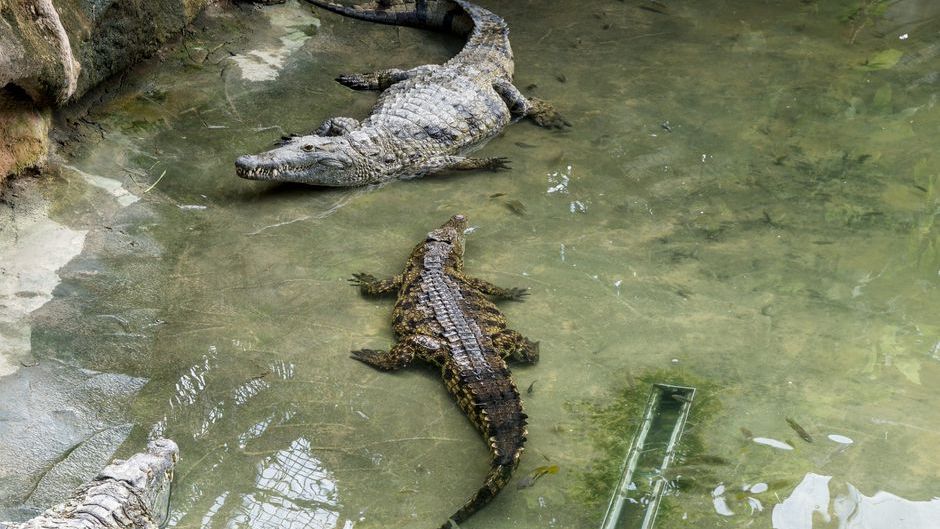
Crocodiles glide through murky waters today much as their distant relatives did long before humans walked the earth. Their story stretches across more than two hundred million years of planetary upheaval, including asteroid strikes and climate shifts that wiped out vast numbers of other creatures.
Yet these animals kept going. The reasons behind that endurance reveal a mix of physical traits, lifestyle choices, and sheer flexibility that set them apart from many contemporaries.
Tracing Back Millions of Years
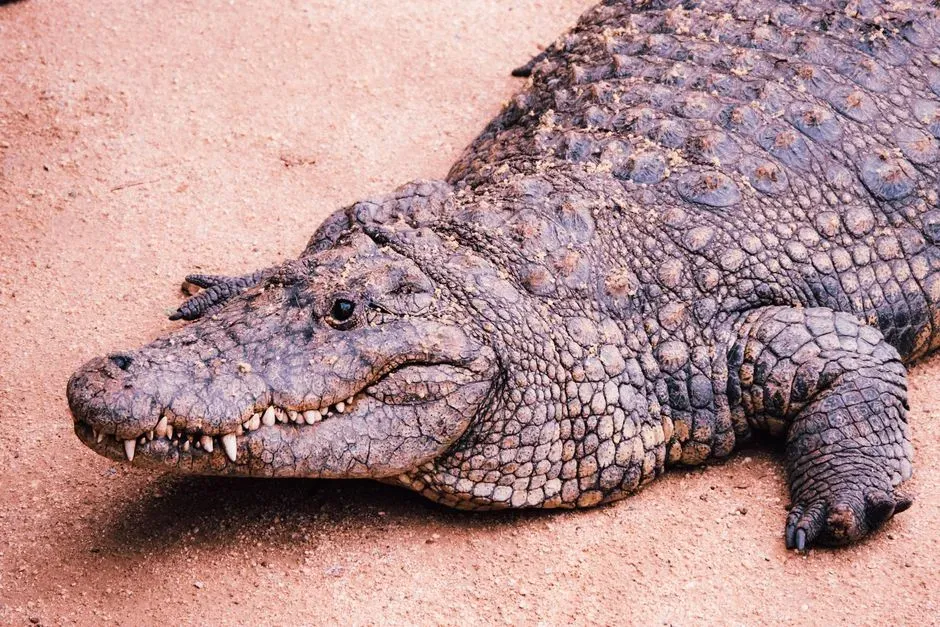
The crocodile lineage belongs to a group called crocodylomorphs that first appeared in the late Triassic period. Early forms already showed traits that would prove useful later, such as sturdy bodies suited to both land and water.
These ancestors navigated the end of the Triassic around two hundred one million years ago, when many land species disappeared. Their ability to occupy varied niches helped them move forward while others faded.
The Power of a Slow Metabolism
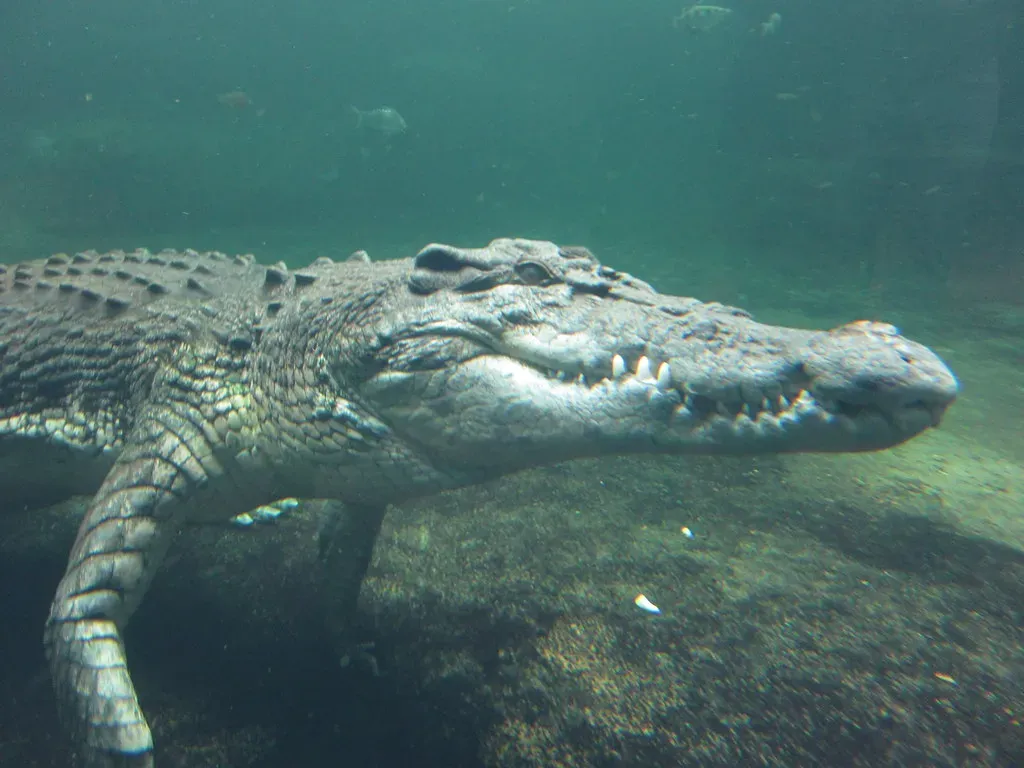
Crocodiles conserve energy in remarkable ways. They can remain still for long periods, breathe slowly, and maintain a very low heart rate that lets them hold their breath underwater for over an hour.
This efficiency means they survive months or even more than a year without eating. When food chains collapsed during extinctions, that trait became a decisive advantage over animals that needed constant meals.
Thriving in Protected Habitats
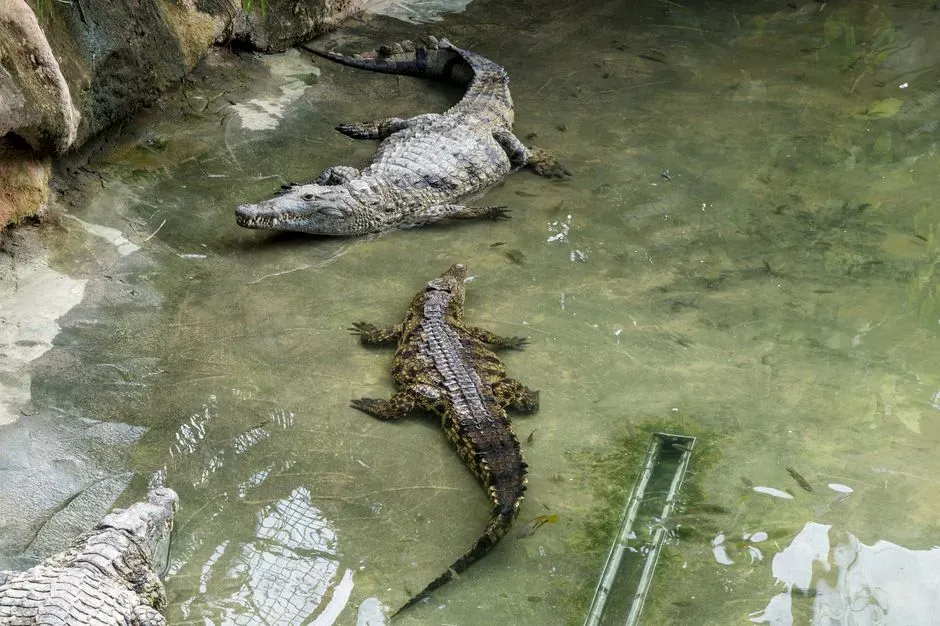
Many crocodiles lived in rivers, lakes, and coastal areas where the effects of global disasters hit less hard. Forests and grasslands suffered massive plant die offs that starved herbivores and the predators that relied on them.
Aquatic environments often retained enough resources to support generalist feeders. This placement in more stable zones gave crocodilian ancestors a buffer during the worst crises.
Mastering Dietary Flexibility
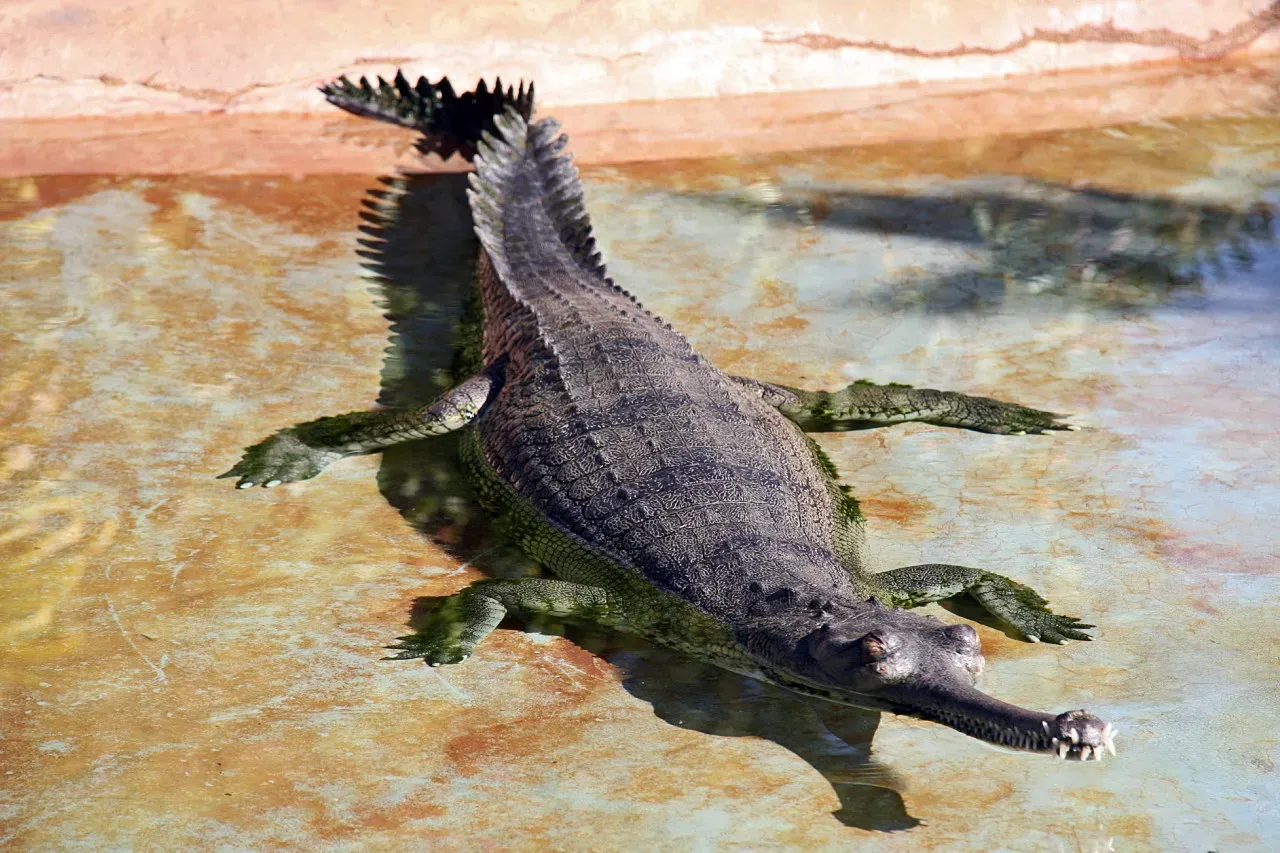
Recent research shows that dietary variety played a central role in long term survival. Crocodylomorphs shifted between carnivorous, herbivorous, and mixed diets depending on what was available.
Generalists rather than narrow specialists fared better across changing conditions. A study published in 2025 in the journal Palaeontology highlights how this adaptability let some lineages persist and even diversify after major losses.
Navigating the Triassic Extinction
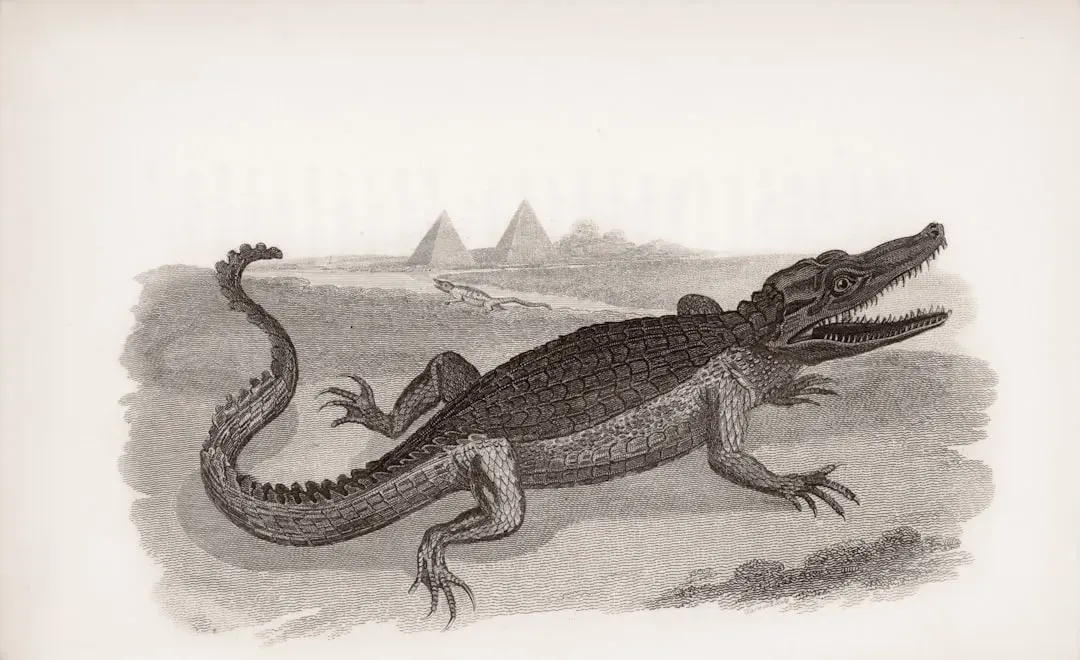
The end Triassic event eliminated many pseudosuchian relatives of early crocodiles. Land dwelling generalists among the crocodylomorphs managed to endure and later expand into new roles.
They avoided the fate of more specialized groups by remaining opportunistic. This period set the stage for further resilience in the face of future upheavals.
Enduring the Dinosaur Killer Event
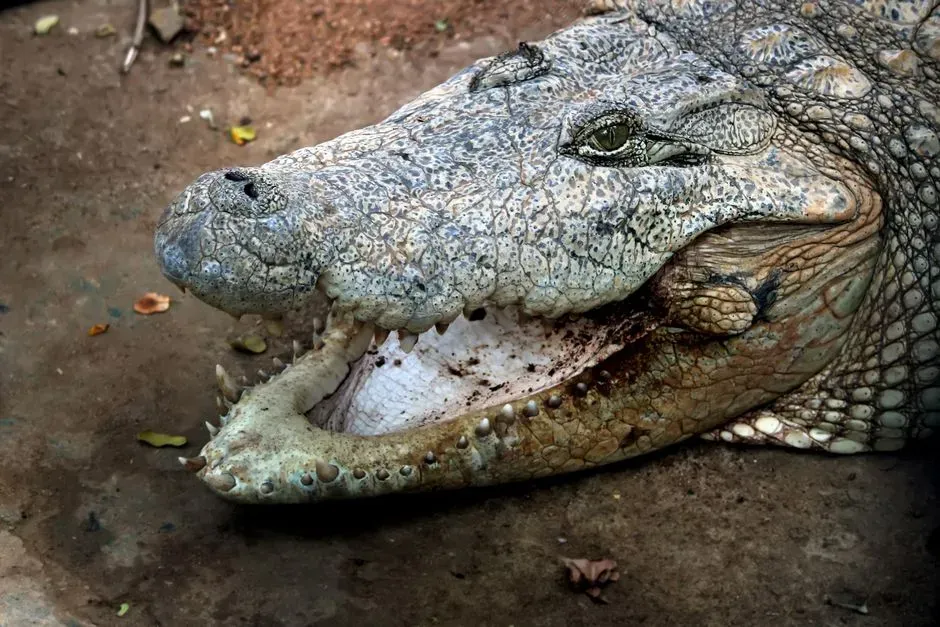
The asteroid impact sixty six million years ago ended the non avian dinosaurs. Crocodiles again benefited from low food requirements and habitats buffered from the initial blast effects.
They also drew on their established metabolic savings and broad diets. While entire ecosystems collapsed around them, these reptiles simply waited out the scarcity.
What Their Story Means Today
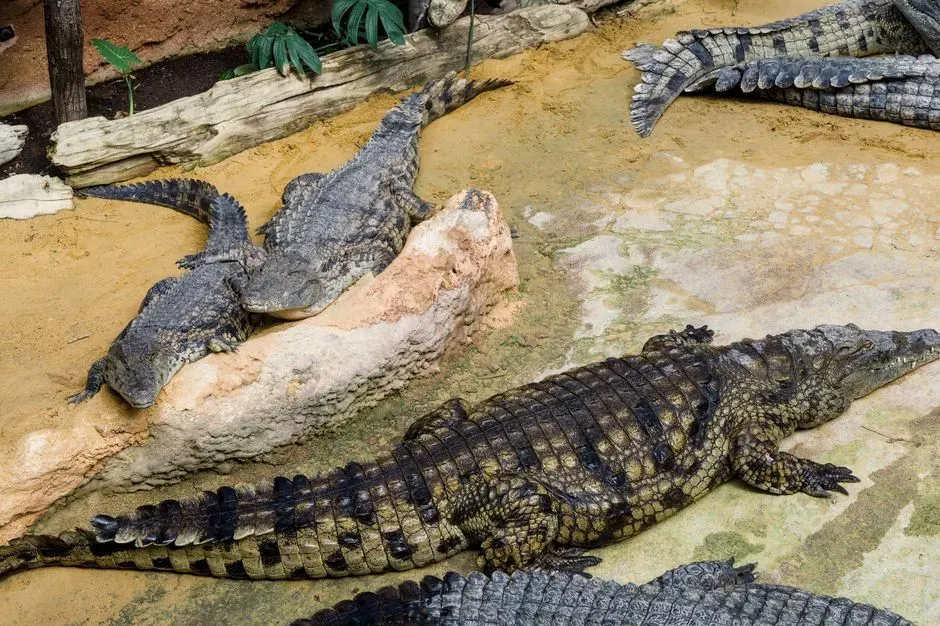
Crocodiles remind us that survival often favors the adaptable over the specialized. Their long record shows how modest energy needs and flexible habits can carry a lineage through repeated global shocks.
In a world facing rapid environmental change, that example carries weight. Protecting the habitats that still support these ancient survivors may prove as important for their future as their own built in advantages have been for their past. Their persistence offers a quiet lesson in resilience that feels worth remembering.
