

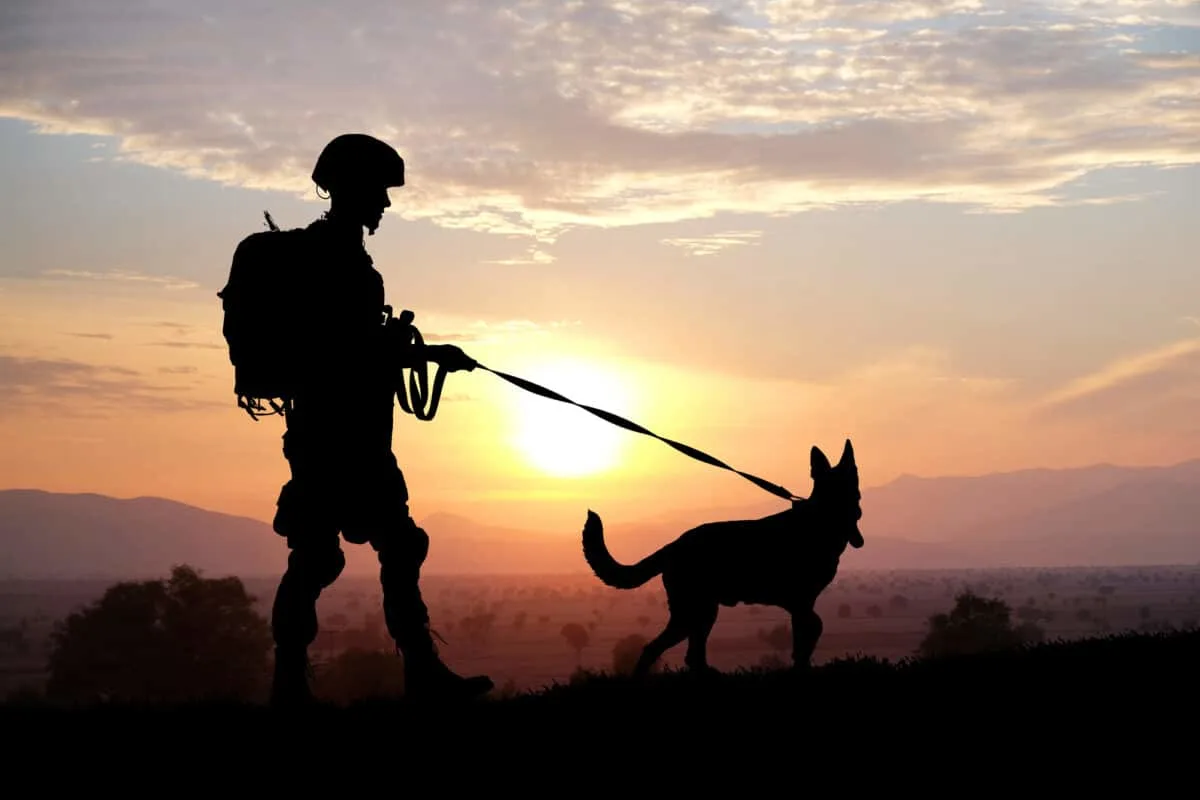
The bond between humans and dogs has long been celebrated for its profound emotional benefits. In recent years, this connection has shown unprecedented potential in therapeutic contexts, especially among veterans grappling with Post-Traumatic Stress Disorder (PTSD). As this unique therapy continues to gain traction, let’s delve into how dogs are playing an instrumental role in the recovery and well-being of America’s veterans.
The Growing Need for PTSD Solutions

Post-Traumatic Stress Disorder is a serious mental health condition that affects veterans who have experienced the traumatic events of warfare. Symptoms include flashbacks, anxiety, and severe depression, often altering a person’s ability to maintain daily life and relationships. With a growing population of veterans in need, innovative solutions are crucial to their support and healing.
The Healing Power of Canine Companionship
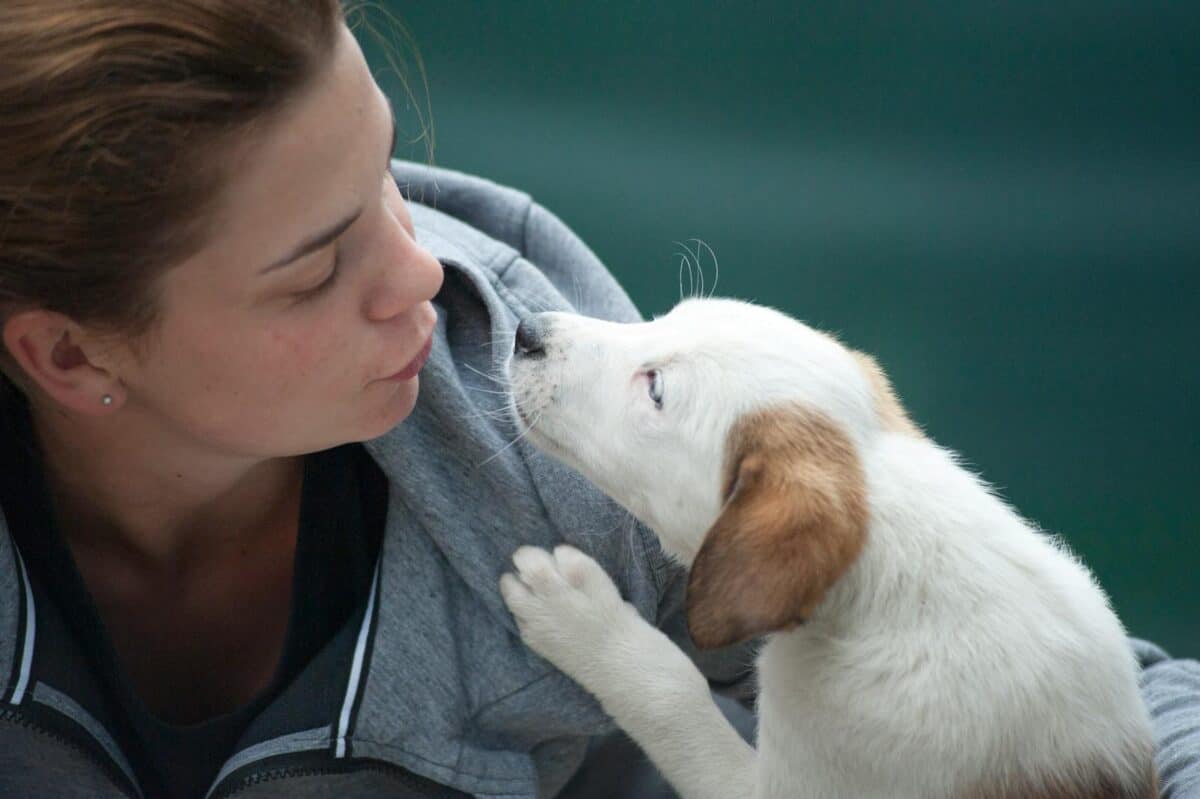
Dogs have long been valued for their unconditional love and loyalty, traits that provide comfort and security to those suffering from PTSD. Research supports that the presence of a dog can lower stress levels, reduce anxiety, and help stabilize heart rates, thereby creating a calm and reassuring environment for veterans.
Service Dogs: More Than Just Pets

Unlike average pets, service dogs undergo rigorous training to assist veterans with specific PTSD symptoms. This includes recognizing signs of an anxiety attack, providing tactile stimulation to disrupt negative thoughts, and ensuring physical and emotional safety for their human partners. These dogs become an integral part of the veteran’s life, offering a sense of purpose and partnership.
The Training Process

Training a service dog for veterans dealing with PTSD is an extensive process. It often begins with basic obedience and progresses to more complex commands tailored to individual needs, such as retrieving medication or interrupting nightmares. This process ensures that each dog can effectively support their veteran partner in real-life scenarios.
Organizations Leading the Charge

Several organizations across the U.S. are dedicated to pairing veterans with service dogs. Groups like K9s For Warriors, Paws for Purple Hearts, and Warrior Canine Connection lead these efforts, often with the support of public and private funding. Their programs aim not only to provide trained service dogs but also to offer continued support and education for the veterans.
Success Stories: Transformational Bonds

The success stories between veterans and their service dogs are numerous and heartwarming. Veterans often report improved quality of life, reduced symptoms of PTSD, and the ability to re-engage in community and family life once again. These testimonials highlight the dogs’ role in providing emotional grounding and companionship.
The Science Behind the Bond

Scientific studies have shown that interaction with dogs can trigger the release of oxytocin, a hormone known for boosting mood and fostering social bonding. This hormonal response is particularly beneficial for those with PTSD, as it helps mitigate feelings of isolation and anxiety.
Challenges and Barriers

Despite the recognized benefits, there are challenges in providing service dogs to all veterans in need. Costs of training and maintaining a service dog can be high, and there are more veterans in need than there are dogs available. Additionally, veterans often face long waitlists before being paired with their canine partner.
Public Awareness and Support

Increasingly, public awareness campaigns and community events aim to highlight the need for service dogs among veterans. These initiatives encourage donations and volunteer efforts, ensuring that more dogs can be trained and matched with veterans at no cost to them.
Policy and Funding Initiatives

Government and nonprofit organizations are advocating for increased funding and policy changes to better support service dog programs. Recognizing the therapeutic benefits of these dogs, there is a push for insurance coverage and grants to alleviate financial pressures on veterans seeking this form of therapy.
The Role of Family and Community

The support from family and community plays a vital role in the successful integration of a service dog into a veteran’s life. Families are educated on how to engage with the service dog and support the veteran, while communities offer safe, accepting environments for public interaction.
Looking to the Future

As awareness and understanding grow, the use of service dogs for assisting veterans with PTSD is poised to become a staple of treatment programs across the U.S. Continued research and advocacy promise expanded access and improved integration of these remarkable animals into therapeutic practices.
Conclusion
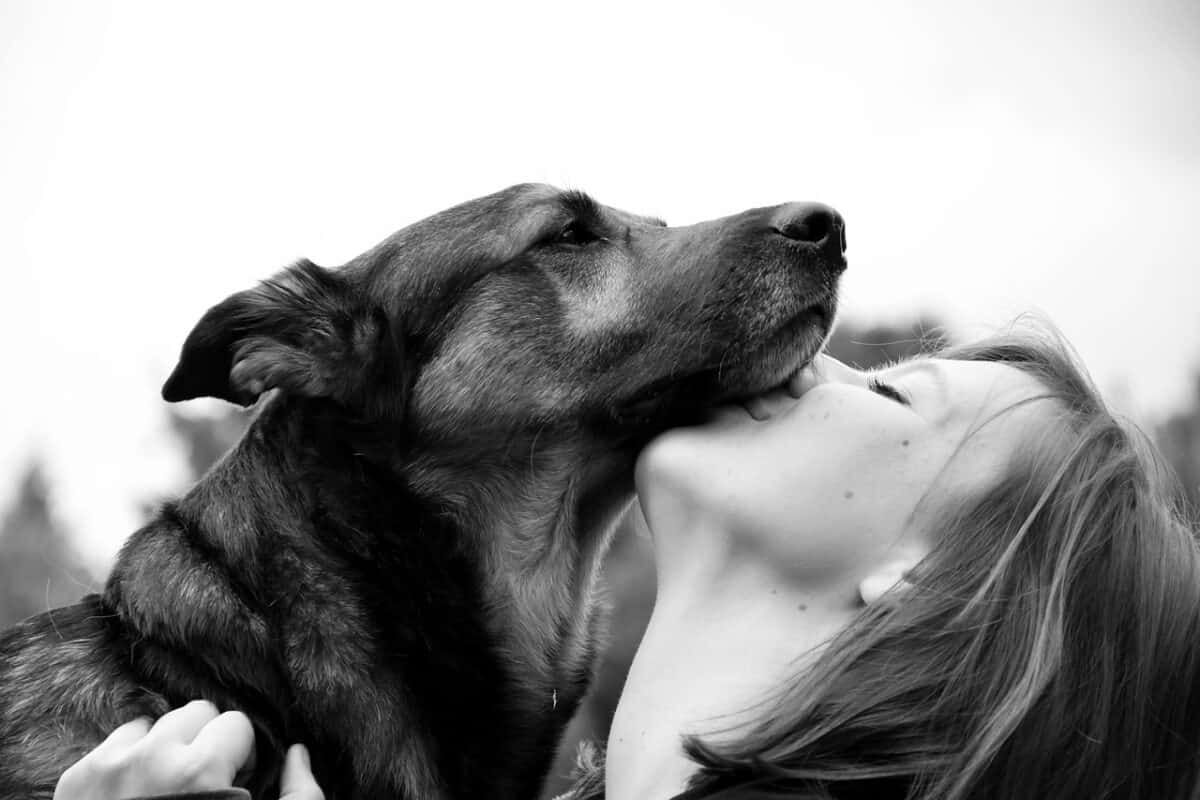
The impact of dogs on veterans facing PTSD is both profound and life-changing. By offering unique companionship and unwavering support, these service animals not only help to heal invisible wounds but also restore hope and lost trust. As we continue to support these programs and foster understanding within our communities, we can ensure that veterans and their service dog companions thrive together, one step at a time.

From exploring the marine wonders in the Azores and witnessing the vast savannas of Kenya, to delving deep into the rich biodiversity of South Africa and traversing iconic landscapes in Australia and the US like Yellowstone, Chris's experiences are vast.
With a penchant for diving alongside sharks, the ocean holds a special place in his heart.
Through his academic insights, he champions wildlife conservation, striving with 'Animals Around The Globe' to cultivate a profound connection between humans and animals, enhancing our mutual appreciation.
Connect with him at Feedback@animalsaroundtheglobe.com.
- Why Spiders Don’t Get Stuck in Their Own Webs - July 20, 2026
- What Scientists Found in a 10,000-Year-Old Beehive - July 20, 2026
- This Spider Builds Fake Decoys of Itself - July 20, 2026