


Emperor penguins are an extraordinary species, demonstrating remarkable adaptability and resilience, especially when it comes to reproduction and rearing their young in the harsh environment of Antarctica. The story of how these fascinating creatures mate and raise their chicks offers profound insights into survival against the odds, and stands as a testament to nature’s incredible designs.
The Harsh Antarctic Environment

Antarctica is one of the most extreme environments on Earth, characterized by icy landscapes and temperatures that can plummet to minus 60 degrees Celsius (-76 degrees Fahrenheit). These conditions provide a formidable backdrop against which emperor penguins not only survive but thrive. The long, dark winters are especially challenging, making the breeding process a remarkable feat of nature.
Physical Characteristics of Emperor Penguins

Emperor penguins are the largest of all penguin species, standing up to 122 centimeters (48 inches) tall and weighing between 22 and 45 kilograms (49 to 99 pounds). Their robust physique, layered with a thick layer of blubber and densely packed feathers, is perfectly suited to the freezing temperatures of their icy habitat.
Understanding Emperor Penguin Mating
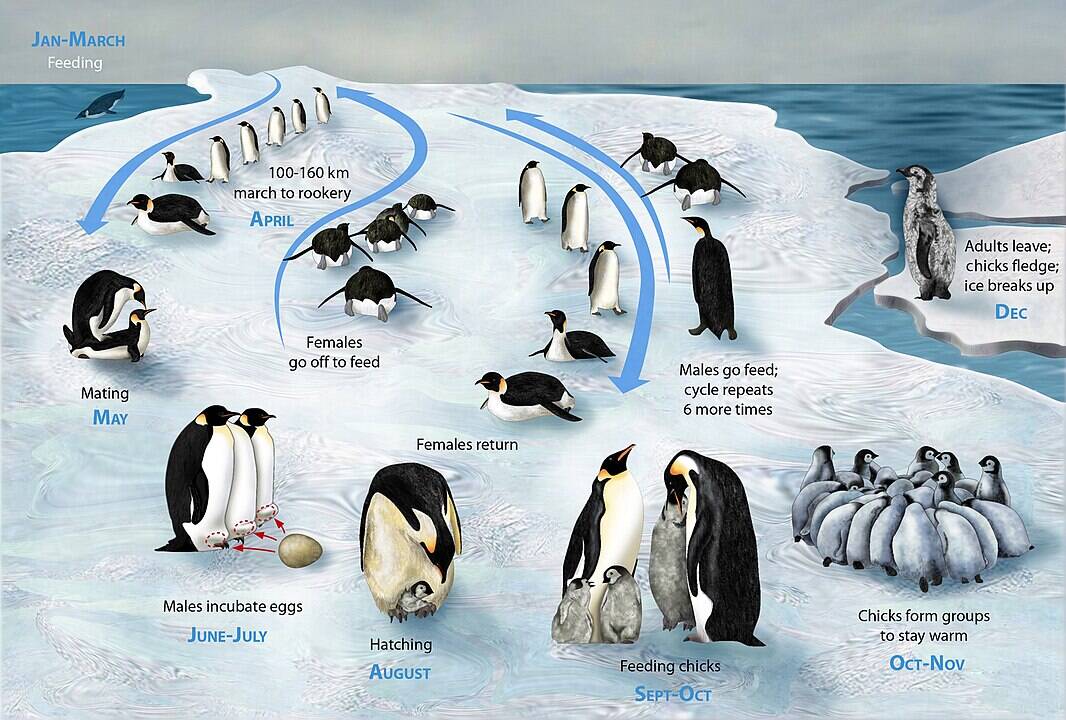
The mating process begins with a captivating courtship in March and April when autumn arrives in Antarctica. Emperor penguins engage in a delicate dance, a ritualized display involving bows, calls, and other gestures that help establish and affirm pair bonds. This courtship is essential in fostering strong connections, as these bonds will be critical for the chick’s survival in the coming months.
Breeding Ground Assemblies

By May, when winter encroaches, penguins gather in large colonies on the sea ice, several kilometers from open water. These colonies are bustling hubs of activity, where thousands of pairs congregate to breed, sheltering each other from the wind and cold. Such gatherings create a communal support system crucial for warmth and protection.
The Egg-Laying Process

Following successful courtship, the female emperor penguin lays a single egg between May and June. This precious egg is carefully transferred to the male’s feet, where it will rest in a special brood pouch – a fold of skin that keeps it warm. This meticulous transfer process is delicate and critical, as exposure to the cold could quickly be fatal to the egg.
Male Incubation and Fasting

In a profound display of shared responsibility, the male takes on the duty of incubation. For the next two months, he will keep the egg warm within his brood pouch, balancing it expertly on his feet. During this time, the male fasts, relying solely on his stored body fat to survive the harsh conditions, losing up to 20 kilograms (44 pounds) in the process.
Female Foraging Expeditions
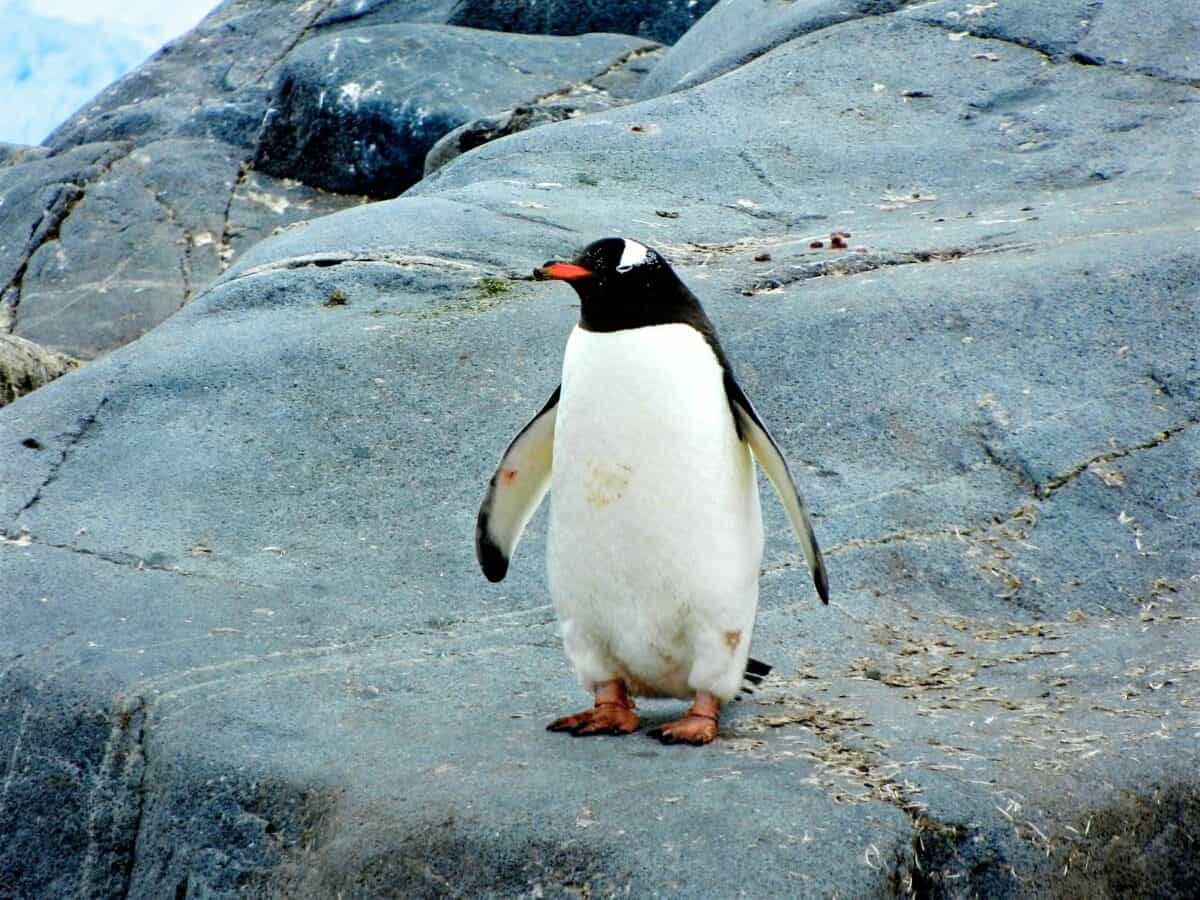
While the males dutifully incubate the eggs, the females embark on vast hunting voyages, traveling up to 80 kilometers (50 miles) to reach the open ocean and fill their bellies with fish, squid, and krill. These nutrient-rich journeys are essential for replenishing energy reserves in preparation for the demanding chick-rearing ahead.
Chick Hatching and Early Life
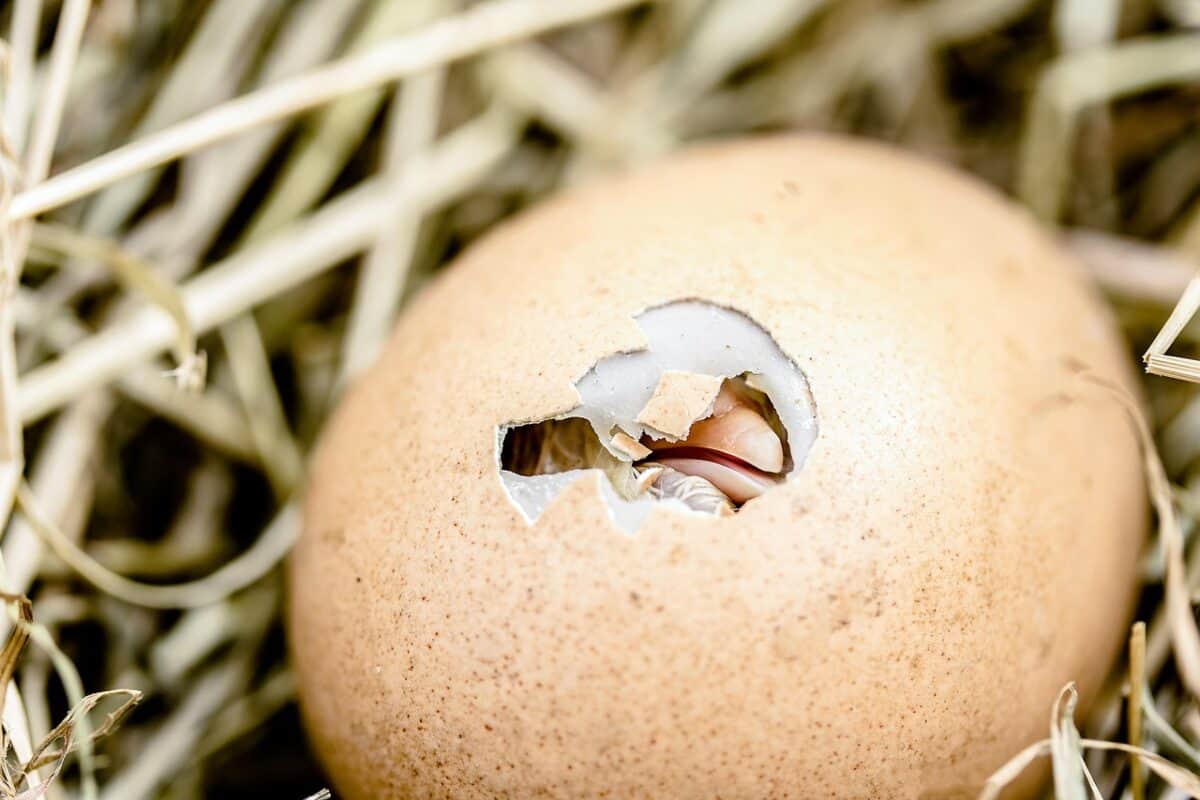
As July approaches, the penguin chicks begin to hatch. They emerge as fluffy, down-covered creatures, utterly dependent on their parents for warmth and sustenance. The timing of hatching is critical, as it coincides with the return of the female penguins, whose revival ensures the chicks are fed with the regurgitated catch from their recent foraging trips.
Parenting Roles and Responsibilities

The parenting duties of emperor penguins are equally shared. After the chick hatches, the female takes over the primary care, feeding the young ones, while the male finally gets a chance to return to the sea to hunt. It is a finely-tuned partnership where both parents endure significant hardships to ensure their offspring’s survival.
Chick Development Stages
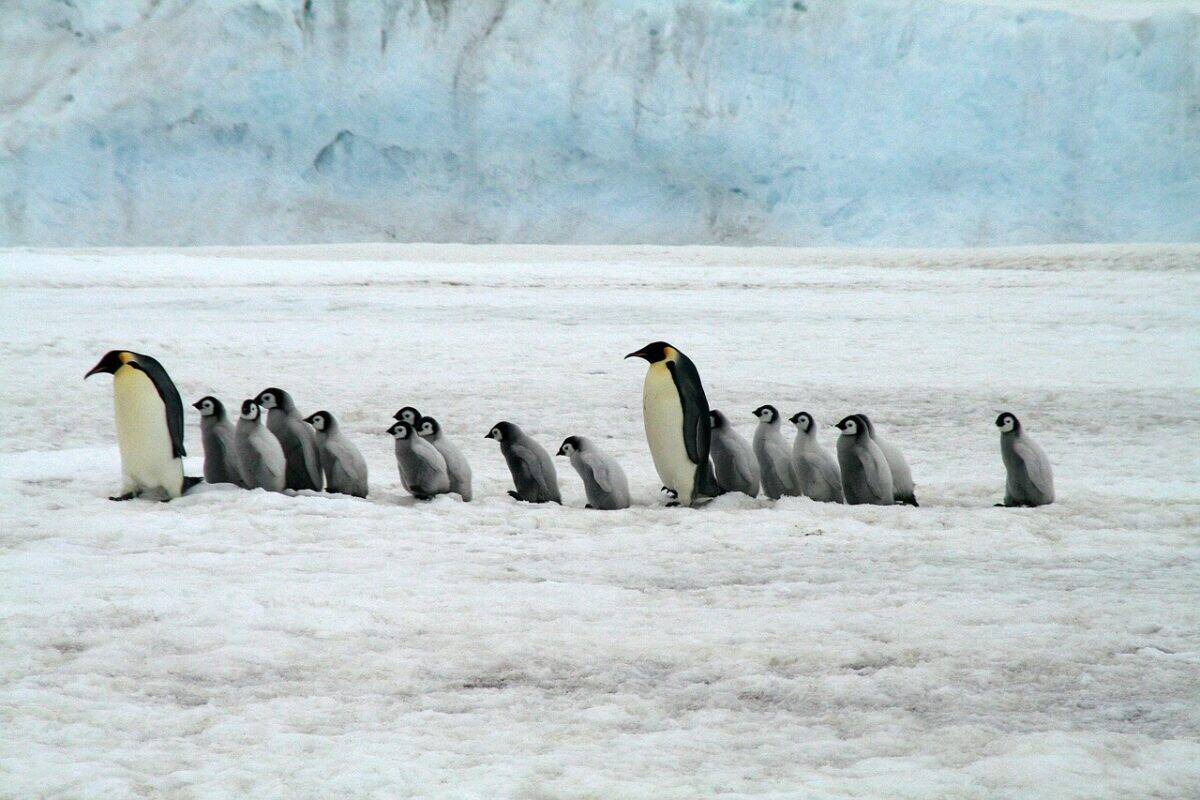
Throughout the initial few months, emperor penguin chicks grow rapidly. By December, they molt, shedding their juvenile down for waterproof feathers that prepare them for a life at sea. The transition from fluffy chick to sleek penguin is a vital milestone marking their increasing independence.
Colony Life and Protective Strategies

Raising a chick in such a harsh climate necessitates collective effort. Emperor penguins cluster in communal groups known as crèches to provide additional warmth and protection against predators. This social structure is essential for chick survival, allowing parents to forage while their young are safeguarded within the group.
Independence and Life at Sea

Once fully feathered, juvenile penguins venture into the icy waters for the first time, initiating their independent lives. These initial forays are risky yet critical, marking their survival into adulthood. They must quickly learn to hunt and navigate the treacherous seas, skills essential for thriving in this harsh ecosystem.
The life cycle of the emperor penguin is a compelling narrative of endurance and cooperation. Their remarkable adaptations and shared parenting responsibilities illustrate a sophisticated survival strategy perfectly attuned to their environment. These majestic birds remind us of nature’s resilience and the intricate balance of life in one of Earth’s most challenging landscapes.

- How Crickets Chirp Using Their Wings - July 20, 2026
- The Largest Sea Turtle Ever Rescued Off North Carolina - July 20, 2026
- The Ocean’s Escape Artist: Why Octopuses Outsmart Us All - July 20, 2026