

The sight of a spider scurrying across the floor can trigger an instant reaction for many people—pounding heart, sweaty palms, and an overwhelming urge to flee. Arachnophobia, or the fear of spiders, ranks among the most common specific phobias worldwide, affecting an estimated 3-15% of the population. While some people merely feel uncomfortable around these eight-legged creatures, others experience debilitating panic that can significantly impact their daily lives. This widespread fear seems puzzling when we consider that most spiders pose virtually no threat to humans. So why do these small arthropods inspire such outsized terror? And more importantly, how can those affected overcome this fear? This article explores the evolutionary, cultural, and psychological roots of arachnophobia and provides evidence-based strategies for conquering spider fears.
The Evolutionary Basis of Spider Fear

Our fear of spiders may be partially hardwired into our brains. Evolutionary psychologists suggest that humans who quickly learned to avoid potentially venomous creatures like spiders had a survival advantage over those who didn’t. This “preparedness theory,” proposed by psychologist Martin Seligman, suggests that we’re biologically prepared to associate certain stimuli—like spiders—with fear more readily than others. Some research indicates that humans can detect spider-like shapes more quickly than other objects, suggesting a specialized attention mechanism that evolved to keep us safe.
This evolutionary perspective helps explain why spider fear is so widespread across different cultures and why it can develop even without negative personal experiences. Studies have shown that babies and young children often display wariness of spider-like shapes before they’ve been taught to fear them. However, not everyone develops arachnophobia, which suggests that while evolution may have given us a predisposition toward caution around spiders, other factors must contribute to developing a full-blown phobia.
The Role of Learning and Culture
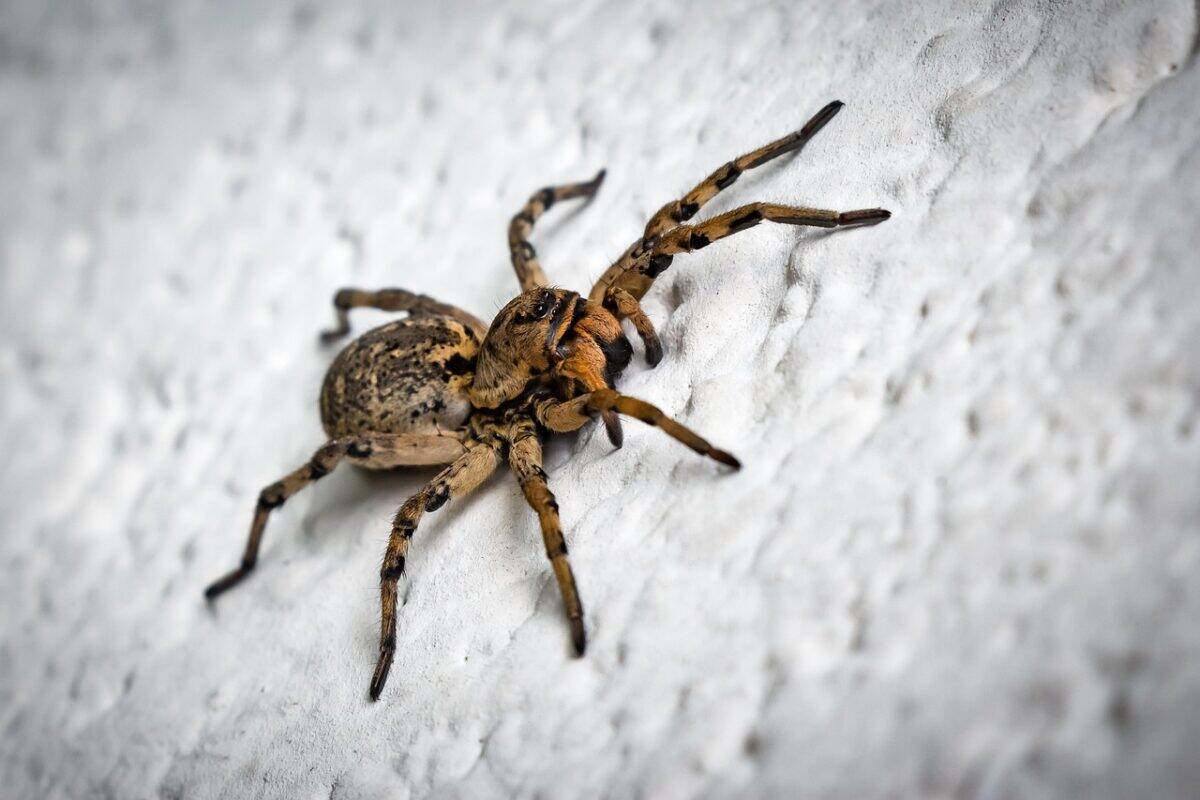
While evolution may provide the foundation for spider fear, learning and cultural influences significantly shape how this fear develops. Children readily acquire fears by observing others’ reactions—a phenomenon psychologists call “vicarious learning.” A parent who screams at the sight of a spider can unintentionally teach their child that spiders are dangerous. Similarly, media representations of spiders as villainous or deadly (think horror movies featuring giant spiders) reinforce negative associations.
Cultural attitudes toward spiders vary globally, and these differences influence phobia rates. In cultures where spiders are viewed positively—as symbols of creativity, patience, or good luck—fear tends to be less prevalent. Conversely, in Western societies where spiders are often portrayed negatively, arachnophobia rates are higher. This cultural variability suggests that our fear is not merely instinctual but is shaped by the messages we receive from our environment.
The Disgust Factor
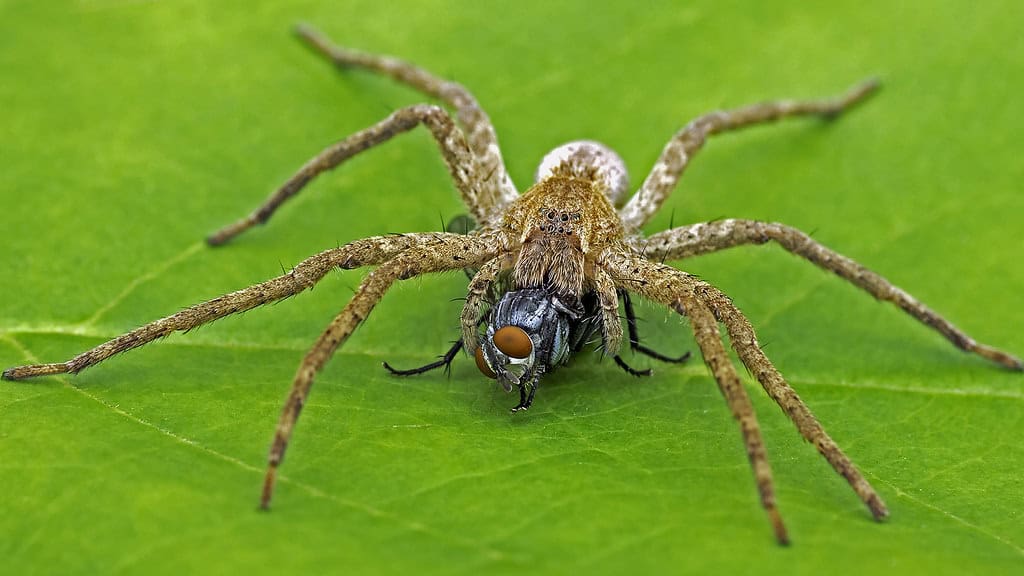
Beyond fear, spiders trigger disgust in many people—a distinct emotional response that evolved to protect us from contamination and disease. Their strange appearance—eight legs, multiple eyes, erratic movements—violates our expectations of how animals should look and behave, creating what researchers call the “disgust response.” This disgust reaction may explain why even non-venomous, harmless spiders can provoke such strong aversions.
Research suggests that disgust sensitivity correlates with spider fear, with people who are generally more disgust-prone also reporting higher levels of spider aversion. Interestingly, this disgust response can be particularly strong in developed countries where people have less regular contact with diverse arthropods. The “biophobia hypothesis” suggests that reduced exposure to natural environments and their inhabitants may actually increase our tendency to find them disgusting or frightening—a paradoxical effect of modern living.
When Fear Becomes Phobia
While many people dislike spiders, true arachnophobia represents a more severe condition classified as a specific phobia in the Diagnostic and Statistical Manual of Mental Disorders (DSM-5). The distinction lies in the intensity and impact of the fear. Someone with arachnophobia experiences excessive, persistent fear that is disproportionate to the actual danger. Their fear causes significant distress and may lead to avoidance behaviors that interfere with normal functioning.
For example, a person with severe arachnophobia might refuse to enter certain rooms of their home where they once saw a spider, check under furniture obsessively, or even avoid outdoor activities altogether. Women are diagnosed with arachnophobia approximately twice as often as men, though this gender disparity may reflect reporting differences rather than true prevalence rates. Phobias often develop in childhood or adolescence, but can emerge at any age, particularly after traumatic experiences.
The Reality of Spider Danger
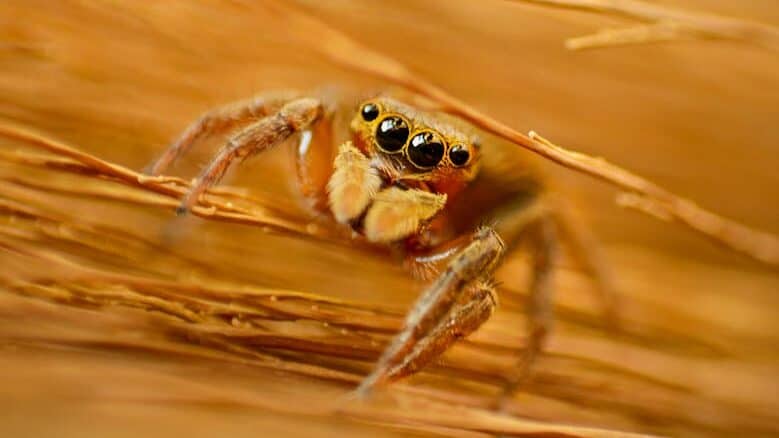
One of the most striking aspects of arachnophobia is how dramatically it overestimates the actual threat spiders pose. Of the approximately 45,000 known spider species worldwide, only about 30 produce venom capable of causing significant harm to humans. In the United States, only the black widow and brown recluse spiders are considered medically significant, and deaths from spider bites are extremely rare—fewer than 7 fatalities per decade in the U.S. By comparison, bees and wasps cause far more fatalities, yet inspire less widespread terror.
Most spiders are not only harmless but beneficial, consuming insects that would otherwise damage crops or spread disease. House spiders typically have no interest in biting humans and do so only when threatened or accidentally pressed against skin. Understanding the actual risk can be a first step toward putting spider fear in perspective. As arachnologist Christopher Buddle notes, “The danger posed by spiders is vastly exaggerated, while their ecological benefits are often overlooked.”
Common Triggers and Symptoms
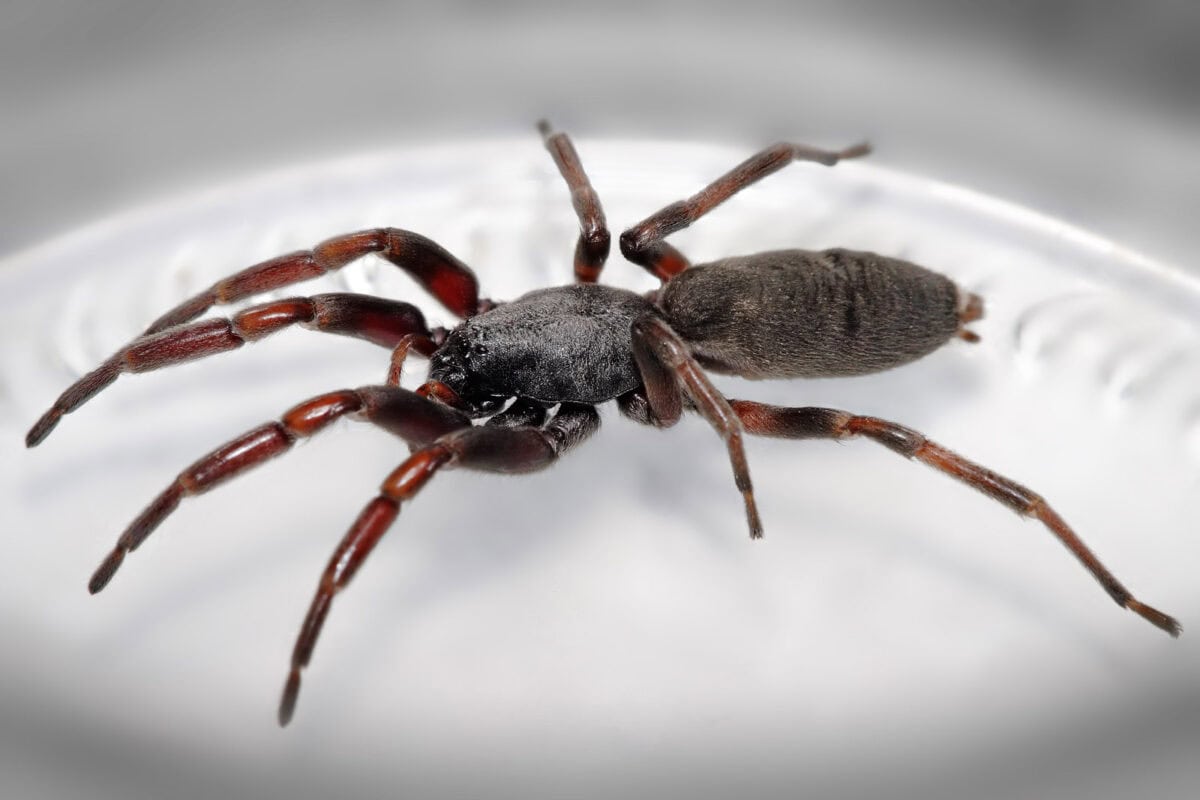
For those with arachnophobia, a wide range of stimuli can trigger fear responses. The sight of a live spider is the most obvious trigger, but pictures of spiders, spider webs, or even spider-like movements can provoke anxiety. Some people report that certain words (“spider,” “web,” “eight-legged”) are enough to induce discomfort. This phenomenon, where fear generalizes to stimuli associated with the feared object, is a hallmark of phobias.
Physical symptoms of arachnophobia mirror those of other anxiety disorders: increased heart rate, shallow breathing, sweating, trembling, nausea, and dizziness. Cognitive symptoms include racing thoughts, difficulty concentrating, and an overwhelming urge to escape. Some individuals experience “freezing,” where they become temporarily paralyzed by fear. These reactions result from activation of the body’s fight-or-flight response, a physiological survival mechanism that, in phobias, is triggered inappropriately by non-threatening stimuli.
Exposure Therapy: The Gold Standard Treatment

The most effective treatment for arachnophobia is exposure therapy, a form of cognitive-behavioral therapy (CBT) with strong empirical support. This approach involves gradually and systematically confronting the feared object—in this case, spiders—in a controlled environment. A therapist might begin with simply looking at cartoon images of spiders, then progress to photographs, videos, and eventually encounters with actual spiders. Throughout this process, the person learns that their anxiety naturally decreases over time (a process called habituation) and that their catastrophic predictions don’t materialize.
Modern exposure therapy often incorporates techniques like breathing exercises and cognitive restructuring (challenging irrational thoughts). Success rates are impressive, with studies showing 80-90% of participants experiencing significant reduction in fear after completing a proper exposure protocol. Single-session treatments have even shown effectiveness for some individuals. The key principle behind exposure therapy is that avoidance maintains fear, while safe exposure dissolves it by providing corrective learning experiences.
Virtual Reality and Technology-Based Approaches

For those who find traditional exposure therapy too daunting, virtual reality (VR) offers a promising alternative. VR exposure therapy creates computer-generated environments where individuals can encounter virtual spiders in a controlled, graduated manner. Studies show that VR treatment can significantly reduce spider fear, with results comparable to traditional exposure using real spiders. The advantage of VR is that it allows precise control over the exposure experience while feeling realistic enough to trigger and then habituate fear responses.
Other technology-based treatments include smartphone apps designed to help people practice exposure exercises at home, augmented reality programs that can place digital spiders in real environments, and online self-help programs based on cognitive-behavioral principles. While these approaches may not replace therapist-guided treatment for severe phobias, they offer accessible options for those with milder fears or limited access to specialized care. Research suggests that even brief digital interventions can produce meaningful improvements in spider fear.
Cognitive Approaches to Overcoming Fear
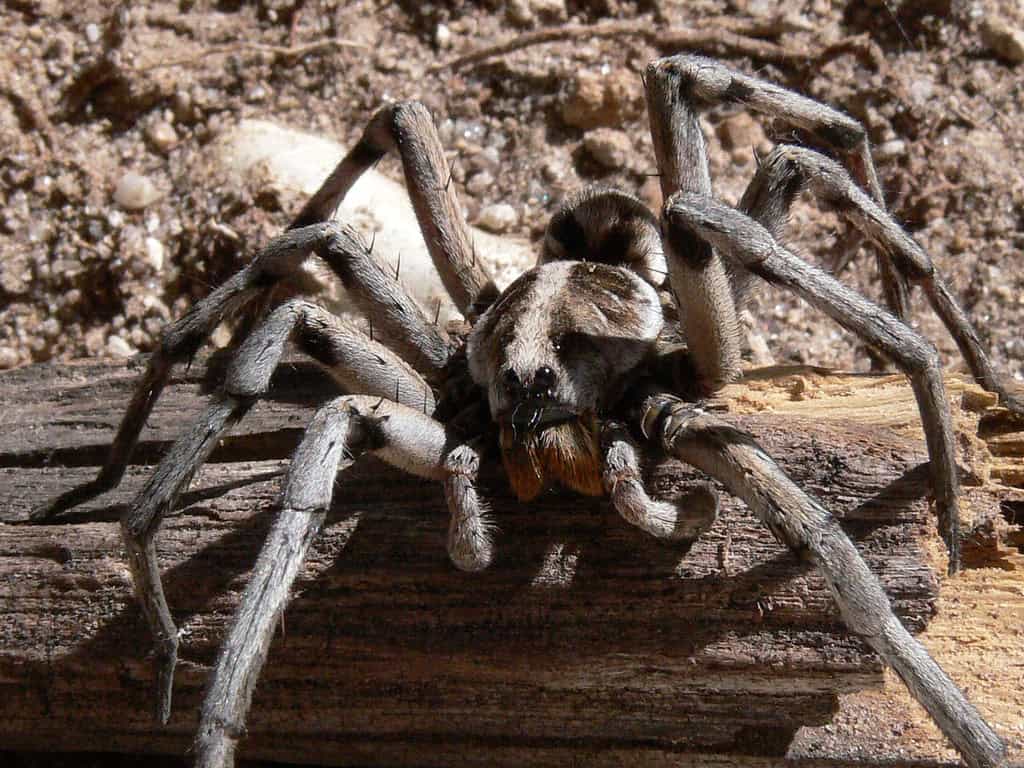
While exposure is crucial for overcoming spider fear, addressing the thoughts that maintain fear can accelerate progress. Cognitive restructuring involves identifying and challenging unhelpful beliefs about spiders. For example, a person might catastrophize (“If a spider touches me, I’ll completely lose control”) or overgeneralize (“All spiders are deadly”). A therapist would help them evaluate these thoughts against evidence and develop more realistic alternatives (“Most spiders are harmless, and I can tolerate temporary discomfort”).
Education about spiders can powerfully complement this cognitive work. Learning about spider biology, behavior, and ecological importance can transform how people perceive these animals. Studies show that providing factual information about spiders’ positive attributes (they eat pest insects, rarely bite humans, are typically shy) can reduce fear ratings. Some exposure programs incorporate guided interactions with knowledgeable arachnologists who can correct misconceptions and highlight spiders’ fascinating adaptations, effectively turning fear into curiosity.
Self-Help Strategies and Gradual Exposure
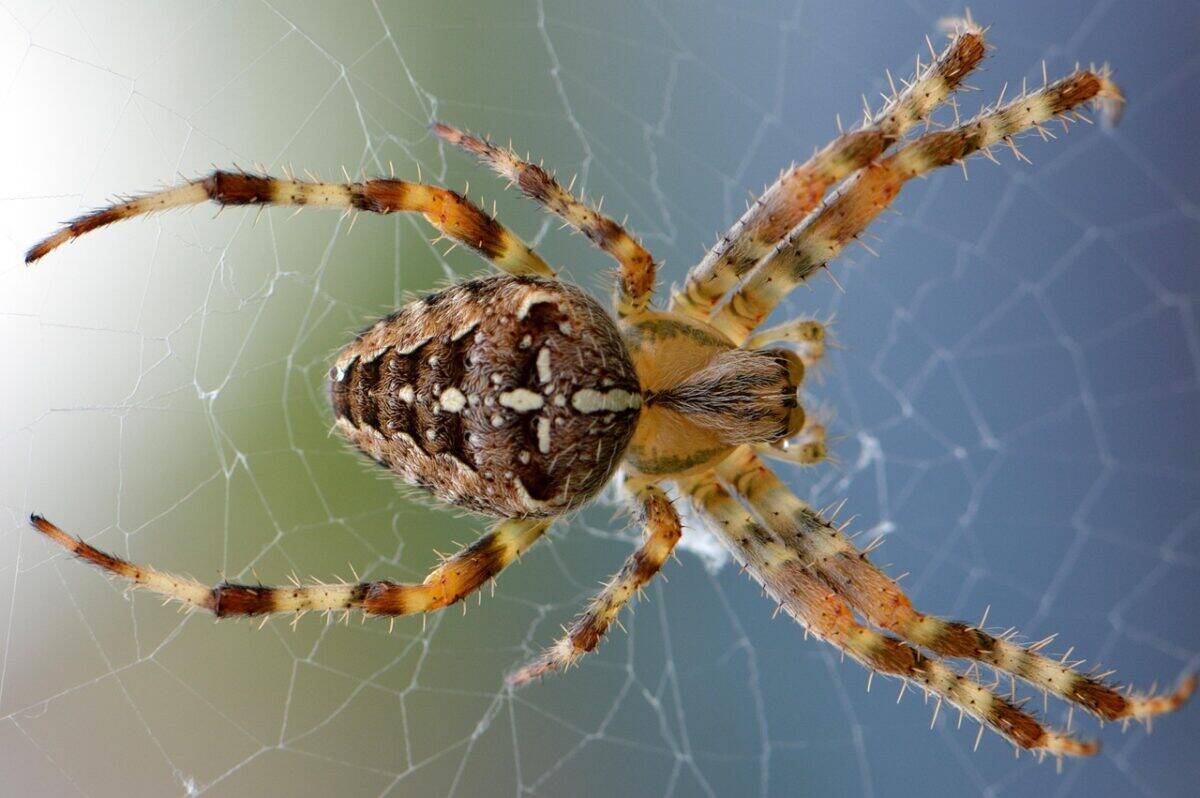
For those with milder spider fear or limited access to formal treatment, self-directed approaches can be effective. Creating a personal “fear hierarchy” is a good starting point—listing spider-related situations from least to most frightening. This might range from looking at cartoon spiders to holding a live specimen. Beginning with the least anxiety-provoking item and gradually working upward allows for systematic desensitization. Each exposure should last long enough for anxiety to naturally decrease (typically 20-60 minutes), and regular practice accelerates progress.
Complementary strategies include relaxation techniques like deep breathing, progressive muscle relaxation, or mindfulness meditation, which can help manage the physical symptoms of anxiety during exposures. Setting specific, achievable goals (“I will look at spider pictures for five minutes without looking away”) provides structure and measurable progress. Self-help books based on cognitive-behavioral principles can guide this process, though professional help is recommended for severe phobias that significantly impact daily functioning.
Helping Children Overcome Spider Fear

Children are particularly susceptible to developing spider fears, but they can also respond remarkably well to intervention. For parents helping children overcome arachnophobia, modeling non-fearful behavior is crucial—children readily adopt adults’ emotional responses to stimuli. Avoid reinforcing fear by reacting dramatically to spiders or accommodating avoidance behaviors (like checking rooms for spiders or killing them unnecessarily). Instead, demonstrate calm, curious responses when encountering spiders.
Age-appropriate education helps children develop realistic perspectives on spiders. Picture books featuring friendly spider characters, nature documentaries, or visits to museums with arachnid exhibits can normalize these creatures. Gradual exposure works for children just as it does for adults, but should be framed as an adventure or game rather than a clinical exercise. Praise and small rewards for brave behavior (looking at a spider, staying in a room with a spider present) can motivate children to face their fears. Research indicates that addressing spider fears in childhood may prevent the development of more entrenched phobias in adulthood.
Embracing a New Perspective on Spiders
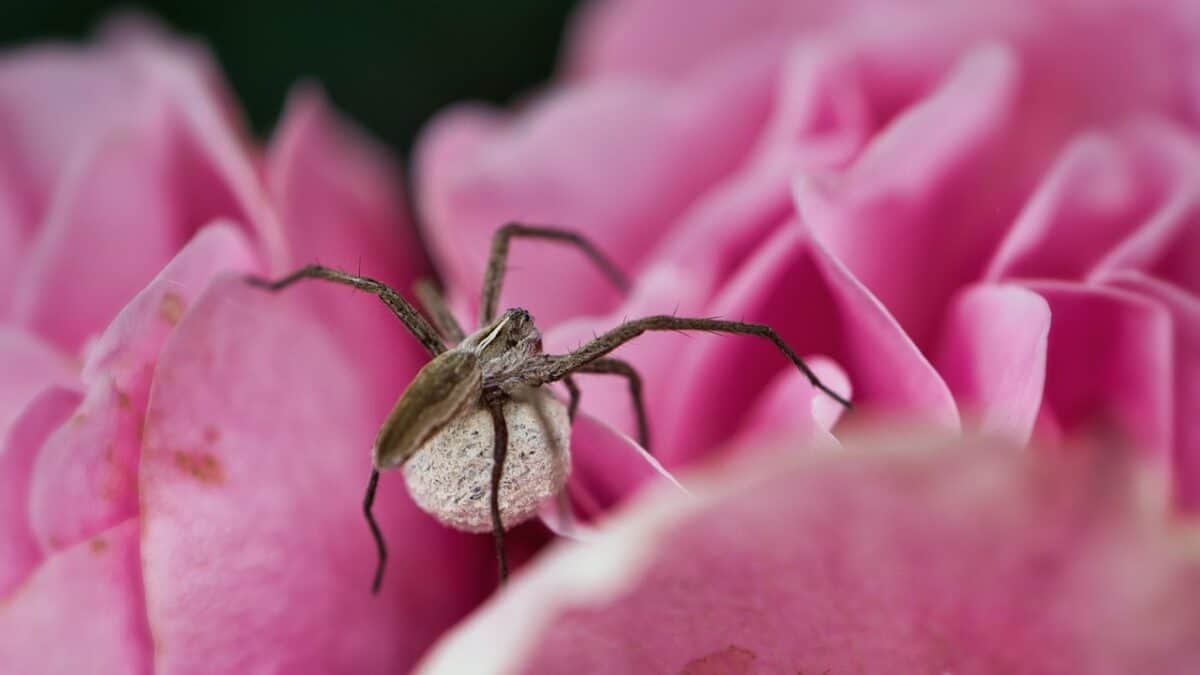
Overcoming arachnophobia isn’t just about eliminating fear—it can involve developing a new relationship with spiders based on knowledge and respect. Many former arachnophobes report that learning about spiders’ remarkable adaptations transformed their perception from fear to fascination. Spiders have survived for over 380 million years, developed sophisticated hunting strategies, created one of the strongest natural materials (silk), and play crucial roles in ecosystems worldwide. Their diversity is staggering—from tiny jumping spiders with complex visual systems to orb-weavers that rebuild their intricate webs daily.
This shift in perspective—from viewing spiders as threats to seeing them as remarkable evolutionary success stories—represents the ultimate goal of treatment. While not everyone needs to become an arachnid enthusiast, developing tolerance allows former phobics to reclaim spaces and activities previously avoided. Some people even adopt pet spiders as a final step in their recovery journey, finding that caring for the very creature they once feared creates a profound sense of mastery and transformed understanding.
Conclusion: From Fear to Understanding
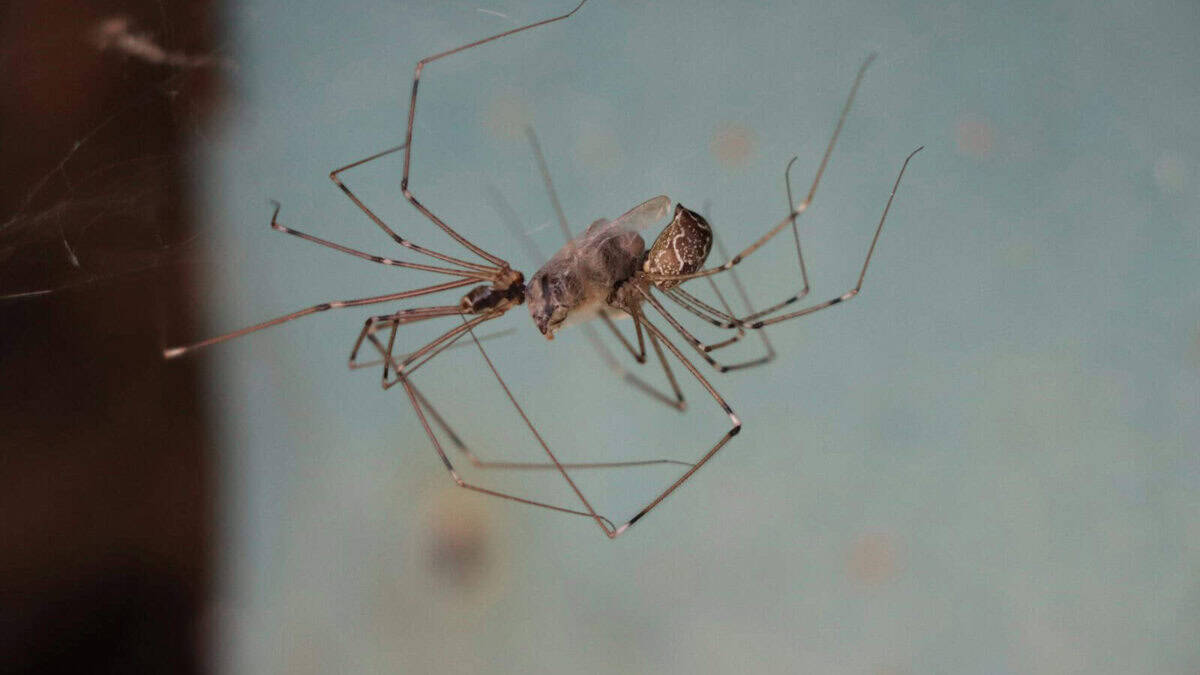
Fear of spiders emerges from a complex interplay of evolutionary predispositions, cultural influences, and personal learning experiences. While this fear may have served our ancestors in environments where venomous creatures posed genuine threats, for most modern humans, it represents an exaggerated response that can unnecessarily limit life experiences. Understanding the origins of spider fear helps normalize the experience while pointing toward effective solutions. The good news is that arachnophobia, even when severe, responds remarkably well to evidence-based treatments like exposure therapy.
Whether through professional treatment, technology-assisted interventions, or self-guided exposure, the path to overcoming spider fear involves facing rather than avoiding these fascinating arthropods. Education plays a crucial complementary role, replacing misconceptions with accurate information about spiders’ actual behaviors and ecological importance. For those willing to undertake this journey, the reward extends beyond freedom from fear—it opens the door to appreciating the remarkable adaptations and beauty of creatures that have shared our planet for hundreds of millions of years.

- The Secret Language of Dolphins Decoded by Researchers - July 20, 2026
- 7 Animals That Can Survive Extreme Environments You Couldn’t - July 20, 2026
- The Longest Snake Ever Found in the U.S. - July 20, 2026