

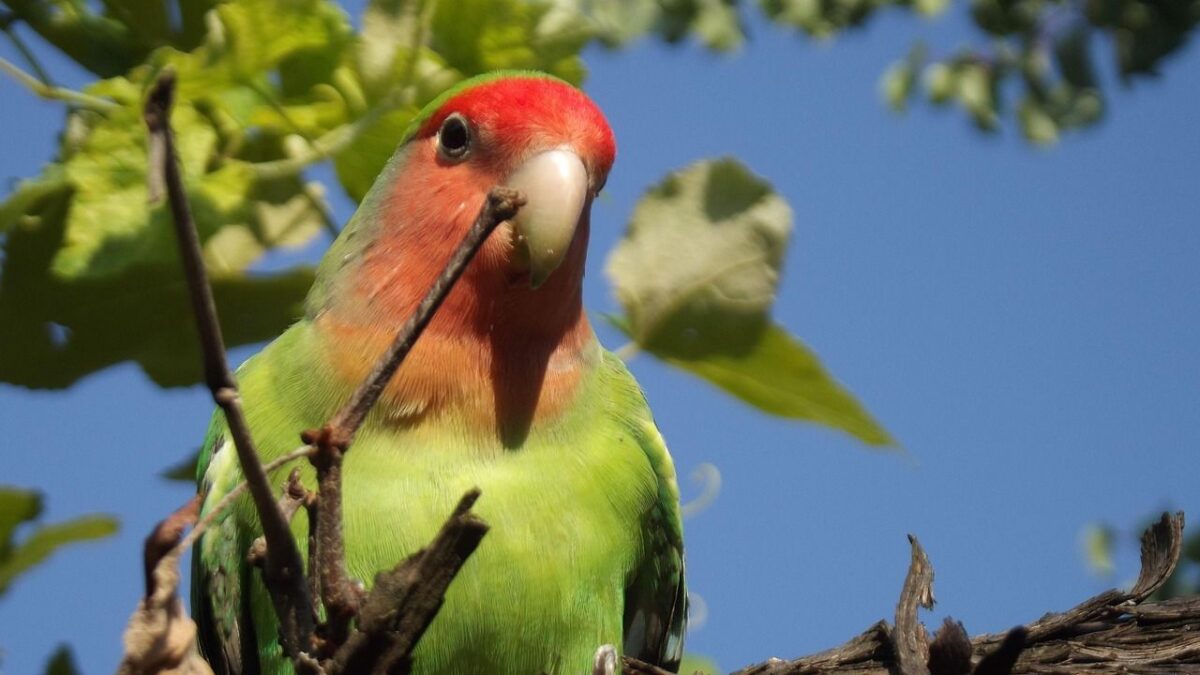
We’ve all heard about swans mating for life, but what if I told you there’s a tiny parrot species that might just have figured out the whole “till death do us part” thing better than most of us? Scientists have been quietly watching lovebirds for years, and what they’re discovering challenges everything we thought we knew about animal relationships. These pint-sized parrots aren’t just adorable – they’re teaching us profound lessons about commitment, cooperation, and what it truly takes to make a partnership last.
The thing is, most people assume monogamy in the animal kingdom is pretty straightforward. Two animals pair up, stick together, done. Reality? It’s way more complicated. Researchers studying these vibrant little birds have uncovered behaviors that mirror human relationships in ways that are honestly kind of unsettling. Let’s dive into what makes lovebirds such fascinating subjects for understanding long-term bonds.
The Science Behind Lovebird Devotion
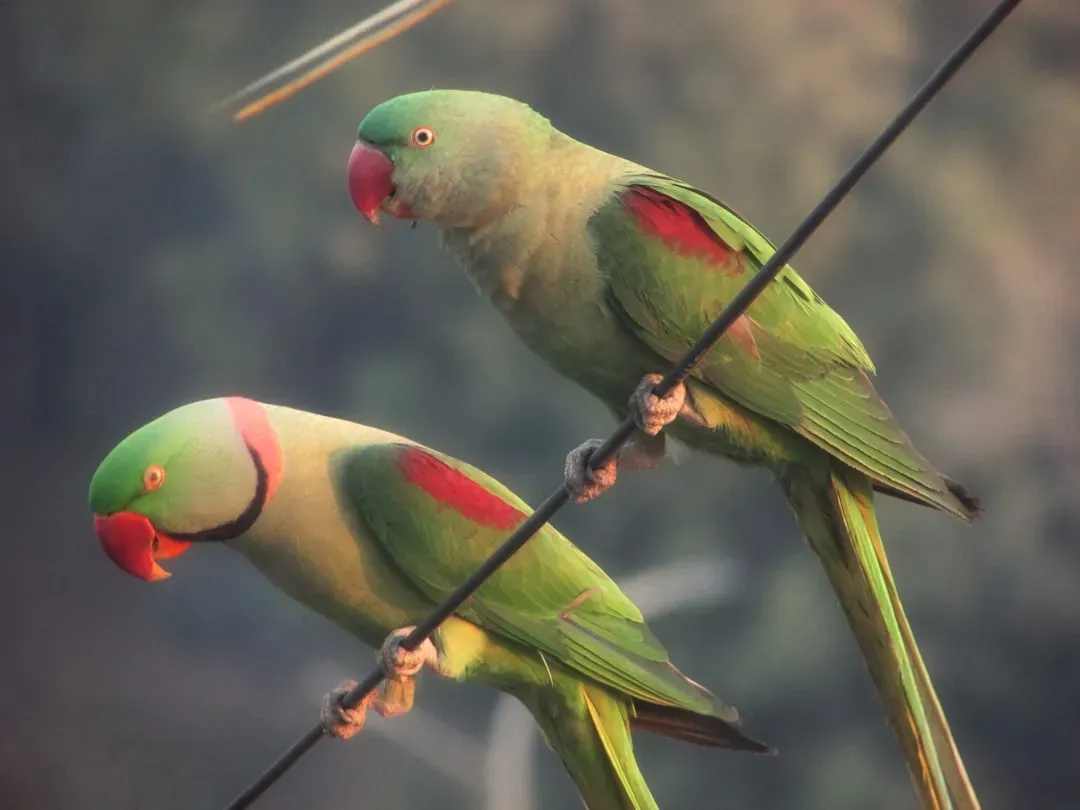
Lovebirds belong to the genus Agapornis, and their name isn’t just cute marketing. These small parrots from Africa genuinely form intense pair bonds that can last their entire lives, which typically spans 10 to 15 years in the wild. What sets them apart from other monogamous species is the sheer intensity of their attachment behaviors.
Research shows that bonded lovebirds spend roughly about three-quarters of their waking hours in close physical contact with their partners. They preen each other’s feathers, share food, and even develop synchronized sleep patterns. When separated, even briefly, their stress hormones spike measurably. I know it sounds crazy, but scientists have documented cases where a lovebird’s health visibly declined after losing its mate, displaying what can only be described as grief.
Communication Patterns That Actually Work
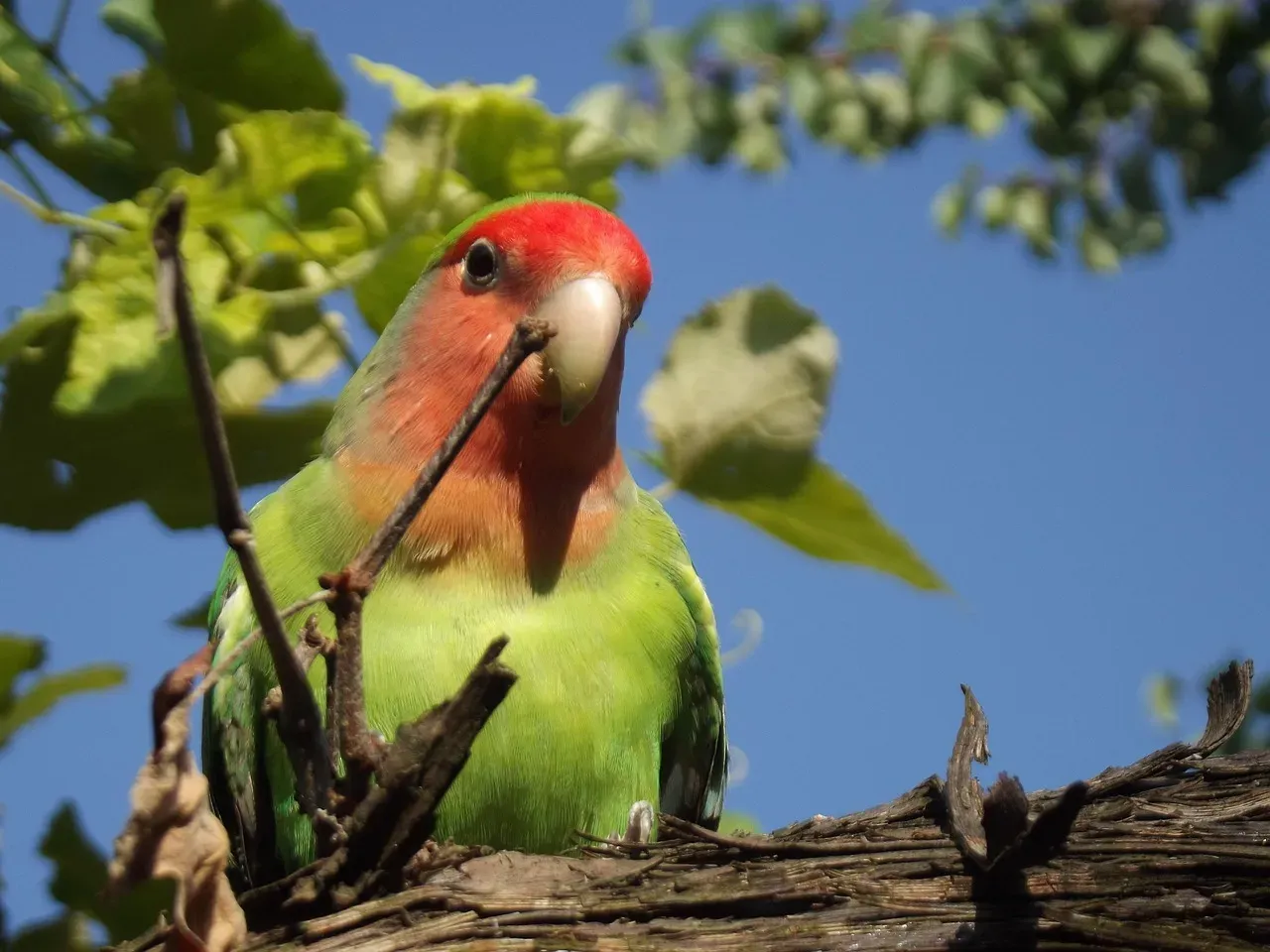
Here’s where it gets really interesting. Lovebirds don’t just sit next to each other looking pretty – they’ve developed sophisticated communication systems that maintain their bonds. Researchers have identified at least 13 distinct vocalizations these birds use exclusively with their partners, separate from calls they make to other flock members.
The paired birds engage in what scientists call “contact calls,” brief chirps exchanged throughout the day that essentially mean “I’m here, where are you?” It’s like couples who text each other random updates, except these birds have been doing it for millennia. Studies show that each pair develops unique variations of these calls, basically creating their own private language. When you think about how many human relationships fail over communication issues, maybe we should be taking notes from birds who’ve mastered constant, low-key check-ins.
The Dark Side of Devotion
Let’s be real though – this level of attachment isn’t always sunshine and rainbows. Lovebirds who lose their partners often refuse to bond again, sometimes for years or even the rest of their lives. Avian behaviorists have observed widowed lovebirds becoming withdrawn, reducing their social interactions with other birds by nearly half compared to their previous activity levels.
Some birds develop repetitive stress behaviors like feather plucking or refusing food. In captivity, well-meaning owners who don’t understand this dynamic sometimes separate bonded pairs, which can be genuinely traumatic for the birds. The intensity of their pair bonds means they’re essentially putting all their emotional eggs in one basket, which works beautifully until it doesn’t. There’s something both beautiful and heartbreaking about that kind of all-in commitment.
Choosing a Partner: Lovebird Dating Rituals
Lovebirds don’t just pair up randomly. Young birds engage in elaborate courtship behaviors that can last weeks before forming a permanent bond. Males perform what researchers describe as “feeding dances,” regurgitating food for potential mates as a demonstration of their ability to provide.
Females are picky, rejecting multiple suitors before accepting a partner. Scientists believe they’re assessing compatibility, health, and behavioral synchronicity during this selection process. Once a pair forms, they engage in mutual preening sessions that can last hours, reinforcing their bond through touch and attention. It’s hard to say for sure, but researchers suspect this initial investment in getting to know each other contributes significantly to their long-term success rates.
Cooperative Nesting and Shared Responsibilities
Unlike many bird species where females do the vast majority of parenting work, lovebirds are genuine partners in raising offspring. Both members of the pair participate in building nests, which is actually pretty unusual in the bird world. The female typically does more of the construction, but males gather and deliver materials.
During incubation, males don’t just disappear. They guard the nest site, bring food to their sitting partners, and maintain constant vigilance against threats. After eggs hatch, both parents feed the chicks, though mothers do slightly more of the direct care. Studies measuring parental effort found that successful lovebird pairs maintain roughly a 60-40 split in childcare duties. That kind of balanced partnership probably contributes to why their bonds remain strong even through the demanding breeding season.
What Lovebirds Teach Us About Commitment
Researchers studying lovebird relationships have drawn fascinating parallels to human partnerships. The constant communication, physical affection, shared responsibilities, and mutual investment these birds display mirror advice that relationship counselors give couples. It’s almost like evolution stumbled upon the same solutions across vastly different species.
One particularly striking finding: pairs who engage in more mutual preening and physical contact show lower stress hormone levels and better overall health outcomes. Sound familiar? Human studies show nearly identical results for couples who maintain physical affection. The science suggests that sustained commitment requires active, daily maintenance, not just an initial decision to stay together. These tiny parrots demonstrate that lasting love isn’t passive – it’s a continuous choice, reinforced through hundreds of small interactions.
Conservation and the Future of Lovebird Research
Several lovebird species face habitat loss and declining wild populations, which makes understanding their biology increasingly urgent. The Fischer’s lovebird and black-cheeked lovebird are both listed as near threatened. As researchers learn more about their complex social needs, conservation strategies are evolving to protect not just individual birds but established pair bonds.
Captive breeding programs now prioritize keeping bonded pairs together, recognizing that separation can compromise breeding success and individual wellbeing. Scientists are also using lovebirds as model organisms to study the neurochemistry of attachment, with findings that have implications for understanding human bonding disorders. There’s something humbling about looking to a bird barely larger than your palm for insights into the chemical foundations of love. The more we study these devoted little parrots, the more we realize how universal the mechanisms of partnership really are.
Final Thoughts on Love and Lovebirds
What strikes me most about lovebird research isn’t just the science – it’s the reminder that commitment, in any species, requires intentional effort. These birds don’t stay together because of some mystical soulmate connection. They maintain their bonds through constant communication, physical presence, shared work, and genuine investment in their partner’s wellbeing. That’s not romantic in the fairy tale sense, but it’s something better: it’s real.
Maybe the lesson here is that lasting partnership isn’t about finding someone perfect, but rather about showing up consistently, day after day, with tiny acts of attention and care. Lovebirds have been practicing this for millions of years. Perhaps it’s time we humans paid closer attention to what they’ve figured out. What do you think – can we learn genuine relationship wisdom from birds? Tell us in the comments.

- Urban Coyotes Show Remarkable Adaptability, Learning to Thrive in City Environments - July 22, 2026
- Beavers Are Nature’s Engineers, Creating Vital Habitats for Other Wildlife Species - July 21, 2026
- The Recovery of the California Condor Offers Hope for Other Critically Endangered Birds - July 21, 2026