

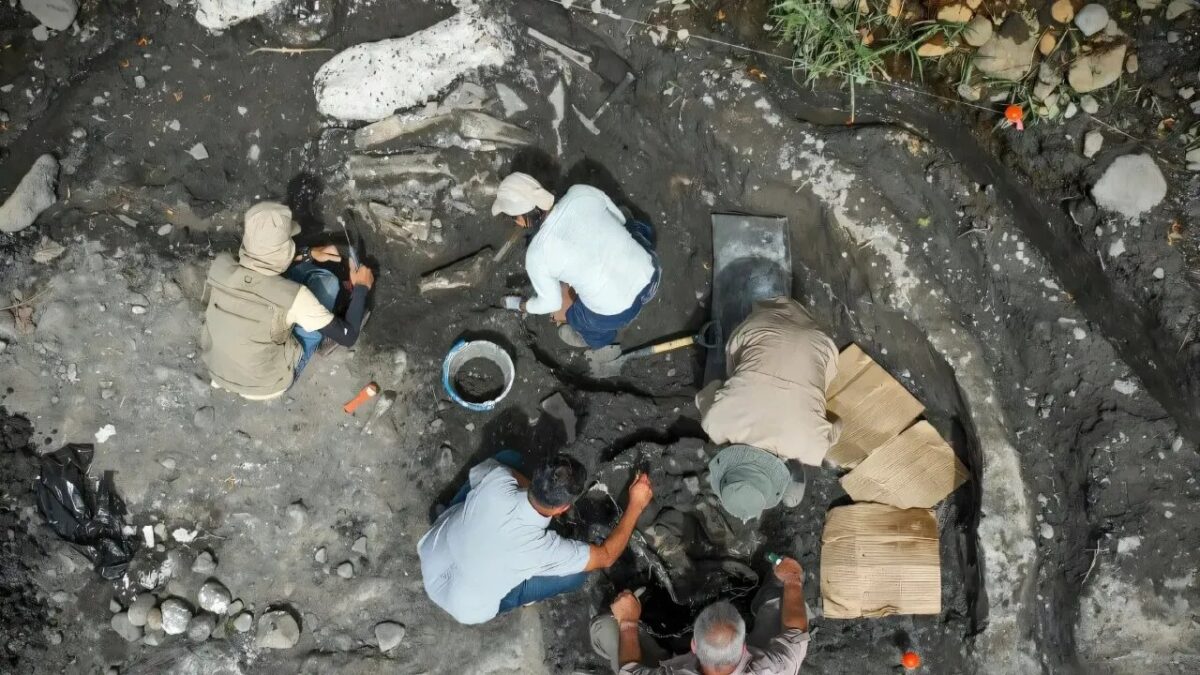
Deep in the mineral-rich soil of Costa Rica lies something extraordinary – a mass graveyard that captured the final moments of creatures that once towered over the landscape. We’re talking about mastodons with tusks longer than a car and ground sloths the size of elephants. What makes this discovery genuinely chilling is that we now know exactly when they vanished, down to the century.
Scientists have spent years piecing together this prehistoric puzzle, and the story that’s emerging changes how we understand extinction itself. The creatures didn’t fade away gradually. They disappeared in what amounts to an evolutionary blink of an eye, and the evidence sitting in Costa Rican soil tells us why. Let’s get into what makes this find so significant.
The Graveyard That Time Forgot
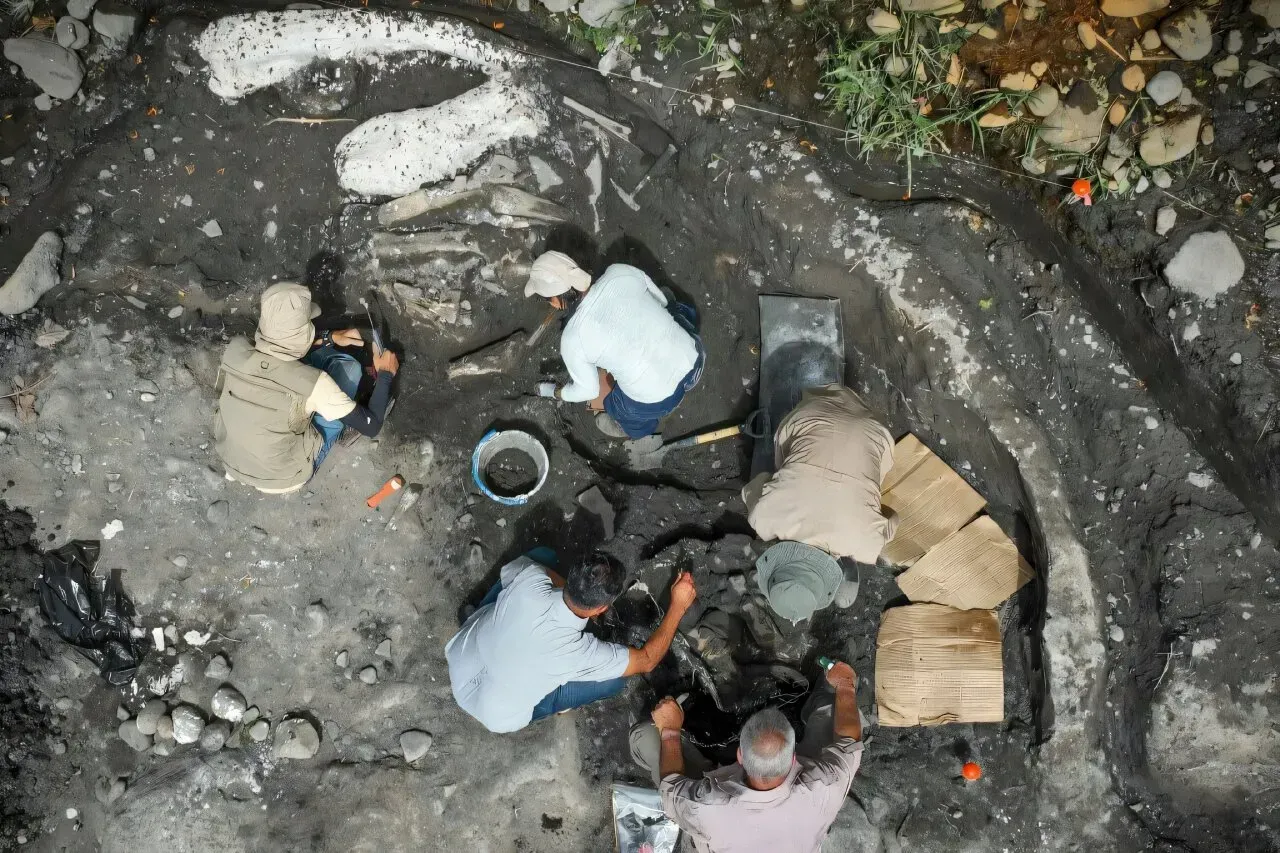
Picture a landscape where springs bubble up from the ground, creating natural watering holes that animals couldn’t resist. That’s what Costa Rica looked like 27,000 years ago, and these springs became death traps. The site, rich in minerals, preserved bones in remarkable condition – we’re talking about skeletons that still reveal details scientists rarely get to see in fossils this old.
Researchers discovered concentrated clusters of remains from multiple species, all dating to roughly the same period. It’s hard to say for sure, but the preservation quality suggests these animals died relatively quickly and were buried under sediment that protected them from scavengers and decay. The mineral content essentially pickled the bones, maintaining a level of detail that makes modern analysis possible.
Giants That Walked Central America
The mastodons found at this site weren’t your average extinct mammals. These creatures stood nearly three meters tall at the shoulder, with massive curved tusks that could span four meters. They’re relatives of modern elephants but adapted specifically to the forests and grasslands of ancient Central America, using those impressive tusks to strip bark and dig for roots.
Ground sloths, meanwhile, defied everything we associate with their modern tree-dwelling cousins. Some species reached weights exceeding four tons – imagine a sloth the size of an African elephant, standing on its hind legs to reach vegetation. These weren’t cute, slow-moving creatures; they were megafauna powerhouses with massive claws and the muscle mass to back it up. The diversity found at this single Costa Rican site shows just how rich the region’s prehistoric ecosystem actually was.
The Timeline That Changed Everything
Here’s where things get genuinely interesting. Using advanced radiocarbon dating techniques, scientists pinpointed the age of these remains with unprecedented accuracy. The animals died approximately 27,000 years ago, give or take a few centuries. That precision matters because it allows researchers to correlate the extinction event with specific environmental changes happening at the exact same time.
Previous studies gave us rough estimates, but this level of detail lets scientists compare the Costa Rican data with climate records, pollen samples, and other extinction sites across the Americas. The timeline reveals that these weren’t isolated deaths – this was part of a broader pattern affecting megafauna throughout the hemisphere. What killed them happened fast, and the evidence is now impossible to ignore.
Climate Chaos and Vanishing Habitats
The planet 27,000 years ago was experiencing dramatic shifts. Ice ages weren’t stable periods of endless winter; they involved rapid temperature swings, changing precipitation patterns, and vegetation zones that shifted hundreds of kilometers within just generations. For animals like mastodons and giant sloths, which required specific types of forests and grasslands, these changes spelled disaster.
The Costa Rican site sits in what would have been a climate transition zone – an area particularly vulnerable to ecological disruption. As temperatures fluctuated and rainfall patterns changed, the stable ecosystems these giants depended on simply disintegrated. Food sources vanished, migration routes became impassable, and populations that had thrived for millions of years suddenly found themselves with nowhere to go. The bones tell a story of animals that literally ran out of places to live.
The Human Question Nobody Wants to Answer
Let’s be real – the timing of human arrival in the Americas overlaps uncomfortably with megafauna extinctions. Humans reached Central and South America roughly around the same period these animals started disappearing. Some researchers argue that human hunting pressure delivered the final blow to species already stressed by climate change. Others maintain that climate alone was sufficient to cause the extinctions.
The Costa Rican site doesn’t show clear evidence of human hunting – no butchered bones with cut marks, no stone tools mixed with the remains. But absence of evidence isn’t evidence of absence. The debate continues, and honestly, the truth probably lies somewhere in the middle. Climate change weakened these populations, reducing their numbers and range, and then human hunters may have finished what environmental stress started. It’s an uncomfortable parallel to today’s extinction crisis, where multiple factors combine to push species over the edge.
What Modern Technology Reveals About Ancient Death
The analysis techniques used on these Costa Rican fossils would have been science fiction just decades ago. Researchers extracted collagen from bones to perform isotope analysis, revealing what these animals ate in their final years. They used CT scanning to examine internal bone structures without damaging the fossils. Genetic material, though degraded, still yielded DNA sequences that clarify evolutionary relationships.
These methods paint an incredibly detailed picture. The mastodons, for example, showed signs of nutritional stress in their final years – their bones reveal periods of poor growth, suggesting food scarcity. The ground sloths display evidence of population bottlenecks, meaning their genetic diversity had crashed long before they went extinct. These weren’t healthy populations that suddenly died; they were species in long-term decline, hanging on until the final environmental shift pushed them into oblivion. The technology tells us not just when they died, but how they lived in those final millennia.
Lessons From a Vanished World
This Costa Rican graveyard forces us to confront uncomfortable truths about extinction. These animals survived for millions of years through previous climate shifts, so why did this one kill them? The answer seems to be speed. The changes happened too quickly for evolution to produce adaptations, too fast for populations to migrate to suitable habitats. It’s a warning that rings particularly loud in 2026, as we watch modern species face similarly rapid environmental change.
The precision of this 27,000-year timeline gives scientists a benchmark for understanding extinction dynamics. It shows that megafauna populations can persist through moderate stress but collapse suddenly when multiple pressures align. The mastodons and giant sloths had weathered challenges before, but when climate disruption, habitat loss, and possibly human hunting converged, they had no evolutionary answer. Their bones remain in Costa Rican soil as evidence that even the most successful species aren’t immune to catastrophic environmental change.
What strikes me most about this discovery is how preventable their extinction might have been. If climate had changed just slightly slower, if suitable refugia had existed, if human pressure had been less intense – maybe some would have survived. It makes you wonder what we could save today if we acted with the same urgency these ancient animals needed but never received. What do you think about it? Tell us in the comments.

- Urban Coyotes Show Remarkable Adaptability, Learning to Thrive in City Environments - July 22, 2026
- Beavers Are Nature’s Engineers, Creating Vital Habitats for Other Wildlife Species - July 21, 2026
- The Recovery of the California Condor Offers Hope for Other Critically Endangered Birds - July 21, 2026