


For centuries, humans have developed complex relationships with our primate relatives. Across different cultures, monkeys have been trained to perform tasks ranging from entertainment to labor. While some view these practices as examples of human ingenuity and animal intelligence, others raise serious ethical concerns about animal welfare and exploitation. This article explores various monkey training traditions around the world, the methods used, and the ethical debates surrounding these practices. As we examine these cultural traditions, we’ll consider both historical contexts and modern ethical standards, revealing how our relationship with these intelligent animals continues to evolve.
The History of Monkey Training Across Cultures
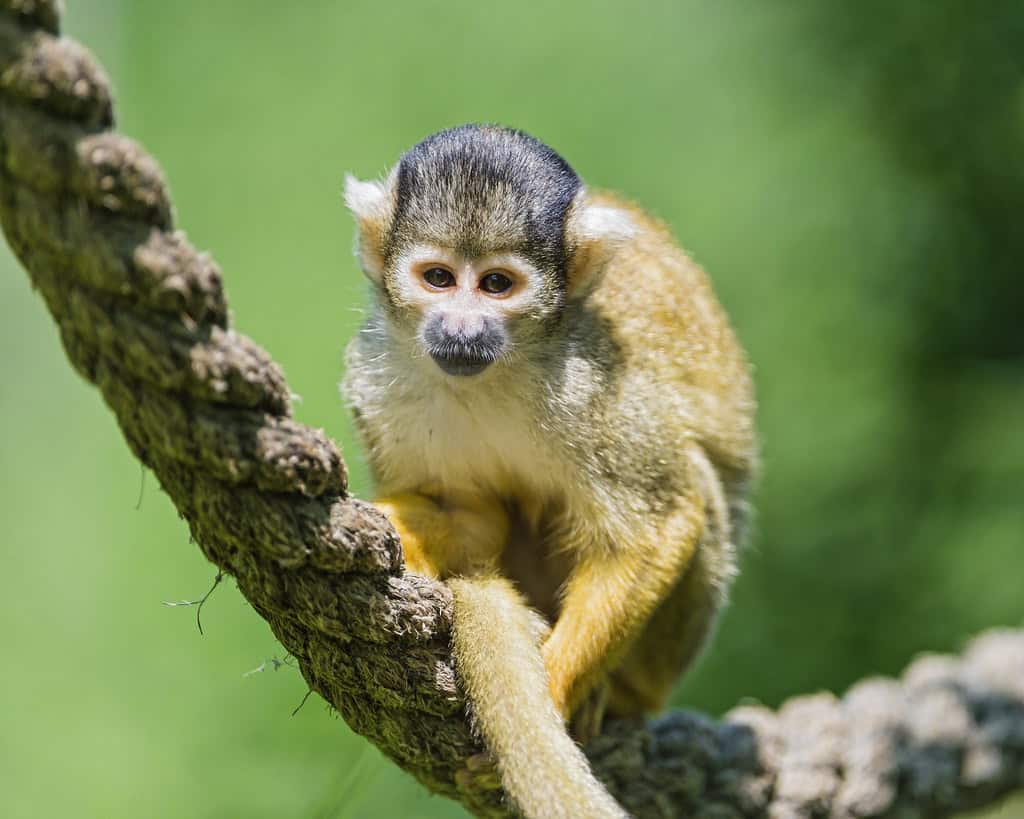
The practice of training monkeys dates back thousands of years across multiple civilizations. In ancient China, records from as early as the Tang Dynasty (618-907 CE) document monkeys performing in imperial courts. Similarly, the Indian subcontinent has a long history of monkey training, with depictions in ancient texts and artwork showing monkeys as companions and performers. In Southeast Asia, particularly Thailand and Indonesia, trained monkeys have been integrated into agricultural work for centuries.
European and Western cultures discovered trained monkeys primarily through exploration and trade. By the Middle Ages, monkey performers had become a fixture in European entertainment, with organ grinders and their monkey companions becoming a common sight in urban centers by the 18th and 19th centuries. These historical traditions established precedents that continue to influence how monkeys are trained and used today, though modern ethical considerations have begun to reshape these practices in many parts of the world.
Coconut Harvesting Monkeys in Thailand
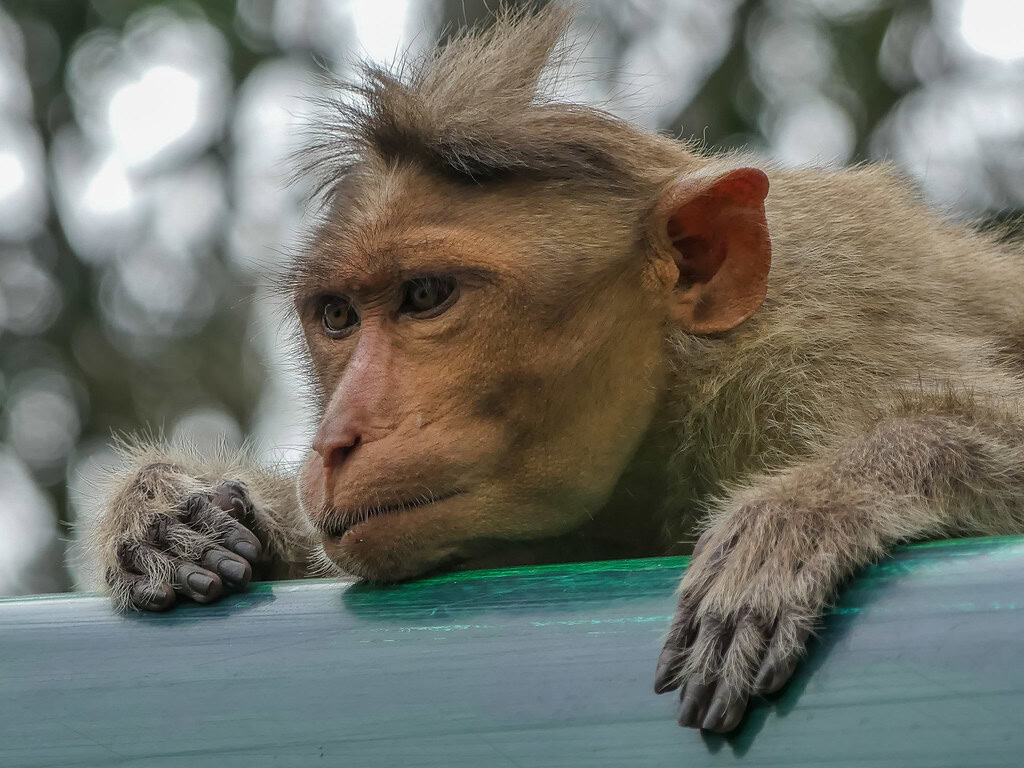
One of the most well-known examples of working monkeys exists in Thailand, where macaques—primarily pig-tailed macaques (Macaca nemestrina)—are trained to harvest coconuts. This tradition dates back approximately 400 years and remains active in southern Thailand. Trainers typically begin working with young monkeys at 6 months to 1 year of age, teaching them to climb tall palm trees and twist coconuts until they fall. A well-trained monkey can harvest between 500-1,000 coconuts daily, far outpacing human harvesters who might collect only 100-200.
The training process involves a gradual building of skills, starting with basic commands and rewarding successful behaviors with food treats. Monkeys typically work for 3-5 years before retirement, with their human handlers often developing close bonds with them. However, the practice has come under international scrutiny in recent years, with animal welfare organizations raising concerns about the conditions of the monkeys, including potential use of chains, inadequate housing, and forced separation from their natural social groups. In response, some Thai coconut producers have developed certification programs to ensure ethical treatment of their working monkeys.
Performing Monkeys in Street Entertainment

Street performances featuring trained monkeys have been a longstanding tradition in various parts of the world, including South Asia, Southeast Asia, and historically in Europe and the Americas. In countries like India, Pakistan, and Bangladesh, performing monkeys known as “bandarwala” or “madari” shows involve monkeys dressed in human-like clothes performing tricks, mimicking human behaviors, or acting out scenarios. The trainers, often from families who have practiced this tradition for generations, use a combination of rewards, verbal cues, and sometimes physical discipline to teach the monkeys their routines.
These performances frequently occur in public spaces like markets, tourist areas, and festivals. The monkeys, commonly macaques or capuchins, perform acrobatics, dance to music, pretend to drive vehicles, or mimic human activities like brushing teeth or applying makeup. While these displays draw crowds and provide income for trainers, animal welfare experts have documented concerning training methods including food deprivation, physical restraint, and punishment-based training. Many countries have begun implementing regulations or outright bans on monkey performances, recognizing the ethical problems inherent in forcing wild animals to perform unnatural behaviors for human entertainment.
Scientific Research and Monkey Training

Beyond traditional cultural practices, monkeys have been extensively trained for scientific research. Since the mid-20th century, various primate species—particularly rhesus macaques, cynomolgus macaques, and capuchins—have been trained to participate in studies ranging from cognitive psychology to neuroscience and space exploration. Unlike many traditional training methods, modern scientific monkey training typically employs positive reinforcement techniques, where monkeys receive food rewards for correctly completing tasks. This approach, known as operant conditioning, minimizes stress and coercion while maximizing voluntary participation.
In research settings, monkeys may be trained to use touch screens, manipulate objects, perform memory tasks, or even control robotic arms through brain-computer interfaces. The sophistication of these tasks demonstrates the remarkable cognitive capabilities of these animals. However, the use of monkeys in research remains ethically contested. While modern facilities typically adhere to strict animal welfare protocols and oversight committees, fundamental questions remain about the ethics of captivity, the potential for suffering, and whether the scientific knowledge gained justifies the use of highly intelligent primates. This has led to increasing restrictions on primate research in many countries and growing investment in alternative research methods.
Monkey Training Methods and Techniques

Training methods vary significantly across cultures and purposes, ranging from compassionate positive reinforcement to more controversial coercive techniques. Traditional methods often involve a combination of rewards (usually food), verbal cues, and in some cases, physical discipline or restraint. In many traditional settings, monkeys may be kept on chains or leashes during training and performance, a practice widely criticized by animal welfare organizations. Training typically begins when monkeys are young, as older monkeys can be more difficult to control and may display aggressive behaviors when subjected to training attempts.
More ethical modern approaches emphasize positive reinforcement training (PRT), which relies exclusively on rewards to shape desired behaviors while avoiding punishment. Professional animal trainers and zoological institutions have demonstrated that monkeys can learn complex behaviors through patience and positive reinforcement alone. This approach not only improves animal welfare but often produces more reliable results, as monkeys trained through positive methods tend to be less stressed and more willing to participate. Training methods may also include clicker training (marking desired behaviors with a distinct sound), target training (teaching animals to touch a specific object), and shaping (rewarding successive approximations of the desired behavior).
Monkey Helpers for Disabled Individuals
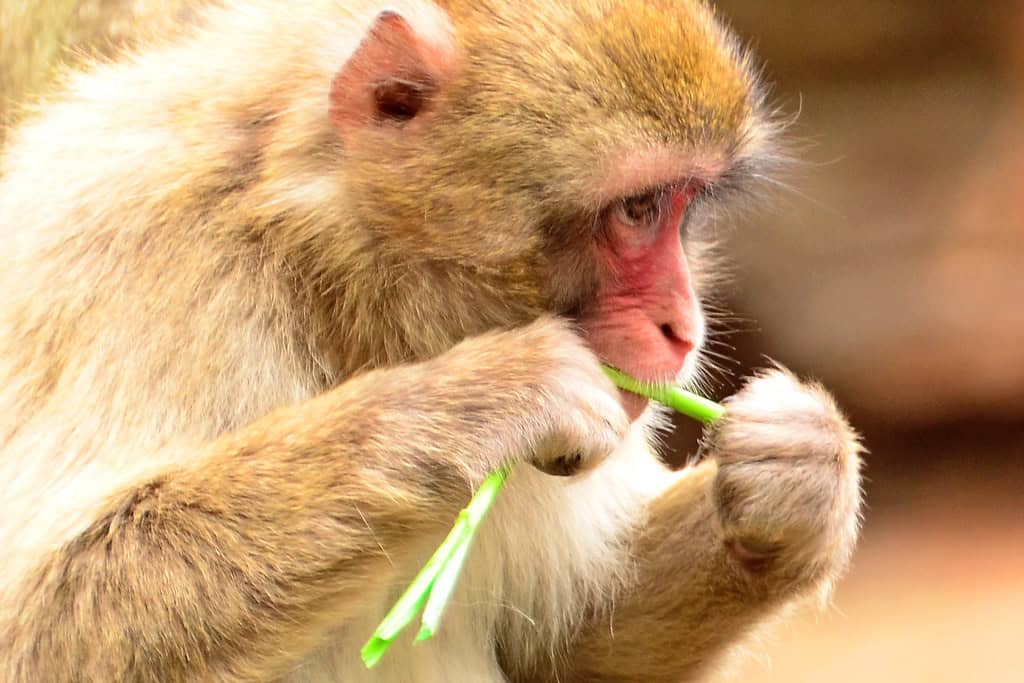
A unique application of monkey training emerged in the United States in the late 1970s with the development of service monkeys for people with physical disabilities. Organizations like Helping Hands: Monkey Helpers pioneered programs where capuchin monkeys were trained to assist quadriplegic individuals with daily tasks such as turning pages, retrieving dropped objects, adjusting glasses, or operating simple switches. These monkeys underwent extensive training for 3-5 years before being placed with recipients, forming close bonds with the humans they assisted. Unlike many other forms of monkey training, service monkey programs typically employed exclusively positive training methods.
However, this practice has declined significantly in recent years due to both ethical concerns and practical limitations. The Americans with Disabilities Act does not recognize monkeys as service animals, limiting their public access. Health concerns, including the potential for disease transmission between humans and non-human primates, have also been raised. Additionally, ethical questions about removing monkeys from their natural social groups and keeping them in human homes have led many animal welfare organizations to oppose the practice. Most service monkey programs have now ceased placing new animals, with technology and specially trained dogs offering alternative assistance options for people with disabilities.
The Psychological Impact on Trained Monkeys
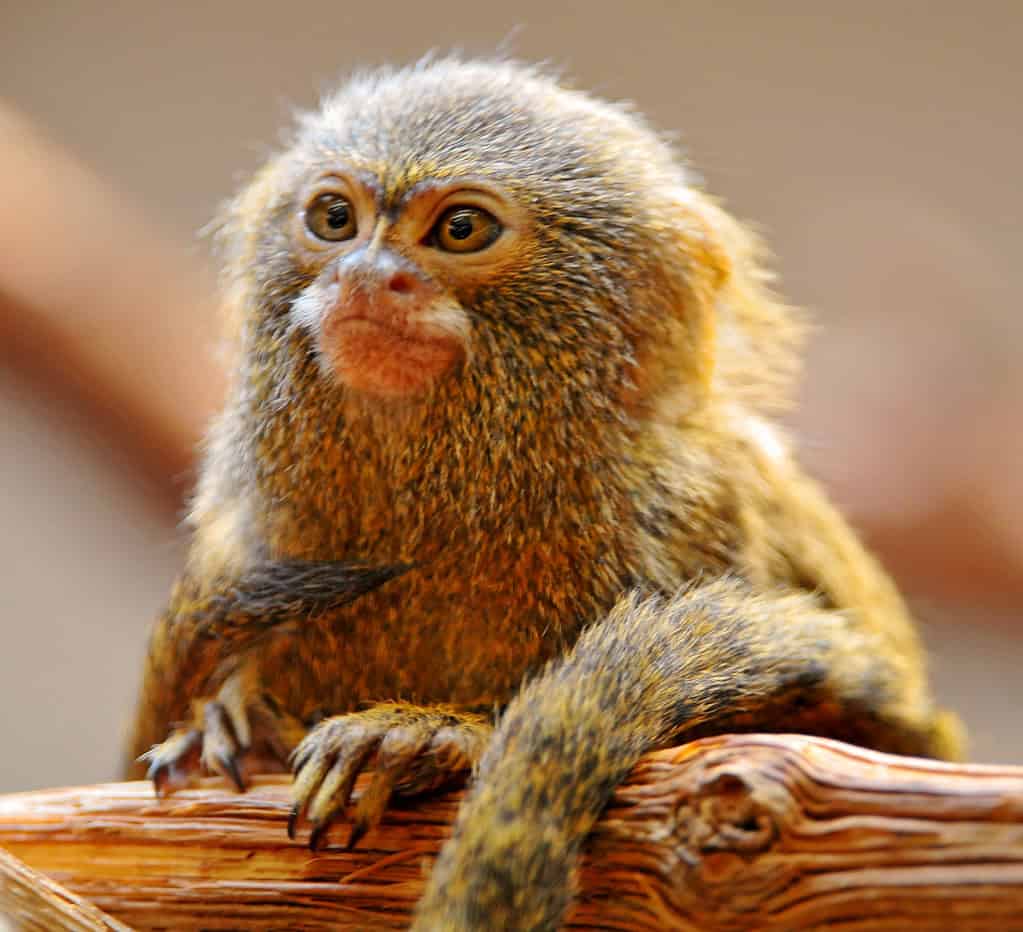
Research into primate cognition and emotional life has revealed that monkeys are highly intelligent, social animals with complex psychological needs. When removed from their natural environments and social structures, monkeys can experience significant psychological distress. Studies of captive primates have documented abnormal behaviors including self-injury, repetitive movements (stereotypies), excessive grooming, and signs of depression when their natural behavioral needs are not met. These issues can be particularly pronounced in performing monkeys, who may be kept in isolation contrary to their naturally social nature.
The training process itself can also have psychological impacts, especially when aversive methods are used. Fear-based training creates chronic stress, which research has shown can lead to long-term physiological and psychological damage in primates. Even when trained with gentler methods, monkeys in captivity often lack appropriate environmental enrichment, space for natural movements, and opportunities to engage in species-typical behaviors like foraging, climbing, and social interaction. The cumulative effect of these deprivations raises serious questions about whether any form of monkey training for human purposes can be considered ethical, regardless of how humanely the training itself is conducted.
Legal Frameworks and Regulations
The legal status of monkey training varies dramatically worldwide, reflecting different cultural attitudes toward animal welfare. In many Western countries, increasing restrictions have been placed on monkey ownership and use in entertainment. The European Union has implemented some of the strictest regulations, with many member countries banning the use of wild animals, including monkeys, in circuses and public performances. The United Kingdom passed legislation in 2020 prohibiting the use of wild animals in traveling circuses, including performing monkeys. In the United States, regulations vary by state, but there is a general trend toward stricter controls on primate ownership and use in entertainment.
In contrast, in parts of Asia where monkey training traditions remain strongest, regulations may be limited or poorly enforced. Thailand, despite growing international pressure regarding coconut-harvesting monkeys, has few specific legal protections for working primates. India amended its Wildlife Protection Act in 1998 to prohibit the keeping of native monkeys, including the commonly trained rhesus macaques, but enforcement remains inconsistent. Indonesia has laws protecting certain endangered primate species but fewer protections for macaques used in entertainment or labor. These regulatory disparities highlight how cultural traditions, economic considerations, and evolving ethical standards create a complex global patchwork of approaches to monkey training practices.
Animal Welfare Concerns and Advocacy

Animal welfare organizations have increasingly raised concerns about monkey training practices worldwide. Groups like PETA, the Humane Society International, and Born Free Foundation have documented cases of abuse in training facilities, including inadequate housing, physical punishment, and psychological distress. These organizations have launched campaigns targeting specific practices, such as PETA’s 2020 campaign against Thai coconut products harvested using monkey labor, which led several major Western retailers to remove certain products from their shelves. Advocacy efforts have also focused on ending monkey performances in tourism and entertainment.
Modern animal welfare approaches emphasize the “Five Freedoms” concept as a framework for evaluating animal well-being: freedom from hunger and thirst; freedom from discomfort; freedom from pain, injury, or disease; freedom to express normal behavior; and freedom from fear and distress. When applied to trained monkeys, these criteria reveal significant welfare gaps in many traditional training practices. Advocates argue that monkeys’ natural behavioral needs—including complex social interactions, environmental exploration, and autonomy—cannot be adequately met in training situations, regardless of how humane the methods. This perspective has shifted the conversation from merely improving training methods to questioning whether monkeys should be trained for human purposes at all.
Cultural Perspectives and Economic Factors

Monkey training traditions often exist within complex cultural and economic contexts that can make change difficult. In regions where these practices have deep historical roots, they may be viewed not merely as economic activities but as important cultural heritage. Trainers frequently learn their skills through family traditions passed down through generations, creating personal and cultural identities tied to these practices. In economically disadvantaged areas, monkey training may represent one of few viable livelihoods available, particularly for those with limited education or alternative opportunities. For instance, a coconut-harvesting monkey in Thailand can significantly boost a farmer’s productivity and income.
These cultural and economic realities create tensions between animal welfare concerns and human needs. Effective approaches to reform typically acknowledge these complexities rather than imposing external values without consideration of local contexts. Some successful initiatives have focused on creating alternative livelihoods for trainers, such as transitioning performing monkey handlers to other tourism-related work. Others have worked to modify practices to improve welfare standards while maintaining cultural traditions, such as developing certification programs for ethically harvested coconuts. These nuanced approaches recognize that sustainable change requires addressing both animal welfare and human needs simultaneously.
Alternatives to Traditional Monkey Training

As ethical concerns about monkey training grow, various alternatives have emerged across different sectors. In agriculture, where monkeys have traditionally been used for harvesting, technological innovations offer new solutions. For coconut harvesting, tools like long-handled picking devices, climbing mechanisms, and even specialized drones are being developed to replace monkey labor. These technologies may not yet match the efficiency of trained monkeys but continue to improve and avoid the ethical complications of animal labor.
In entertainment and tourism, many facilities have shifted toward educational experiences that allow visitors to observe monkeys in naturalistic environments rather than watching them perform tricks. Modern zoos and wildlife sanctuaries focus on natural behaviors and environmental enrichment rather than training for human amusement. In scientific research, sophisticated computer models, cell cultures, and human volunteer studies can answer many questions previously addressed through monkey research. Where primate studies remain necessary, researchers increasingly employ voluntary participation methods where monkeys can choose whether to engage with cognitive tasks for rewards, rather than being forced to participate. These alternatives demonstrate that many traditional uses of trained monkeys can be addressed through innovation and shifting cultural expectations.
Ethical Frameworks for Evaluating Monkey Training

Several ethical frameworks can help us evaluate monkey training practices. Utilitarian approaches weigh the overall benefits against harms, considering both human advantages and animal suffering. From this perspective, practices that cause significant monkey distress might only be justified by substantial human benefit—a standard that entertainment uses likely fail to meet. Rights-based ethical frameworks, on the other hand, argue that sentient beings deserve certain fundamental protections regardless of utility. Proponents of animal rights typically oppose monkey training entirely, viewing it as an infringement on primates’ autonomy and dignity.
Virtue ethics asks what kind of relationship with animals reflects human excellence and compassion. This approach might question whether using highly intelligent, social creatures for trivial human purposes demonstrates proper respect for their nature. Care ethics emphasizes relationships and responsibilities, suggesting we have special duties toward animals in our care, including meeting their species-specific needs. Indigenous ethical traditions often emphasize harmony and balance with nature rather than domination. While these frameworks may lead to different conclusions, they all encourage deeper reflection on human-monkey relationships beyond mere tradition or convenience, pushing us to consider whether our treatment of these intelligent animals aligns with our highest ethical principles.
The Future of Human-Monkey Relationships

The trajectory of monkey training practices points toward significant transformation in the coming decades. As scientific understanding of primate cognition, emotions, and social needs continues to advance, ethical standards are likely to evolve accordingly. We’re witnessing a global shift toward recognizing the intrinsic value and rights of non-human animals, particularly those with demonstrated intelligence and emotional complexity. This shift suggests that many traditional monkey training practices may eventually be phased out in favor of more respectful human-monkey relationships based on observation and appreciation rather than control and exploitation.
Looking forward, the most ethically defensible interactions with monkeys will likely prioritize their natural behaviors and social structures. Conservation programs focused on protecting wild monkey populations and their habitats represent one positive direction. Sanctuary environments that provide rescued former performance or research monkeys with naturalistic settings and appropriate social groups offer another. Educational approaches that teach humans about monkeys through observation rather than performance represent a third path forward. The future of human-monkey relationships will require balancing cultural heritage, human needs, and growing ethical awareness of our responsibilities toward these remarkable animals who share so much of our evolutionary history and cognitive capacity.

From exploring the marine wonders in the Azores and witnessing the vast savannas of Kenya, to delving deep into the rich biodiversity of South Africa and traversing iconic landscapes in Australia and the US like Yellowstone, Chris's experiences are vast.
With a penchant for diving alongside sharks, the ocean holds a special place in his heart.
Through his academic insights, he champions wildlife conservation, striving with 'Animals Around The Globe' to cultivate a profound connection between humans and animals, enhancing our mutual appreciation.
Connect with him at Feedback@animalsaroundtheglobe.com.
- The Real Dolphin That Played Flipper—and Where He Came From - July 28, 2026
- The Ethics of Keeping Exotic Pets: What You Need to Know - July 27, 2026
- If You Think a Shih Tzu Makes a Good Lap Dog, These 14 Are Better - July 27, 2026