

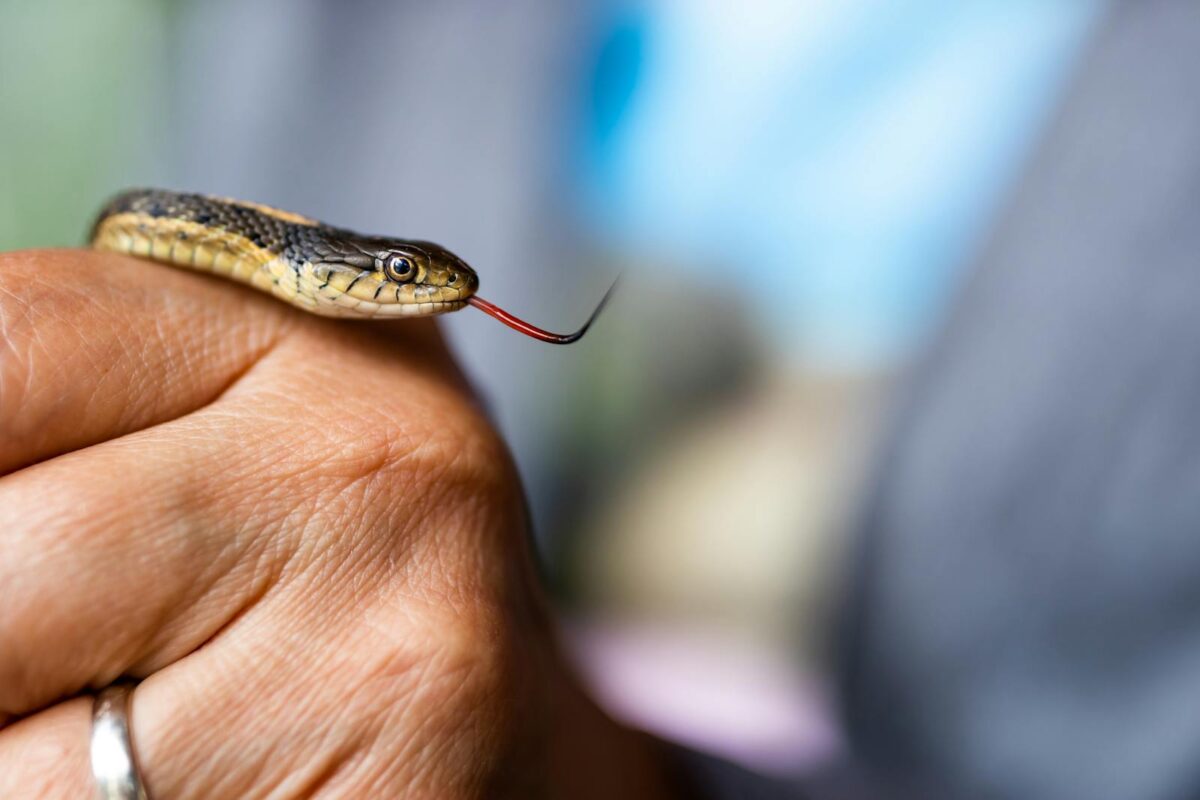
Snakes have always fascinated people with their slithering movements and mesmerizing patterns. However, their unique anatomy offers more than just captivating beauty—it can also be a key indicator of their health status. One of the most important, yet subtle, aspects of a snake’s anatomy is its tongue. Understanding the nuances of a snake’s tongue can provide valuable insights into its overall well-being. Let’s delve into the intriguing world of snake tongues and discover what they can reveal about a snake’s health.
The Unique Structure of a Snake’s Tongue
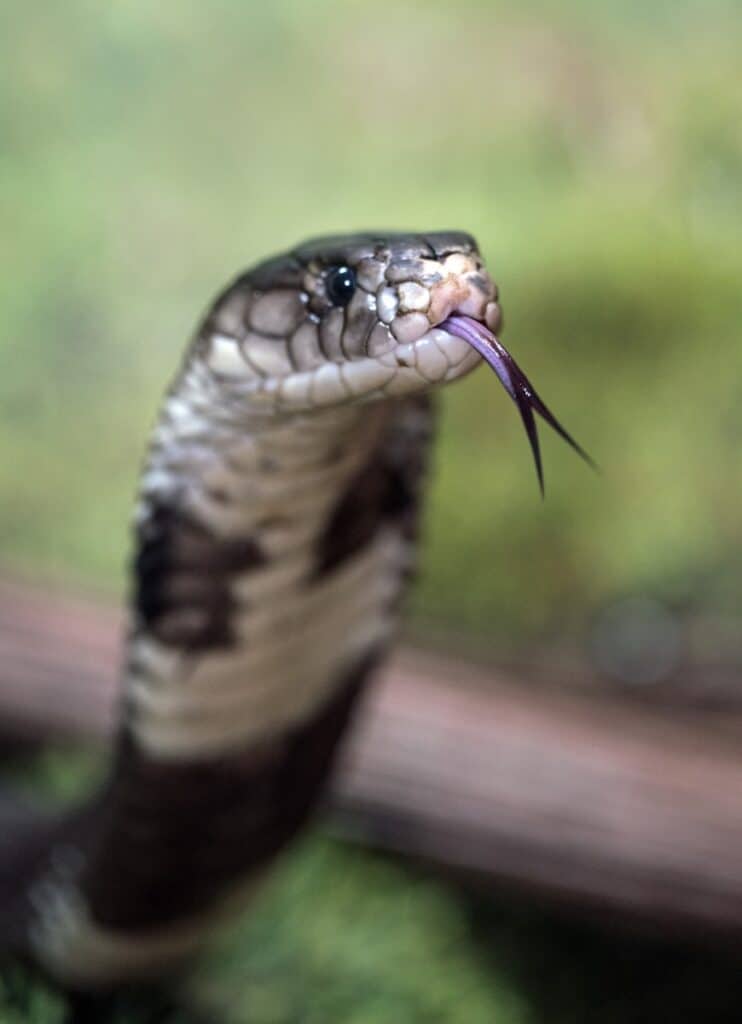
Distinctively forked, a snake’s tongue is a vital sensory organ. The bifurcated design allows snakes to pick up chemical cues from their environment, aiding in navigation, hunting, and communication. Unlike human tongues, a snake’s tongue is not used for tasting or eating. Its primary function is to gather scent particles from the air or ground, which are then processed by the Jacobson’s organ, located in the roof of its mouth.
Why Tongue Color Matters
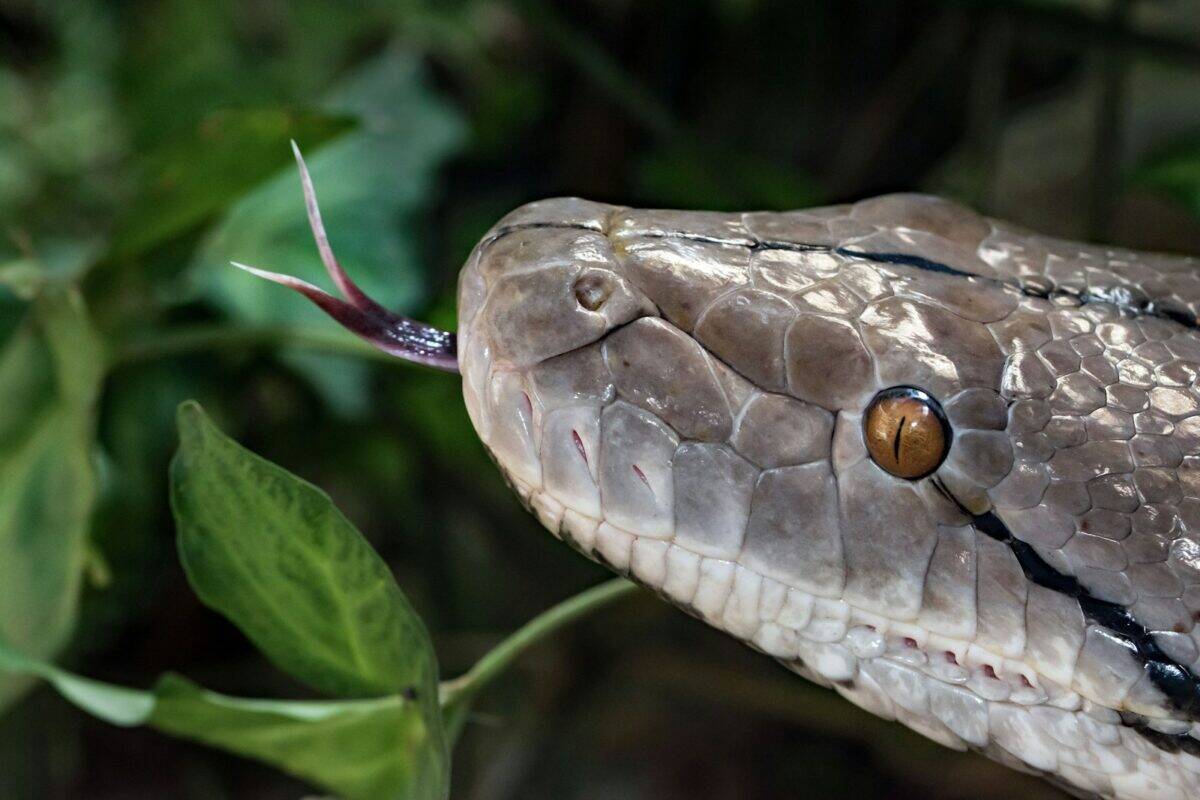
The color of a snake’s tongue can be a direct reflection of its physical health. In many cases, a healthy snake will have a brightly colored or consistent-toned tongue. Any variation from its usual color, such as unusual redness, paleness, or discoloration, could signal health issues. These changes might indicate stress, infection, or nutritional deficiencies, warranting further investigation by a reptile veterinarian.
Movement and Frequency: Indicators of Health
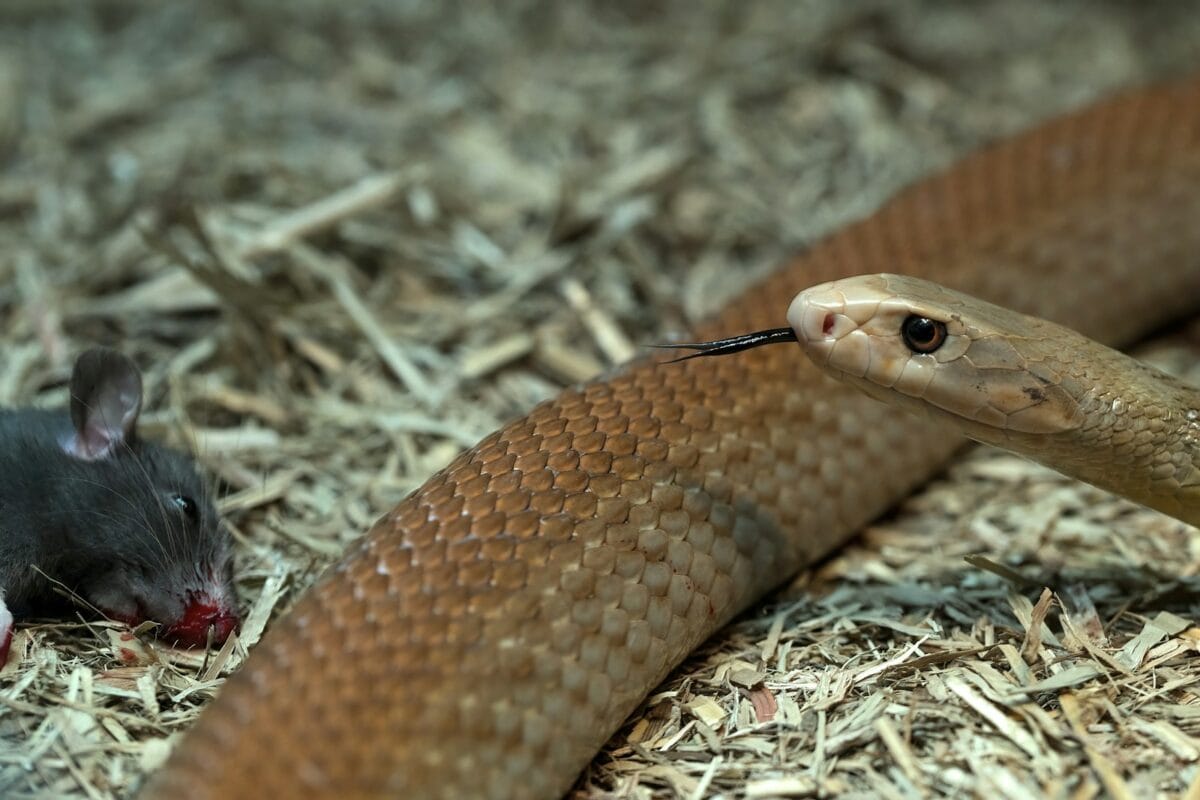
Observing the movement and frequency of a snake’s tongue flicking can provide insight into its health status. Healthy snakes frequently and rhythmically flick their tongues as they explore their environment. Reduced tongue flicking may suggest lethargy, illness, or environmental discomfort. It’s crucial to familiarize yourself with your snake’s normal behavior to identify any deviations promptly.
Signs of Stress in Tongue Behavior
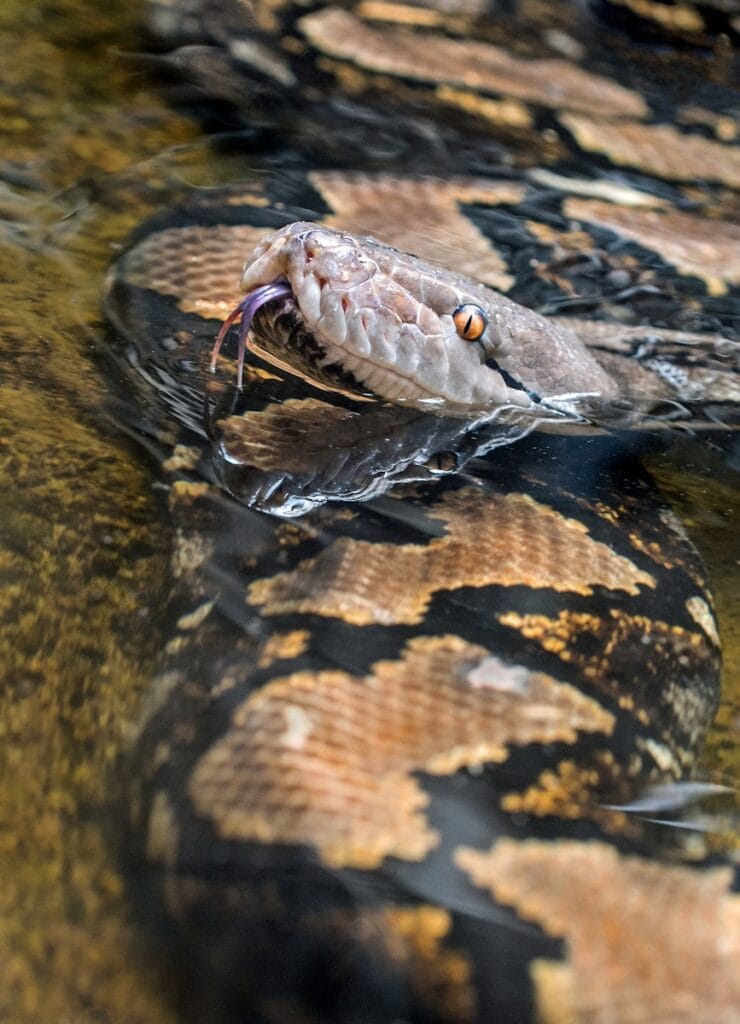
A snake under stress or discomfort may exhibit changes in tongue behavior, such as erratic flicking, less frequent use, or complete cessation of tongue movements. Stress in snakes can result from inadequate habitat conditions, such as inappropriate temperature and humidity levels or lack of hiding spots, as well as mishandling or the presence of predators. Regular observation and proper husbandry can help alleviate stress-related behaviors.
The Role of the Jacobson’s Organ
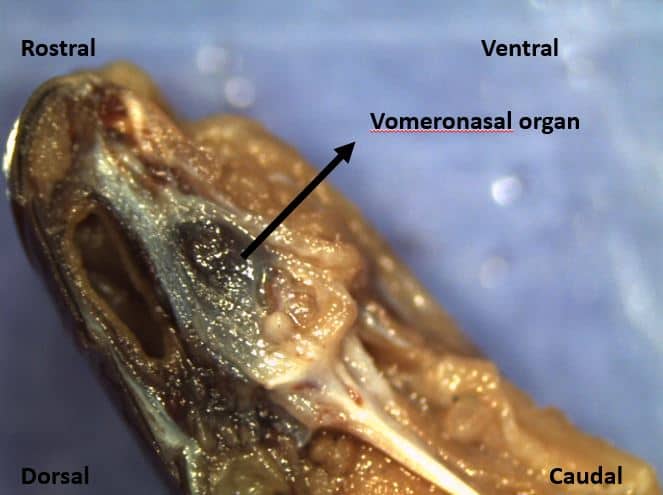
The Jacobson’s organ, or vomeronasal organ, plays a crucial role in a snake’s ability to interpret the chemical information collected by the tongue. A healthy, functioning Jacobson’s organ is essential for a snake’s survival, influencing its feeding, mating, and territorial behavior. If you notice signs of malfunction, like reduced feeding interest or erratic behavior, it might be worth consulting a vet for further evaluation.
Detecting Respiratory Issues
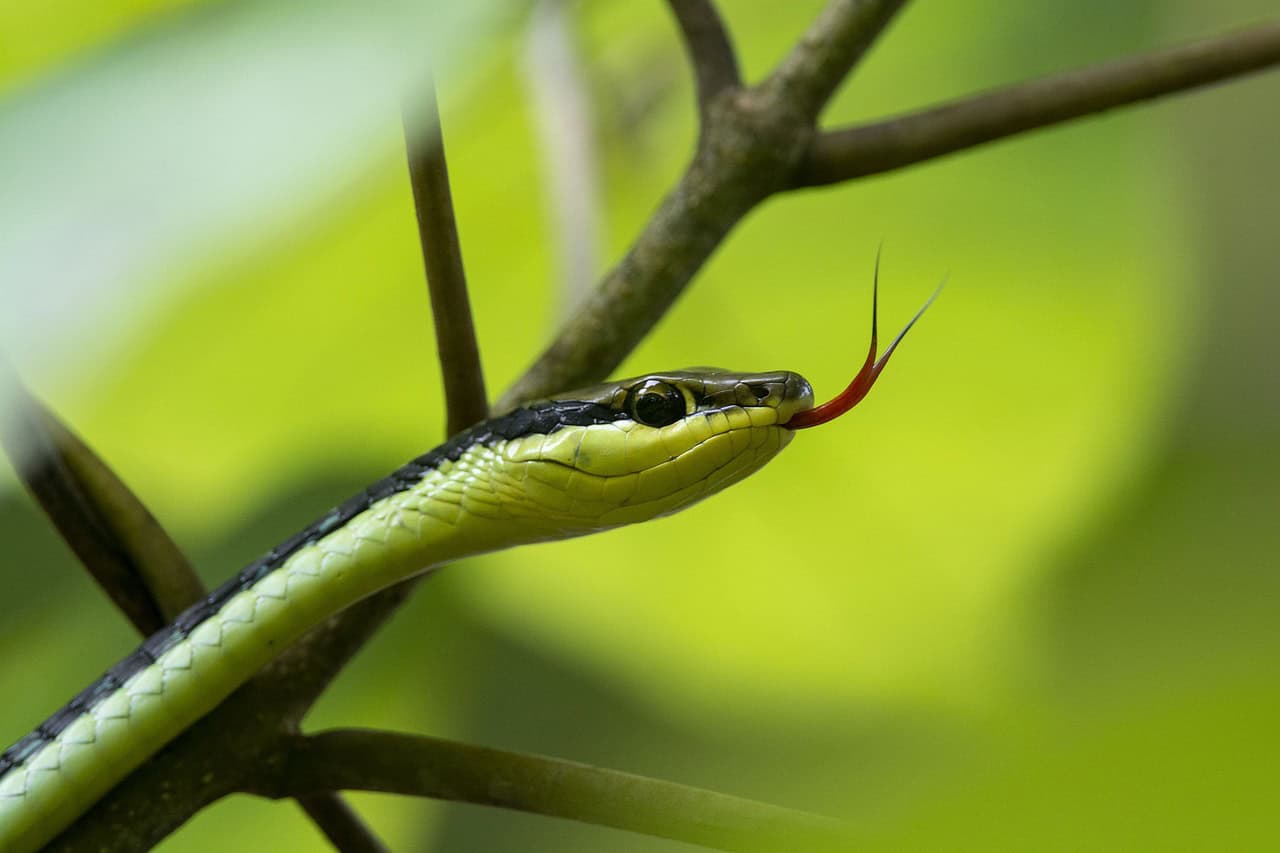
Changes in tongue behavior can also indicate respiratory problems. A snake with respiratory distress may exhibit open-mouth breathing, wheezing sounds, or reduced tongue flicking. These symptoms should be addressed immediately as respiratory infections can escalate quickly, posing severe risks to a snake’s health.
Link Between Diet and Tongue Appearance
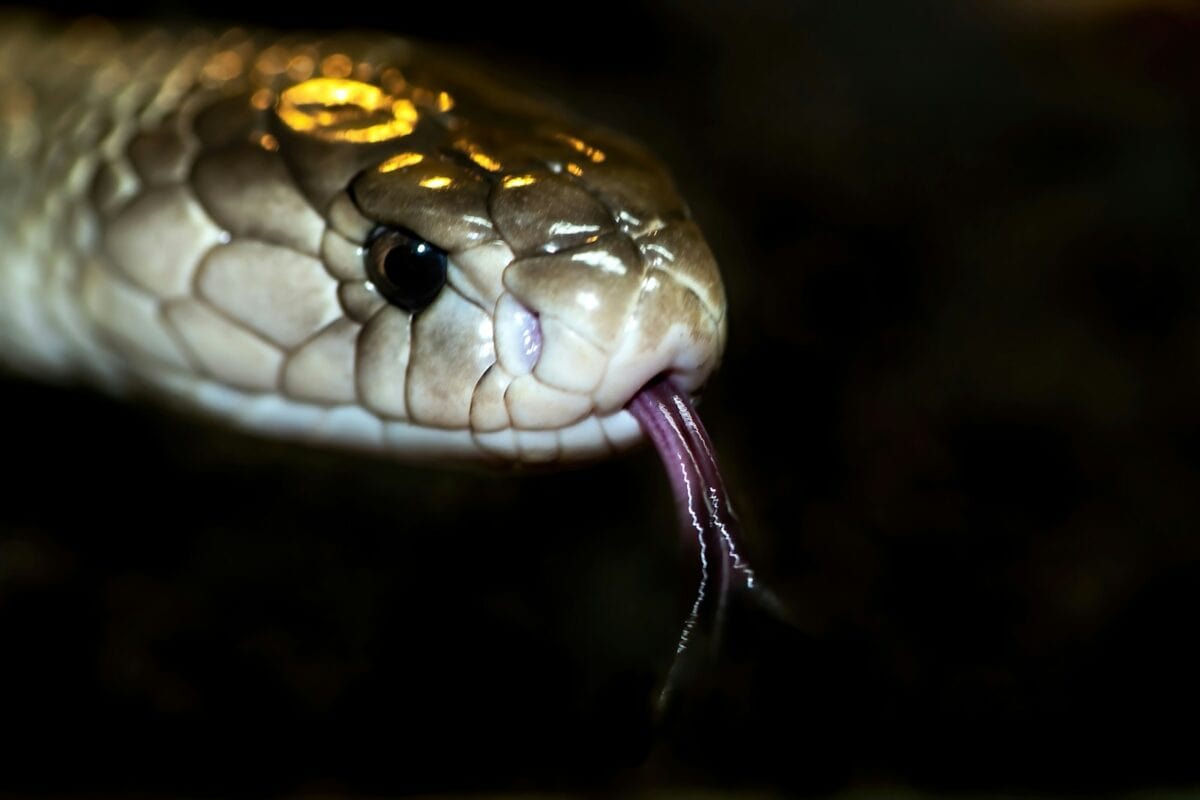
Diet plays an integral role in maintaining the vibrant appearance and function of a snake’s tongue. A balanced diet, appropriate for the species, supports overall health and well-being. Conversely, nutritional deficiencies can manifest through changes in tongue appearance, such as dullness or discoloration. Regular dietary assessments and adjustments are crucial in ensuring long-term health.
Environmental Influences on Tongue Health
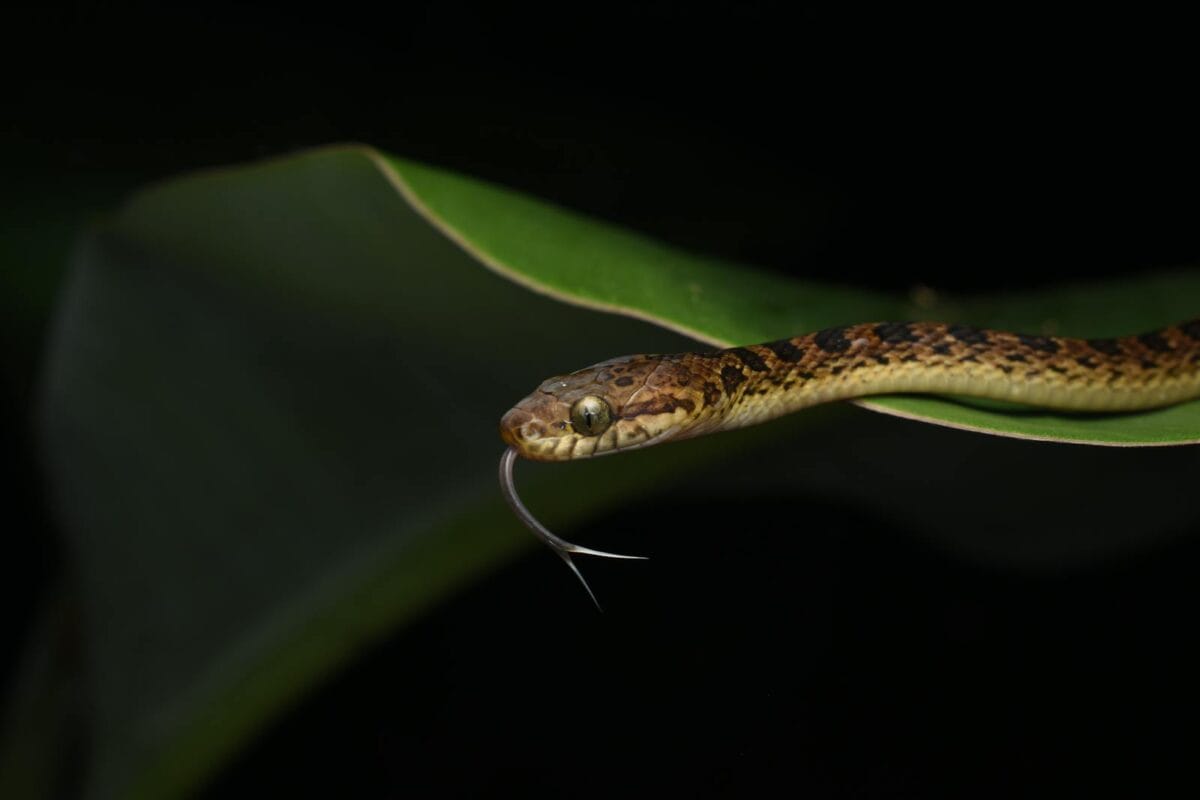
A snake’s environment significantly impacts its health, including the condition of its tongue. Poor environmental conditions, such as incorrect humidity and temperature, can lead to dehydration or thermal burns, reflected in tongue health. Ensuring a suitable environment tailored to your snake’s specific needs helps in maintaining optimal health and tongue vitality.
Hydration Levels and Tongue Texture

Hydration is crucial for a snake’s overall health, including the appearance of its tongue. A well-hydrated snake will have a moist, flexible tongue, while dehydration can lead to dryness and decreased flexibility. Providing clean, fresh water and maintaining adequate humidity levels in the enclosure are vital for preventing dehydration in snakes.
Shedding Cycle and Tongue Behavior

A snake’s shedding cycle can influence tongue behavior. During this period, snakes might exhibit decreased tongue activity due to temporary visual impairment and increased stress. Understanding and supporting your snake through its shedding process by ensuring appropriate humidity levels and minimal disturbance can help maintain routine behaviors.
Infections and Their Impact on Tongue Health

Infections, whether bacterial, fungal, or parasitic, can adversely affect a snake’s tongue and overall health. Symptoms might include excessive mucus, swelling, and irritated oral tissues. Prompt veterinary attention is essential for diagnosis and treatment, preventing the condition from worsening.
Importance of Regular Health Checks

Regular health checks, including monitoring your snake’s tongue, are invaluable in ensuring quick identification and treatment of potential health issues. Observing changes in tongue behavior and appearance, alongside other physical and environmental indicators, strengthens your ability to maintain a healthy environment for your snake.
In conclusion, a snake’s tongue is much more than a sensory tool; it is a window into the animal’s health. By understanding and monitoring changes in tongue color, movement, and behavior, snake owners can ensure the early detection of potential health issues, contributing to a happy, thriving pet. Prioritizing appropriate husbandry practices and seeking professional veterinary advice when needed are key to maintaining optimal health and well-being for your slithery companion.

- What’s Hiding in the Forests of the Pacific Northwest - July 21, 2026
- Tarsiers: The Tiny Primates with Giant Eyes - July 21, 2026
- Are Zoos Still Ethical in 2025? - July 21, 2026