

Worried about unexpected vet bills?
Pet insurance can cover thousands in unexpected vet costs. Get a free quote from Lemonade in under 2 minutes.
Get My Free Quote →Sponsored · Opens Lemonade.com
Deep in the misty bamboo forests of the Eastern Himalayas, a charming creature with russet fur and a distinctive bushy tail goes about its day. The red panda, neither a true panda nor a raccoon relative despite appearances, has captivated wildlife enthusiasts with its adorable features and fascinating behaviors. Perhaps one of their most endearing habits is how they use their magnificent tails—which can be almost as long as their bodies—as cozy blankets during rest and sleep. This article explores the remarkable relationship between red pandas and their luxurious tails, which serve not just as cute accessories but as essential tools for survival in their mountainous habitats.
The Remarkable Red Panda: An Introduction

Red pandas (Ailurus fulgens) are small mammals native to the eastern Himalayas and southwestern China, inhabiting temperate forests at altitudes between 2,200 and 4,800 meters. Despite their name and habitat overlap with giant pandas, red pandas actually belong to their own unique family, Ailuridae. Growing to about the size of a large domestic cat, these endangered creatures typically weigh between 3 to 6 kilograms (7 to 14 pounds) and measure about 51 to 63.5 centimeters (20 to 25 inches) in body length.
What makes red pandas immediately recognizable is their striking rusty-red fur, white face markings, and—most relevant to our discussion—their extraordinarily bushy tails. These tails measure between 28 to 48.5 centimeters (11 to 19 inches), nearly matching their body length. While their appealing appearance has made them internet celebrities, in the wild, every feature of the red panda serves critical survival functions, including their magnificent tail, which does much more than just look cute in photographs.
The Anatomy of a Red Panda’s Tail

The red panda’s tail is a marvel of natural engineering. Covered in thick, luxurious fur with the same rusty coloration as their bodies but marked with distinctive light and dark rings, these tails account for nearly 40% of the animal’s total length. Beneath the abundant fur lies a non-prehensile but flexible tail structure that allows for some maneuverability. Unlike some other tree-dwelling mammals, red pandas cannot hang from their tails or use them to grasp objects, but the tail’s structure provides excellent balance support.
What makes the tail particularly special for its blanket function is its dense fur coverage. The tail contains multiple layers of guard hairs and underfur, creating exceptional insulation properties. Scientists have observed that the tail’s fur can be up to 80% thicker than the fur on the rest of the body, making it particularly effective as a thermal regulator. This dense fur traps air between its layers, creating a natural insulation system that works remarkably well in the cold mountain environments these animals call home.
The Blanket Function: How Red Pandas Stay Warm
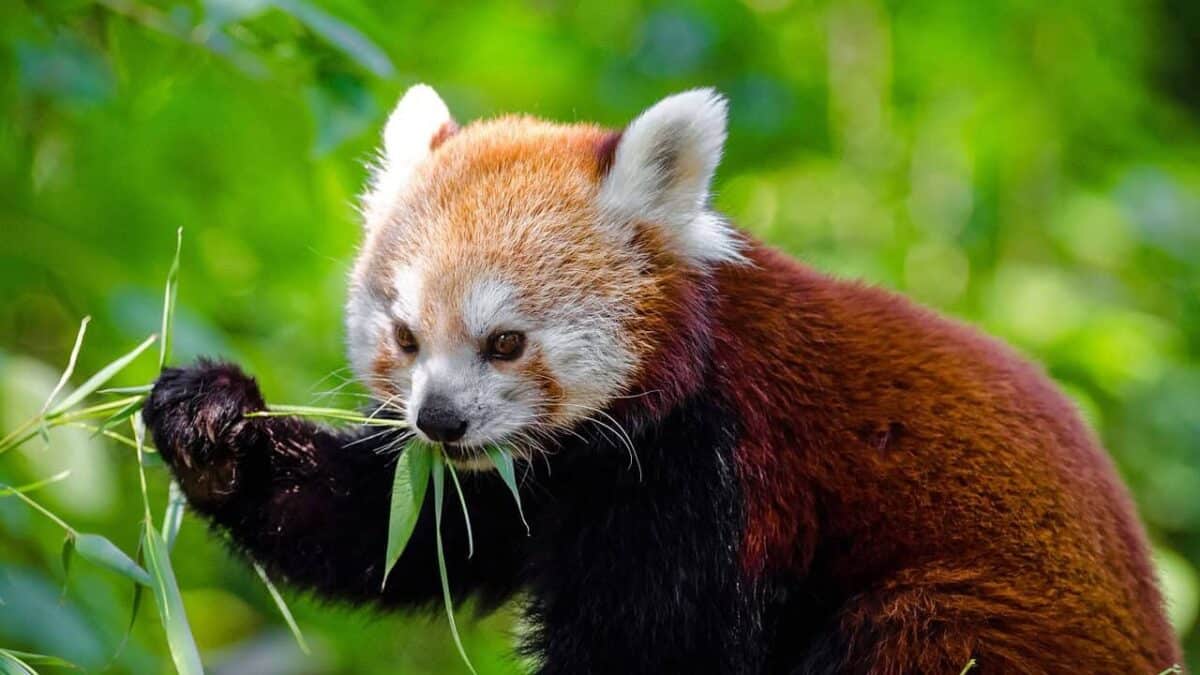
When temperatures drop in their high-altitude habitats, red pandas employ a remarkable strategy to conserve body heat. They wrap their bushy tails around themselves, creating what researchers call a “tail blanket.” This behavior is most commonly observed during resting periods, particularly in winter months when temperatures in their native range can plummet below freezing. By wrapping their tails around their bodies, particularly covering their faces and paws, red pandas create a microclimate that can be significantly warmer than the surrounding air.
Thermal imaging studies have revealed that a red panda’s tail-wrapped position can help maintain body temperature by reducing heat loss by up to 30%. This efficient natural blanket allows red pandas to survive in environments where temperatures can drop to -15°C (5°F) without needing to evolve more extreme cold-weather adaptations like hibernation. The behavior is particularly important during sleep, when metabolic rates naturally decrease and animals become more vulnerable to cold exposure.
Seasonal Variations in Tail Use

Red pandas’ use of their tails as blankets shows fascinating seasonal variations. During the harshest winter months, observations indicate that red pandas spend up to 85% of their resting time with their tails wrapped around their bodies. This behavior typically intensifies when temperatures fall below 15°C (59°F), becoming nearly universal when temperatures approach freezing. The tail-wrapping behavior becomes more pronounced during snowfall or when wind increases the effective cooling rate.
In contrast, during warmer months, red pandas may still use their tails as partial covers during sleep but do so less consistently. In summer, they’re more likely to stretch out on branches with their tails hanging down or loosely curled beside them rather than tightly wrapped. However, even during summer nights at high elevations, temperatures can drop significantly, prompting the return of the tail-blanket behavior. This seasonal variation demonstrates how behaviorally flexible these animals are in utilizing their natural adaptations.
Beyond Warmth: Other Functions of the Bushy Tail

While the insulating “blanket” function of the red panda’s tail is perhaps its most endearing use, this impressive appendage serves multiple purposes. Perhaps most importantly, the tail provides crucial balance assistance when navigating the thin branches of their arboreal habitat. Red pandas are skilled climbers who spend much of their time in trees, and their tails act as counterweights and stabilizers during precarious movements, much like a tightrope walker’s balancing pole.
The tail also serves important communication functions. When alarmed or feeling threatened, red pandas may fluff their tails to appear larger to potential predators. During mating season, tail positions and movements become part of courtship displays and territorial signaling. The distinctive ringed pattern of the tail may also provide camouflage, helping red pandas blend with the dappled light filtering through forest canopies and the reddish moss that grows on trees in their habitat.
The Science Behind Tail Insulation
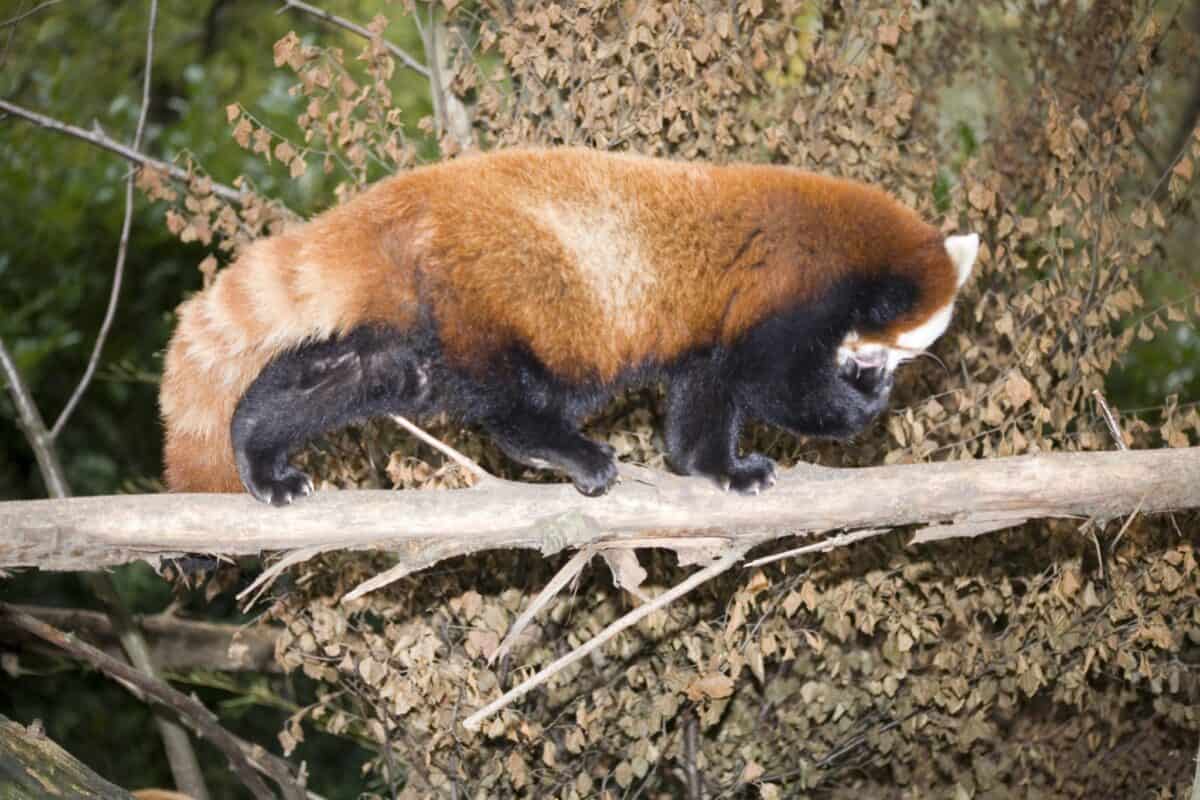
The effectiveness of the red panda’s tail as an insulation tool comes down to fur structure and physics. The tail’s fur contains specialized guard hairs that create a water-resistant outer layer, protecting the dense underfur beneath. This underfur traps air in tiny pockets, creating an insulation layer that works on the same principle as modern thermal clothing. The air pockets minimize convective heat loss, while the outer guard hairs protect against wind and moisture that would otherwise compromise the insulation.
Research into the thermal properties of red panda fur has shown that it’s among the most effective natural insulation materials found in mammals. The unique structure of the hair shafts includes microscopic air chambers within each individual hair, providing an additional level of insulation beyond just the air trapped between hairs. When the tail is wrapped around the body, it creates multiple insulating layers: the body’s own fur, the air gap between body and tail, and finally the tail’s exceptionally dense fur—resulting in a remarkably efficient natural blanket.
Sleeping Habits and Tail-Wrapping Behavior
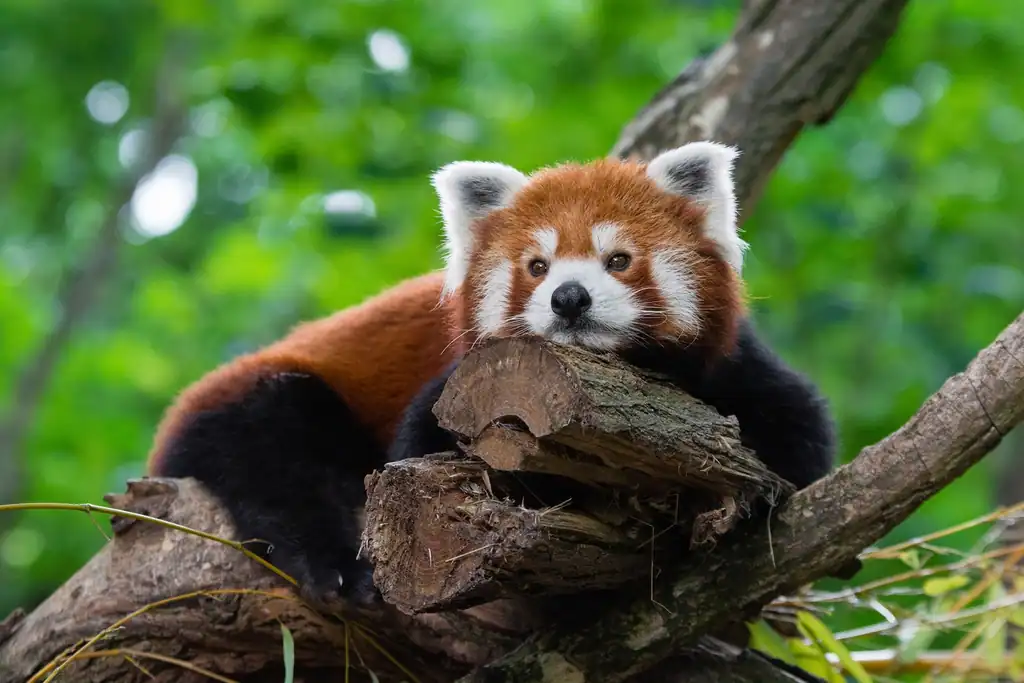
Red pandas are primarily crepuscular and nocturnal, meaning they’re most active during dawn, dusk, and nighttime hours. During daylight hours, they spend significant time sleeping, which is when their tail-wrapping behavior becomes most apparent. They typically select sleeping spots on horizontal branches or in tree hollows where they can curl into a tight ball with their tail wrapped securely around their body. This position not only provides warmth but may offer psychological comfort similar to how some domestic cats seek security by curling up tightly.
Interestingly, even cubs as young as two months old begin practicing tail-wrapping behaviors, suggesting it’s an innate rather than learned behavior. Mother red pandas also wrap their tails around their cubs during the first few weeks of life when the babies cannot yet regulate their own temperature effectively. This maternal tail-sharing is critical for cub survival, as newborn red pandas are particularly vulnerable to cold stress due to their small size and undeveloped fur.
Red Pandas vs. Other Tail-Using Animals
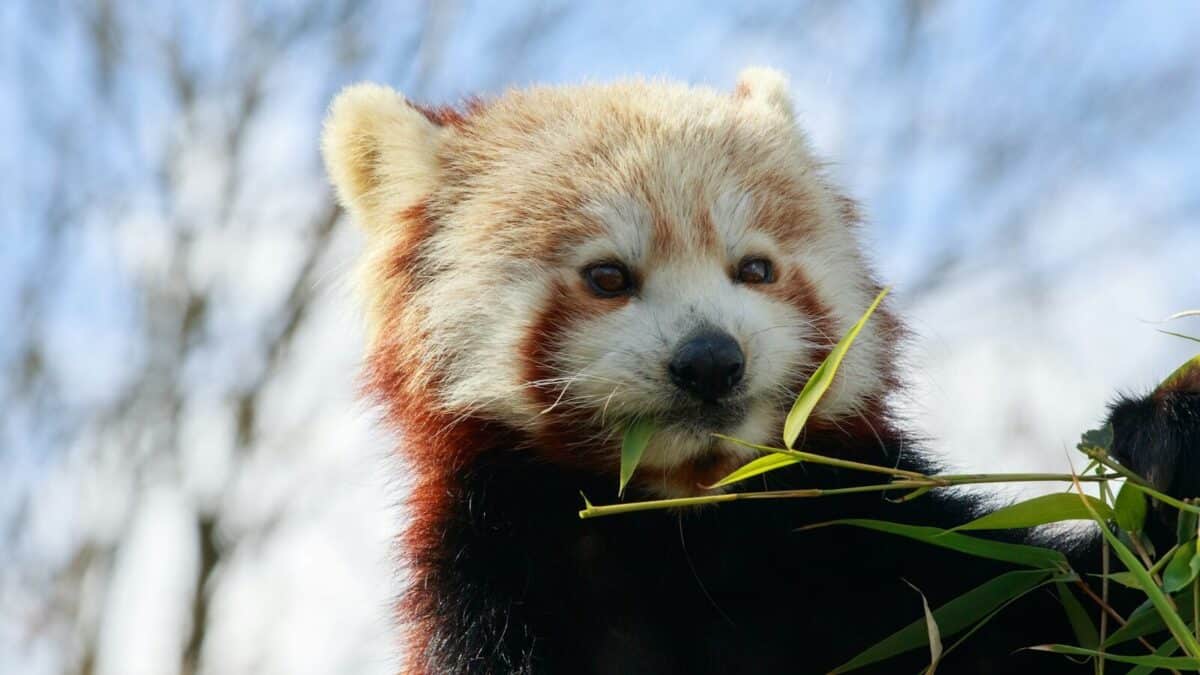
While many mammals use their tails for various functions, the red panda’s blanket-like use is relatively unique. Some related behaviors exist in other species: arctic foxes curl up with their bushy tails over their noses to protect their respiratory systems from extreme cold, and some smaller primates wrap their tails around themselves for warmth. However, few species have developed the tail-wrapping behavior to the same degree of sophistication as red pandas.
What distinguishes the red panda’s tail use from other animals is the combination of the tail’s proportional size to body length, its exceptional fur density, and the deliberate wrapping technique that covers vital body areas. For comparison, while the closely related raccoon has a ringed tail, it lacks the insulation properties and length proportional to its body that would make it useful as a blanket. This specialized adaptation highlights the red panda’s evolutionary response to the specific challenges of their high-altitude, cold-climate niche.
Adaptations for High-Altitude Living
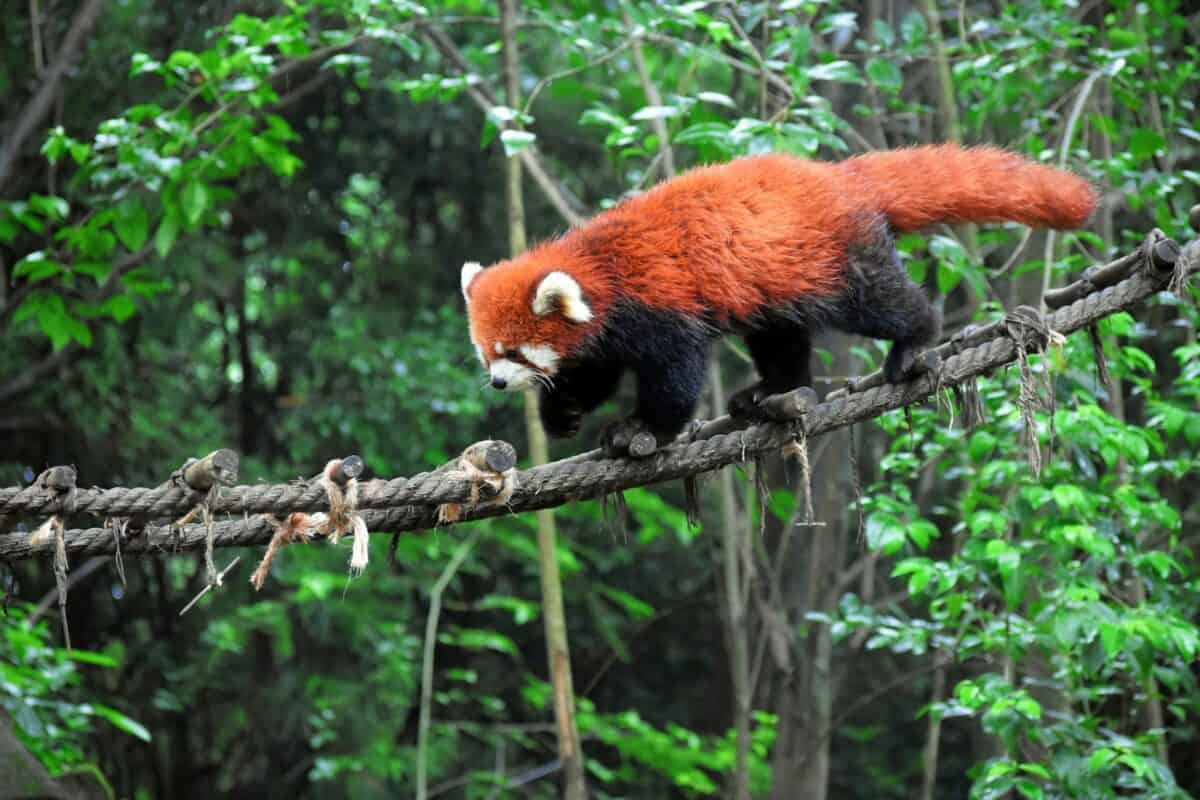
The red panda’s tail-blanket behavior is just one component of a suite of adaptations that allow these animals to thrive in challenging high-altitude environments. Their hemoglobin has a high affinity for oxygen, helping them extract sufficient oxygen from the thin mountain air. Their thick fur extends to the soles of their feet, providing both insulation and traction on slippery surfaces—like natural snow boots. Red pandas also have a specialized wrist bone that functions somewhat like a thumb, helping them grasp bamboo stalks, their primary food source.
These adaptations work together as an integrated survival system. The energy conservation provided by the tail-blanket is particularly important because red pandas subsist primarily on bamboo, which is low in nutritional value. By reducing heat loss during rest periods, red pandas can dedicate more of their limited caloric intake to other essential functions rather than generating heat. This energy efficiency is crucial for survival in an environment where food quality is poor and ambient temperatures regularly fall below freezing.
Conservation Challenges and the Importance of Preserving Habitat

Unfortunately, the red panda’s remarkable adaptations face unprecedented challenges in the modern world. Classified as endangered by the IUCN Red List, wild populations have declined by approximately 50% over the past twenty years. Habitat loss due to deforestation, agriculture expansion, and infrastructure development threatens the specialized forest environments red pandas need to survive. Climate change poses an additional threat, as warming temperatures may reduce suitable habitat ranges and disrupt the bamboo growth cycles these animals depend on.
The red panda’s specialized adaptations, including their tail-blanket behavior, make them particularly vulnerable to environmental changes. Unlike some generalist species, red pandas cannot easily adapt to different habitats or food sources. Conservation efforts focus on habitat protection, creating wildlife corridors to connect fragmented populations, and developing breeding programs to maintain genetic diversity. By understanding and appreciating unique behaviors like the tail-blanket adaptation, conservationists hope to inspire greater public interest in protecting these remarkable animals and their forest homes.
Observing Red Pandas in Zoos and Wildlife Centers

For most people, the best opportunity to observe red pandas using their tails as blankets comes through visits to accredited zoos and wildlife centers participating in conservation programs. These institutions typically provide habitats with appropriate climbing structures, temperatures, and privacy that allow red pandas to display natural behaviors. Many facilities have designed viewing areas specifically to observe sleeping and resting red pandas, where visitors can witness the charming tail-wrapping behavior firsthand.
Zoological institutions with successful red panda programs pay careful attention to environmental factors that encourage natural behaviors. They provide temperature variations that prompt the animals to use their tails adaptively and design habitats with appropriate resting platforms at different heights. Some facilities even maintain webcams that allow remote observation of red panda behavior, including their sleeping habits and tail use, contributing to both research and public education about these endangered animals.
The Enduring Charm of Red Pandas and Their Cozy Tails

The image of a red panda curled up with its magnificent tail wrapped snugly around its body represents one of nature’s most endearing sights. This behavior, evolved over millennia as a practical adaptation for survival in harsh mountain environments, has captured human hearts worldwide and helped make red pandas ambassadors for wildlife conservation. Their tail-blanket behavior exemplifies how evolution can produce solutions that are both functionally efficient and aesthetically appealing to human observers.
As we continue to learn more about these remarkable animals, their sophisticated use of their tails as multipurpose tools—from balance aids to communication devices to cozy blankets—demonstrates the incredible diversity of adaptations in the natural world. The red panda’s tale is a reminder that sometimes the most effective survival strategies can also be the most charming, and that by protecting endangered species, we preserve not just biodiversity but also the opportunity to witness and appreciate nature’s ingenious solutions to life’s challenges. Through continued research and conservation efforts, we can ensure that future generations will still be able to marvel at red pandas snuggled up in their perfect natural blankets.
Worried about unexpected vet bills?
Pet insurance can cover thousands in unexpected vet costs. Get a free quote from Lemonade in under 2 minutes.
Get My Free Quote →Sponsored · Opens Lemonade.com

- What Rhinos Eat and Why They’re Surprisingly Picky - June 11, 2026
- What Makes the Water Moccasin So Misunderstood - June 11, 2026
- Scientists Still Don’t Know Why This Lake Turns Pink - June 11, 2026