

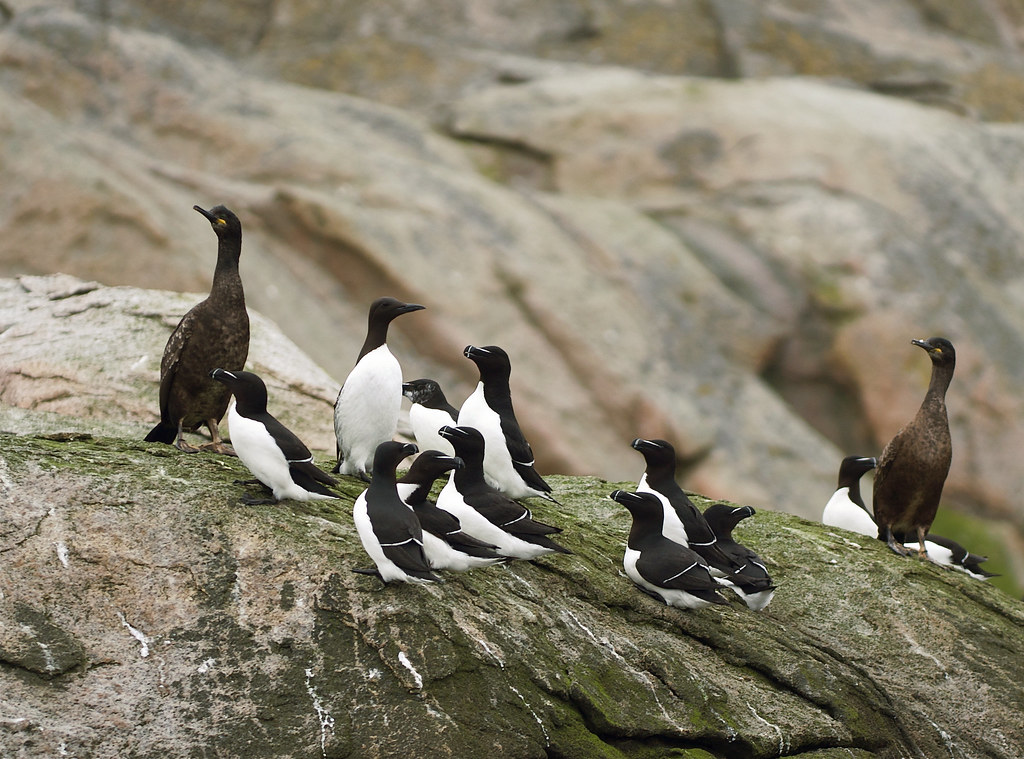
Elevated Nitrogen Reveals an Ancient Agricultural Hack (Image Credits: Flickr)
Chincha Valley, Peru – Nutrient-packed droppings from seabirds transformed arid farmland into a powerhouse of production, propelling the pre-Inca Chincha Kingdom to prominence centuries ago.[1][2]
Elevated Nitrogen Reveals an Ancient Agricultural Hack
Researchers examining 35 maize cobs from valley tombs uncovered exceptionally high levels of nitrogen-15 isotopes, far exceeding what local soils could naturally provide.[3] These signatures matched those found in seabird guano, confirming its use as fertilizer by at least 1250 CE.[4] The analysis also considered sulfur isotopes, further supporting the marine origin of the enrichment.
Emily Milton, an environmental archaeologist at the Smithsonian’s National Museum of Natural History, noted that “seabird guano is the only thing we know of that would drive nitrogen values this high.”[1] This practice predated the kingdom’s peak by over a century. Such evidence marks the earliest confirmed guano application in the region.
Gathering Resources from Offshore Islands
The Chincha Islands, about 25 kilometers offshore, hosted massive guano deposits from seabirds feeding on nutrient-rich ocean fish.[2] Local fisherfolk navigated these waters to collect the material, known as “white gold” for its potency. Dry conditions preserved the deposits, making them ideal for transport back to coastal fields.
Chincha artwork depicted the full cycle: seabirds consuming fish, producing guano, and fertilizing maize fields.[2] Place names like Pisco, meaning “bird” in Quechua, hinted at this reliance. Communities understood the ecological links deeply, integrating them into daily life and culture.
A Surge in Population and Power
Guano-boosted maize yields sustained a population of around 100,000 from 1000 to 1400 CE, fueling trade networks across coast and highlands.[1] Merchants exchanged surplus crops, textiles, ceramics, and metals, elevating the kingdom’s status. Jacob Bongers, a digital archaeologist at the University of Sydney, explained, “Bird poop was powering this really powerful pre-Inca polity.”[1]
This agricultural edge likely influenced Inca diplomacy. Rather than conquest, the empire incorporated Chincha peacefully around 1476, valuing their fertilizer expertise for maize production.[4] The kingdom’s lord even received rare privileges, like traveling on a litter before the Inca ruler.
Inca Rules Set Early Conservation Precedent
Once in control, the Inca tightly regulated guano harvesting. They banned island access during breeding seasons and prohibited killing seabirds entirely, with death as the penalty for violations.[5][2] These measures ensured sustainable supplies for empire-wide agriculture, even transporting guano hundreds of miles inland.
Such policies reflected the resource’s strategic importance. Seabirds like the guanay cormorant became culturally significant, tied to deities symbolizing fertility.
Key Takeaways
- Seabird guano provided unmatched nitrogen for maize in Peru’s dry Chincha Valley starting 1250 CE.
- It supported a 100,000-person society and shaped Inca alliances.
- Early conservation by Incas preserved bird populations for long-term yields.
The Chincha story underscores how resource innovation drove ancient societies forward, blending ecology and ambition. Modern farming could draw lessons from these sustainable practices. What lessons do ancient innovations hold for today’s agriculture? Share your thoughts in the comments.

- Urban Coyotes Show Remarkable Adaptability, Learning to Thrive in City Environments - July 22, 2026
- Beavers Are Nature’s Engineers, Creating Vital Habitats for Other Wildlife Species - July 21, 2026
- The Recovery of the California Condor Offers Hope for Other Critically Endangered Birds - July 21, 2026