

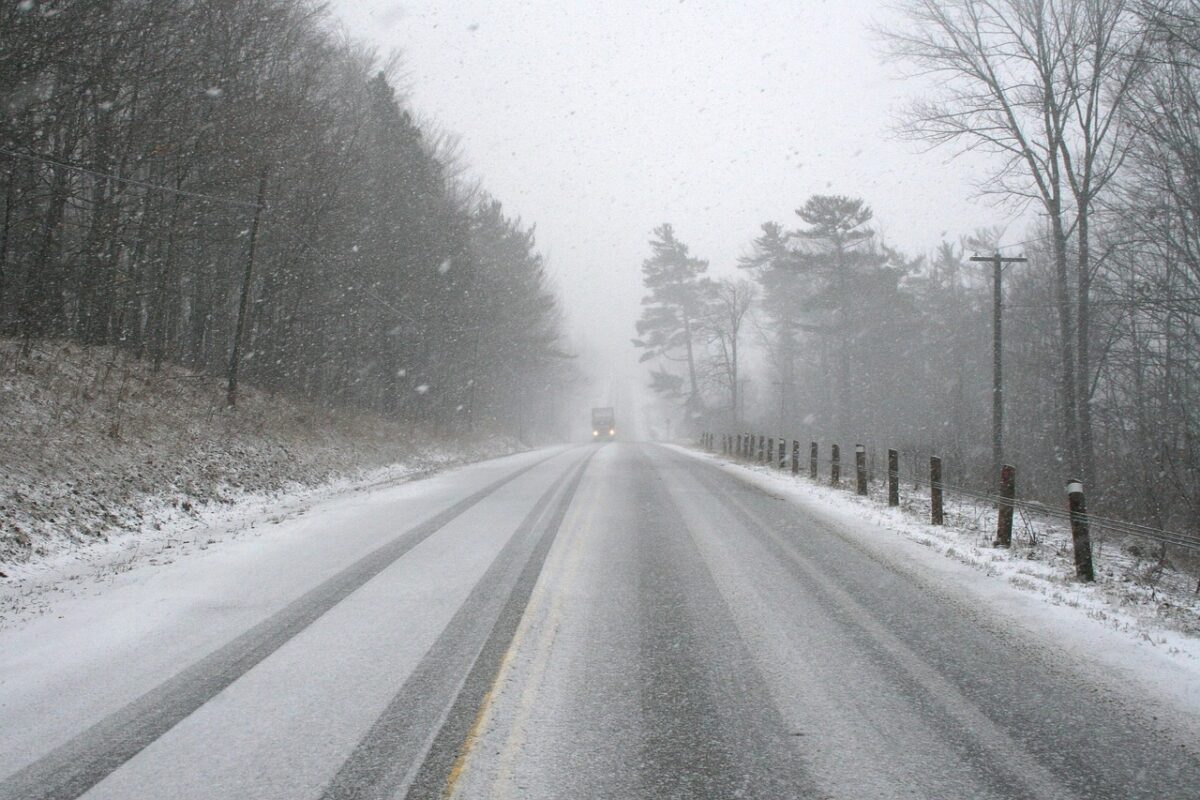
Coastal Areas Face the Biggest Risks (Image Credits: Pixabay)
Mid-Atlantic region – A strengthening low-pressure system over the western Atlantic Ocean threatens to deliver rain and accumulating snow to areas inland along the I-95 corridor this late weekend.
Coastal Areas Face the Biggest Risks
The most significant effects from this developing storm could strike coastal zones stretching from New Jersey through the Delmarva Peninsula and into eastern Virginia. Forecasters noted that these regions remain prime targets, though details continue to evolve just days out. Inland spots might see precipitation buildup, but oceanfront locations stand to experience the storm’s full force.
Several days of refinement lie ahead before a clearer picture emerges. The system’s behavior will dictate whether impacts remain confined or spread wider. Residents in these areas should prepare for variable conditions as updates roll in.
Track and Timing Remain Key Uncertainties
Two critical elements dominate the forecast: the storm’s ultimate path and the moment of its rapid intensification. Will the system skim the coastline or veer east-northeast into the open western Atlantic? Similarly, does explosive development occur right offshore or farther out to sea?
These questions carry high stakes for the Mid-Atlantic. A coastal-hugging track amplifies threats to populated zones. Meteorologists emphasized that resolution depends on evolving data patterns.
Sea Surface Temperatures Add a Twist
A sharp gradient in sea surface temperatures off North Carolina’s coast emerges as a pivotal influence on the storm’s trajectory. Warmer waters nearby could nudge the system westward, heightening onshore risks. Cooler gradients farther out might encourage an offshore escape.
This ocean temperature setup creates a dynamic tug-of-war. Forecasters highlighted its potential to sway the low-pressure center’s direction. Such patterns often prove decisive in coastal storm evolution.
Waves of Energy Drive the System
Multiple waves of atmospheric energy will shape this scenario in the coming days. These features promise sharper focus as models update. Their alignment could either reinforce coastal threats or promote oceanic retreat.
Tracking these waves offers the best clue to near-term changes. Each pulse contributes to the low’s strengthening. Observers anticipate clearer signals within 48 hours.
Preparation Steps for the Region
Here are essential actions for those in the potential impact zone:
- Monitor official updates from the National Weather Service multiple times daily.
- Secure outdoor items and clear drains to mitigate flooding.
- Stock essentials like non-perishables, water, and flashlights for possible power outages.
- Plan for travel disruptions along I-95 and coastal highways.
- Stay informed on snow accumulation forecasts for inland areas.
Key Takeaways
- Low pressure intensifies Sunday over the western Atlantic, eyeing Mid-Atlantic coasts.
- Storm track hinges on coastal vs. offshore path and intensification timing.
- Sea surface temperature gradients and energy waves will refine the outlook soon.
As details solidify over the next couple of days, the Mid-Atlantic’s late-weekend weather picture should sharpen considerably – stay vigilant to adjust plans accordingly. What precautions are you taking? Share in the comments below.

- Urban Coyotes Show Remarkable Adaptability, Learning to Thrive in City Environments - July 22, 2026
- Beavers Are Nature’s Engineers, Creating Vital Habitats for Other Wildlife Species - July 21, 2026
- The Recovery of the California Condor Offers Hope for Other Critically Endangered Birds - July 21, 2026