


Spiders often carry the stigma of being creepy and unwanted, yet these arachnids are actually among the most beneficial creatures in maintaining a garden’s health. For those who relish a vibrant, thriving garden, understanding the beneficial role spiders play in controlling harmful pest populations is key. By learning more about these eight-legged wonders, gardeners can better appreciate their contribution to a balanced ecosystem.
An Introduction to Garden Spiders

There are over 48,000 recognized species of spiders globally, with many of these species commonly found in gardens. Despite varying in size, colour, and behaviour, most garden-friendly spiders are harmless to humans and pets. Typically, the spiders you encounter in gardens are web-spinning orb-weavers or agile hunters like jumping spiders and wolf spiders. These spiders are predators, feeding on a variety of insects, which makes them your garden’s natural pest control agents.
Naturally Efficient Pest Control

One of the most compelling reasons to welcome spiders into your garden is their efficiency in pest control. These creatures have a voracious appetite for common garden pests such as aphids, caterpillars, beetles, mosquitoes, flies, and grasshoppers. By preying on these insects, spiders help to control pest populations without the need for chemical pesticides, which can harm beneficial insects and the environment.
The Impact on Biodiversity

Encouraging the presence of spiders in your garden not only reduces the use of chemical sprays but also contributes to maintaining a balanced ecosystem. Spiders play a crucial role in biodiversity, serving as both predator and prey in the food web. This balance helps to promote the presence of diverse insect species, including pollinators, which are vital for plant reproduction and food production.
Increasing Spider Populations Safely
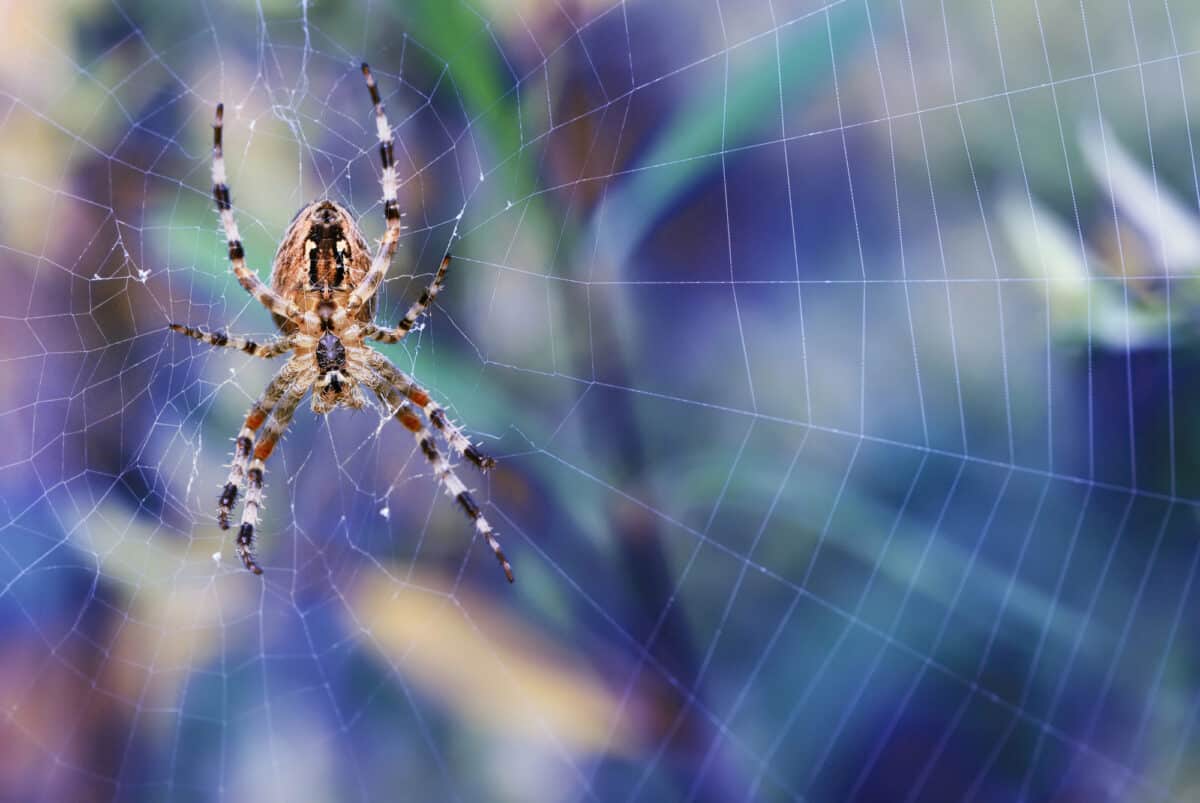
To maximize the benefits spiders bring to a garden, there are several practices gardeners can adopt to encourage their presence. Avoid using pesticides that can be harmful to spiders and other beneficial insects. Instead, opt for natural pest control methods like introducing companion planting and attracting birds that feed on harmful pests. Additionally, create habitats that encourage spider populations by providing leaf litter, mulched areas, and dense plantings where spiders can spin their webs or hunt.
Common Garden Spider Species
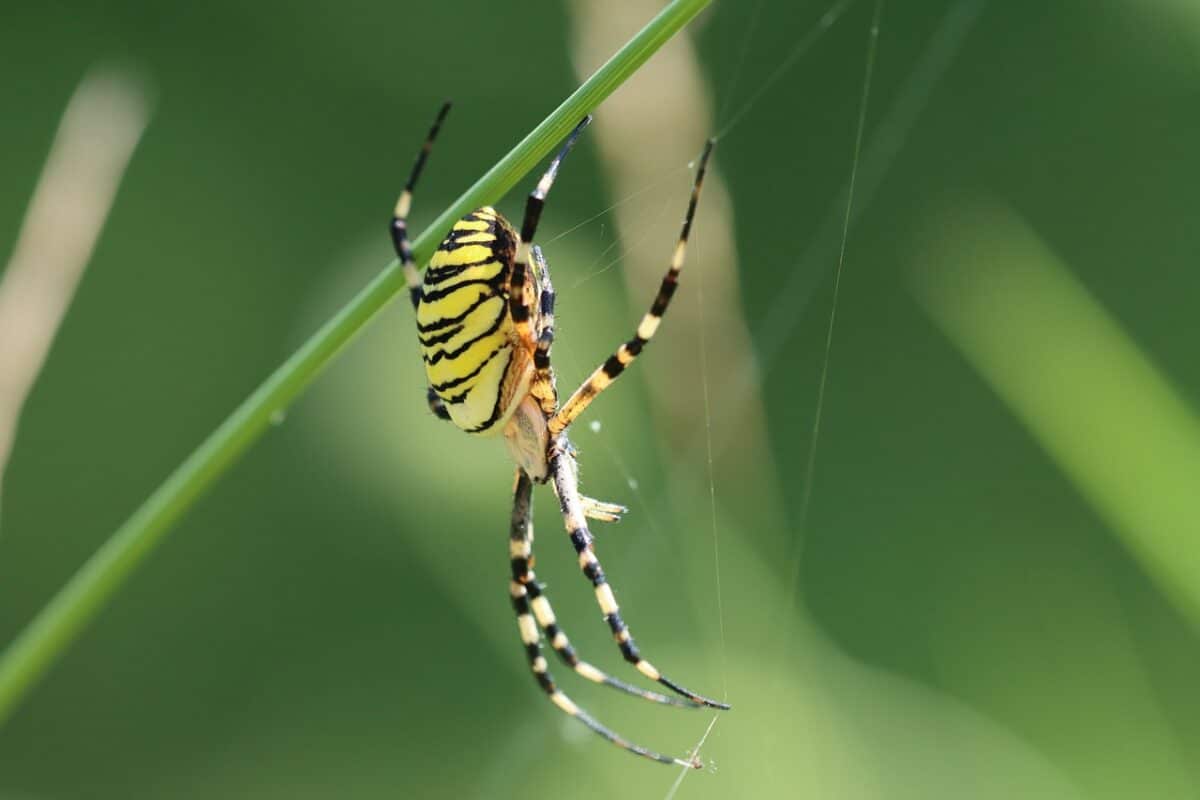
Knowing which species of spiders are most beneficial can help in understanding their role in pest management. Common garden spiders include the orb-weaver, recognized for their large wheel-shaped webs, and the jumping spider, famed for their excellent vision and agility. Wolf spiders are another variety known for their ground-hunting techniques and keen sense of movement. These spiders contribute significantly to pest population control by keeping more aggressive pests like grasshoppers and locusts in check.
Myths and Realities

Despite their beneficial role, spiders often suffer from a bad reputation due to myths and unfounded fears. It’s important to dispel these myths to foster appreciation for these creatures. Most garden spiders are not aggressive and prefer to avoid human contact. With a better understanding of their behaviour and ecological importance, we can cultivate a landscape where spiders are valued community members rather than feared trespassers.
Conclusion: Embrace the Spiders
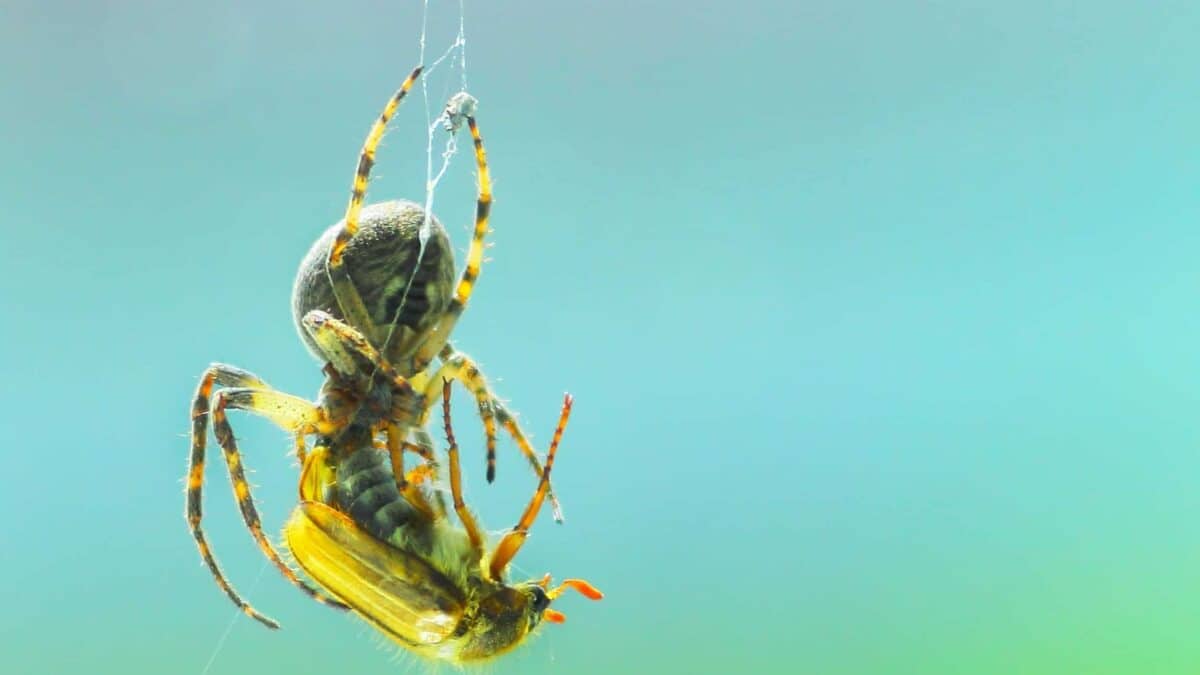
In conclusion, spiders serve as an invaluable ally in maintaining a healthy garden ecosystem. By preying on harmful insects, they naturally reduce the need for chemical interventions and support the garden’s biodiversity. For gardeners looking to sustain a vibrant garden, learning to appreciate spider populations and fostering their presence is a step towards ecological harmony and sustainability.

As a little kid, I fell in love with nature, wildlife, and animals. Living in the USA, South Africa, Italy, China and Germany gave me the opportunity to discover the world's Wildlife. My favorite animals are Mountain Gorillas, Siberian Tigers, and Great White Sharks.
I'm a certified PADI Open Water Diver, went to Everest Base Camp and Trekked Gorillas in Uganda. I hold a Master of Science in Economics and Finance.
Please send any feedback to feedback@animalsaroundtheglobe.com
- 14 Most Beautiful Bird Songs You Can Hear in America - July 15, 2026
- The Longest Snake Ever Found Slithering in the U.S. - July 15, 2026
- Why Humpback Whales Are Singing Louder Off U.S. Shores - July 15, 2026