

The Andean Condor, known scientifically as Vultur gryphus, is an avian giant that soars through the skies of South America with unrivaled majesty. As one of the largest flying birds in the world, it captures the imagination of bird enthusiasts and researchers alike. This remarkable species is not only a symbol of power and freedom but also an integral part of Andean culture and mythology.
Physical Characteristics and Adaptations

The Andean Condor is truly a spectacle in the animal kingdom due to its impressive size. With a wingspan that can stretch up to 3.3 meters (10.8 feet) and weighing between 11 to 15 kilograms (24 to 33 pounds), it excels in gliding at high altitudes. Its plumage is primarily black, accented with white patches on the wings and a distinctive white ruff of feathers around the neck. The males are notably larger than females and possess a unique caruncle, a fleshy crest on top of their heads, which is absent in females.
Adapted to survive in the harsh climates of the Andes, the Andean Condor has several evolutionary advantages. Its large, powerful wings are designed for efficient soaring, allowing it to cover extensive distances without wasting much energy. This ability is crucial for scavenging food over the expansive mountain ranges. Additionally, their keen eyesight helps them spot carrion from tremendous heights, securing their role as efficient scavengers of the ecosystem.
Habitat and Distribution

This majestic bird predominantly inhabits the Andes mountain range, which stretches along the western coast of South America. Although its range spans several countries, including Argentina, Bolivia, Chile, Colombia, Ecuador, and Peru, the population density varies significantly due to habitat conditions and conservation efforts.
The Andean Condor prefers open grasslands and alpine areas where thermals and updrafts are prevalent, facilitating effortless gliding. Occasionally, they are seen venturing to lowland areas in search of food, but these occurrences are rare. The vast and rugged terrain of the Andes provides both the food resources and isolated nesting sites required for their survival.
Diet and Feeding Habits
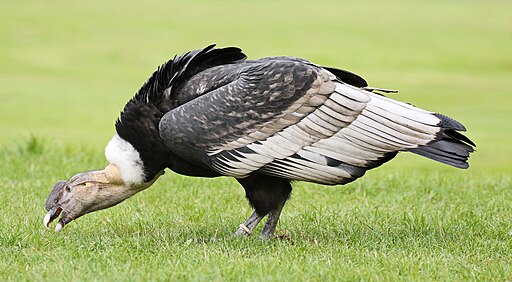
As scavengers, Andean Condors primarily feed on carrion, playing a vital role in the ecosystem by helping to break down and recycle dead animal matter. Their diet includes the carcasses of large mammals such as deer, llamas, and cattle, reflecting their ability to consume significant amounts of food in one feeding session. Unusually, they are also noted for their tolerance of rotted meat, which is facilitated by highly acidic stomach digestive juices.
Due to their size and social nature, Andean Condors often forage in groups. This communal behavior not only helps locate food more effectively but also serves a social function amongst the population, establishing hierarchies and bonds.
Reproductive Behavior

The Andean Condor has a relatively slow reproductive rate, which poses conservation challenges. Mating occurs every two years, and pairs often remain monogamous, forming strong lifelong bonds. These birds are known for their courtship displays, which involve synchronized flights and the male showcasing his striking neck ruff.
The female typically lays a single egg, and both parents participate in incubating it, which takes about 54 to 58 days. The chick depends on parental care for several months post-hatching, learning crucial survival skills. This lengthy period of dependence further highlights the importance of stable nesting and environmental conditions for the species’ ongoing survival.
Conservation Status and Efforts

Despite their magnificent presence, Andean Condors face numerous threats, placing them near the status of “Vulnerable” on the IUCN Red List. Habitat destruction, poisoning from carcasses laced with toxic chemicals intended for pests, and illegal hunting pose significant risks. Moreover, their slow population growth exacerbates the impact of these threats.
To combat these challenges, several countries within its range have initiated conservation projects. Captive breeding programs, environmental education, and protected areas are key strategies employed to bolster condor numbers and raise awareness about their plight. Community involvement is increasingly recognized as a vital component in these initiatives, fostering a sense of ownership and stewardship amongst locals.
The Andean Condor in Culture and Mythology
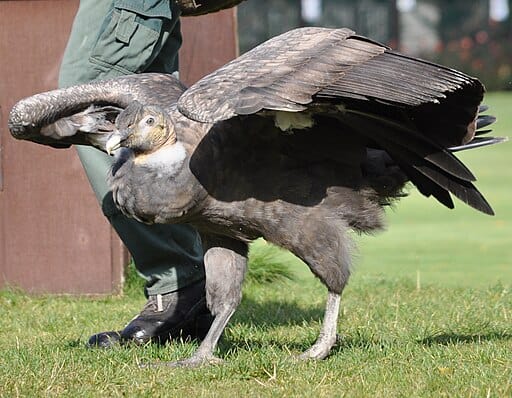
Beyond biological and ecological significance, the Andean Condor holds profound cultural importance within indigenous Andean mythology. It is often seen as a symbol of power, health, and liberty, revered by numerous indigenous communities. The bird frequently appears in folktales and traditional ceremonies, representing spiritual connections between the earth and the sky.
Conclusion

The Andean Condor represents a captivating convergence of nature’s splendor and cultural heritage. While challenges to its survival persist, concerted conservation efforts provide a glimmer of hope for this magnificent species. By appreciating the significant role they play in both ecosystems and culture, we can ensure that future generations continue to witness the awe-inspiring sight of the Andean Condor gliding majestically over the majestic Andes.

- How Rhinoceros Males Compete for Mating Rights in the Wild - July 18, 2026
- 13 Spider Species Thriving in Changing Environments - July 18, 2026
- The World’s Deadliest Plants and What Makes Them So Lethal - July 18, 2026