

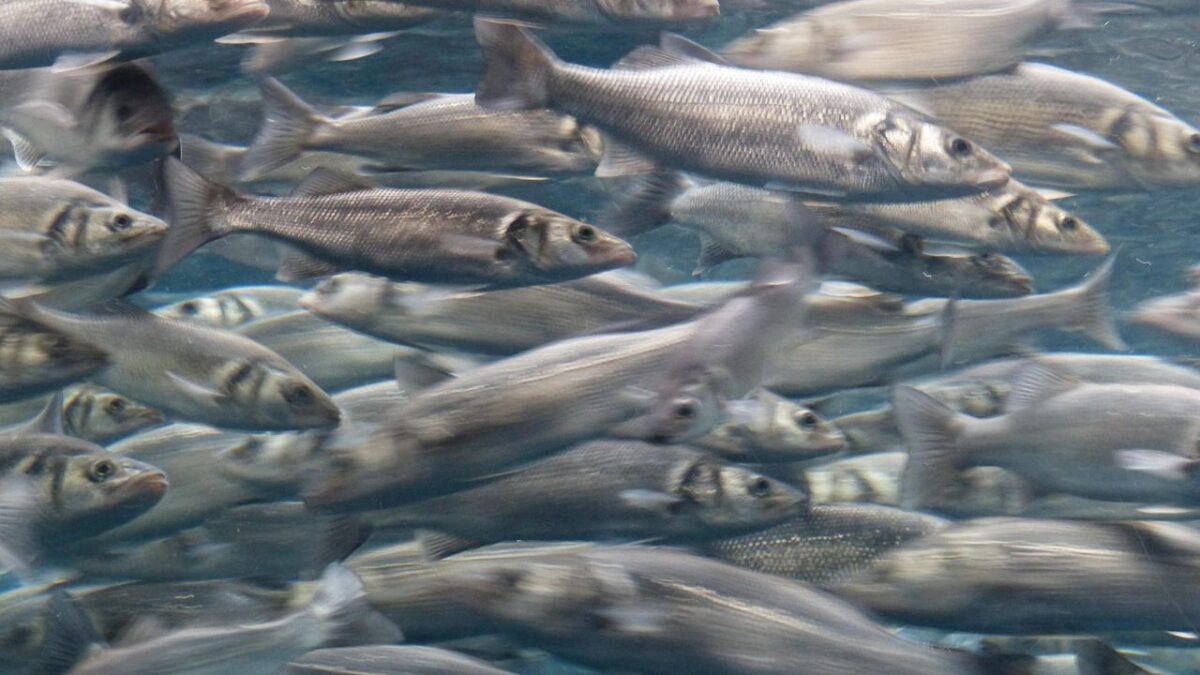
Thousands of years ago, Atlantic herring entered the Baltic Sea and encountered water far less salty than the open ocean. Survival depended on successful reproduction in this new setting, and researchers have now traced that success to targeted changes in the fish’s genetic makeup. A study led by scientists at Uppsala University, published in the journal PNAS, identifies mutations in four specific genes as central to the adaptation.
Brackish Conditions Created a Reproductive Hurdle
The Baltic Sea formed after the last ice age and gradually became brackish, with salt levels roughly one-fifth those of the Atlantic. Herring that colonized the area had to adjust quickly or risk losing the ability to produce viable offspring. Low salinity disrupts the balance of ions inside cells, which can impair sperm motility, egg fertilization, and early embryo development.
Without genetic adjustments, these processes would have failed in the new environment. The fish therefore faced strong natural selection pressure on any genes involved in maintaining cellular function during reproduction. Over generations, only those individuals carrying helpful variants would have contributed to future populations.
Reproductive Genes Emerged as the Key Players
The study focused on genes known to influence sperm, eggs, and embryos because these stages are especially sensitive to salt changes. Researchers compared DNA from Baltic herring with that of populations still living in fully marine waters. The comparison revealed clear differences concentrated in four genes rather than scattered across the genome.
These genes appear to help regulate ion transport and cell volume, allowing reproductive cells to function despite the diluted surroundings. The mutations likely arose after the herring arrived in the Baltic and then spread rapidly because they conferred an immediate advantage. The pattern suggests the changes were not random but directly tied to the demands of the brackish habitat.
Study Findings Highlight Targeted Evolution
By sequencing and analyzing the relevant regions of the herring genome, the team showed that the four genes carried distinct variants in Baltic populations. These variants were absent or rare in oceanic herring, supporting the idea that they evolved locally. The researchers also noted that the same genes remain important in other fish species that have made similar transitions to lower-salinity waters.
Still, the study leaves open questions about exactly how each mutation alters protein function and whether additional, subtler genetic changes also contributed. Further experiments will be needed to test the effects of the variants in living cells or controlled breeding trials. The work nevertheless provides one of the clearest examples yet of how a small number of genetic changes can enable a marine species to colonize an entirely new aquatic realm.
