

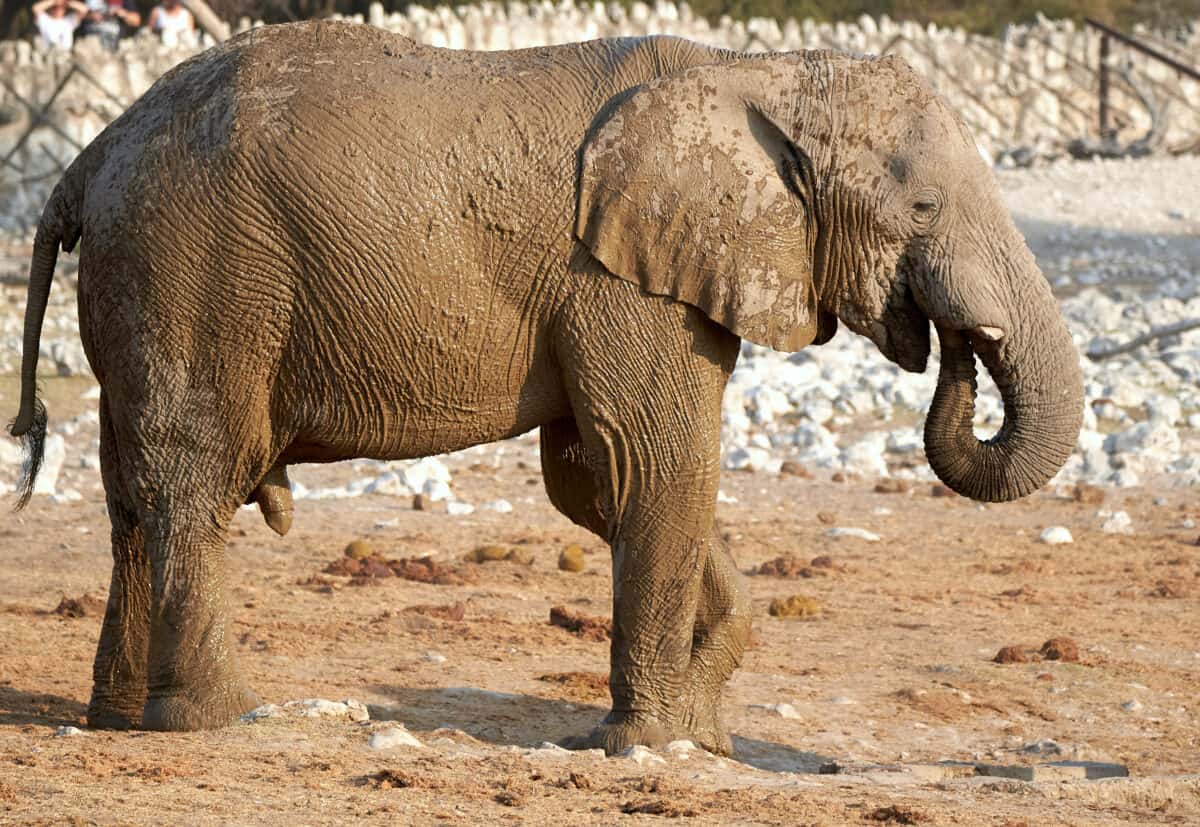
In the sprawling plains of Africa and the dense forests of Asia, the majestic elephant, known for its intelligence and grandeur, undergoes a remarkable phenomenon known as musth. Musth, a word derived from the Hindi word “mast,” meaning intoxicated, is a periodic condition experienced by male elephants, characterized by highly aggressive behavior and a significant increase in reproductive hormones. While musth is a fascinating aspect of elephant biology, it also triggers a distinctive and pungent scent that permeates the air, creating what can only be described as a stinky aura.
The Biological Underpinnings of Musth

Musth occurs almost exclusively in mature male elephants, starting as early as ten years of age and intensifying as the elephant grows older. This condition is driven by a surge in testosterone levels, causing significant physiological and behavioral changes. The temporal glands, located on both sides of an elephant’s head, become very active during musth. These glands secrete a thick, oily substance that drips down the sides of their faces, leaving dark streaks. This secretion forms part of the elephant’s unique scent signature and plays a crucial role in communicating the elephant’s heightened state to other members of its species.
The Stinky Aura A Pungent Signal

The pungent aroma associated with musth is a consequence of the secretion from the temporal glands, combined with the urine dribbling that male elephants exhibit during this period. Male elephants in musth frequently urinate, and the urine is laden with testosterone, further enhancing the potency of their scent. The combination of powerful glandular secretions and urine creates a distinctive and overpowering odor that can be detected from a considerable distance.
This stinky aura is not merely a byproduct of hormonal changes; it serves a vital communication function among elephants. The strong odor is a signal to other elephants that signalsn musth, indicating heightened aggression and reproductive readiness. Rival males often recognize this signal and, sensing the increased threat, may avoid confrontation. Females, on the other hand, may be attracted to the scent as it indicates the male’s virility and dominance.
Behavioral Changes During Musth

Accompanying their potent scent, elephants in musth display a suite of behavioral changes. They become much more restless and are often keen to assert their dominance over other males. This can lead to increased aggression, not only towards other elephants but also towards other animals and, occasionally, humans. Their increased drive to mate makes them actively seek out females, often traveling significant distances as they follow herds.
These behavioral changes, combined with the stench, signal to other elephants the male’s temporary superiority. While the musth state can lead to conflicts, it ultimately helps maintain the social structure of elephant populations by allowing only the most dominant males to breed, thus ensuring strong genetics are passed on to the next generation.
The Impact of Musth on Elephant Conservation
Understanding musth is essential for those involved in the conservation and management of elephant populations. During mast periods, male elephants can become unpredictable and dangerous, posing challenges for wildlife managers and communities living near elephant habitats. Human-elephant conflicts can escalate, as musth bulls may venture into agricultural lands or villages. Effective conservation strategies must, therefore, account for the natural behavior patterns of elephants, including musth.
Efforts to mitigate these conflicts often include educational programs to ensure local communities understand the signs and significance of musth, as well as the implementation of e andidors to facilitate the safe movement of these majestic creatures. Scientifically informed strategies can help prevent unwanted encounters and protect both elephants and humans.
Concluding Thoughts on Musth
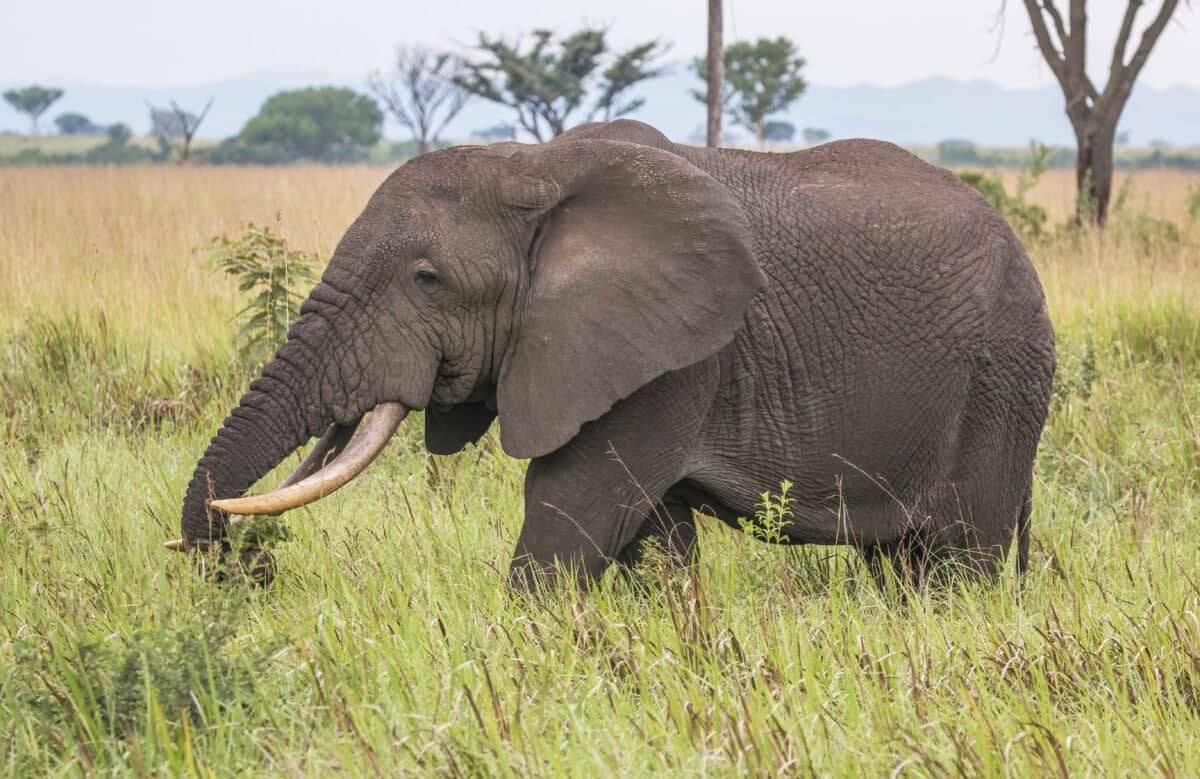
The phenomenon of musth highlights the intricate biological and behavioral adaptations of elephants. Despite the challenges it poses, musth plays a critical role in the elephants’ social structure and reproductive success. This unique state, marked by an overpowering scent and dramatic behavioral shifts, underscores the complexity and richness of wildlife adaptations. For scientists, conservationists, and animal enthusiasts, unraveling the mysteries of musth not only broadens our understanding of elephants but also reinforces the importance of protecting these incredible creatures and their habitats in an ever-changing world.

As a little kid, I fell in love with nature, wildlife, and animals. Living in the USA, South Africa, Italy, China and Germany gave me the opportunity to discover the world's Wildlife. My favorite animals are Mountain Gorillas, Siberian Tigers, and Great White Sharks.
I'm a certified PADI Open Water Diver, went to Everest Base Camp and Trekked Gorillas in Uganda. I hold a Master of Science in Economics and Finance.
Please send any feedback to feedback@animalsaroundtheglobe.com
- 13 Cat Breeds That Get Along with Dogs - July 20, 2026
- The 12 Largest Dog Breeds That Still Love to Cuddle - July 20, 2026
- 12 Pet Habits That Secretly Mean They Love You - July 20, 2026