

You do your laundry. You use your favorite fresh-scented detergent, pull out clean, neatly folded clothes, and feel like a responsible adult. What you probably don’t realize is that the very product you’re using to clean your home could be quietly broadcasting a dinner invitation to some of the most unwelcome guests imaginable. Yes, seriously.
It turns out the warm, damp, detergent-scented world of your laundry room is a lot more attractive to pests than most of us ever think to question. The combination of moisture, heat, fabric, and fragrance creates something close to a five-star resort for certain bugs and rodents. So before you start another load, you might want to read this first. Let’s dive in.
1. Ants: The Sweet Tooth Invaders
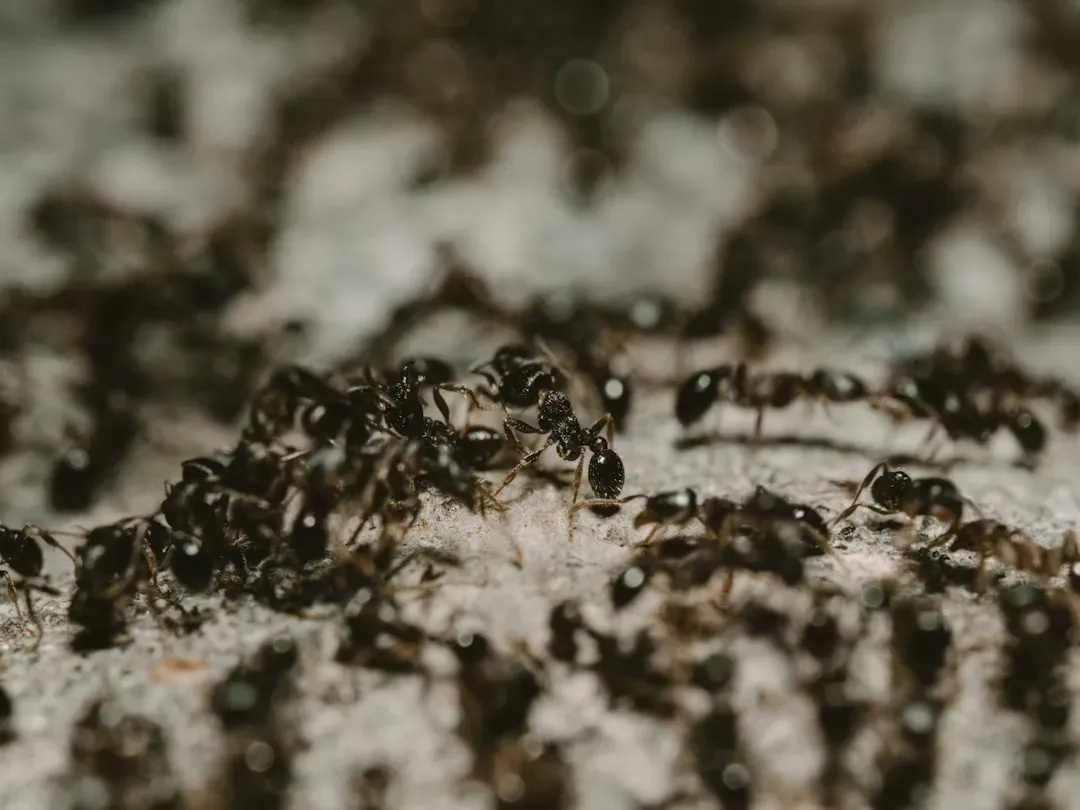
Here’s the thing about ants – they are shamelessly opportunistic, and your laundry detergent smells absolutely incredible to them. Ants love the humidity and water content of the laundry room, and they are interestingly drawn to the sweet smells of laundry detergent. That lavender or citrus-fresh scent you adore? To an ant colony, it’s basically a flashing neon sign.
Laundry detergents often contain sugars and sweeteners, such as glucose or sucrose, which can attract ants. These ingredients are added to enhance the fragrance of the detergent and make it more appealing to consumers. So ironically, the very thing that makes your detergent smell delicious to you also makes it irresistible to them.
The presence of ants in laundry detergent can also affect its performance. Ants may contaminate the detergent by leaving behind their waste or dead bodies, which can compromise its cleaning power. One ant becomes a trail, a trail becomes a colony, and suddenly your laundry room has a serious infestation problem. Seal that detergent bottle tight.
2. Cockroaches: The Resilient Laundry Room Squatters
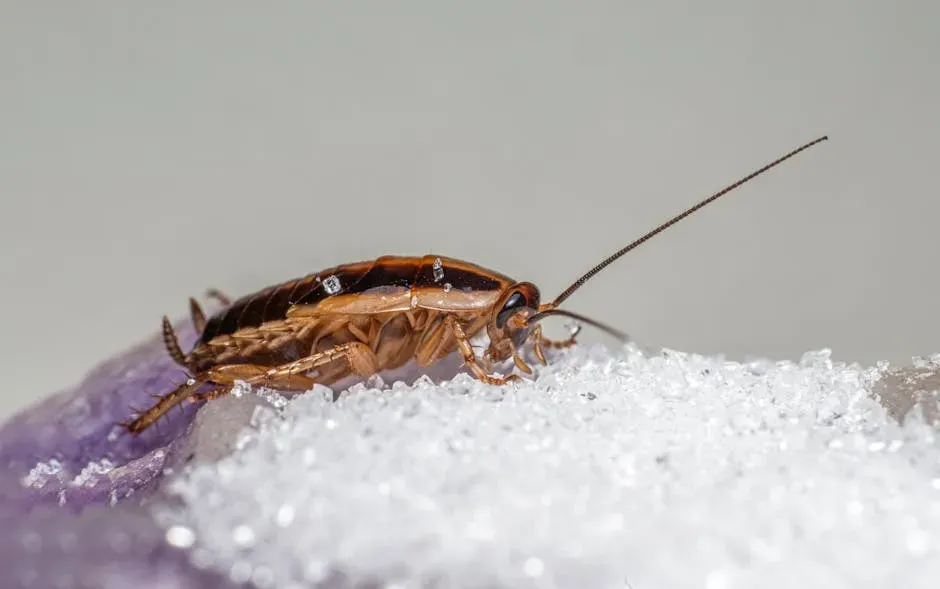
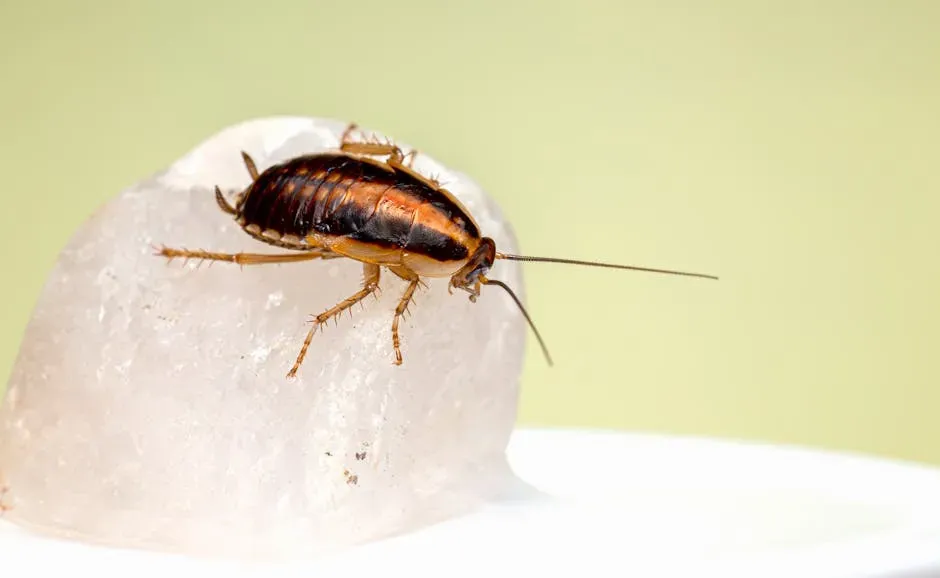
Cockroaches rank among the most despised household pests on the planet, and honestly, for good reason. These die-hard scavengers thrive in the damp environment of your laundry room, where they sample laundry detergent and even the very fabric of your clothing. With ample access to heat and water, no wonder roaches live it up in the laundry room.
Even clean clothing can be susceptible to cockroach attention because they may eat the soap residue left behind by detergents. Wet clothes left to dry or not completely dried by a dryer can also draw in cockroaches. Think about that for a moment. Your “clean” clothes still carry enough residual scent to attract these pests.
In a single year, just one female and her progeny can reproduce up to 800 cockroaches, per Pennsylvania State University. That number is genuinely alarming. The tell-tale signs of these pests include musty odors, droppings that resemble coffee grounds, and cockroach egg cases. If you spot those signs, act fast – you’re already behind the curve.
3. Bed Bugs: The Laundry-Loving Hitchhikers
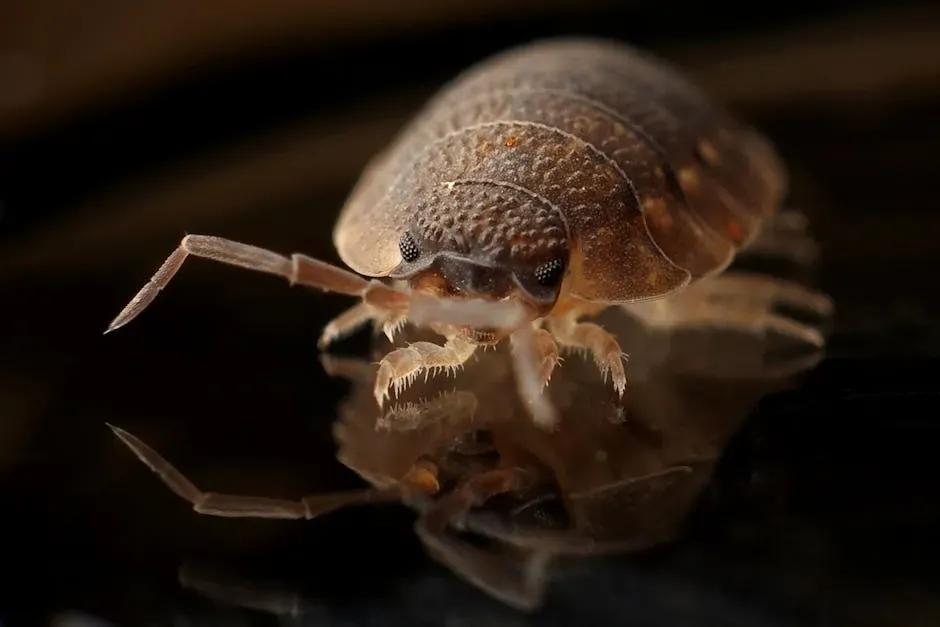
Most people associate bed bugs exclusively with mattresses, but that’s a dangerously incomplete picture. Bed bugs aren’t only found in a bed, contrary to what their name suggests. They travel from place to place by hitching a ride on clothing, bags, or blankets, so they could easily hide in the pile of dirty laundry that hasn’t been moved in a while. They can also hide behind baseboards, electrical outlets, and the dryer.
Bed bugs are attracted to dirty laundry, according to research published by University of Sheffield scientists. The study suggests that leaving worn clothes exposed in sleeping areas when travelling may facilitate the dispersal of bed bugs. The science here is genuinely fascinating, if disturbing.
At the end of the experiment, about twice as many bugs were attracted to the dirty clothes as to clean ones. That aligns with prior experiments showing that bed bugs can smell more than 100 compounds produced by human skin, many of which could easily linger on clothes for multiple days. Storing dirty clothes in a sealed bag, especially when traveling, is one of the smartest and simplest things you can do to protect yourself.
4. Silverfish: The Stealthy Fabric Feeders
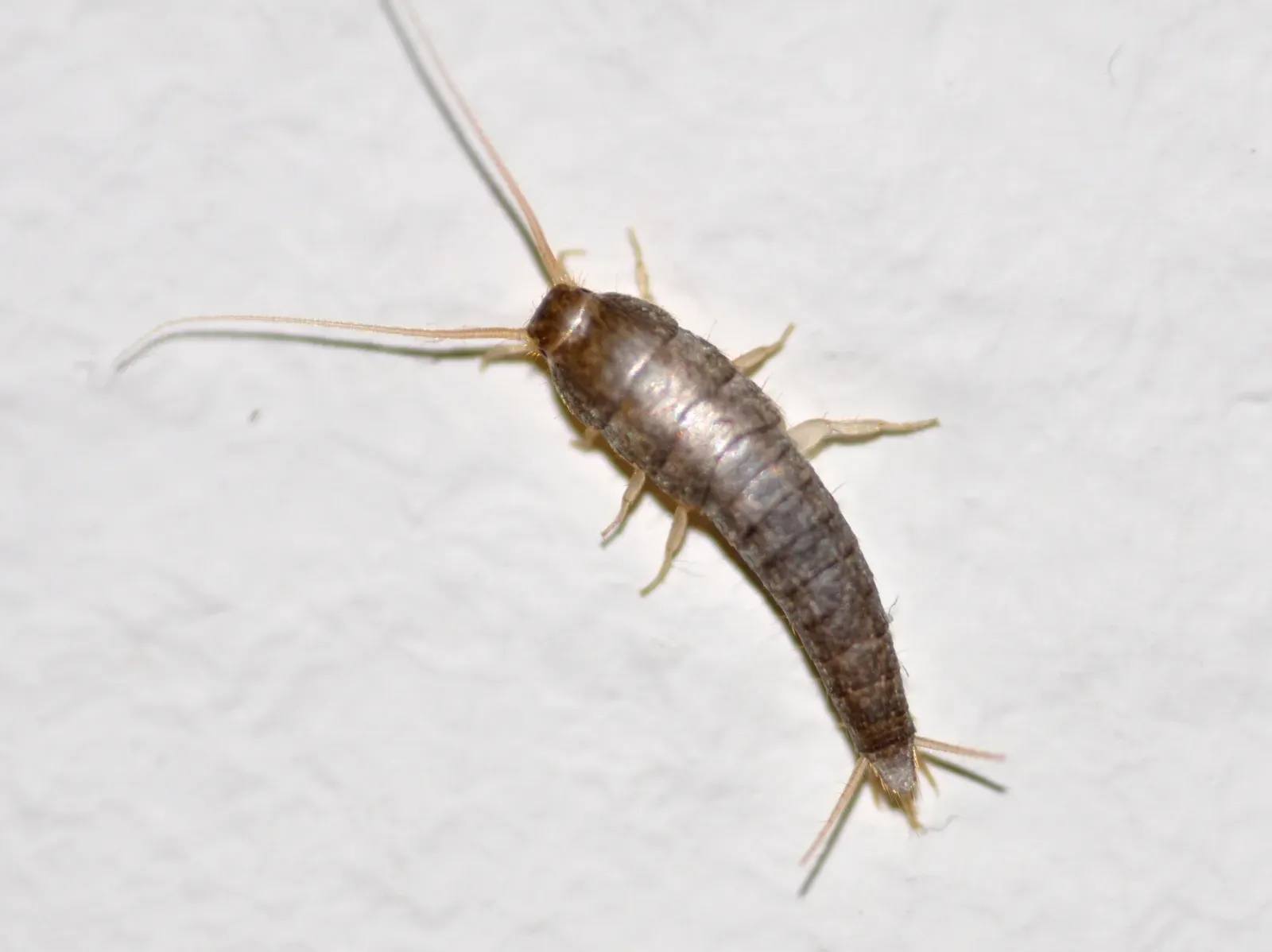
Silverfish are one of those pests that most people have seen at least once but rarely think much about. That’s a mistake. Silverfish are attracted to warm, damp environments like laundry rooms due to the high humidity levels they need to survive. Additionally, they are drawn to such areas because of the endless food supply and wet conditions they provide.
The reason silverfish are drawn to clothing is not out of a penchant for fashion but rather for the banquet of starch, sugar, and protein-rich materials in the fabric. Garments starched or bearing the marks of food and beverage spills are akin to a silverfish feast, making them eager to eat clothes and create holes. That mysterious hole in your favorite cotton shirt? Possibly silverfish, not a snag on the washing machine drum.
Silverfish like damp, cool places like basements, garages, laundry rooms, attics, and closets or storage areas with boxes or books. Honestly, the laundry room checks nearly every box on their wish list. These insects are attracted to perspiration, perfume, and body oils, so not washing your clothing is like inviting them to a delicious dinner. After washing, make sure your storage area is completely clean and dry.
5. Clothes Moths: The Invisible Wardrobe Destroyers
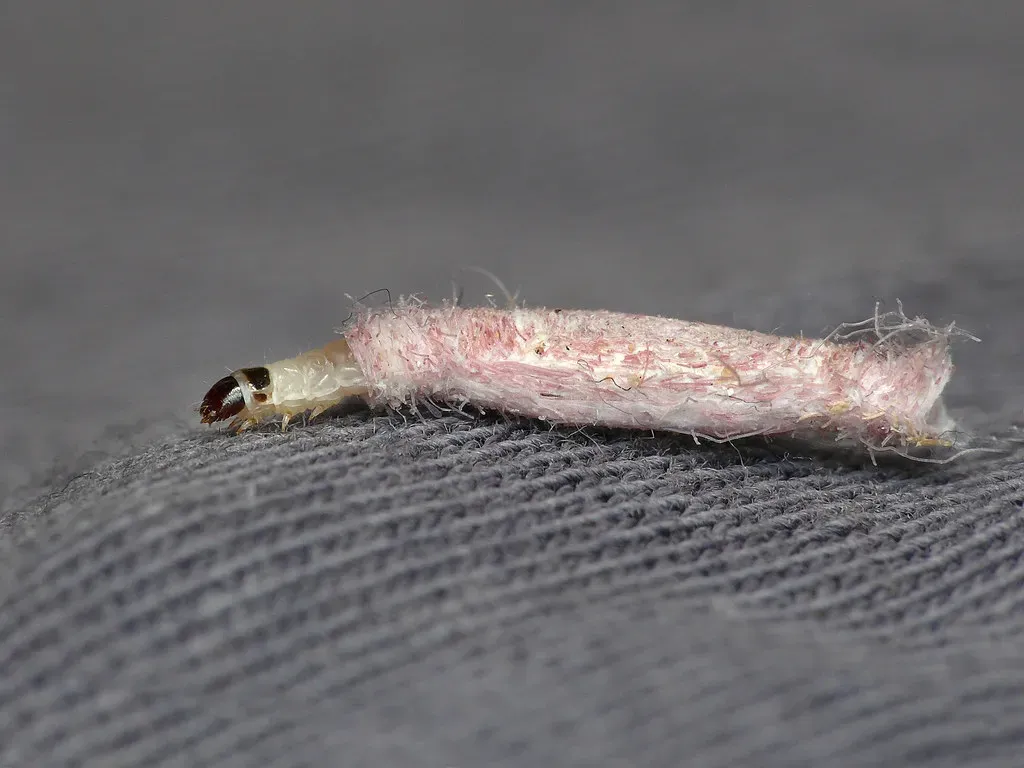
If there’s one pest that deserves a special place in every homeowner’s nightmare, it’s the clothes moth. They are quiet, tiny, and capable of absolutely ruining your favorite wardrobe pieces before you even notice they’re there. Silverfish and moths are two common culprits responsible for damaging linen, silk, rayon, cotton, cashmere, wool, and other fabrics in your closet and in off-season storage containers.
Here’s a detail that surprises most people: moths don’t actually eat your clothes – they produce larvae that can make holes in your clothes. It’s the larvae doing the real damage, quietly feeding on natural fibers while you have absolutely no idea. Think of them as tiny, fabric-eating machines working in the dark.
Moths are attracted to natural fibers such as wool and silk. To prevent moth damage, use detergents formulated specifically for delicate fabrics and follow the care instructions on clothing labels. The fragrance compounds in certain detergents can also work against you here, since they may mask the odor that would otherwise signal to you that clothes are dirty and need washing. Wash and store properly – no exceptions.
6. Crickets: The Surprisingly Destructive Night-Time Nibblers
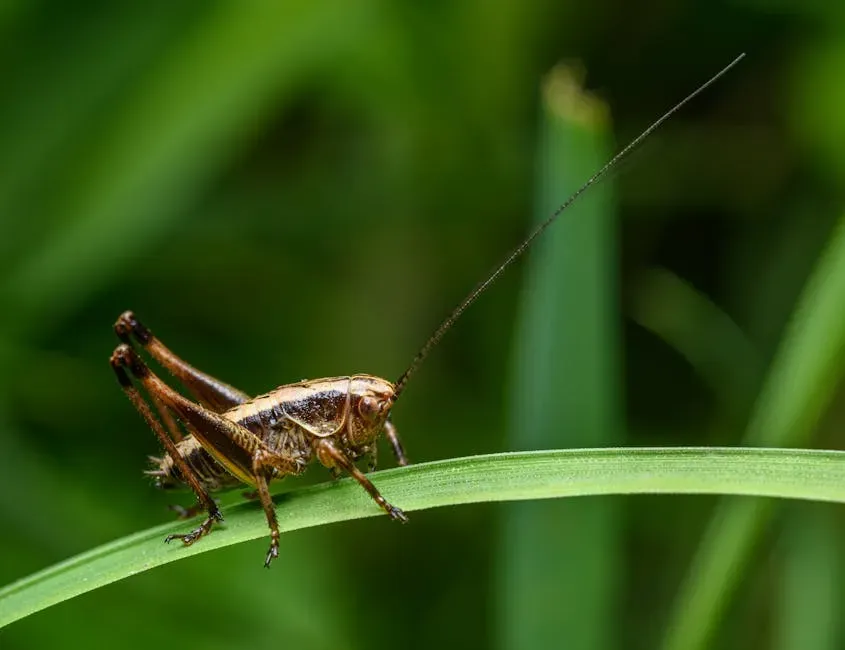
Most people hear a cricket and think of warm summer nights. What they don’t think about is their wardrobe being chewed to pieces. Crickets are attracted to body soil, food and beverage stains, and laundry starch. When they eat these stains, they often eat holes through the fabric. Crickets can damage wool, cotton, silk, synthetic fabrics, furs, and carpets. That’s a disturbingly wide range of materials.
Wool, cotton, silk, synthetic materials, and garments soiled with sweat are particularly appealing to them. Crickets are nocturnal bugs that hide in dark, moist areas such as basements, kitchens, and under appliances. The laundry room, with its dark corners and residual moisture, is essentially prime cricket habitat.
Crickets belong to the more surprising group of “stain eaters,” including silverfish and cockroaches, which damage fabrics incidentally while feeding on invisible food spills, body oils, and starches left on seemingly clean clothes. I think the most unsettling thing about crickets as fabric pests is that they’re so loud elsewhere in the house, yet so silently destructive in your laundry room. Keep those dark corners clean and well-ventilated.
7. Mice: The Furry, Fabric-Shredding Nest Builders
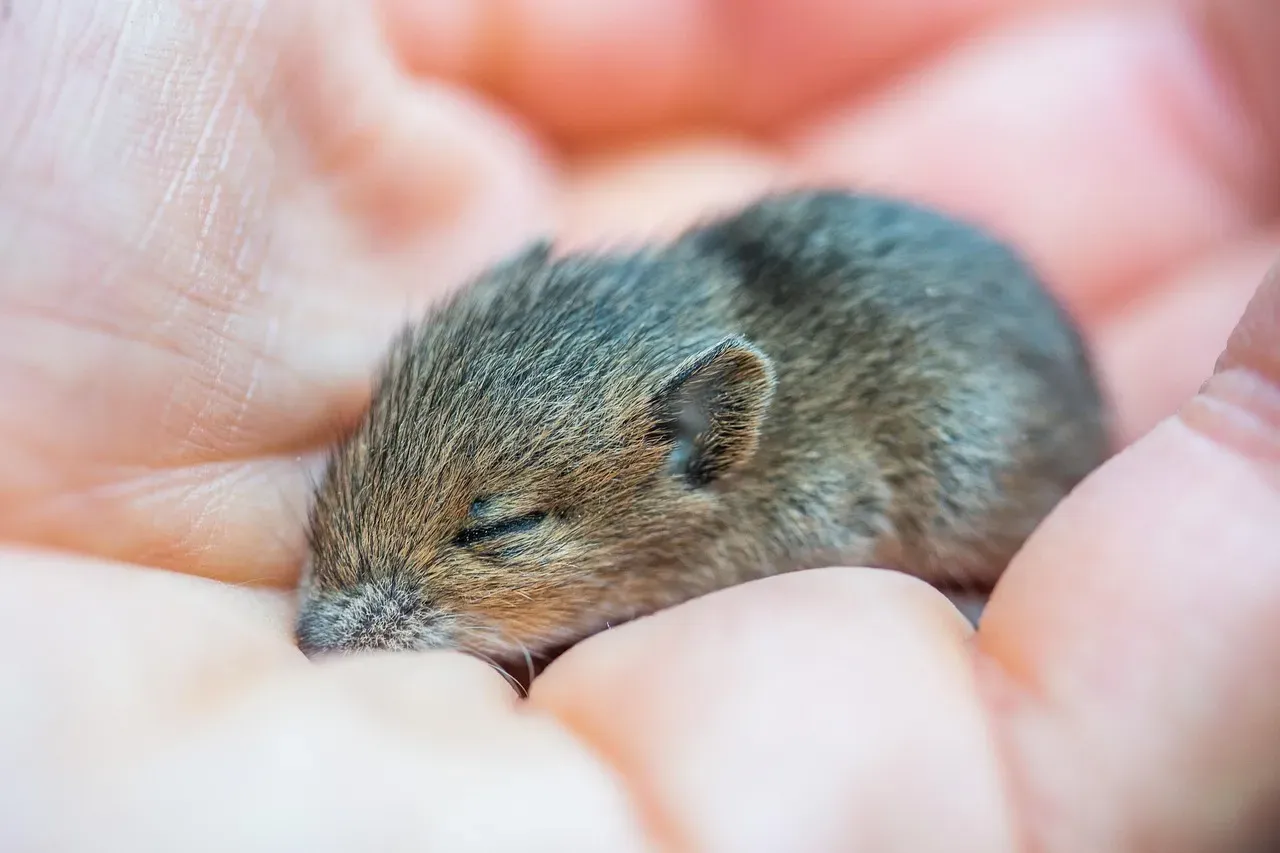
Rounding out this list is perhaps the most distressing pest of all. Dirty laundry can absolutely attract mice and other pests into your home. Mice are drawn to the smells embedded in soiled fabrics and will search out these scents to find nesting materials and food sources. Laundry piles provide excellent shelter for mice, allowing them to build nests and reproduce rapidly.
Mice typically invade either through dime-sized holes in the exterior walls or through the outdoor dryer vent. They love idle piles of dirty clothes because they have a plethora of nesting materials and food sources in there. Your detergent’s pleasant scent mixes with the warmth and softness of fabric to create what amounts to the perfect mouse invitation.
Clothing worn regularly accumulates skin oils, greases, and sweat that appeal to mice. Work clothes, towels, sheets, and fabrics that contact human skin become infused with attractive organic compounds. Mice will chew and shred these high-fat fabrics for nest insulation. The fix is straightforward but requires discipline: whether clothes are clean or dirty, having piles of clothing laying around is never a good idea. Mice look for opportunities to create a cozy home in various parts of your house. Don’t provide them with material to use for a nest. Fold clothes promptly and put them away.
Conclusion: Your Laundry Room Deserves a Closer Look
It’s a little humbling, honestly. The one room in your house dedicated to cleanliness is also one of the most attractive spaces for pests. The combination of warmth, moisture, fragrant detergents, and piles of fabric creates conditions that bugs and rodents find genuinely irresistible.
The good news is that prevention doesn’t require a complete lifestyle overhaul. Place food sources such as soap and laundry detergent in tightly sealed storage containers, and check that all pipes and fittings are not leaking while increasing ventilation in the space to avoid condensation. Small, consistent habits make a world of difference.
Keep laundry from piling up, seal your detergent tightly, and stay alert to the early warning signs each of these pests leaves behind. Your laundry room is supposed to be one of the cleanest rooms in your home. It deserves to stay that way. Did any of these pests surprise you? Drop your thoughts in the comments below.

- 6 Exotic Bird Species You Can Spot in U.S. National Parks - July 19, 2026
- 11 Iconic American Birds Facing New Challenges and How You Can Help - July 19, 2026
- 10 Friendliest Animals in the World - July 19, 2026