


Nature has spent billions of years perfecting survival mechanisms that humans can only dream of replicating. The U.S. military, ever in pursuit of tactical advantages and survival techniques, has long recognized that some of our greatest teachers wear scales, feathers, and fur. From the sonar capabilities of dolphins to the heat-sensing abilities of snakes, military researchers have turned to the animal kingdom for inspiration that could save soldiers’ lives, enhance navigation, and improve detection capabilities. This deep dive into biomimicry—the practice of emulating nature’s designs and processes—represents one of the most fascinating intersections of natural science and military technology development. Here’s how the U.S. military has been studying animal senses and the remarkable survival lessons they’ve learned along the way.
The Origins of Military Biomimicry Research

The formal study of animal senses for military applications gained significant momentum during World War II, though humans have been learning survival skills from animals for millennia. During the 1940s, the U.S. Navy began investigating the echolocation abilities of bats and dolphins to improve submarine detection systems.
This marked the beginning of a dedicated research program that would expand dramatically during the Cold War era. By the 1960s, DARPA (Defense Advanced Research Projects Agency) had established specialized divisions focused exclusively on studying biological systems for military applications. What began as rudimentary observation evolved into sophisticated research programs employing advanced technology to measure and quantify animal sensory capabilities with unprecedented precision. Today, military biomimicry research spans dozens of species across multiple branches of service, with annual budgets reaching into the hundreds of millions of dollars.
Shark Sensory Systems and Underwater Detection

Sharks possess some of the most sophisticated sensory systems in the animal kingdom, capable of detecting minute electrical fields produced by other organisms—even those buried beneath the sand. The U.S. Navy has invested considerable resources studying the ampullae of Lorenzini, specialized electroreceptor organs that allow sharks to detect prey through electrical impulses as weak as half a billionth of a volt.
This research has led to the development of passive electrical field sensors that can detect underwater mines and enemy submarines without emitting signals that would reveal the location of U.S. vessels. In 2013, researchers at the Naval Undersea Warfare Center successfully tested prototype sensors based on shark electroreception that could detect the electrical signature of a submerged submarine from over one kilometer away—a significant improvement over previous technologies. This technology continues to evolve, with newer systems integrating artificial intelligence to distinguish between natural biological signatures and man-made objects.
Bat Echolocation and Navigation Systems

The remarkable echolocation abilities of bats have provided crucial insights for military navigation systems designed to function in GPS-denied environments. Bats emit high-frequency sound waves that bounce off objects in their environment, creating a detailed acoustic map that allows them to fly at high speeds through complete darkness. The U.S. Air Force Research Laboratory has developed miniature sonar systems based on bat echolocation for use in drones navigating inside buildings or caves where GPS signals cannot penetrate.
These systems emit ultrasonic pulses and analyze the returning echoes to create three-dimensional maps of unknown spaces. The technology has proven particularly valuable for search and rescue operations in disaster zones and for special operations forces operating in hostile territory. Recent advances have reduced the weight of these systems to less than 100 grams, allowing integration into handheld devices and even soldier-worn equipment, providing troops with enhanced situational awareness in complex environments.
Snake Infrared Detection for Night Operations

Certain snake species, particularly pit vipers, possess extraordinary infrared detection capabilities that allow them to locate warm-blooded prey in complete darkness. The specialized pit organs between their eyes and nostrils can detect temperature differences as small as 0.001 degrees Celsius. Army researchers at Fort Detrick have studied these organs extensively, leading to significant improvements in thermal imaging technology.
Unlike conventional infrared sensors that require cooling systems to function properly, snake-inspired thermal detectors operate at ambient temperature, dramatically reducing power requirements and equipment size. The Army’s Advanced Sensor Laboratory has developed helmet-mounted thermal vision systems based on this research that weigh less than 200 grams and operate for over 48 hours on a single battery charge. These systems provide soldiers with enhanced capability to detect human presence at night or through light foliage, offering tactical advantages in low-visibility conditions while maintaining a low equipment burden.
Dolphin Sonar and Underwater Communication

The U.S. Navy’s Marine Mammal Program, established in 1959, has conducted extensive research on dolphin sonar capabilities, which far surpass any human-made equivalent in both sensitivity and discrimination ability. Dolphins can detect objects the size of a golf ball from over 100 meters away, even in murky water conditions that would render optical systems useless. This research has informed the development of advanced sonar systems that can distinguish between similar-sized objects with different material compositions—crucial for identifying underwater mines.
Additionally, studies of dolphin communication have influenced military underwater acoustic communication protocols. Dolphins use frequency-modulated signals that maintain integrity even in noisy ocean environments with multiple sound reflections. Naval researchers have adapted these communication techniques to develop robust underwater networks that maintain signal clarity despite challenging acoustic conditions. These networks enable submarine forces to communicate without surfacing and support autonomous underwater vehicle operations for extended durations.
Bird Migration and Navigation Techniques

Birds demonstrate remarkable navigation abilities, with some species migrating thousands of miles with pinpoint accuracy using multiple sensory inputs. The Air Force Research Laboratory has extensively studied how birds integrate visual landmarks, stellar navigation, magnetic field detection, and even olfactory cues to maintain orientation. This research has proven invaluable for developing redundant navigation systems for aircraft and drones operating in environments where primary navigation systems may be compromised.
Of particular interest is how migratory birds can detect Earth’s magnetic field through specialized proteins called cryptochromes in their eyes. This biological magnetoreception has inspired the development of compact magnetic navigation backups that function independently of GPS signals. Military aircraft now incorporate biomimetic navigation systems that can triangulate position using multiple environmental inputs, making them resistant to electronic warfare jamming that would disable conventional navigation. These systems have been credited with successful mission completion in several recent conflict zones where electromagnetic interference was prevalent.
Insect Compound Eyes and Wide-Field Vision
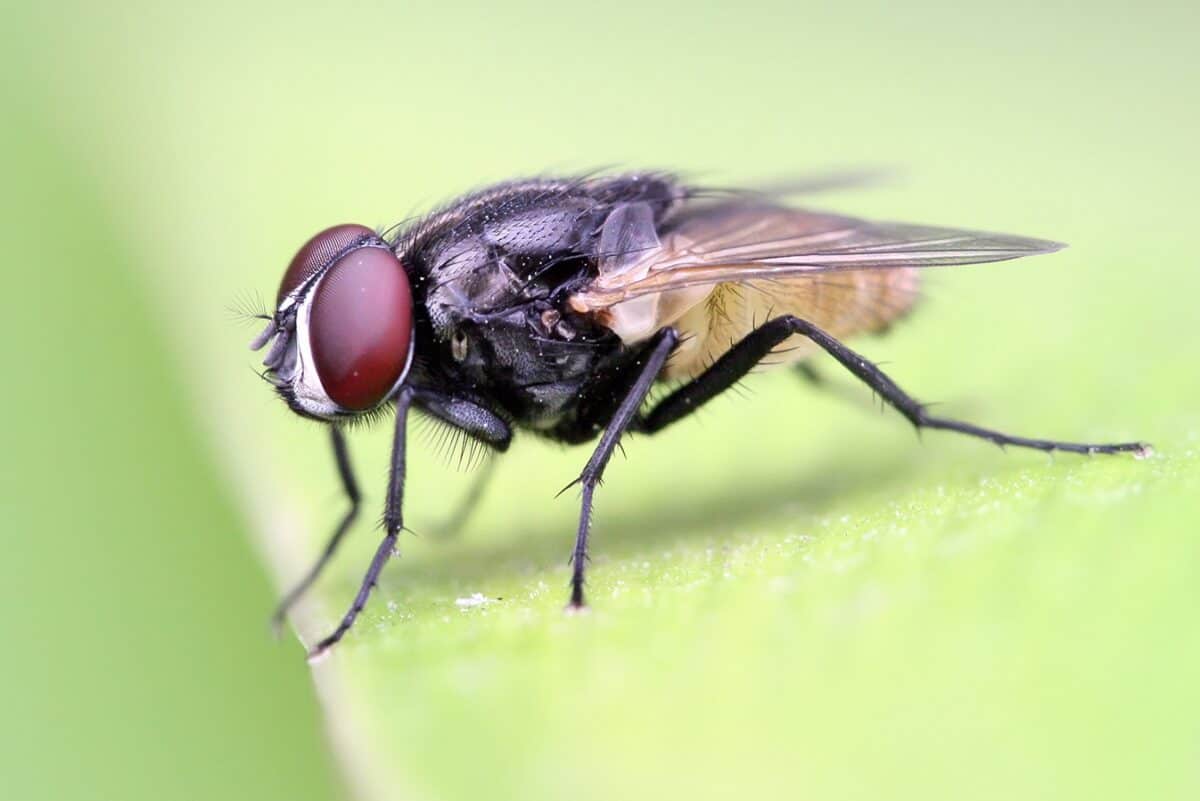
The compound eyes of insects provide nearly 360-degree vision with exceptional motion detection capabilities—an ideal model for military surveillance systems. DARPA’s Panoramic Awareness System program has developed hemispherical camera arrays inspired by insect vision that provide soldiers with omnidirectional awareness of their surroundings. Unlike traditional cameras that focus on high resolution in a narrow field, these biomimetic systems prioritize motion detection across the entire visual field, instantly alerting users to movement in any direction.
The technology has been integrated into vehicle-mounted systems and perimeter defense installations, dramatically reducing the vulnerability to surprise attacks. Most recently, researchers at the Army Research Laboratory have developed miniaturized versions weighing less than 30 grams that can be mounted on helmets, providing infantry with unprecedented situational awareness. Field tests in training scenarios demonstrated a 64% reduction in successful surprise attacks against units equipped with these systems compared to those using conventional optics.
Elephant Infrasound Communication for Long-Distance Signaling

Elephants communicate over vast distances using infrasound—sound waves below the threshold of human hearing that can travel dozens of kilometers through various terrains. These low-frequency vocalizations (around 14-35 Hz) propagate efficiently through ground and air, allowing elephants to coordinate movements and warn of dangers across vast territories. The U.S. Army Communications-Electronics Research Development and Engineering Center has studied this phenomenon to develop improved battlefield communication systems that function in signal-denied environments.
The resulting technology uses seismic and atmospheric infrasound transmission to send coded messages that are difficult to intercept or jam with conventional electronic warfare equipment. These systems have proven particularly effective in mountainous regions where radio signals are often blocked by terrain features. During field exercises in Afghanistan’s Hindu Kush mountains, these elephant-inspired communication systems maintained connectivity across 30 kilometers of rugged terrain where traditional radio systems failed completely, providing crucial command and control capabilities for distributed operations.
Octopus Camouflage and Adaptive Materials

The remarkable ability of octopuses to instantly change their skin color and texture to match their surroundings has captivated military researchers developing next-generation camouflage. The Office of Naval Research has conducted extensive studies on the specialized chromatophore cells that allow octopuses to create complex patterns and textures within milliseconds. This research has led to the development of adaptive camouflage materials that can change their appearance based on surrounding conditions.
Unlike traditional camouflage that works in specific environments, these biomimetic materials use embedded sensors to detect background colors and textures, then adjust accordingly. Prototype uniform systems can shift between woodland, urban, and desert camouflage patterns without requiring soldiers to change clothing. The technology extends beyond visible light camouflage to include infrared and ultraviolet spectrum matching, providing protection against modern detection systems. While still in advanced development phases, field tests have demonstrated up to 80% reduction in detection rates compared to traditional fixed-pattern camouflage in varied terrain environments.
Rattlesnake Vibration Sensing for Perimeter Security

Rattlesnakes possess specialized organs called crotaline sensors that can detect minute ground vibrations produced by approaching animals. These sensors are so sensitive they can distinguish between the footsteps of different species and determine their direction of movement. The U.S. Army Corps of Engineers has adapted this sensory capability to develop advanced perimeter security systems for forward operating bases and sensitive installations.
These systems use distributed seismic sensors that mimic the frequency sensitivity and discrimination capabilities of rattlesnake vibration detection. Unlike conventional motion detectors that trigger numerous false alarms from wind or wildlife, these biomimetic sensors can differentiate between human footsteps, vehicle movement, and non-threatening environmental vibrations. When deployed around military bases in combat zones, these systems have demonstrated false alarm rates below 2%—a dramatic improvement over the 30-40% false alarm rates of traditional perimeter security. This technology has proven particularly valuable for small outposts where personnel resources for security monitoring are limited.
Owl Silent Flight Technology for Stealth Aircraft
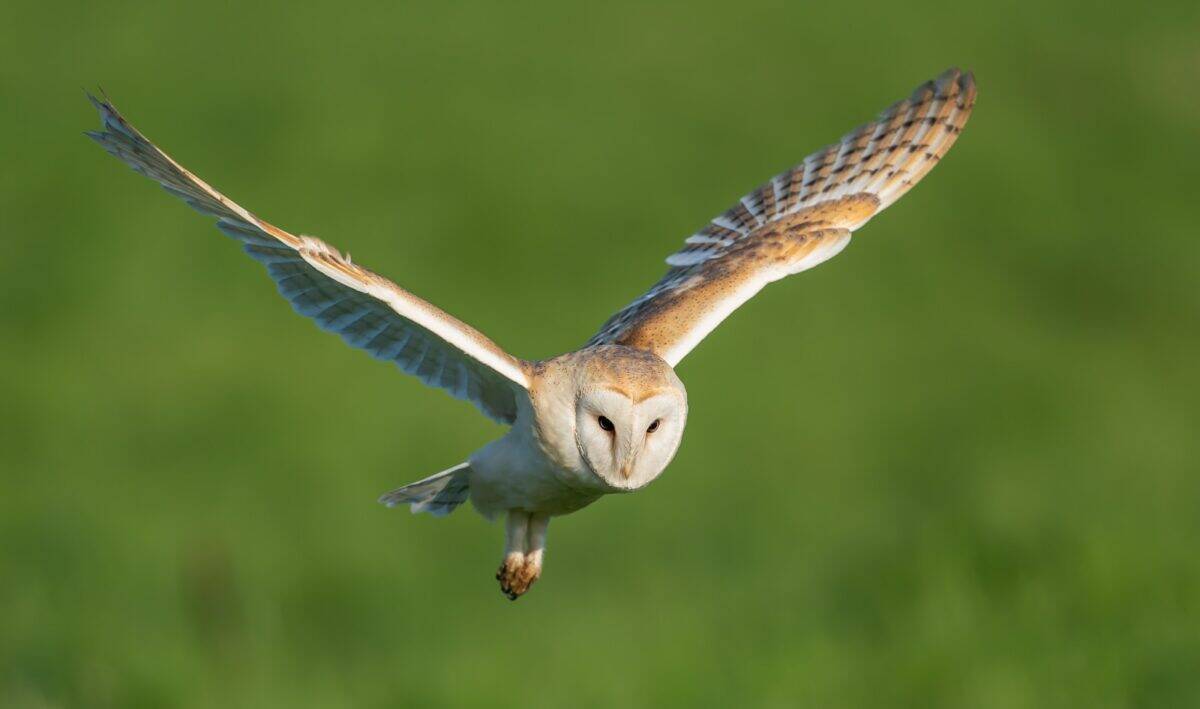
The silent flight of owls has provided crucial insights for reducing aircraft noise signatures—a critical factor in stealth operations. Owls possess several specialized adaptations that allow them to fly almost silently: leading edge feather combs that break up turbulence, trailing edge fringes that prevent vortex formation, and velvet-like surface feathers that absorb sound. The Air Force Research Laboratory’s Quiet Aircraft Technology program has extensively studied these features, leading to significant noise reduction innovations for military aircraft.
Engineers have developed serrated engine exhaust nozzles based on owl wing trailing edges that reduce jet noise by up to 30% without compromising thrust performance. Similarly, biomimetic surface treatments inspired by owl feather microstructure have been applied to airframe components, reducing airflow noise during low-altitude operations. These technologies have been incorporated into the latest generation of special operations aircraft, significantly reducing their acoustic detection range. During night training exercises, aircraft equipped with these modifications could approach within 500 meters of listening posts before being detected—roughly half the detection distance of conventional aircraft.
Honeybee Swarm Intelligence for Autonomous Systems

Honeybee colonies demonstrate remarkable collective decision-making capabilities without centralized control—a phenomenon known as swarm intelligence that has profound implications for military autonomous systems. DARPA’s Offensive Swarm-Enabled Tactics program has drawn heavily from studies of how honeybee colonies coordinate complex activities through simple individual interactions and chemical signaling. This research has informed the development of autonomous drone swarms that can collaborate on missions without constant human direction.
These systems use distributed decision-making algorithms that allow individual units to share information and adapt to changing conditions while maintaining collective mission focus. In recent demonstration exercises, swarms of 250+ small drones successfully conducted coordinated reconnaissance of urban environments, automatically distributing coverage responsibilities and adapting to communication disruptions. When several units were deliberately disabled during the exercise, the remaining drones autonomously reorganized their formation to maintain mission effectiveness—a direct application of the resilience observed in honeybee colonies when they lose individual members.
Conclusion: The Continuing Evolution of Military Biomimicry
The U.S. military’s study of animal senses represents one of the most productive intersections of biological research and defense technology development in modern history. From the silent flight of owls to the electrical sensing abilities of sharks, these natural adaptations—perfected over millions of years of evolution—continue to inspire innovations that enhance soldier survival and operational capabilities.
As sensing technology becomes increasingly sophisticated, researchers can measure and analyze animal sensory abilities with unprecedented precision, opening new avenues for biomimetic applications. Looking forward, the military’s biomimicry research is expanding beyond individual species to study entire ecosystems and their collective sensing capabilities, potentially leading to integrated systems that combine multiple animal-inspired technologies. This ongoing commitment to learning from nature’s solutions ensures that the remarkable sensory adaptations developed through natural selection will continue to inform the development of military technology for generations to come.

From exploring the marine wonders in the Azores and witnessing the vast savannas of Kenya, to delving deep into the rich biodiversity of South Africa and traversing iconic landscapes in Australia and the US like Yellowstone, Chris's experiences are vast.
With a penchant for diving alongside sharks, the ocean holds a special place in his heart.
Through his academic insights, he champions wildlife conservation, striving with 'Animals Around The Globe' to cultivate a profound connection between humans and animals, enhancing our mutual appreciation.
Connect with him at Feedback@animalsaroundtheglobe.com.
- Why Spiders Don’t Get Stuck in Their Own Webs - July 20, 2026
- What Scientists Found in a 10,000-Year-Old Beehive - July 20, 2026
- This Spider Builds Fake Decoys of Itself - July 20, 2026