


Choosing the right pet for your lifestyle is an important decision that can bring joy and companionship while improving both your and your pet’s quality of life. Before committing, it’s crucial to consider the specifics of your daily routine and personal preferences. Assessing your lifestyle is the first step in this process. Do you have a busy work schedule, or are you often at home? Do you enjoy outdoor activities or prefer indoor relaxation? Answers to these questions will guide you in determining which type of pet is best suited for you.
Evaluating Time Commitment

Different pets require varying levels of care and attention. Dogs, for instance, need regular walks, mental stimulation, and consistent training. This makes them more suitable for those with flexible schedules or those who enjoy spending time outdoors. Cats, on the other hand, are more independent, often thriving in environments where they can explore indoor spaces on their own. Similarly, smaller pets like fish and hamsters may require less hands-on interaction but still need daily feeding and maintenance of their habitats.
Considering Space Availability
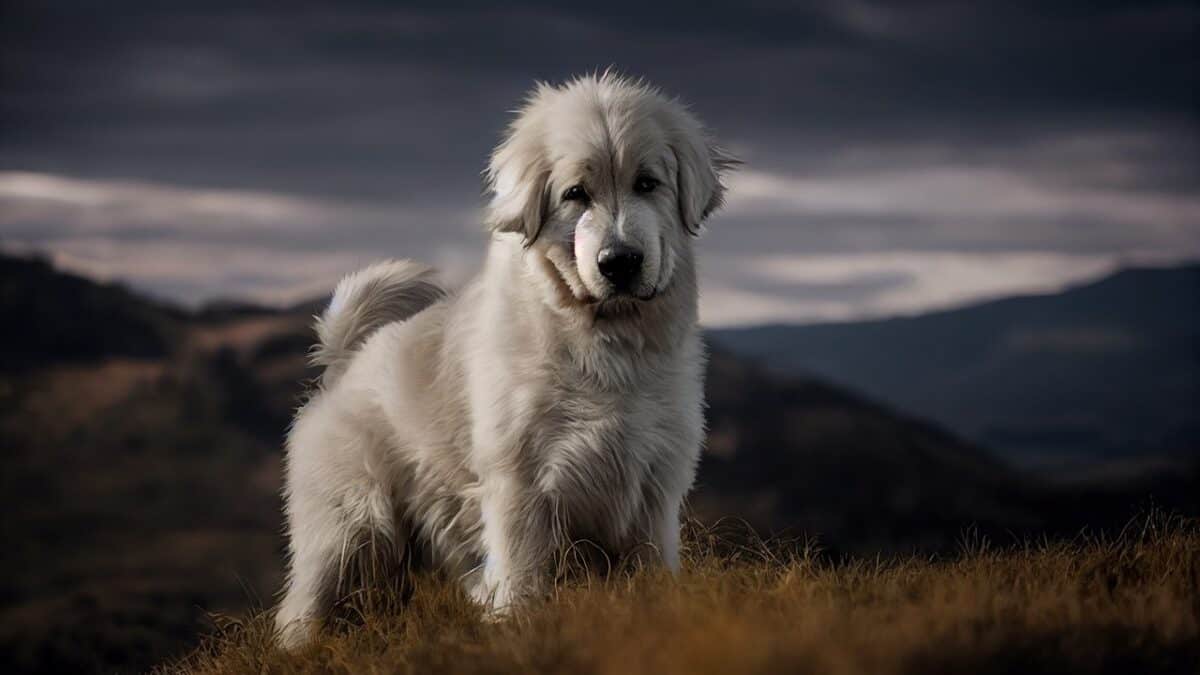
Space is another key factor in choosing a pet. Larger animals such as dogs often need ample space to move around, making them a better fit for households with a yard or nearby park. Conversely, smaller pets like birds, reptiles, or aquarium fish can be housed comfortably in smaller living environments, such as apartments, as long as their enclosures are properly maintained.
Budget Considerations

Owning a pet involves financial responsibilities beyond the initial adoption fee. Food, veterinary care, grooming, and supplies can add up significantly over time. Research the financial demands of caring for a particular type of pet before making a decision. For example, while fish and small birds may have lower upfront costs, dogs and exotic pets often incur higher expenses due to medical needs, specialized diets, and grooming requirements.
Allergies and Health Constraints

It’s essential to take any allergies or health issues into account when selecting a pet. Some individuals may have allergic reactions to pet dander, particularly from animals that shed fur. Hypoallergenic breeds of dogs and cats, like poodles or sphinx cats, maybe a suitable alternative. Additionally, certain pets can provide therapeutic benefits. Studies show that interacting with dogs, cats, or even rabbits can reduce stress, improve mood, and lower blood pressure, making them great companions for those seeking emotional support.
Evaluating Pet Longevity
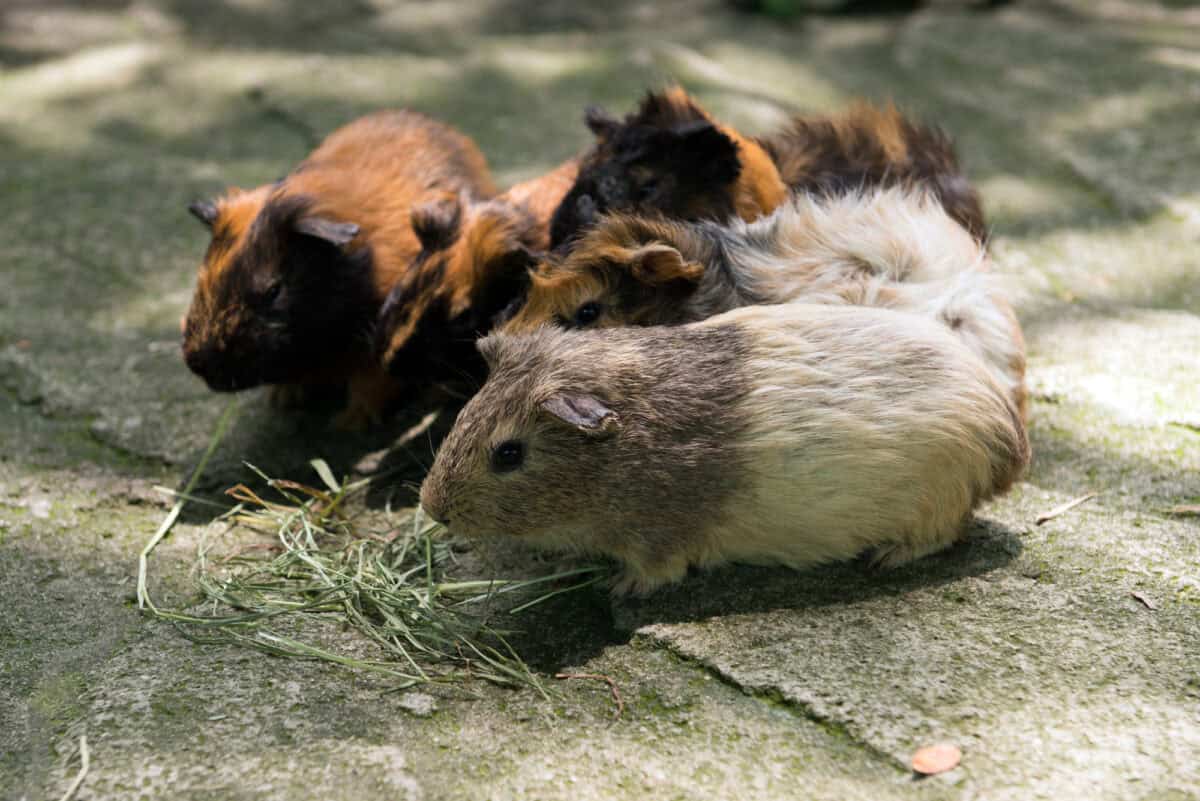
The lifespan of a potential pet is another aspect to consider. Animal lifespans vary widely, from small rodents like hamsters, which may live 2-3 years, to parrots or tortoises that can live for several decades. Understanding the time commitment required will help you choose a pet whose lifespan matches your long-term plans.
Pet Personalities and Behavioral Traits

Different species, and even breeds within species, can have distinctly different personalities. While some dog breeds are known for their friendliness and energy, others may be more reserved or require experienced handling. Cats may be affectionate or independent, depending on their temperament. Research breed-specific traits and choose a pet whose behaviour aligns well with your expectations and lifestyle.
Conclusion: Making an Informed Decision

Choosing the right pet means finding a balance between your lifestyle and the pet’s needs. Take time to research and reflect on the considerations presented here. Visit shelters, speak with pet owners, and consult veterinarians to gather comprehensive insights before making your choice. A well-matched pet can bring immense joy and companionship, becoming a valued member of your household for years to come.

As a little kid, I fell in love with nature, wildlife, and animals. Living in the USA, South Africa, Italy, China and Germany gave me the opportunity to discover the world's Wildlife. My favorite animals are Mountain Gorillas, Siberian Tigers, and Great White Sharks.
I'm a certified PADI Open Water Diver, went to Everest Base Camp and Trekked Gorillas in Uganda. I hold a Master of Science in Economics and Finance.
Please send any feedback to feedback@animalsaroundtheglobe.com
- 10 Animal Species That Are Evolving Right Before Our Eyes - June 19, 2026
- 15 Things You Did Not Know About Owl Eyes - June 19, 2026
- 13 Incredible Wolves That Made Wildlife History - June 19, 2026