

You might think that tiny critters couldn’t possibly cause major headaches for you and your family. Here’s the reality though: ticks are everywhere, and they’re more than just annoying little pests waiting in the grass. These blood-sucking arachnids can transmit serious diseases like Lyme, Rocky Mountain spotted fever, and a host of other illnesses. Let’s be real, nobody wants to worry about getting bitten every time they step outside to enjoy their own backyard.
The good news? You don’t need to become a hermit or avoid your lawn altogether. With some strategic planning and yard modifications, you can drastically reduce the tick population around your home. It’s not rocket science, but it does require consistent effort and knowing what actually works versus what’s just wishful thinking. So let’s dive in and discover how to reclaim your outdoor space.
Regular Lawn Maintenance Matters More Than You Think

Ticks thrive in tall grass and overgrown areas, so cutting your grass regularly and removing tall grasses or shrubs is essential. Think about it this way: ticks are lazy hitchhikers. They climb to the top of grass blades and wait for something warm-blooded to brush past.
Keep your grass between four to four and a half inches, then trim it down to about three inches with each cut. This height promotes healthy growth while making your yard less hospitable to ticks. The shorter grass creates a drier, hotter environment that ticks absolutely hate.
Here’s something I found surprising: more than eighty percent of ticks stay in the lawn’s outer nine feet. So if you’re short on time, focus your mowing efforts on the perimeter first. If you miss a week and the grass gets tall, use the bagging attachment with your mower because leaving those long clippings behind can create the perfect environment for ticks.
Don’t forget about those edges near fences, foundations, and wooded areas. Keeping grass and weeds at bay with a string trimmer makes it more difficult for ticks to latch onto you or your family members. It’s tedious work, sure, but it’s worth it when you can walk barefoot through your yard without worry.
Honestly, regular maintenance might seem like a chore, but it’s one of the simplest and most effective tick prevention strategies you can implement. Plus, your neighbors will appreciate the tidy lawn.
Create Physical Barriers That Ticks Won’t Cross
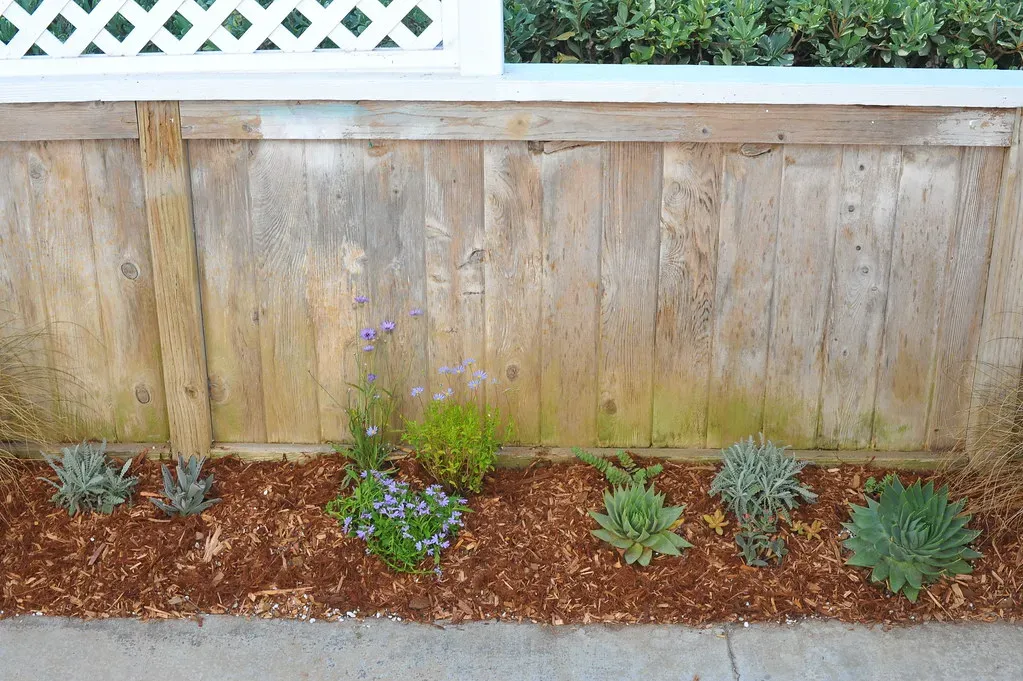
The CDC recommends keeping a three-foot-wide barrier of gravel or wood chips between wooded areas and lawns to make it harder for ticks to migrate into recreational areas. This isn’t just decorative landscaping; it’s a legitimate defense mechanism.
The barrier creates a physical boundary that’s dry and sometimes hot, something ticks can’t tolerate. Think of it as a moat around your castle, except instead of keeping out invading armies, you’re blocking tiny parasites. For the border, you want mulch made from broad, dry wood chips or bark, not the damp, shredded variety which creates the cool, damp conditions ticks love.
Keep all playground equipment, patios, and decks at least eight feet from the edge of your lawn. I know this sounds extreme, but ticks are more concentrated at the lawn’s perimeter near wooded areas. Creating that buffer zone means your kids can play safely without constant tick checks.
Use tall fences to keep deer, raccoons, and stray dogs from entering your yard and bringing ticks with them. Wildlife are major tick carriers, and deer are particularly problematic. A sturdy fence serves double duty: it keeps out unwanted critters and helps define your safe zone.
The visual reminder aspect matters too. When you see that barrier, it triggers awareness that you’re entering a higher-risk area. It’s a simple psychological cue that reminds everyone to be more cautious.
Strategic Landscaping With Tick-Repellent Plants

Garlic, sage, mint, lavender, rosemary, marigold, and beautyberry are some of the most effective tick-deterrent plants. The best part? These aren’t obscure plants that require special care. Most are common herbs and flowers you’d want in your garden anyway.
Lavender not only smells great, but its strong scent is highly effective in repelling ticks, and the essential oils in lavender are toxic to ticks. I think planting lavender near entryways and patios is genius because you get the fragrance benefit while creating a natural repellent zone. Plant these varieties in landscaping borders, around decks and pet runs, around patios, and anywhere else you’d like to keep ticks away.
Chrysanthemums contain pyrethrin, a natural insecticide that repels ticks, and incorporating these flowers into your garden can provide a natural defense while adding beauty to your landscape. Pyrethrin is actually used in commercial insect repellents, so you’re essentially growing your own pest control.
While mint requires careful management to prevent it from taking over, its strong scent is highly effective at repelling ticks, and planting mint in containers keeps it contained while leveraging its tick-repelling properties. Trust me on this one: mint will absolutely take over your garden if you’re not careful. Container planting is the way to go.
Rosemary is ideal for warm, sunny areas and emits a strong scent that may help keep ticks and mosquitoes at bay. Plus, you can snip some for dinner while you’re gardening. It’s practical and protective.
Remove Debris and Eliminate Tick Habitats

Ticks love to hide in dark, sheltered places like wood piles, leaf piles, and scrub brushes, so it’s important to make your yard uninhabitable for them. Basically, anything providing cool, moist shelter is a tick hotel.
If you rake leaves in the fall, avoid leaving piles sitting around, and instead bag them in leaf bags and dispose of them properly. By bagging grass and blowing leaves into piles for collection, you keep your yard clear and cut back on tick-friendly places. I know leaving leaf litter is trendy for environmental reasons, but in tick-heavy areas, it’s a risky move.
If you burn firewood for heat, keep it stacked neatly in a dry area because this keeps rodents away and prevents them from carrying ticks into your yard. Messy wood piles attract mice, and mice are one of the primary carriers of tick-borne diseases. It’s a chain reaction you definitely want to avoid.
Get rid of any old furniture, trash, or organic matter in your yard which could be giving ticks a place to hide. That broken lawn chair you’ve been meaning to fix for two years? It’s probably hosting a tick colony. Time to haul it away.
Reduce vegetation, particularly ground cover like Japanese barberry shrub and pachysandra, where ticks like to live. These plants create the exact humid, shaded microclimate that ticks find irresistible. Consider replacing them with less tick-friendly alternatives.
Manage Wildlife to Reduce Tick Carriers
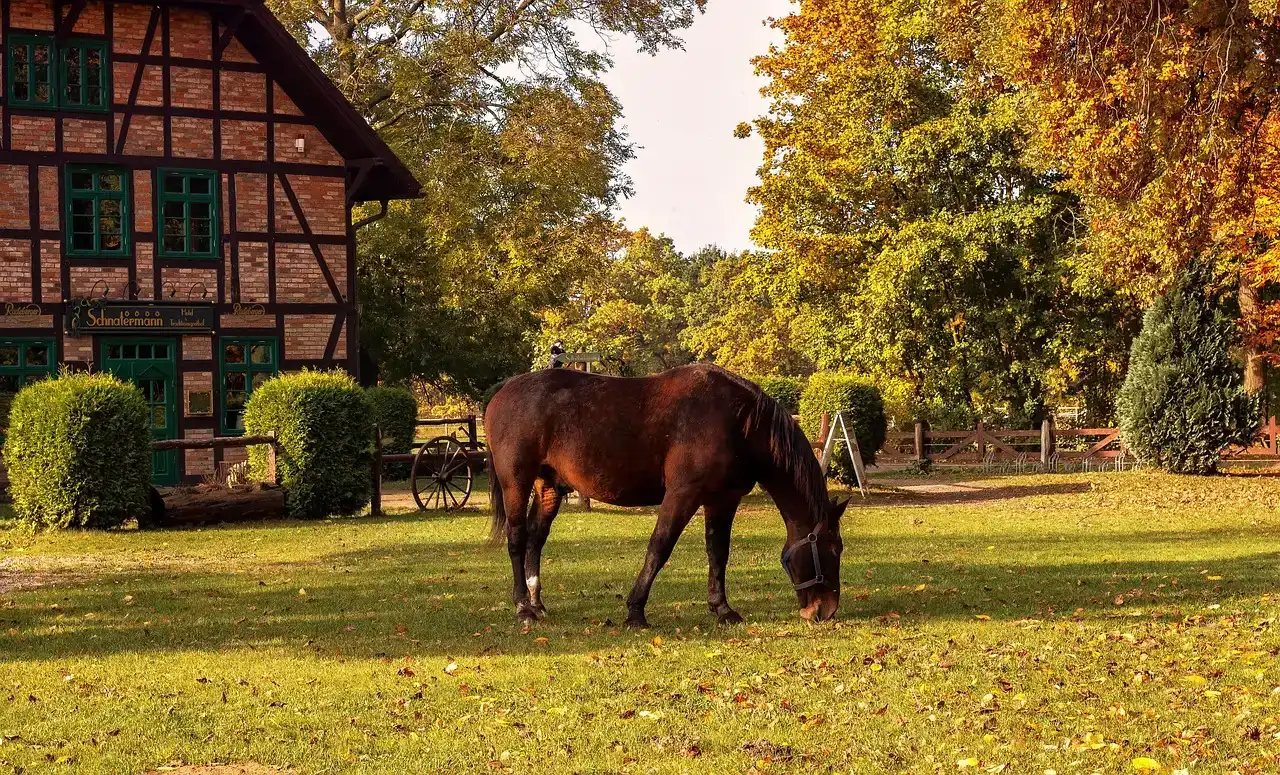
Animals including deer, squirrels, raccoons, foxes, and rodents carry ticks from place to place, so keeping your yard free of these critters will go a long way in keeping your yard tick-free. It’s hard to say for sure, but wildlife management might be the most overlooked aspect of tick control.
Deer are some of the biggest culprits for unknowingly giving ticks a ride into your yard, and there are several all-natural methods you could use to repel deer without hurting them, such as planting strong-smelling herbs like lavender, rosemary, and garlic outside your home. Honestly, deer are beautiful creatures, but they’re basically tick taxis.
Mice are the primary source of tick bacterial infections, so it’s important to include mouse management in your landscaping strategy by purchasing biodegradable tick tubes and distributing them in your yard in late July or August, where mice will take the permethrin-impregnated cotton from the tubes to use as bedding in their nests. This is actually pretty clever. You’re using the mice’s natural behavior against the ticks they carry.
Mice and deer are the most common tick carriers, so choose plants that deer won’t eat or fence off your yard, and for mice, keep your yard clear of trash and lay out tube-like traps stuffed with fluff soaked in insecticide so when the mice pull out the fluff to make their nests, they’ll kill the ticks they’re carrying. It’s a targeted approach that doesn’t harm the mice themselves, just the parasites hitching a ride.
Remove bird feeders from areas close to your house or deck. While birds eat some insects, they also carry ticks and can introduce them to your immediate living space. It’s a trade-off, but positioning feeders farther from high-traffic areas makes sense.
Consider Professional Treatment When Necessary
The single most effective way to reduce blacklegged deer ticks in your yard is by insecticide applications applied mainly to the yard perimeter, shady perennial beds, or along trails and paths in woods. Sometimes DIY methods aren’t enough, and that’s okay.
Two applications usually work best, and should be done in mid-May and again in mid-June throughout the northeast and upper mid-western portions of the United States. A third application in October may reduce adult ticks. Timing matters enormously because you’re targeting different life stages of ticks.
The chemicals used today for tick control are much less toxic than in the past and are used in very low concentrations, and bifenthrin and permethrin do not leach through soil as these chemicals are degraded by soil microorganisms. If you’re worried about environmental impact, modern tick treatments are significantly safer than older pesticides.
Use of pesticides can reduce the number of ticks in treated areas of your yard, however you should not rely on spraying alone to reduce your risk of infection, and always follow label instructions. Pesticides are one tool in your arsenal, not the entire solution. You still need to do the landscape maintenance, create barriers, and manage wildlife.
Natural alternatives exist too. Natural products like cedar oil work for repelling but are not as effective at killing, basically they keep ticks away but aren’t as good at exterminating. Choose based on your specific situation and comfort level with different treatment options.
Conclusion: A Multi-Layered Defense Is Your Best Bet

Creating a tick-free yard isn’t about doing one big thing perfectly. It’s about layering multiple strategies together to create an environment where ticks simply can’t thrive. Mow regularly, create barriers, plant strategic herbs and flowers, eliminate hiding spots, manage wildlife, and consider professional treatments when needed.
The effort you put in now pays dividends all season long. Imagine enjoying your backyard without constantly worrying about tick bites or spending hours checking everyone after outdoor activities. It’s absolutely achievable with consistent maintenance and smart landscaping choices.
Remember that tick populations vary by region and season, so stay informed about local conditions. What works perfectly in one area might need adjustment in another. The key is staying vigilant and adapting your approach as needed.
What strategies have worked best in your yard? Have you noticed a real difference after making these changes? Share your experiences in the comments below!
