
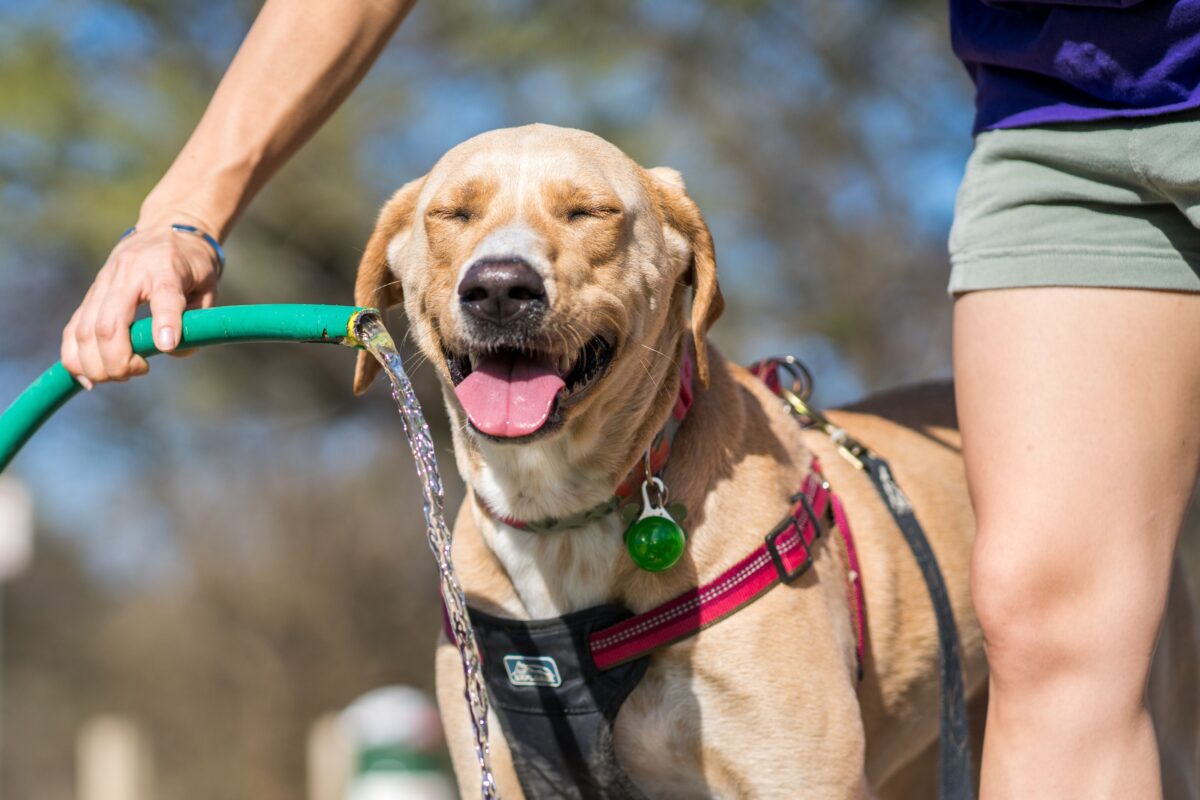
As temperatures soar in Delaware, our furry companions face significant risks from the sweltering heat. Pets, much like humans, can suffer from heat-related illnesses, and it’s our responsibility to ensure their safety during these extreme conditions.
Never Leave Pets in Parked Cars

Leaving pets in parked cars, even for a brief moment, can be fatal. On an 85°F day, the temperature inside a car can skyrocket to 102°F within just 10 minutes. Cracking the windows offers little relief, as the interior can continue to heat up rapidly. Always take your pets with you or leave them at home in a cool environment.
If you witness a pet left unattended in a vehicle, it’s crucial to act immediately. Contact local authorities or animal control to report the situation. Prompt intervention can prevent a tragic outcome.
Provide Ample Shade and Fresh Water
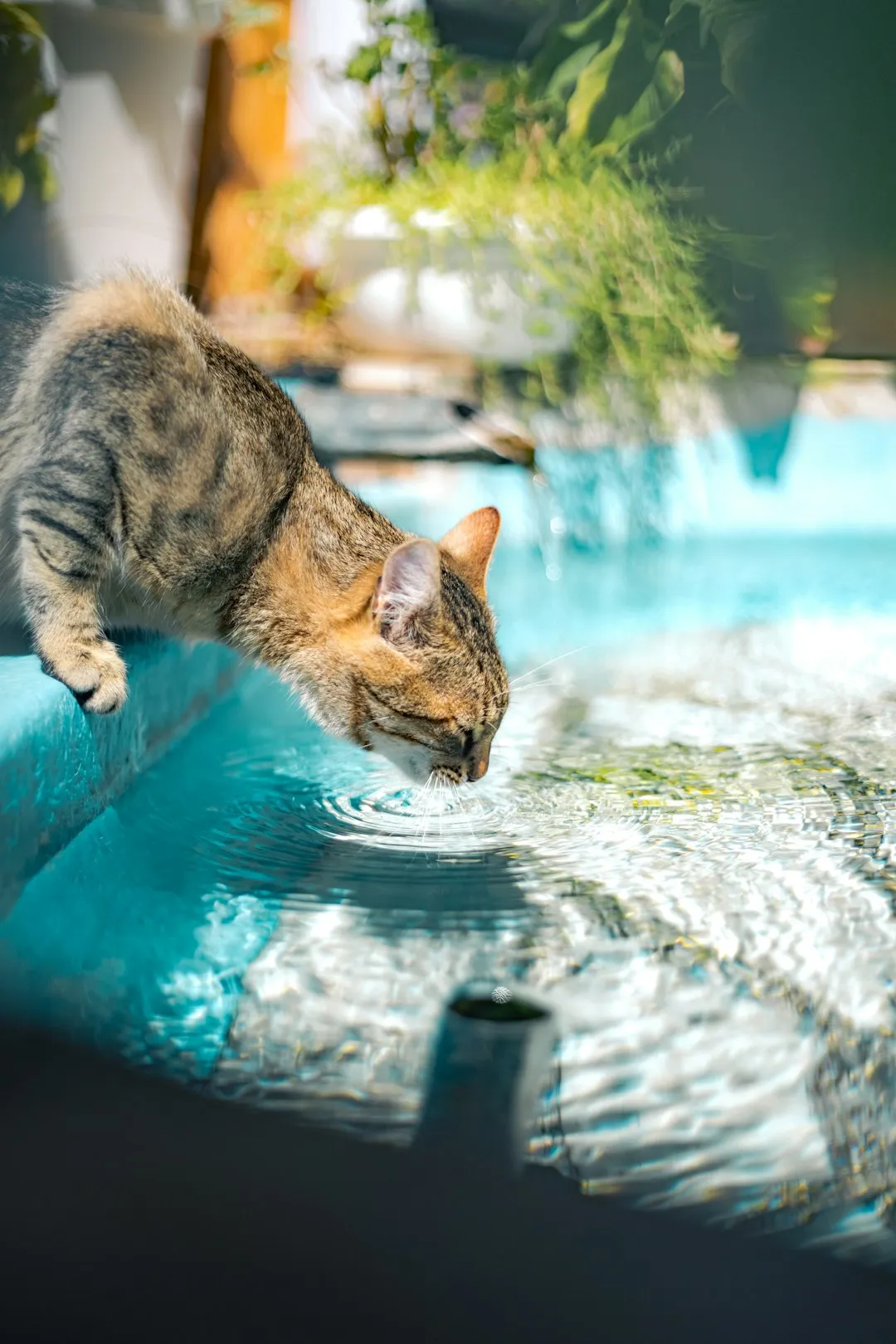
Ensuring your pet has access to shade and fresh water is vital during hot days. If your pet must be outdoors, provide a shaded area away from direct sunlight. Tree shade or tarps are ideal, as they don’t obstruct airflow. Regularly refill water bowls with cool, clean water to keep your pet hydrated.
Remember, doghouses can trap heat and are not suitable shelters during extreme temperatures. Always opt for well-ventilated, shaded areas to keep your pet comfortable.
Limit Exercise During Peak Heat

Exercise is essential for pets, but during extreme heat, it’s best to adjust their routines. Schedule walks and playtime during the early morning or late evening when temperatures are cooler. This reduces the risk of heat exhaustion and protects their sensitive paw pads from hot surfaces.
Before heading out, test the pavement with the back of your hand. If it’s too hot for you, it’s too hot for your pet. Opt for grassy areas or shaded paths to keep their paws safe.
Recognize Signs of Heat Stress
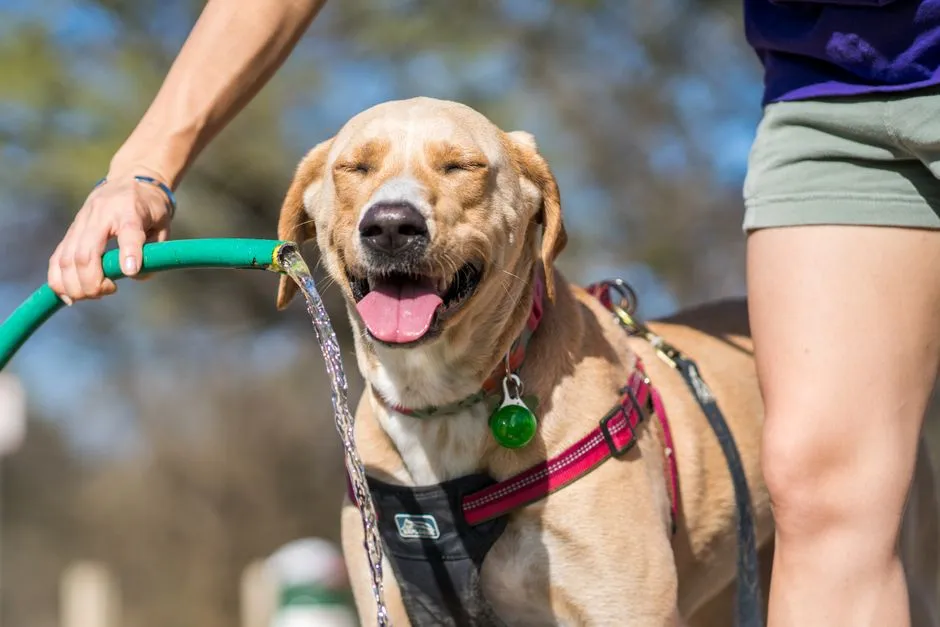
Being aware of heat stress symptoms can save your pet’s life. Signs include excessive panting, drooling, lethargy, vomiting, and uncoordinated movements. If your pet exhibits any of these symptoms, move them to a cool area immediately and offer small amounts of water.
Avoid using ice-cold water, as it can cause shock. Instead, use cool, damp cloths to gently lower their body temperature. Seek veterinary care promptly to ensure their safety.
Protect Vulnerable Pets

Certain pets are more susceptible to heat-related issues. This includes very young or older animals, those with darker coats, overweight pets, and short-nosed breeds like pugs and bulldogs. These pets require extra attention and care during hot weather.
Keep them indoors as much as possible, and ensure they have a cool, comfortable environment. Monitor them closely for any signs of heat stress and adjust their activities accordingly.
Be Mindful of Hot Surfaces

Surfaces like asphalt and concrete can become dangerously hot during sunny days. These can burn your pet’s paw pads, causing pain and injury. Always check the ground temperature before walks and choose grassy or shaded areas when possible.
If your pet shows reluctance to walk or appears to be in discomfort, it’s best to carry them to a cooler surface. Protective booties can also help shield their paws from the heat.
Plan Ahead for Emergencies

Despite all precautions, emergencies can still occur. Have a plan in place for quick access to veterinary care. Keep your veterinarian’s contact information readily available and know the location of the nearest emergency animal clinic.
Being prepared can make all the difference in ensuring your pet receives timely care during a heat-related emergency. Stay vigilant and proactive to keep your beloved companion safe.
In conclusion, protecting our pets from Delaware’s extreme heat requires diligence and proactive measures. By understanding the risks and implementing these safety tips, we can ensure our furry friends remain healthy and comfortable during the sweltering summer months. After all, their well-being is in our hands.

- The Dog Breed That Mirrors Your Zodiac Sign - July 19, 2026
- 7 Ways Cats Show They're Secretly Annoyed With You - July 19, 2026
- 10 Animals That Don’t Fear Fire - July 19, 2026