


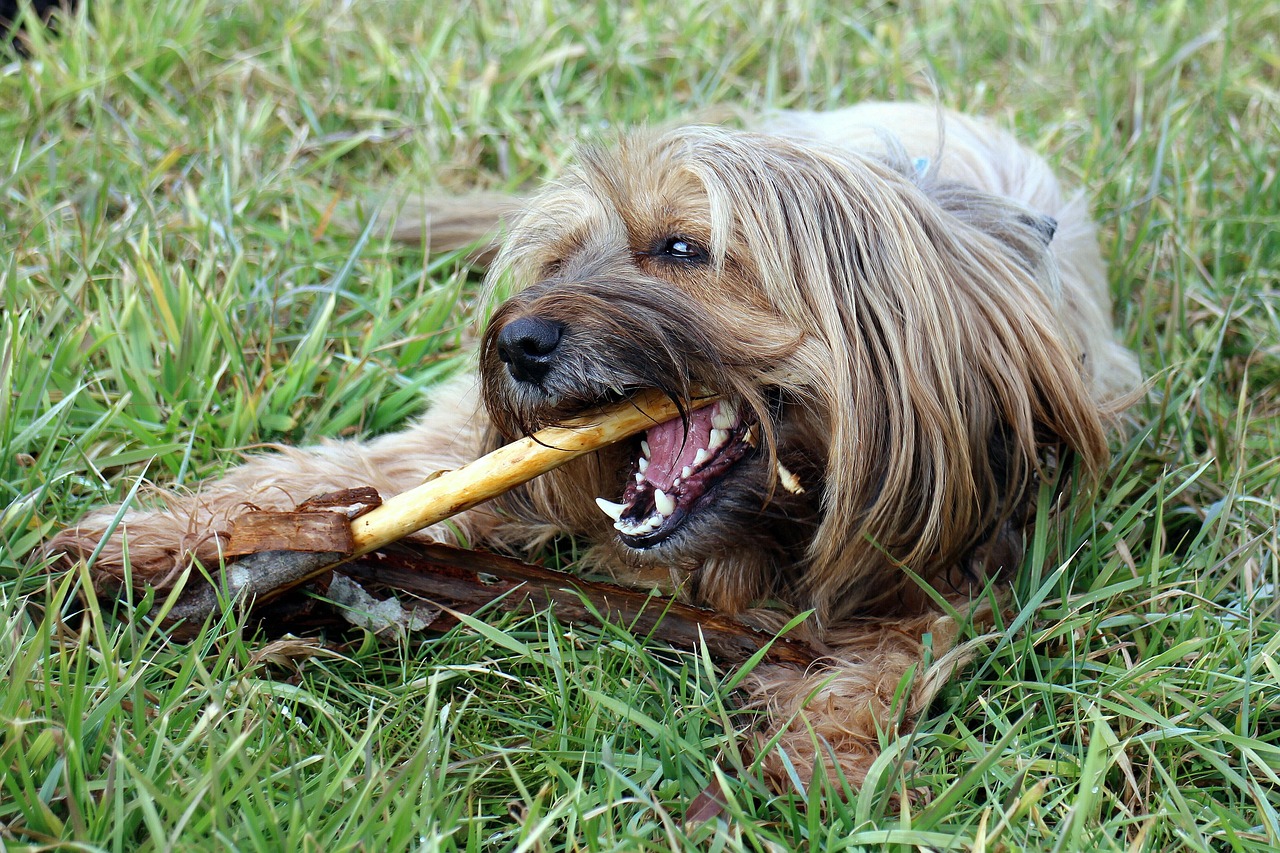
Periodontal Disease Threatens Most Dogs Early (Image Credits: Pixabay)
Dog owners frequently encounter resistance during teeth-brushing attempts, but a gradual training process transforms the task into a rewarding routine.
Periodontal Disease Threatens Most Dogs Early
Periodontal disease affects 80 to 90 percent of dogs by age three, leading to plaque buildup, tartar, foul breath, and potential complications for the heart, liver, and kidneys.[1]
Daily brushing stands out as the most effective prevention strategy. Owners who commit to this habit safeguard their pet’s overall health. The process relies on desensitization techniques paired with positive reinforcement. Patience proves essential, as adaptation varies from weeks to months. Puppies typically adjust quicker than adults, though consistency yields results across all ages.
Assemble the Right Brushing Kit
Selecting appropriate tools sets the foundation for success. A soft-bristled, angled toothbrush reaches back teeth effectively, while finger brushes suit beginners or small breeds. Alternatively, a clean cloth or gauze works for initial sessions.
Dog-specific enzymatic toothpaste in flavors such as beef or peanut butter encourages participation, as pets often relish the taste. Human toothpaste contains toxic ingredients like xylitol and fluoride, so owners must avoid it entirely. High-value treats or praise enhance every step. These supplies create positive associations from the outset.
Build Comfort with Mouth Touches First
Resistance often stems from unfamiliarity, so sessions begin in a calm environment after a walk. Owners sit beside their dog in a quiet spot and gently stroke the muzzle and cheeks, immediately offering treats or praise for tolerance.
Progress involves lifting the lips to reveal teeth, rewarding calm responses generously. A clean finger briefly touches the teeth and gums, with duration increasing over repeated trials. If the dog withdraws, owners step back to rebuild confidence. This phase establishes trust before introducing equipment. Short, frequent practices accelerate comfort.
Incorporate Toothpaste and Brush Gradually
Dogs typically eagerly lick enzymatic toothpaste from a finger, fostering excitement for the flavor. Repetition strengthens this appeal until anticipation builds.
Next, the dry toothbrush invites sniffing and licking, followed by a tiny toothpaste dab for external front-tooth contact. Gentle circular motions at a 45-degree angle target the gumline, prioritizing outer upper surfaces where plaque accumulates quickest. Sessions cover small sections, like front or side teeth, lasting 30 to 60 seconds eventually. Inner surfaces receive less focus initially due to access challenges.
Lock in a Daily Brushing Habit
Consistency turns training into routine; owners practice once daily, perhaps before bedtime, using a cue like “brush time.” Even 10-second efforts end with exuberant praise, treats, or play to reinforce positivity.
Sessions remain under two minutes at first. Persistent aversion after weeks warrants a veterinary check for underlying pain, such as sore gums. Alternatives like dental chews or water additives provide backups. Most dogs eventually anticipate the ritual eagerly.
Key Takeaways
- Pair every step with high-value rewards to countercondition fear.
- Focus on outer upper teeth for maximum plaque control.
- Never force progress; revert steps if needed to maintain trust.
Regular teeth brushing not only prevents serious health issues but also strengthens the owner-pet bond through shared positive experiences. Fresher breath and a healthier smile reward the effort invested. How has your dog responded to dental care routines? Share your story in the comments.

- Urban Coyotes Show Remarkable Adaptability, Learning to Thrive in City Environments - July 22, 2026
- Beavers Are Nature’s Engineers, Creating Vital Habitats for Other Wildlife Species - July 21, 2026
- The Recovery of the California Condor Offers Hope for Other Critically Endangered Birds - July 21, 2026