
Most people assume a rescue cat shows love the same way any other cat does – a purr here, a rub there, done. But ask anyone who’s actually lived with a former street cat or a shelter survivor, and they’ll tell you something different. The affection doesn’t just arrive. It gets built, brick by brick, in silence, and when it finally shows up, it feels earned in a way a lifelong house cat’s love never quite does.
The catch is that most of these moments are so small, so quiet, that outsiders miss them completely. A cat turning its back on you. A weird little chirp you’ve never heard before. A belly flop that looks like nothing but means everything. Behaviorists say this is exactly where the real story of a rescue cat’s healing lives – not in the big dramatic cuddle, but in these thirteen quiet, specific, almost secret signs. Here’s what it actually looks like when a cat that once had every reason to distrust you decides, finally, that you’re safe.
#13 – They Sleep With Their Back Turned To You
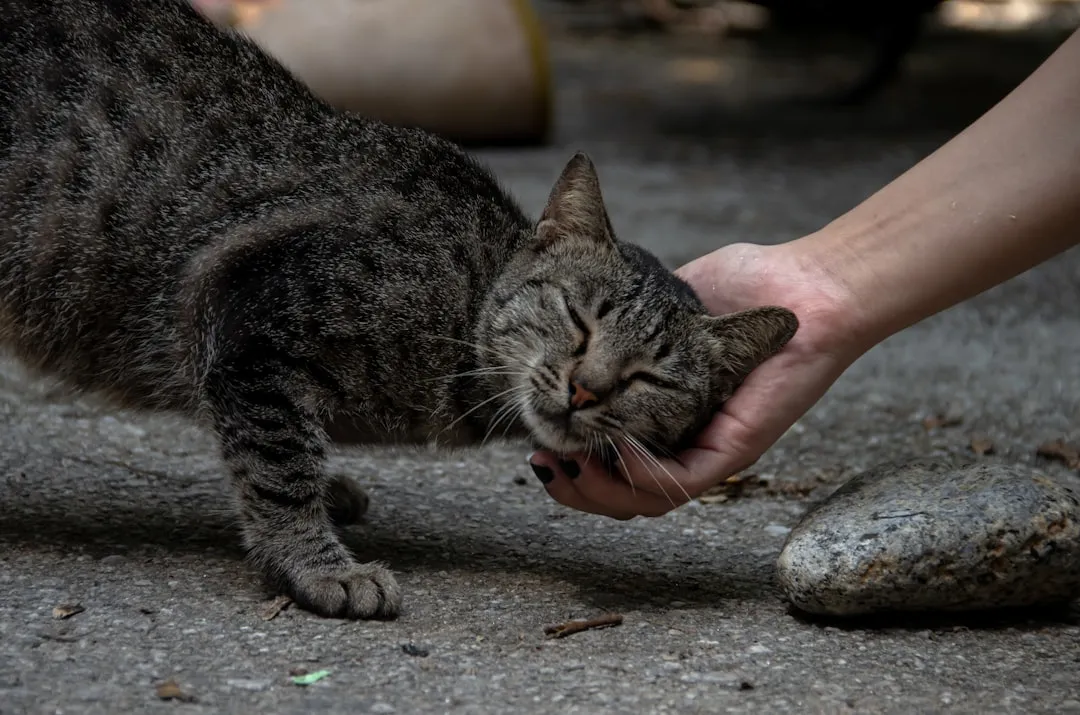
A lot of people think a cat facing away is ignoring them. In rescue cats, it’s usually the opposite. When a traumatized cat chooses to curl up with its back to you, it’s putting its most vulnerable side in your direct range. That’s not disrespect – that’s trust. In feline body language, turning away essentially says, “I don’t feel like I need to watch you anymore.”
You’ll notice this shift especially in cats who used to flinch at any sudden movement. Suddenly they’re curling into a loaf at the edge of your pillow, or stretching their spine along your legs with their eyes fully closed. They’re outsourcing their entire safety system to you. A prey species never relaxes like this near someone it still considers a threat, so when owners misread this as aloofness, they’re actually missing one of the biggest quiet wins in the whole rescue journey.
#12 – They Start “Checking On You” Room To Room
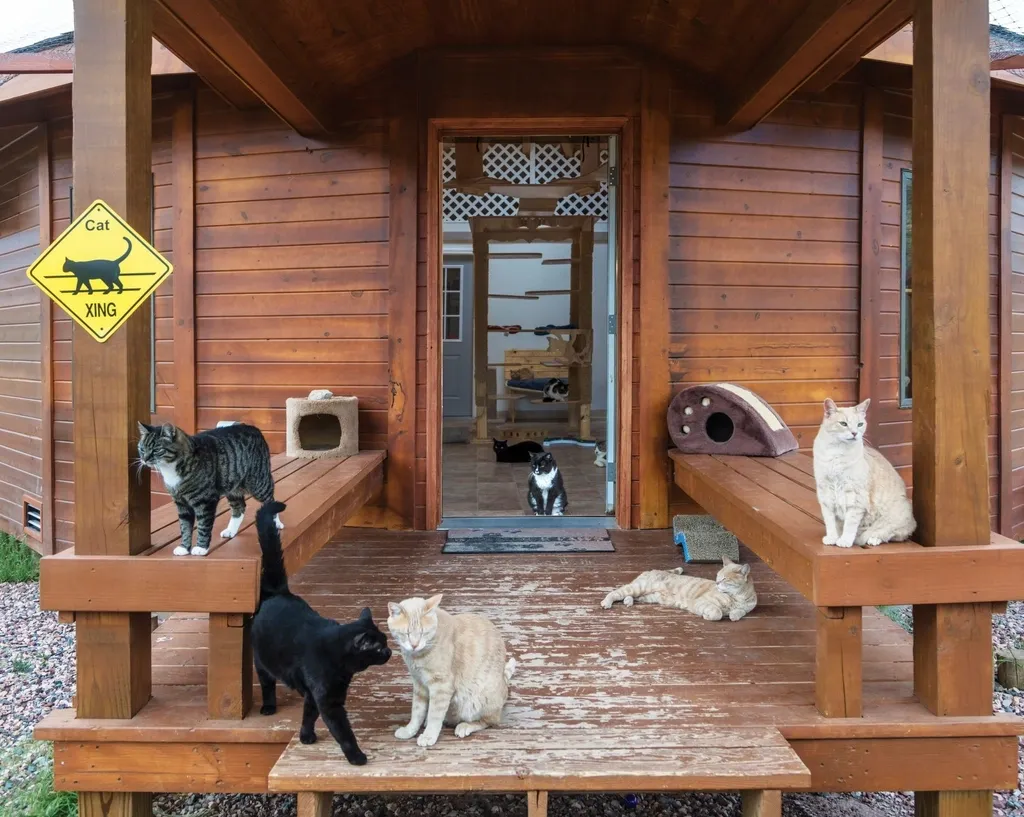
At first, many rescue cats vanish the second you stand up. Later, once trust builds, the pattern flips completely. They start following you, but not in a needy, in-your-face way – it’s subtler than that. You’ll catch them doing slow “drive-bys,” poking their head around a doorway just to look, or hopping up, walking over, and settling back down nearby.
This isn’t clinginess. It’s surveillance softening into care. Behaviorists call it proximity seeking, and it’s one of the strongest markers of secure attachment in cats. A rescue that once hid under the bed at every footstep now casually trailing you from kitchen to couch is basically saying, “You’re my safe base now.” Some people find it mildly annoying and try to shoo the cat away, not realizing they’re brushing off a hard-earned emotional milestone.
Worth Knowing
- Proximity-seeking is considered one of the clearest markers of secure attachment in cats.
- Low-intensity check-ins – a glance, a walk-by, a nearby settle – often appear before any lap-sitting does.
- This pattern usually develops over weeks or months, not days, so patience matters more than technique.
- A securely bonded cat can also rest calmly out of sight; constant shadowing isn’t required for trust.
#11 – They Blink Slowly At You On Purpose
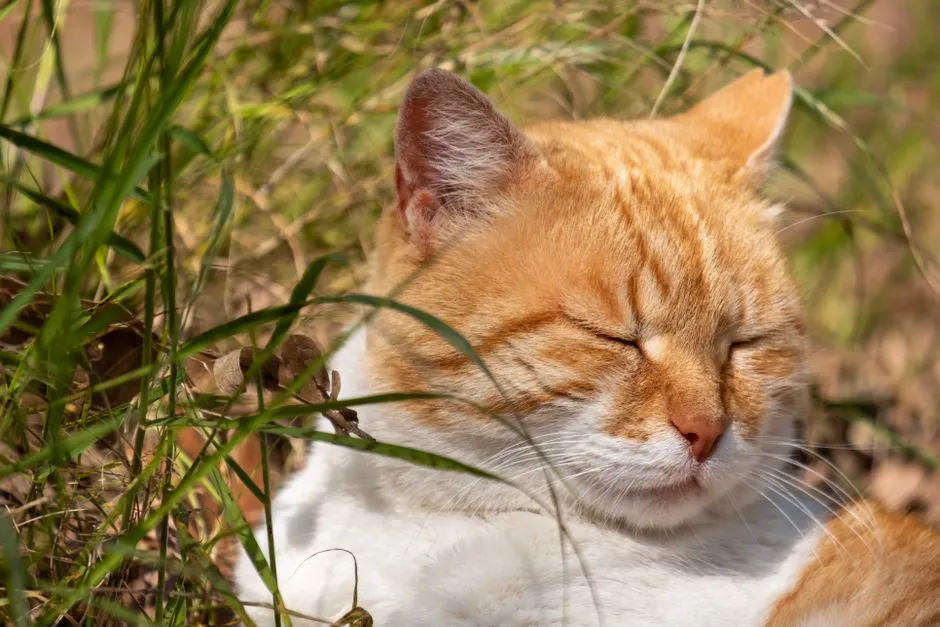
Most people have heard of the “slow blink,” but with rescue cats, timing is everything. Early on, their eyes stay wide and locked onto your every move, tracking you like a threat assessment in progress. Then one day it happens: a long, soft blink while they’re fully facing you, and it’s not random. It’s a deliberate signal – “I’m calm. I’m not on defense.”
In multi-cat households, you’ll even see wary rescues slow-blink at friendly resident cats, while saving their deepest, longest blinks just for you. In cat social behavior, holding eye contact and then closing the eyes is nearly the opposite of a human threat display – it’s a voluntary surrender of vigilance. Some cats test you first, offering a half-blink and waiting to see what you do. Respond gently and consistently, and the blinks multiply. Loom, grab, or tease, and they vanish. That tiny back-and-forth becomes a daily ritual of trust.
#10 – They “Guard” You When You’re Vulnerable
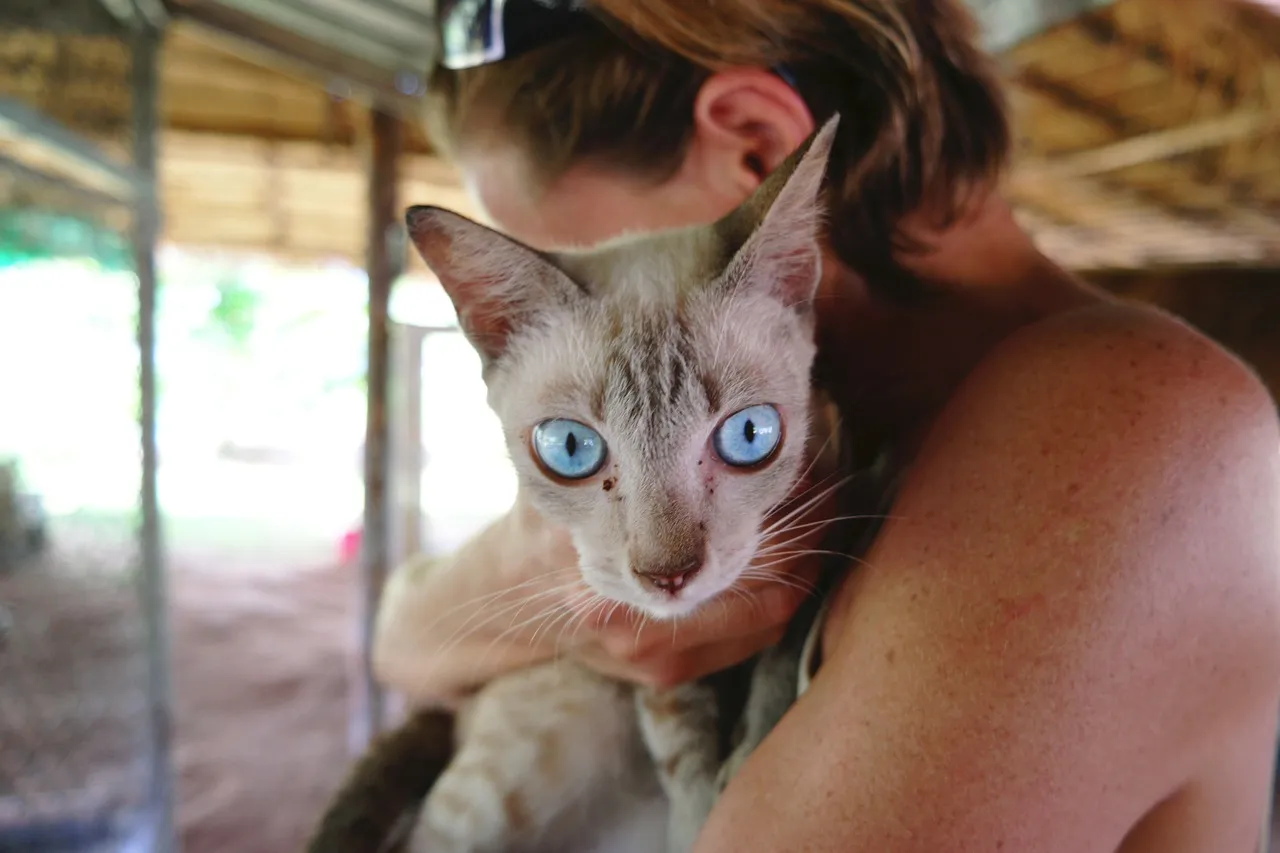
Once a rescue cat truly claims you, watch what happens when you’re not at full strength – sick, crying, or asleep. Cats who once fled from human emotion often start stationing themselves close by, not dramatically, just present. You wake up from a migraine and find them parked at your feet. You cry on the couch and suddenly feel a small, warm body pressed against your hip.
This isn’t wishful anthropomorphizing – it’s pattern recognition. Cats are unnervingly good at reading routines and noticing when something is “off,” and bonded cats often respond by staying close instead of retreating.
Cats choose their people the way water finds a crack – quietly, persistently, and only where they feel safe enough to settle.
Common shelter-behaviorist observation
In some homes, they’ll sit between you and the door, or perch on the back of the couch like a lookout. It may not be “protection” in the human sense, but choosing to stay near a compromised human instead of fleeing from stress is a massive emotional shift for a former stray.
#9 – They Gently Claim Your Clothes And Smell
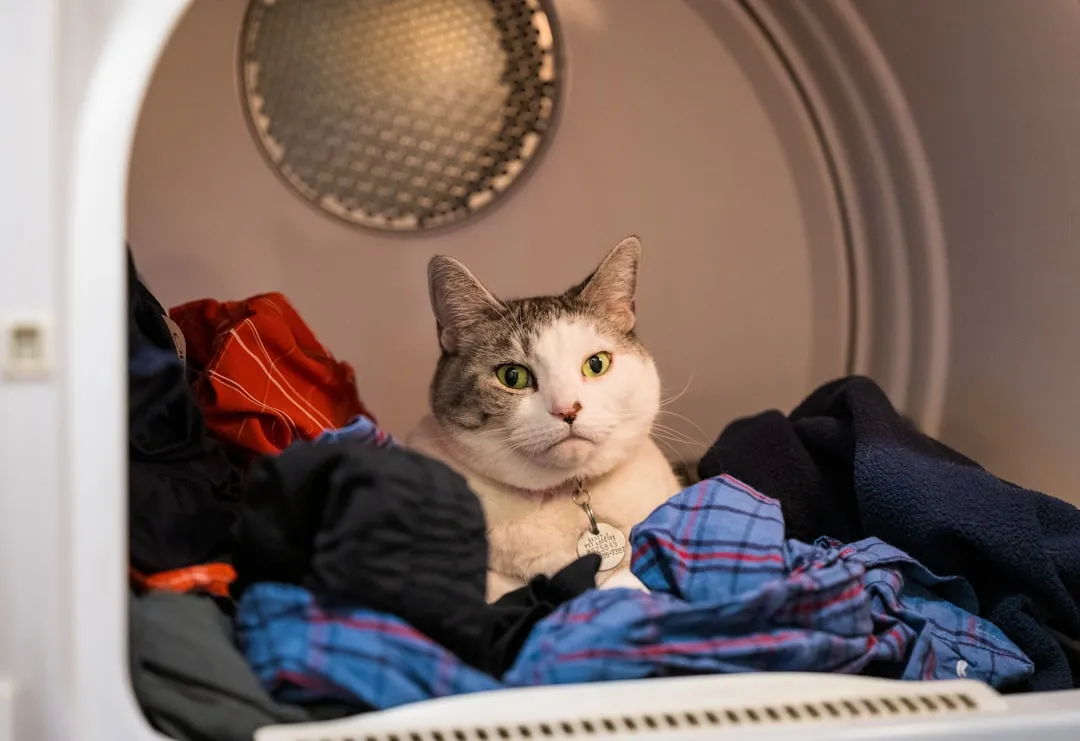
Plenty of cats lie on laundry. But rescue cats who trust you don’t just steal your warm hoodie – they curate very specific items. You’ll catch them nesting in the shirt you wore all day instead of the fresh one, or curling up on your side of the bed even when you’re not home.
They’re not chasing warmth. They’re using your scent as an emotional anchor, and for a cat who once associated human scent with fear, wrapping itself in your smell is a quiet rewrite of its whole nervous system. Watch what happens when you pack a suitcase – many rescue cats will sit on or in it, not because it’s a box, but because it’s suddenly full of “you” and signals change is coming. Some will even drag small clothing items to their favorite sleeping spots like security blankets. People laugh at it, but for a former stray, your T-shirt can genuinely be their safe place.
#8 – They Show You Their Belly… But Don’t Always Want Touch
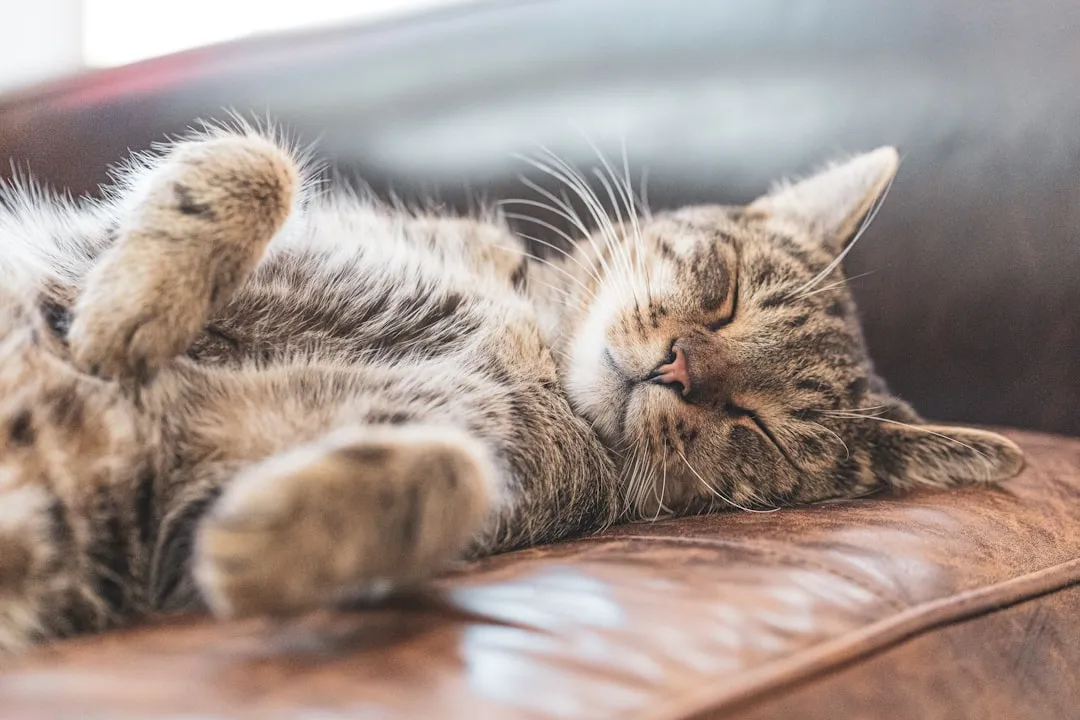
Here’s where a lot of people get it wrong. A rescue cat flopping onto its back near you, stretching wide, baring that fluffy belly, isn’t necessarily an invitation to rub. In cat language, exposing the stomach is a massive vulnerability display – they’re saying, “I’m relaxed enough that I don’t feel I have to shield my organs.”
For a cat who spent months or years in fight-or-flight, rolling onto its back in your presence is one of the loudest physical signs of trust you’ll ever get. But it’s often purely symbolic – “I trust you *not* to take advantage of this.” Dive in with grabby hands and get bunny-kicked, and that’s not betrayal, that’s you missing the nuance. The tender move is to admire, maybe talk softly, and only pet if they clearly nudge or guide your hand. Respecting that boundary is exactly what keeps the belly display coming back.
#7 – They Bring You “Gifts” You Didn’t Ask For
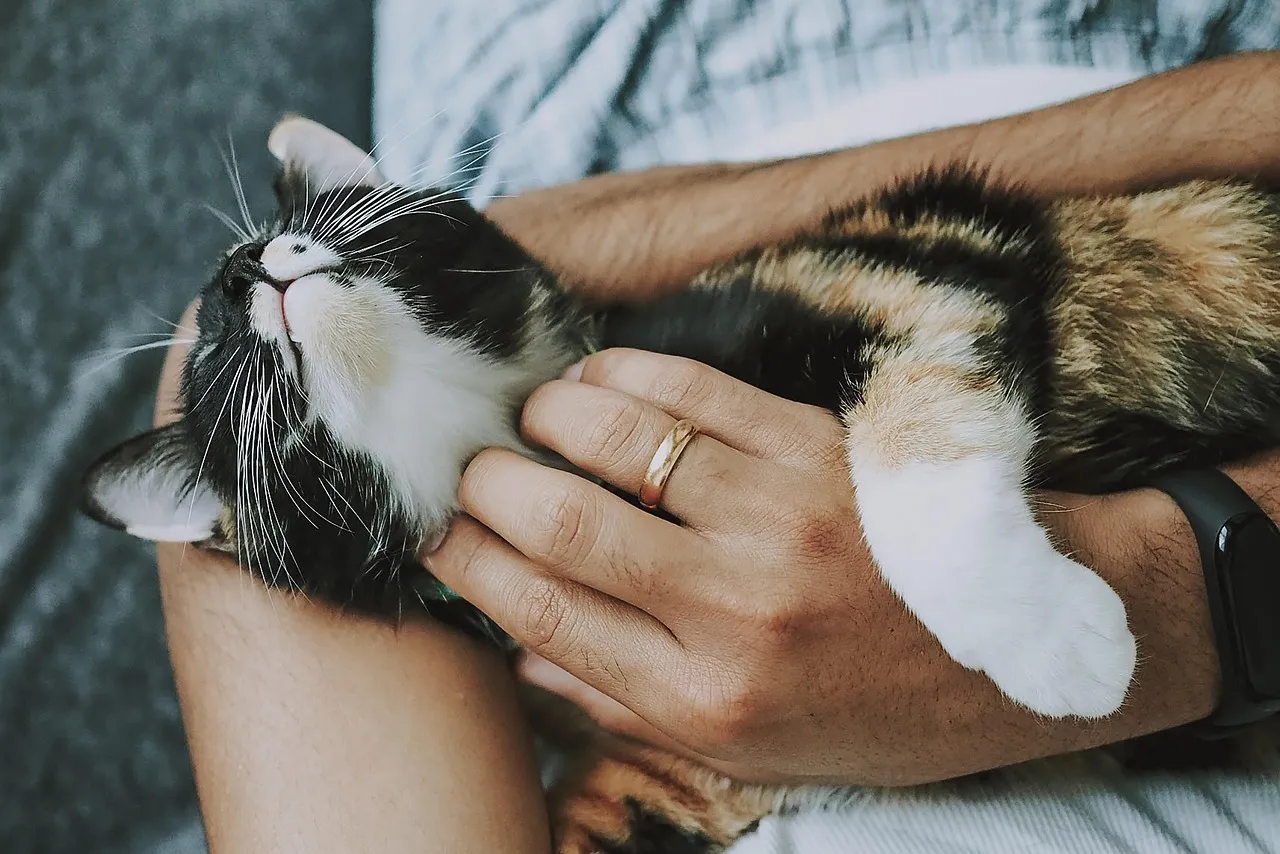
Sometimes it’s a murdered toy. Sometimes, if they have outdoor access, it’s a far less cute delivery. Either way, it’s weirdly intimate. A rescue cat who trusts you enough to drag their prized mouse toy, favorite crinkle ball, or unfortunate beetle carcass to your feet is treating you like family.
Cats don’t drag valuable resources toward beings they fear – in feline social groups, sharing or presenting prey is part of bonding, a way of folding you into their inner circle. In some homes, they’ll meow loudly until you notice the offering, clearly waiting for a reaction. If you shriek or scold, you can spook a sensitive rescue back into secrecy. A calmer response – praise, a treat trade-off, quiet clean-up – tells them, “I see your gesture, and I’m not rejecting you.”
#6 – They Start “Talking” In A Voice You’ve Never Heard
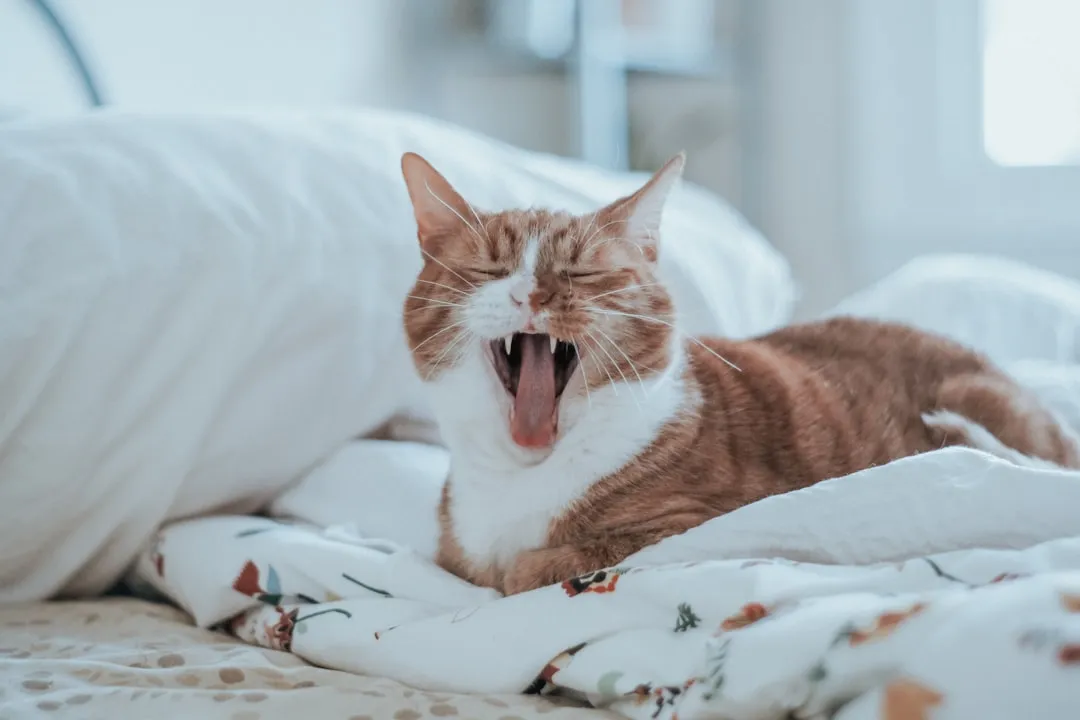
In the early days, many rescue cats are silent or only hiss. Then trust builds, and suddenly that same cat has an entire audio library: chirps when you come home, tiny squeaks before meals, low mutters as they settle into your lap. This isn’t random noise. Cats develop human-specific vocal patterns – sounds they don’t even use with other cats.
A formerly shut-down cat experimenting with new meows around you is doing something huge: investing energy into communication instead of defense. Research on housecat vocalizations suggests many cats actually tailor their sounds to the responses they get from their primary humans, which means that one weird little noise they only ever use with you is essentially your own private language. A controversial take: people who brag about their “silent, independent” rescue may be missing the point. Total silence with no medical cause can still be a stress marker – a chatty, opinionated cat is often the more secure one.
Fast Facts
- Adult cats rarely meow at other adult cats – meowing is largely a behavior aimed at humans.
- Chirps and trills often echo the sounds mother cats use to greet and guide kittens.
- Vocal range typically expands, not shrinks, as a rescue cat’s confidence grows in a home.
- A cat’s “private” sounds with one specific person can be a sign of a tailored, individual bond.
#5 – They Let You See Them Play Like A Kitten
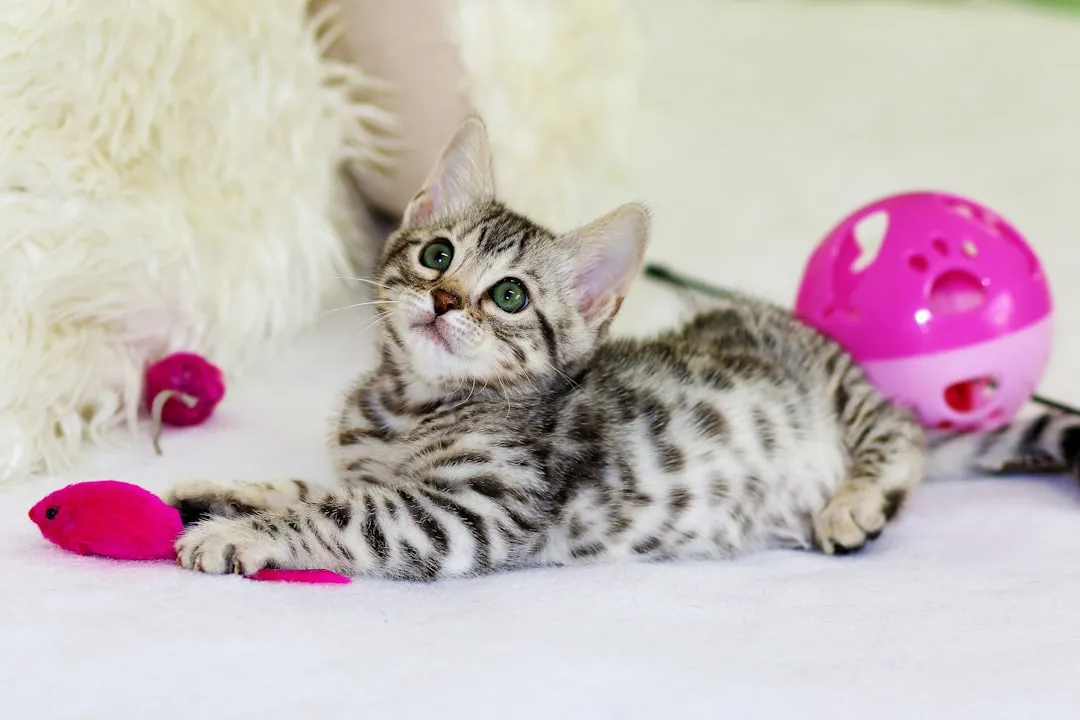
Play is dangerous in wild terms. You drop your guard, expose your sides, chase pointless things. So a rescue cat that only plays when you’re out of the room isn’t shy – it may still feel it can’t safely lose control around you. The real shift happens when they go fully feral on a wand toy while staring you dead in the eye, or bunny-kick a kicker toy in the middle of the living room floor.
Play in front of you, especially the chaotic, floppy, embarrassing kind, means they no longer expect harm while distracted. Even more tender is when they try to recruit you – tapping your hand toward the toy, dragging their favorite object over, meowing at the closet where the feather wand lives. Many owners assume feeding is the real bonding milestone. For a rescue, the day they finally play hard in front of you is often a far more honest trust jump than the first time they ate from your hand.
#4 – They Tolerate (And Sometimes Initiate) Gentle Handling
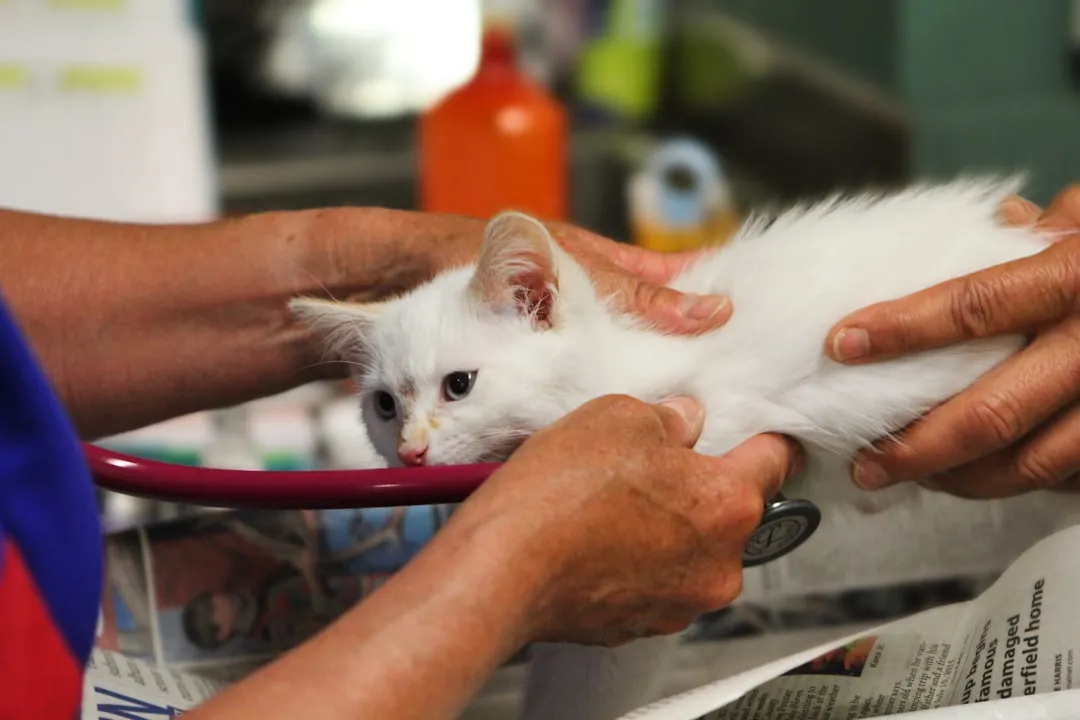
A lot of rescues arrive with a hard no on touch – no paws, no belly, sometimes not even their back. With time, the boundaries don’t just loosen, they get more nuanced. Suddenly they’ll let you wipe a bit of gunk from their eye, or tolerate a quick nail clip, or stand still for a harness buckle.
This isn’t them giving up. It’s them deciding you’re safe enough to handle them while they’re physically compromised, and for many trauma cats, tolerating any form of restraint is a genuinely terrifying ask. The tender part often shows up in the smallest places – letting you touch a once off-limits paw while they’re half asleep, or not bolting when you lift their tail to check a sore spot. Owners who are patient, predictable, and ask for consent in tiny steps tend to see this shift arrive sooner.
#3 – They Choose Your Lap Over Their “Safe Spot”
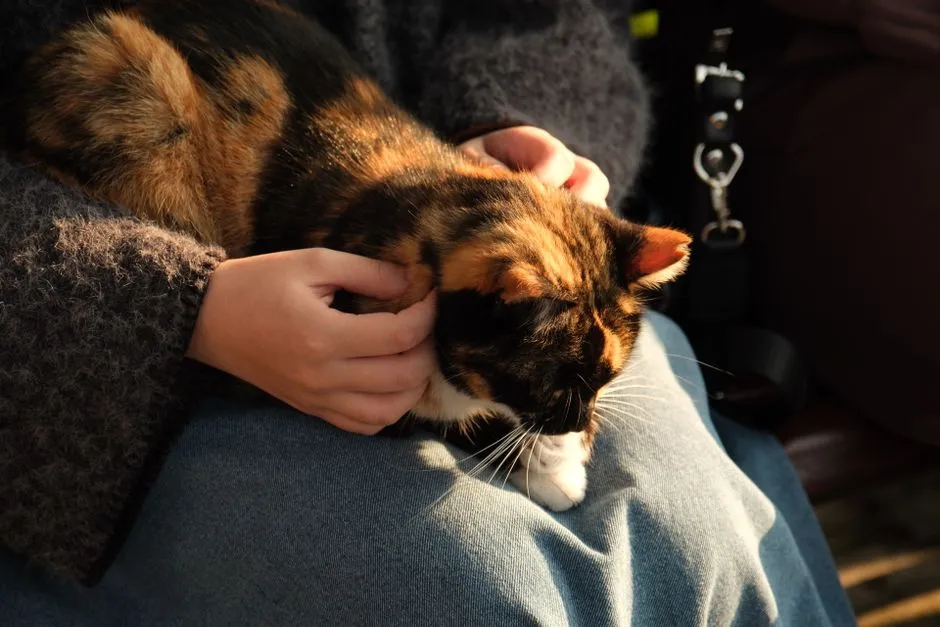
Every rescue has a first sanctuary – under the bed, behind the couch, deep in a closet. For months, that’s their control center, and you accommodate it with blankets and maybe a hidey box. So when the day finally comes that they abandon that bunker to nap on your legs instead, the emotional weight is enormous.
Your lap moves unpredictably. It smells like outdoors, food, other people. Climbing onto it and falling asleep means they’ve decided your living, breathing, shifting body is safer than any perfectly still hiding place in the house. Some cats escalate further, insisting on chest naps, neck perches, full-body sprawls. Here’s a mildly controversial opinion: constantly pushing a fearful rescue into your lap “to socialize them” can actually delay this moment. The lap a cat chooses on its own at year two is worth ten forced cuddles in week two.
#2 – They Greet You At The Door Like You’re Theirs
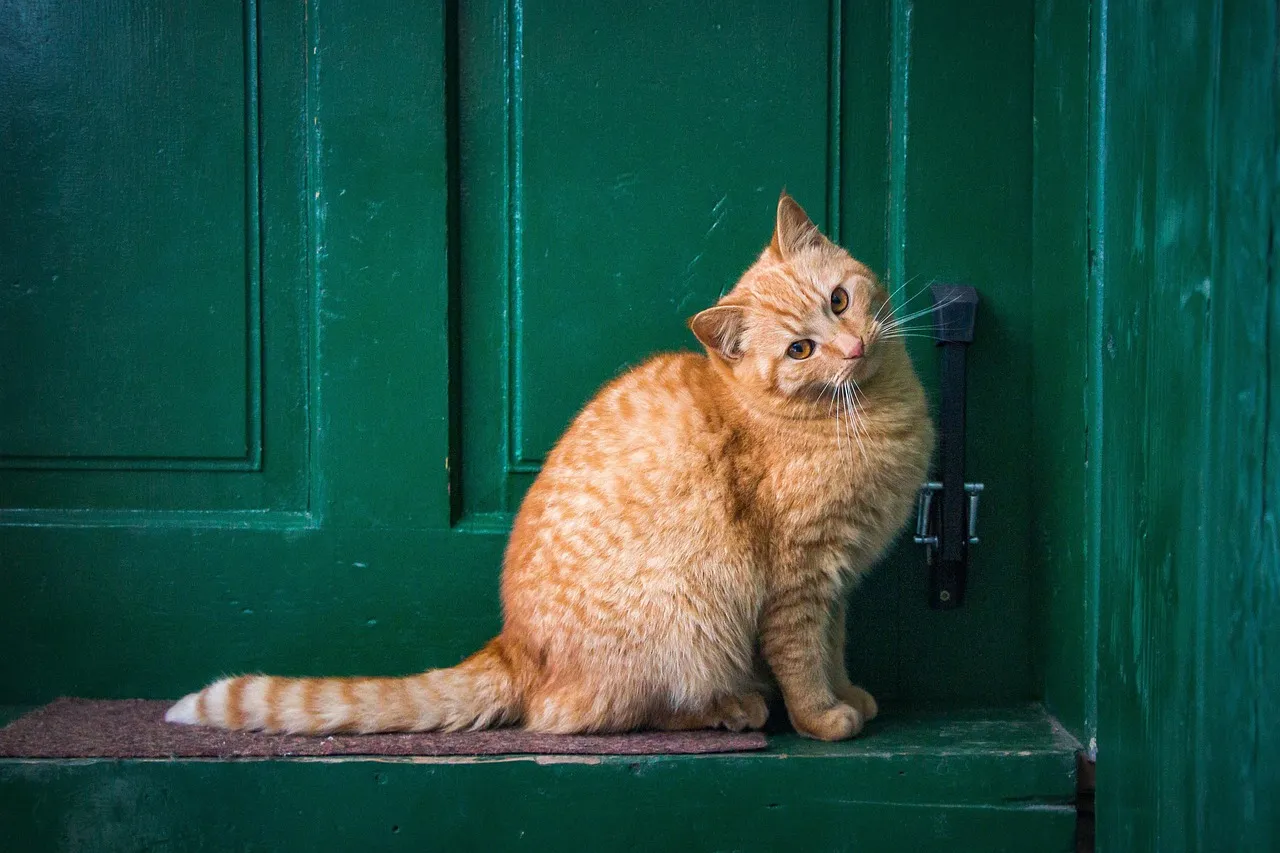
Shelter survivors often freeze or flee when doors open. Slamming, heavy boots, loud voices – all of it can be tangled up with past fear. So when your rescue starts materializing at the door the moment you come home, tail up, maybe with a tiny chirp, you’re watching a full nervous-system rebrand play out in real time.
They’ve learned that the door opening plus your voice equals good things, and that your absence is temporary, not abandonment. A cat that once braced for danger is now actively approaching the exact sound that used to signal threat. Some will rub the doorframe before they even touch you, re-scenting their entry point as you walk in. Others do the classic figure-eight around your legs, merging scent and space in one motion. People love posting videos of dogs going wild at the door, but a rescue cat quietly waiting, tail quivering with held-back joy, might be the bigger emotional moment.
At a Glance
- A tail held straight up is one of the clearest feline signals of a friendly, confident greeting.
- Rubbing the doorframe or your legs mixes scent-marking with genuine affection.
- Door-greeting behavior typically only appears once a cat feels the entire home is safe, not just you.
- A quietly waiting, tail-quivering cat can reflect just as much anticipation as an outwardly excited dog.
#1 – They Show You Their True, “Unpolished” Personality
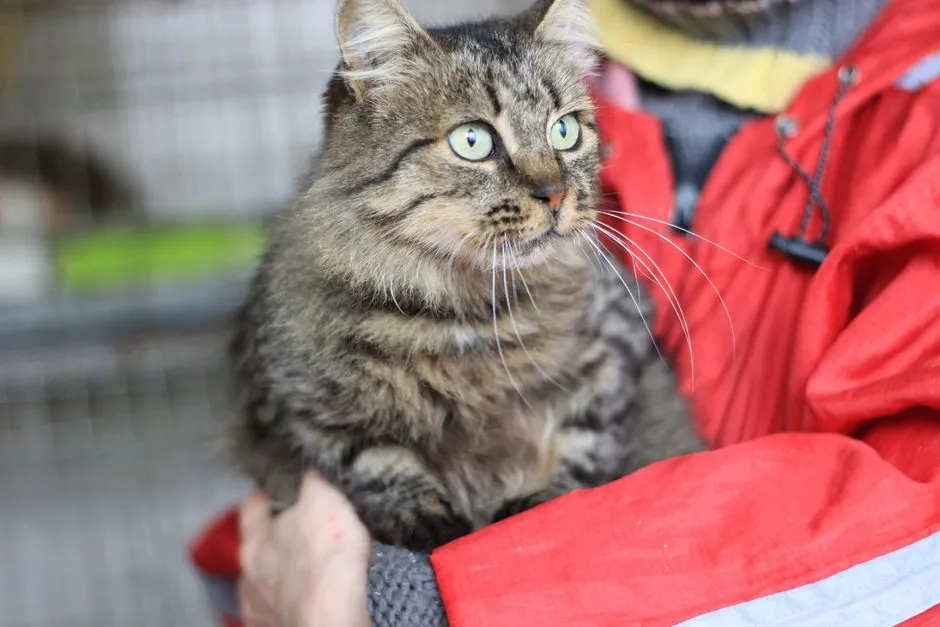
The final and most tender trust sign isn’t cute at all – it’s honest. Early on, rescues often present a flattened version of themselves: very quiet, very still, very “good.” That’s survival mode. Real trust doesn’t just make them sweeter, it makes them more themselves, even when that self is loud, mischievous, or genuinely weird.
Suddenly the “calm” cat is a midnight zoomie gremlin. The “independent” cat becomes a total shadow. The “shy” cat starts clowning, knocking pens off your desk just to make you look. When a rescue stops managing your perception and starts acting like a full, sometimes inconvenient cat, that’s when you know they feel truly safe. Not everyone loves this – some people complain their “perfectly behaved” cat has gone naughty. But from a trust perspective, that naughtiness is just personality finally unclenched. If you can love the real, unmasked version and not just the grateful-survivor fantasy, that’s when the bond turns unbreakable.
The Bottom Line
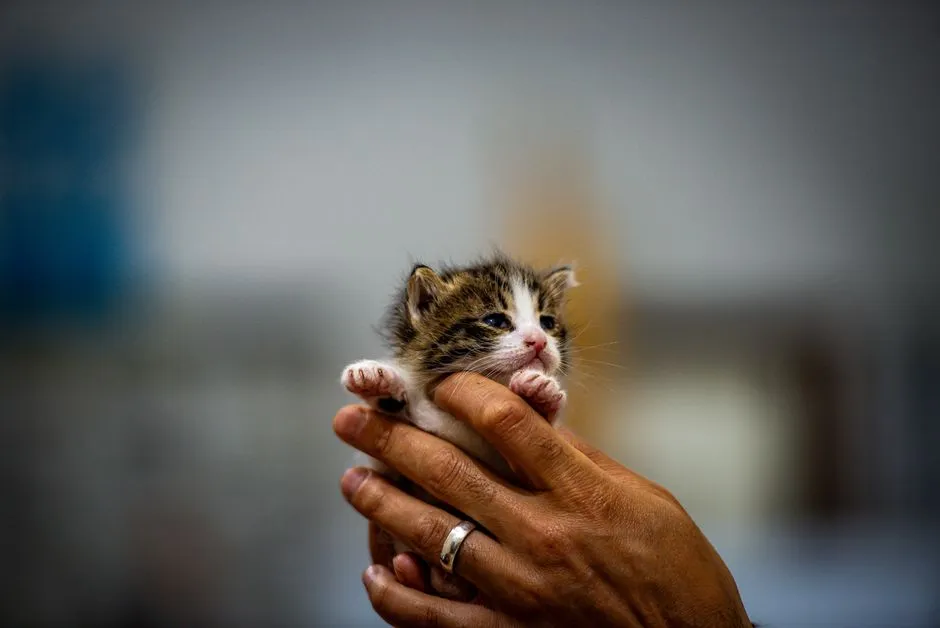
Most people wait for one cinematic moment – the first cuddle, the first purr – to declare a rescue cat “fixed” or “bonded.” The reality is quieter and a lot more profound than that. Trust shows up in micro-choices: the decision to sleep with their back to you, to relax enough to play like a fool, to meow in a voice they invented just for your ears.
Quick Compare: Small Sign vs. Big Meaning
- Back-turned sleeping = giving up their guard, not ignoring you.
- Slow blink = a voluntary drop of vigilance, reserved for who they trust most.
- Gift-dropping = folding you into their social circle, not making a mess.
- Choosing your lap = picking an unpredictable, living “safe spot” over their old hiding place.
- Messy, loud personality = the clearest sign of all that the mask has finally come off.
None of these behaviors are random. They’re tiny, hard-won votes for the idea that you are safe. What’s genuinely controversial here is this: the more a rescue cat “inconveniences” your life with their real personality, the more secure they probably feel. Chase the Hallmark version of healing and you’ll miss the whole point. The awkward, messy, deeply tender reality is the actual love story – so which of these signs has your cat already shown you, and which one did you spend years misreading?
