

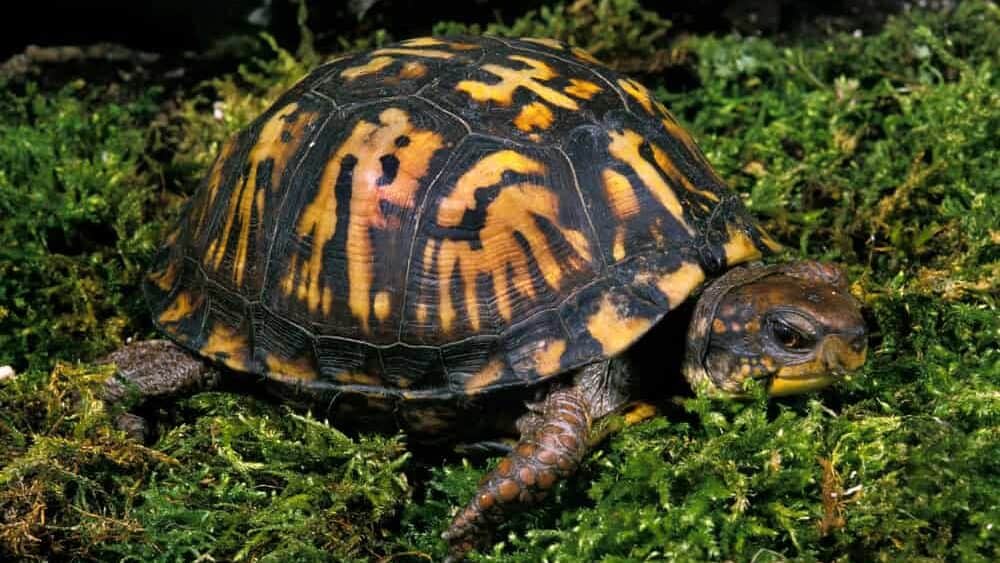
Across North America and worldwide, turtles face a devastating threat that has nothing to do with their natural predators: roadways. Each year, thousands of turtles are killed while attempting to cross roads that intersect with their habitats and migration routes. Female turtles are particularly vulnerable during nesting season when they travel in search of suitable nesting sites, often crossing dangerous roadways in the process. Research indicates that for many turtle species, road mortality has become the leading cause of adult deaths, with some studies showing mortality rates as high as 98-100% for turtles attempting to cross busy highways.
What makes this situation particularly alarming is the life history of turtles. Unlike many other animals, turtles are characterized by their longevity and low reproductive rates. Most species take years—sometimes decades—to reach sexual maturity, and population stability depends on high adult survival rates. This means that the loss of even a few adult turtles, especially breeding females, can have catastrophic effects on local populations. With over 60% of the world’s 356 turtle species now threatened with extinction, innovative solutions like wildlife tunnels have become crucial for their survival.
Understanding Turtle Movement Patterns
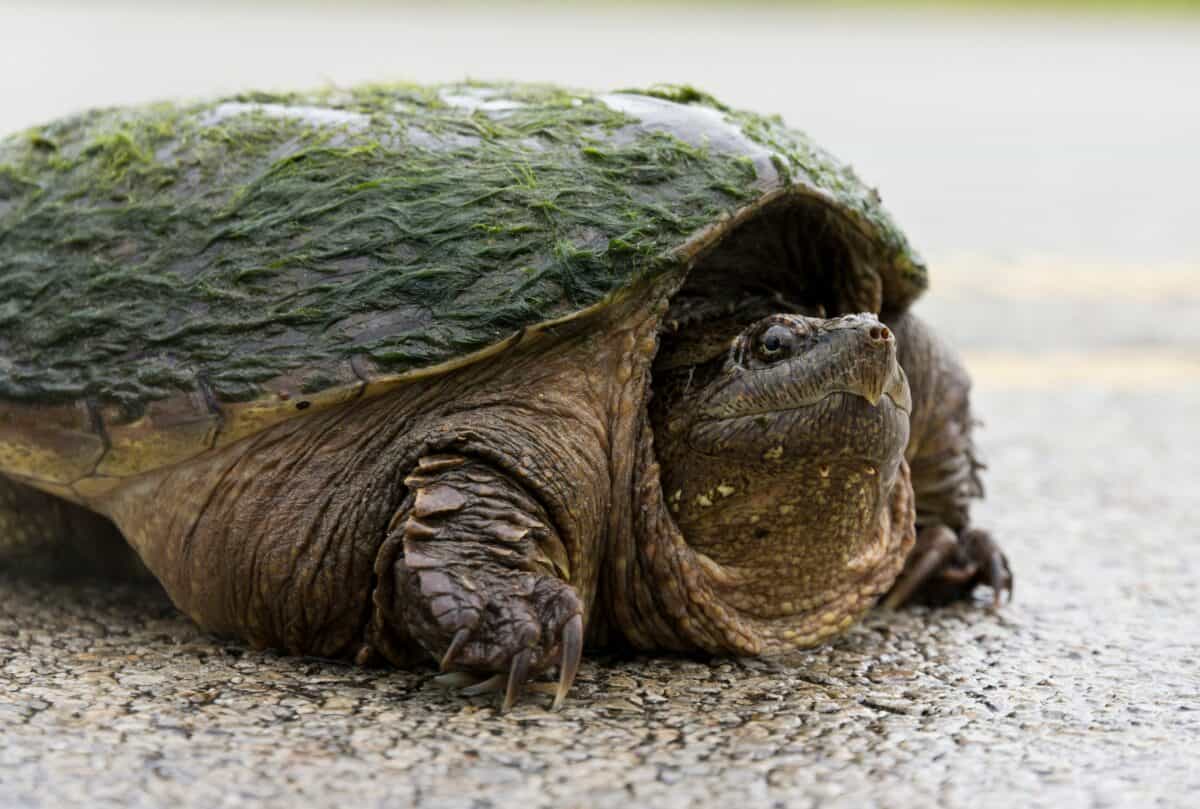
To effectively design road-crossing solutions for turtles, scientists have first had to understand the complex movement patterns of different turtle species. Research has revealed that turtles don’t move randomly across landscapes—they follow specific routes tied to their biological needs. Aquatic turtles frequently travel between wetlands when their habitats dry up or become overcrowded. Many species, including the common snapping turtle and painted turtle, make predictable seasonal movements between overwintering sites, feeding areas, and nesting locations. These journeys can span distances from a few hundred yards to several miles.
The timing of these movements is also crucial. Spring typically brings the highest turtle movement activity, coinciding with breeding season and the search for nesting sites. Studies using radio telemetry and GPS tracking have shown that some female turtles return to the exact same nesting areas year after year, often crossing the same dangerous roads in the process. Understanding these predictable movement corridors has allowed conservation biologists to identify roadway hotspots where mitigation measures like wildlife tunnels would be most effective, potentially saving hundreds of turtle lives annually at each properly located crossing structure.
The Evolution of Wildlife Crossing Structures
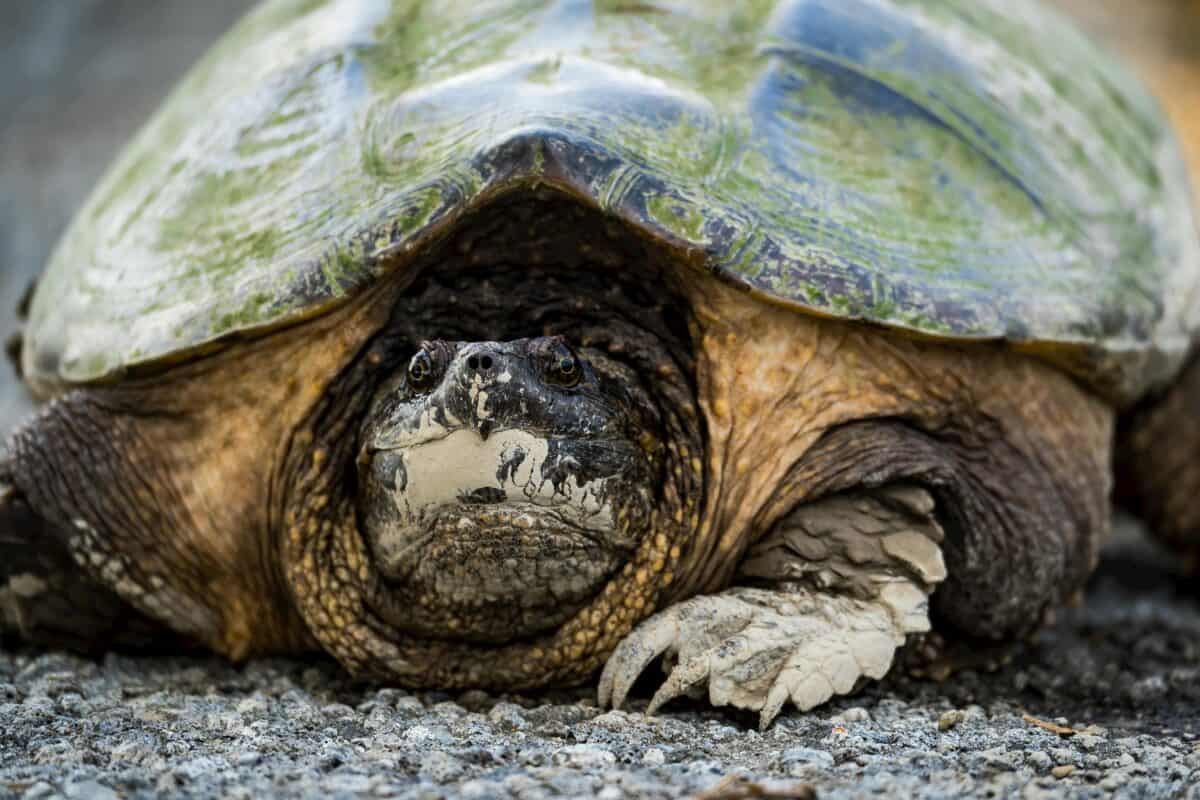
Wildlife crossing structures aren’t a new concept, but their specific application for turtles and other herpetofauna (reptiles and amphibians) has evolved significantly over the past few decades. Early wildlife crossings, developed primarily in the 1970s and 1980s, focused mainly on large mammals like deer and elk. It wasn’t until the 1990s that researchers began seriously studying how to adapt these concepts for smaller wildlife, including turtles. The first turtle-specific tunnels were often simple culverts—drainage pipes that happened to allow turtles to pass underneath roads—but these proved inadequate for many species due to their dark, confined nature.
Modern turtle tunnels represent a significant improvement in design. Today’s structures incorporate research-backed features like natural substrate floors, appropriate sizing for various species, and critically important light penetration through grates or slots that make tunnels less intimidating to light-sensitive species. Countries like the Netherlands and Germany pioneered many of these specialized designs, which have since been adopted and refined across North America, Australia, and elsewhere. The success of these structures has been remarkable, with some well-designed tunnels showing usage rates by turtles of over 90% when properly positioned and combined with guide fencing.
Anatomy of an Effective Turtle Tunnel

Not all wildlife tunnels are created equal, especially when it comes to accommodating the unique needs of turtles. Effective turtle tunnels share several key design features that encourage usage and maximize survival. Size matters significantly—tunnels must be large enough for various turtle species to navigate comfortably, with most successful designs ranging from 2-4 feet in diameter or width. The tunnel’s openness ratio (the relationship between length, width, and height) is particularly important, as turtles tend to avoid passages that appear too confined or dark. Research has shown that rectangular tunnels with openness ratios above 0.25 are most effective.
Light penetration represents another critical factor. Many turtle species are reluctant to enter completely dark spaces, making light penetration essential. Modern designs often include grated tops or multiple openings that allow natural light to enter the tunnel. The floor substrate also plays an important role—natural materials like soil, sand, or small gravel provide familiar texture for turtle movement. Moisture levels must be carefully balanced; tunnels need proper drainage to prevent flooding while maintaining enough humidity to prevent desiccation of amphibians that might also use the crossing. The most successful turtle tunnels maintain these conditions year-round, ensuring they remain functional during critical migration periods.
The Essential Role of Fencing and Barriers
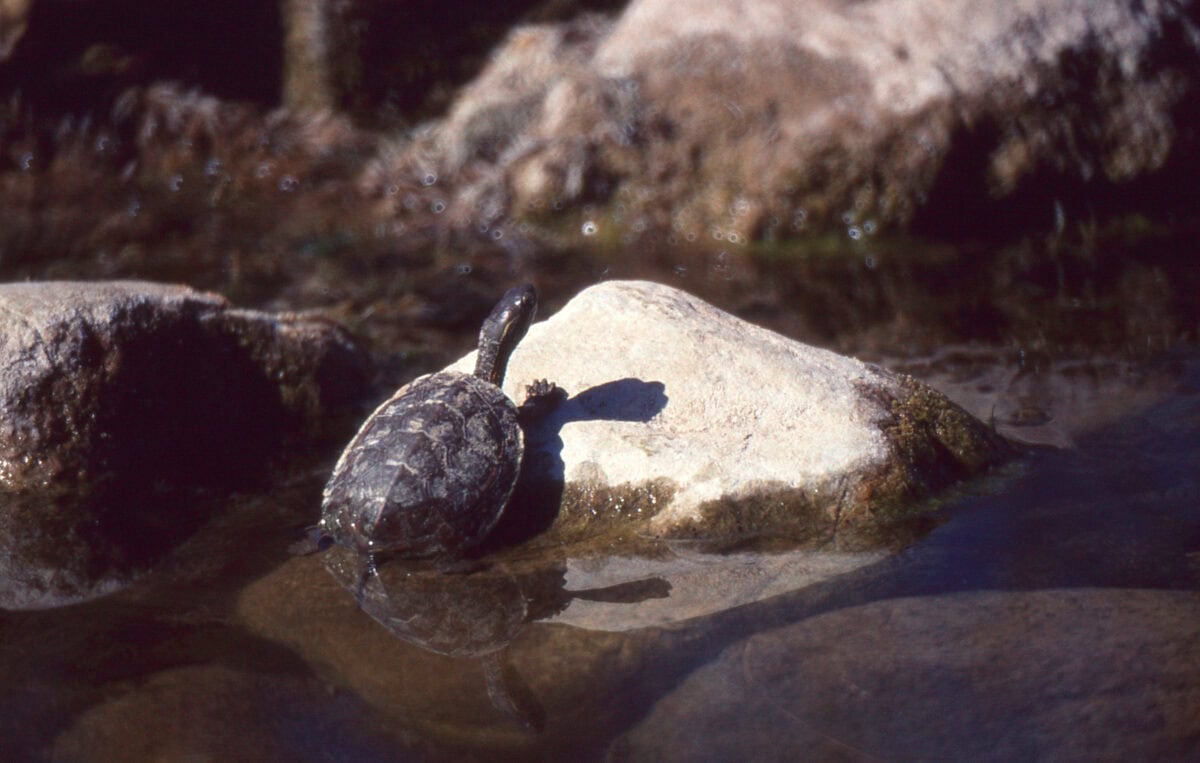
Wildlife tunnels alone are rarely sufficient to protect turtles—they must be paired with appropriate fencing or barriers that guide turtles toward tunnel entrances and prevent them from accessing the roadway. Effective barrier systems typically extend at least 100 meters on either side of crossing structures, with some large-scale projects featuring fencing that runs for kilometers along particularly dangerous road stretches. The design of these barriers must account for turtles’ climbing abilities; smooth surfaces angled away from the road prevent most species from scaling the barrier, while a buried lower edge prevents them from digging underneath.
Material selection for these barriers has evolved through trial and error. Early plastic mesh fences often degraded quickly under UV exposure or were damaged by maintenance equipment. Modern systems frequently use more durable materials like concrete, metal, or specialized polymer composites designed to withstand environmental stresses for decades. The most effective designs include “turnarounds” at fence ends—curved sections that redirect turtles back toward safe habitat rather than simply ending and potentially funneling animals onto the road. Research has shown that properly designed barrier systems can reduce turtle road mortality by 80-95%, making them perhaps the most critical component of any road crossing solution.
Success Stories: Turtle Tunnels That Work

Evidence of successful turtle tunnel implementations can be found across North America and beyond. One of the most celebrated examples exists in Waterton Lakes National Park, Alberta, where a system of tunnels and barriers reduced turtle mortality by over 95% along a particularly deadly stretch of highway. Researchers documented over 100 successful crossings by painted turtles in the first year after installation. In Massachusetts, the Linking Landscapes for Massachusetts Wildlife program has installed numerous tunnels specifically designed for spotted turtles and Blanding’s turtles, two species of conservation concern. Post-installation monitoring showed tunnel usage rates exceeding 80% for both species.
Florida’s Lake Jackson Ecopassage represents another remarkable success story. This system of four large tunnels connected by 8,000 feet of barrier wall was specifically designed for turtles, including the threatened alligator snapping turtle. Before installation, an estimated 200+ turtles were killed annually on this road segment; after construction, road mortality dropped to near zero. The project has become a model for other states and countries. These success stories share common elements: thorough pre-construction research to identify crossing hotspots, appropriate tunnel design for target species, comprehensive barrier systems, and—critically—ongoing maintenance and monitoring to ensure continued effectiveness.
Challenges in Implementation and Maintenance

Despite their proven effectiveness, turtle tunnels face significant implementation challenges. Cost remains a primary barrier—a single well-designed tunnel with associated fencing can cost anywhere from $20,000 to over $500,000 depending on the scale and complexity. This expense often puts tunnels out of reach for many local conservation efforts unless they can secure special funding. Installation timing presents another challenge, as construction must typically occur during low turtle activity periods to minimize disturbance, which can conflict with optimal construction seasons in many regions.
Maintenance challenges are equally significant. Tunnels require regular inspection and clearing to remain functional—vegetation growth can block entrances, flooding can make tunnels impassable, and fencing frequently suffers damage from weather, wildlife, and maintenance equipment. Many successful tunnel systems have failed over time due to inadequate maintenance programs. Human interference presents yet another challenge, with vandalism affecting some installations and well-meaning but counterproductive “improvements” by local residents sometimes creating unforeseen problems. The most successful programs incorporate long-term maintenance funding and community education to address these ongoing challenges.
Innovative Designs and Future Directions

The field of wildlife crossing design continues to evolve, with innovative approaches emerging to address the specific needs of turtles. In areas where traditional tunnels aren’t feasible, some projects have implemented “elevated road sections”—short bridge-like structures that lift the roadway several feet, creating open passage underneath for wildlife. These designs provide more natural lighting and vegetation continuity than traditional tunnels. Other innovations include modular, prefabricated crossing structures that can be installed quickly during road maintenance operations, significantly reducing costs and construction disruption.
Technology integration represents another frontier in turtle protection. Some newer installations incorporate motion-triggered warning systems that alert drivers when wildlife is detected near crossing areas. Automated monitoring using camera traps with machine learning algorithms helps researchers gather data on tunnel usage without constant human presence. Perhaps most promising are efforts to incorporate wildlife crossings into initial road design rather than retrofitting existing infrastructure. This approach, known as “wildlife-sensitive road design,” has proven far more cost-effective and has become standard practice in countries like the Netherlands and Switzerland, with the United States and Canada gradually adopting similar approaches.
The Broader Ecological Benefits
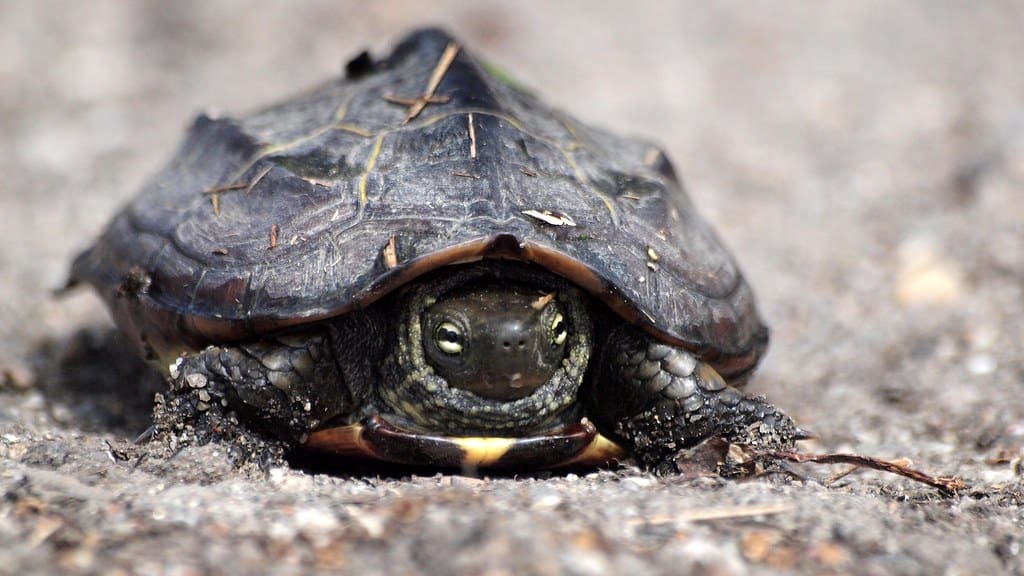
While designed primarily for turtles, properly constructed wildlife tunnels provide crossing opportunities for numerous other species, creating broader ecological benefits. Research at turtle tunnel sites has documented regular use by amphibians like frogs and salamanders, small mammals including otters and muskrats, and occasionally even larger animals like foxes and raccoons. By reconnecting habitat fragments, these structures help maintain genetic diversity across populations that would otherwise be isolated by roadways. This connectivity is increasingly important as climate change forces species to shift their ranges in search of suitable conditions.
These crossings also provide significant ecosystem services. By maintaining healthy turtle populations, tunnels indirectly support wetland health, as many turtle species play important roles in aquatic ecosystems as scavengers, seed dispersers, and vegetation managers. There are human benefits as well—reduced wildlife-vehicle collisions mean fewer dangerous driving conditions and decreased property damage. Some communities have even turned their turtle tunnels into educational opportunities, installing viewing platforms or interpretive signage that promotes wildlife conservation awareness. These multifaceted benefits help justify the investment in crossing structures beyond the immediate goal of protecting turtles.
Community Involvement and Citizen Science
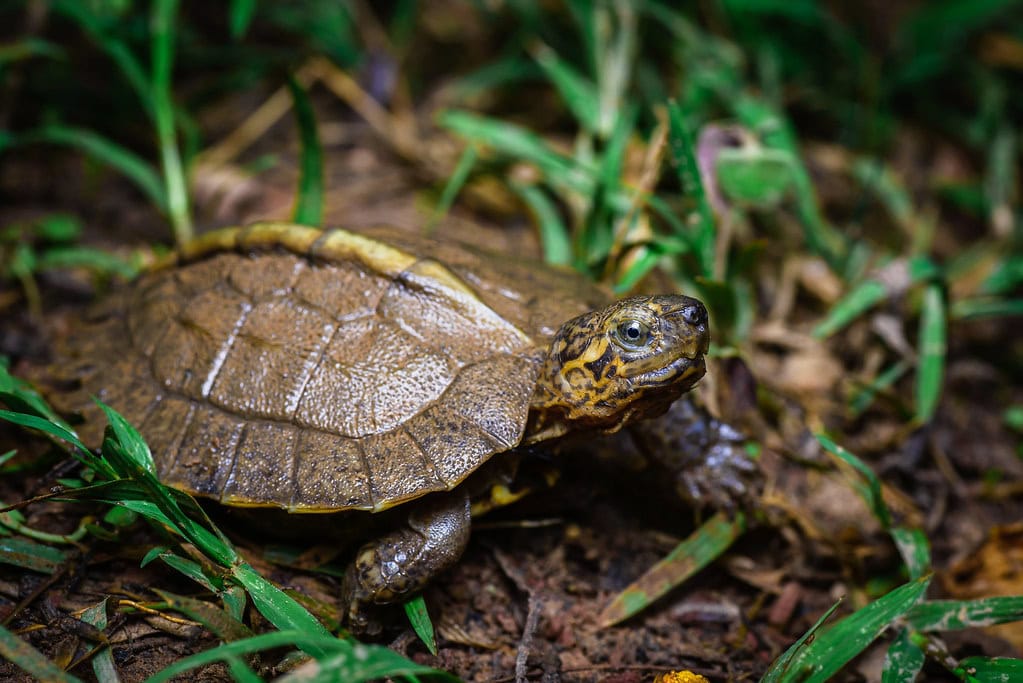
The success of turtle tunnel projects often depends heavily on community support and involvement. Many of North America’s most effective turtle crossing systems began as grassroots initiatives by concerned citizens who noticed high numbers of turtle roadkills. These community-led efforts frequently evolve into collaborative projects involving local governments, conservation organizations, and transportation departments. The Causeway Project in Ontario, Canada exemplifies this approach—beginning as a citizen monitoring program documenting turtle mortality, it eventually secured over $3 million in funding for comprehensive road mitigation measures after demonstrating the severity of the problem through volunteer data collection.
Citizen science continues to play a crucial role in monitoring turtle tunnels and identifying new hotspots needing protection. Mobile apps like iNaturalist and specialized platforms such as the Wildlife Observation System allow everyday people to report turtle sightings and road mortality, creating valuable datasets that guide conservation efforts. In areas with established tunnels, volunteer monitoring programs help assess effectiveness and maintenance needs. These community connections also foster local stewardship of crossing structures, reducing vandalism and increasing public support for future wildlife protection initiatives. Educational programs around turtle tunnels have proven particularly effective at engaging children and families in conservation, creating generational awareness of transportation ecology issues.
Policy and Funding Considerations
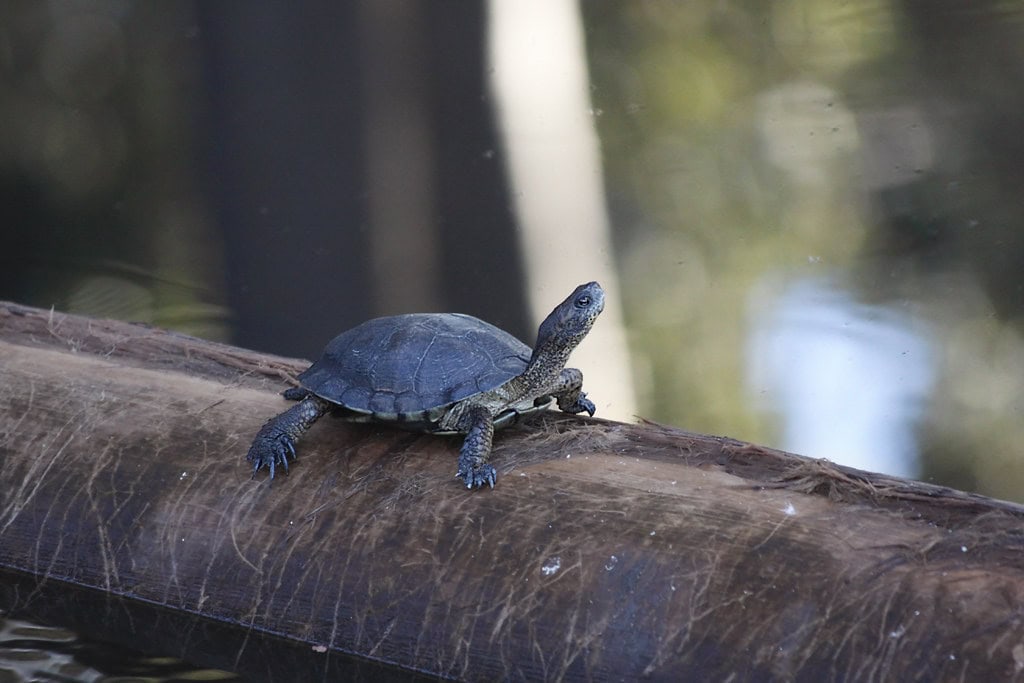
The implementation of turtle tunnels ultimately depends on supportive policy frameworks and reliable funding sources. In the United States, transportation policy has gradually evolved to better accommodate wildlife crossings. The 2021 Infrastructure Investment and Jobs Act included unprecedented funding—$350 million over five years—specifically for wildlife crossing structures. This represents a significant shift from earlier approaches that treated wildlife crossings as optional add-ons rather than essential infrastructure components. At the state level, policies vary widely, with some states like Florida, Massachusetts, and California having developed comprehensive guidelines for incorporating wildlife crossings into transportation planning.
Funding models for turtle tunnels have diversified beyond traditional government sources. While transportation departments remain the primary funders, many successful projects now utilize creative financing approaches. These include dedicated conservation sales taxes (like Missouri’s Design for Conservation sales tax), specialty license plate programs that fund environmental initiatives, mitigation banking systems where developers fund conservation projects to offset environmental impacts elsewhere, and public-private partnerships between transportation agencies and conservation organizations. Grant programs from wildlife foundations and environmental trusts have also become important funding sources, particularly for the research and monitoring components that help demonstrate project effectiveness.
The Future of Road Ecology for Turtle Conservation

The science of road ecology—the study of how roads affect wildlife and ecosystems—continues to advance our understanding of effective turtle protection measures. Recent research has begun exploring more sophisticated questions beyond simple tunnel effectiveness, such as how crossing structures affect genetic connectivity between turtle populations, how climate change might alter turtle movement patterns and crossing needs, and how multiple small crossings compare to fewer large structures in terms of population-level impacts. These studies are increasingly using advanced technologies like environmental DNA sampling and satellite tracking to provide more comprehensive pictures of turtle movement and road interactions.
Looking ahead, the integration of wildlife crossing needs into transportation planning processes represents perhaps the most promising development for turtle conservation. Rather than treating wildlife crossings as after-the-fact additions, transportation agencies in many regions now consider ecological connectivity during initial road planning stages. This approach reduces costs and improves effectiveness significantly. As climate change forces species to shift their ranges, the strategic placement of wildlife crossings becomes even more critical. Forward-thinking conservation planning now models potential range shifts and identifies likely movement corridors decades into the future, ensuring that today’s infrastructure investments continue protecting turtle populations as environmental conditions change.
The Journey Forward: Securing Safe Passages for Turtles
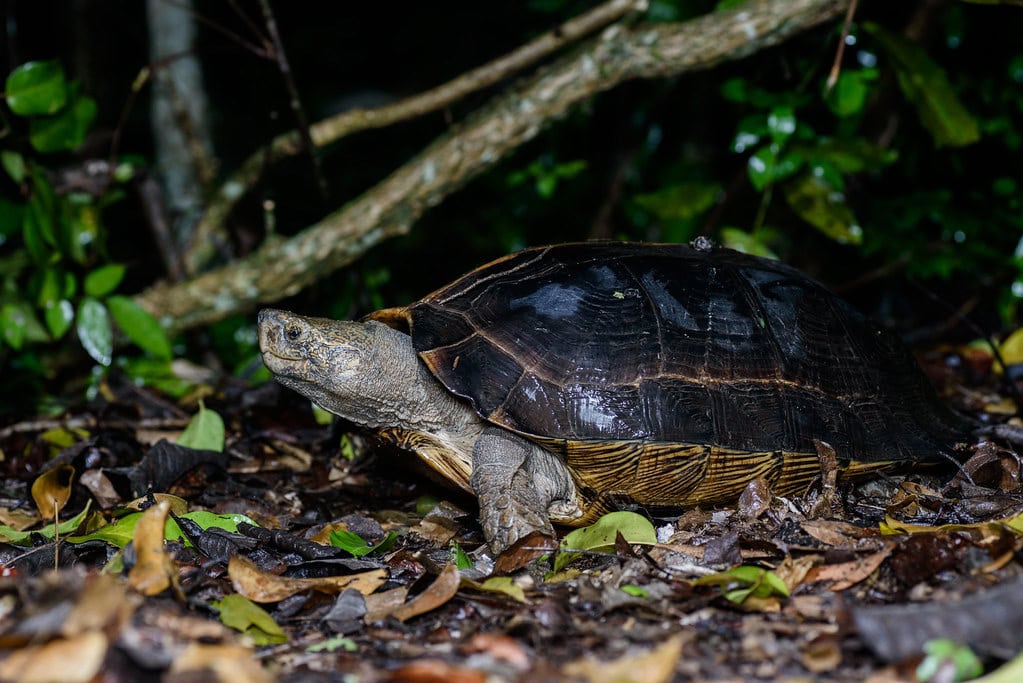
Wildlife tunnels represent one of conservation’s most tangible success stories, offering hope for turtle species threatened by our ever-expanding road networks. From humble beginnings as repurposed drainage culverts to today’s sophisticated, purpose-built crossing systems, these structures demonstrate how thoughtful infrastructure design can accommodate both human transportation needs and wildlife movement. The documented success of well-designed tunnels in reducing turtle mortality by upwards of 90% provides clear evidence that coexistence is possible when we commit to finding solutions. As climate change and habitat fragmentation continue to pressure turtle populations worldwide, these crossing structures will only grow in importance.
The path forward depends on continued collaboration between ecologists, engineers, policymakers, and communities. Every successful turtle tunnel tells a story of partnership—between governmental agencies, conservation organizations, local advocates, and concerned citizens who refused to accept roadkill as inevitable. By continuing to refine designs, secure sustainable funding mechanisms, and integrate wildlife needs into transportation planning from the beginning, we can create a future where roads no longer represent deadly barriers to turtle movement. For animals that have survived on Earth for more than 200 million years, these humble tunnels may help ensure they survive humanity’s rapid transformation of the landscape, allowing future generations to continue marveling at these remarkable reptiles as they make their slow but steady journeys across the land.

From exploring the marine wonders in the Azores and witnessing the vast savannas of Kenya, to delving deep into the rich biodiversity of South Africa and traversing iconic landscapes in Australia and the US like Yellowstone, Chris's experiences are vast.
With a penchant for diving alongside sharks, the ocean holds a special place in his heart.
Through his academic insights, he champions wildlife conservation, striving with 'Animals Around The Globe' to cultivate a profound connection between humans and animals, enhancing our mutual appreciation.
Connect with him at Feedback@animalsaroundtheglobe.com.
- This U.S. State Has the Most Active Wild Wolf Packs - June 17, 2026
- The Science of the Canine Nose More Powerful Than You Think - June 17, 2026
- Is the Media Lying About the Connection Between Weather and Climate Change? - June 17, 2026