

As global temperatures rise and weather patterns become increasingly erratic, the impacts on animal habitats are becoming a major concern. Animals across the globe are witnessing their habitats shifting in unexpected ways, forcing them to adapt or move to survive. This article delves into the various ways unpredictable weather patterns are reshaping the natural world, affecting the delicate balance of ecosystems and posing challenges to wildlife.
Understanding Climate Change and Unpredictable Weather Patterns

Climate change results in more than just warmer temperatures; it leads to unpredictable weather patterns that can drastically alter the environment. These changes disrupt traditional weather norms, causing unusual events such as prolonged droughts, intense storms, and fluctuating seasons. Such environmental shifts are not just inconvenient but threaten the very existence of numerous animal species.
The Impact on Migration Routes

Many animals rely on established migration routes to access food, water, and breeding grounds. However, with climate elements becoming more unpredictable, these routes are disrupted. Animals like birds often arrive too early or too late to find optimal resources, which can lead to a decline in their population as they fail to breed successfully or find adequate sustenance.
Alterations in Breeding Seasons

Weather unpredictability can lead to shifts in breeding seasons for many species. For instance, some species are compelled to breed earlier or later in the year due to unexpected temperature changes or lack of resources. These shifts can result in poor survival rates for offspring if the environmental conditions are not favorable for their growth and survival.
The Challenge of Adapting to New Environments
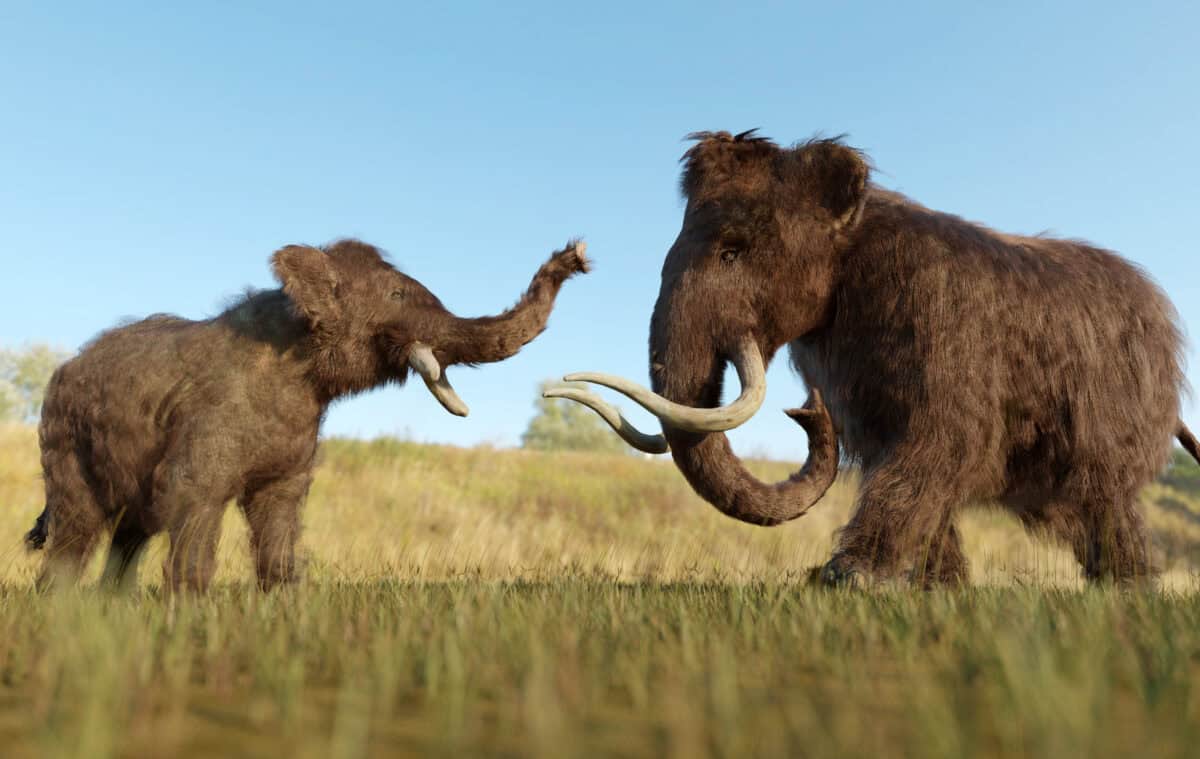
Animals forced to migrate to new areas in response to altered habitats face the daunting task of adapting to unfamiliar environments. They may encounter different predators, new competitors, and unfamiliar food sources. These new stressors can lead to decreased survival rates or necessitate rapid evolutionary changes.
Effects on Food Sources
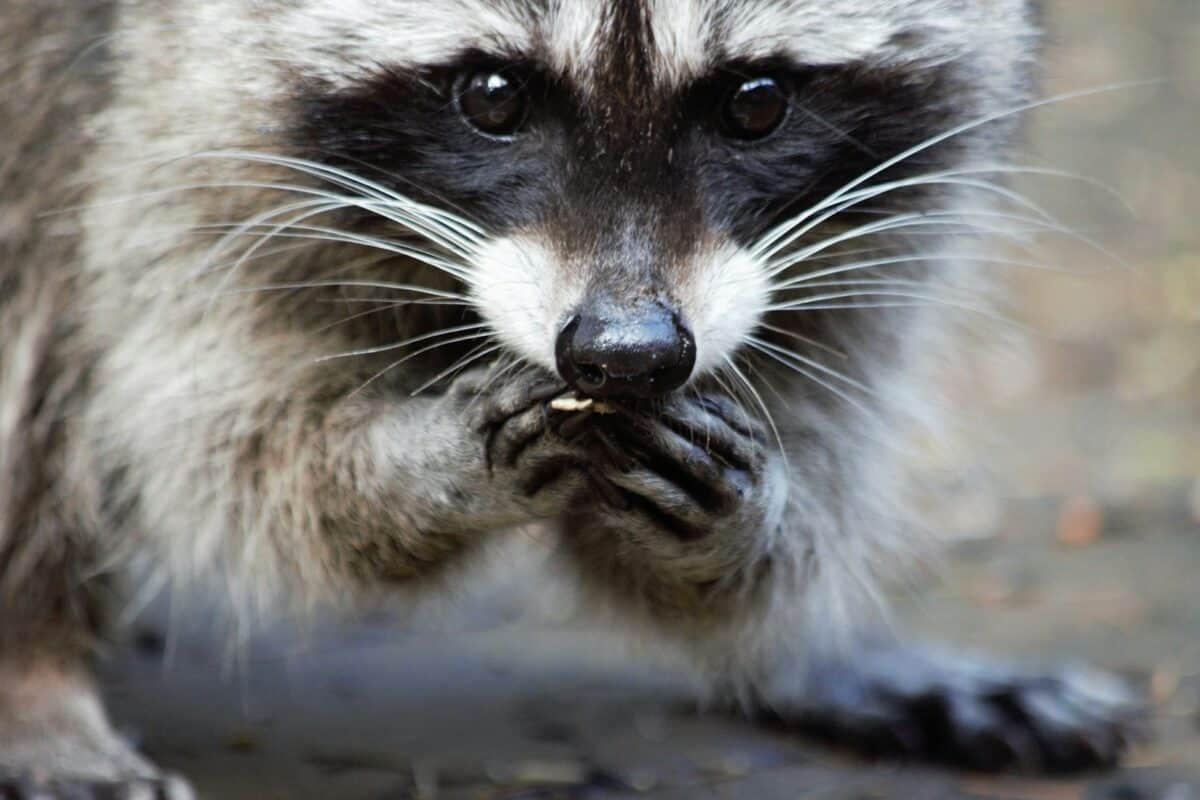
The availability of food is directly linked to weather patterns. Changes such as droughts or floods can eliminate traditional food sources, pushing animals to search for alternatives or develop new feeding habits. This shift can have cascading effects on ecosystems, as changes in one species’ behavior can impact others within the same food web.
The Role of Increased Storm Activity

Increased storm activity can wreak havoc on natural habitats. Forests, coastal areas, and underwater ecosystems can be severely damaged, often beyond recovery. Animals that depend on these habitats for shelter and food may face increased mortality rates as a result of these destructive weather events.
Melting Ice Caps and Rising Sea Levels

In polar regions, melting ice caps and rising sea levels pose a significant threat to wildlife such as polar bears and seals. As their icy habitats shrink, these animals lose crucial platforms for hunting and resting. Rising sea levels also inundate coastal habitats, impacting species that rely on these areas for nesting and feeding.
Urbanization and Loss of Natural Habitats

In response to unpredictable weather, animals often migrate closer to urban areas, seeking refuge and food. This urban encroachment can lead to increased human-wildlife conflicts, and sadly, animals may also fall victim to urban dangers such as traffic and pollution, further stressing their populations.
The Unseen Impact on Marine Life
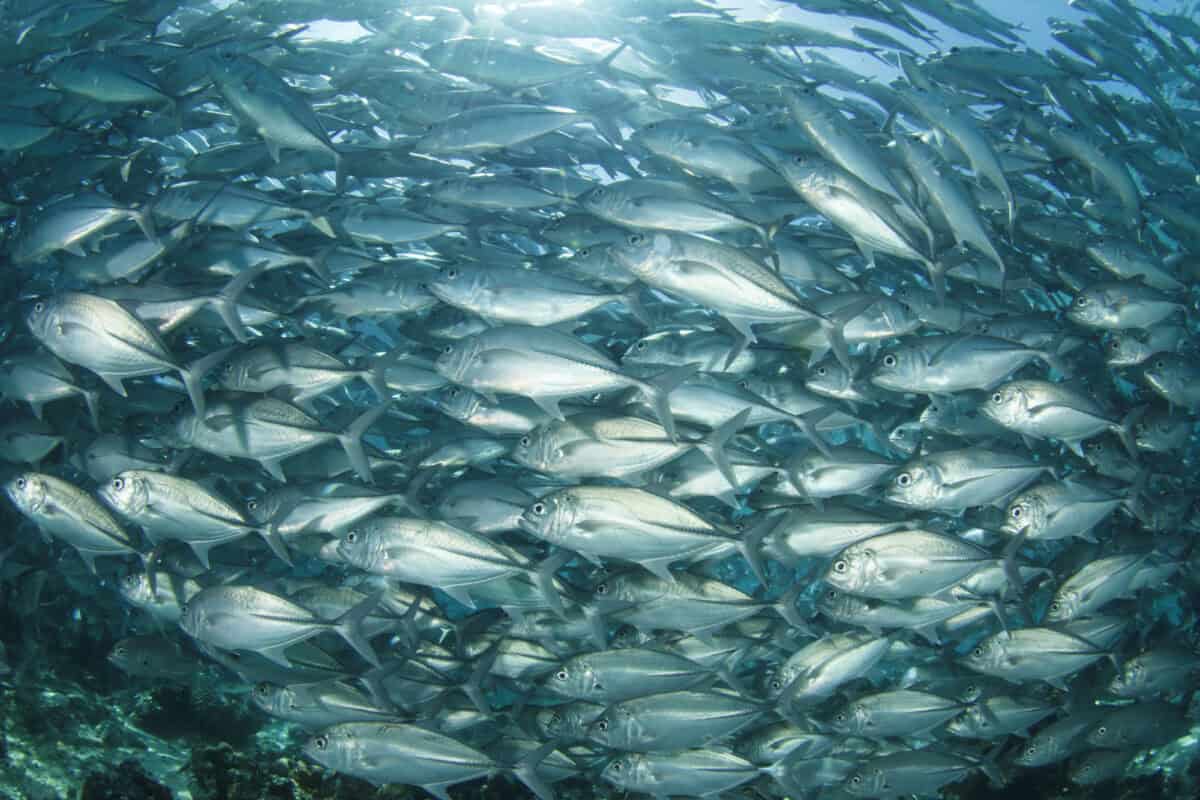
Marine ecosystems are also vulnerable to unpredictable weather patterns. Ocean temperature fluctuations can alter the distribution of fish populations, affecting predators and entire marine food webs. Coral reefs, sensitive to temperature changes, face bleaching events that kill coral and the diverse species dependent on them.
Conservation Efforts in the Face of Change

Conservationists are working tirelessly to mitigate the impact of changing weather patterns on animal habitats. Efforts include creating wildlife corridors to support migration, conserving critical habitats, and breeding programs for endangered species. Such measures aim to provide species with the best possible chance of survival in the face of a changing climate.
The Importance of Biodiversity

Maintaining biodiversity is crucial for ecosystem resilience. A diverse range of species can help absorb the shocks of climate change, as different species respond differently to environmental stresses, providing a buffer for ecosystems. Efforts to preserve biodiversity are therefore essential in helping ecosystems adapt to new weather patterns.
How Individuals Can Make a Difference

Every individual can contribute to the preservation of animal habitats. Reducing carbon footprints, supporting sustainable practices, and participating in local conservation efforts can make a significant difference. Awareness and education are also key to fostering a greater understanding of the importance of biodiversity and the need for climate action.
In conclusion, unpredictable weather patterns in the context of climate change present an immense threat to animal habitats across the globe. As we continue to witness drastic environmental changes, it becomes ever more clear that the survival of many species hangs in the balance. Addressing these challenges requires a concerted global effort, combining scientific research with practical conservation strategies to ensure that wildlife can adapt and thrive in the face of an uncertain future.
