

Worried about unexpected vet bills?
Pet insurance can cover thousands in unexpected vet costs. Get a free quote from Lemonade in under 2 minutes.
Get My Free Quote →Sponsored · Opens Lemonade.com
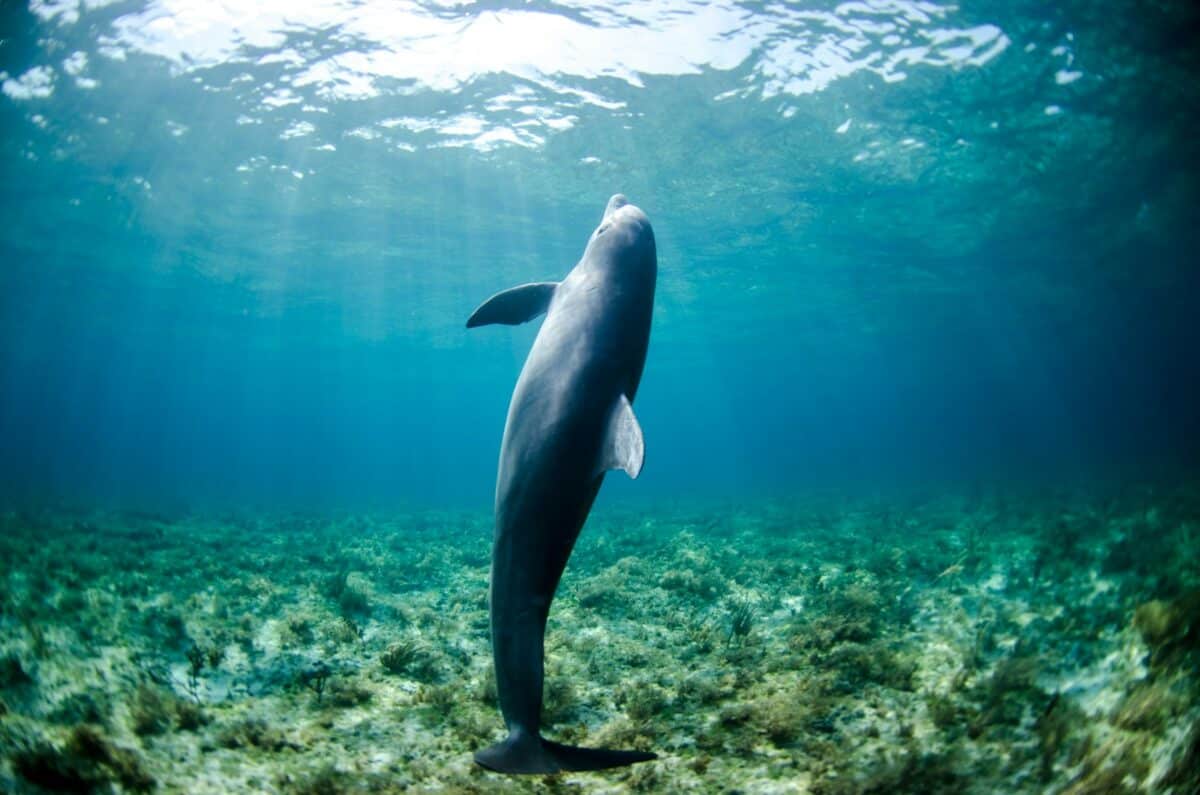
In the crystal blue waters of the Indo-Pacific region, dolphins have been observed engaging in a remarkable behavior that has fascinated marine biologists and wildlife enthusiasts alike. These intelligent marine mammals have been documented deliberately rubbing themselves against specific coral species, which scientists now believe serves a medicinal purpose. This natural pharmacy beneath the waves represents one of the most sophisticated examples of self-medication in the animal kingdom. Wild dolphins, particularly the bottlenose and spinner species, appear to seek out particular corals and sponges to treat skin ailments, demonstrating an impressive understanding of marine pharmacology that humans are only beginning to comprehend. This article explores this fascinating behavior, the science behind coral’s medicinal properties, and what this means for our understanding of dolphin intelligence and marine ecosystems.
The Discovery of Dolphin Self-Medication

The first documented observations of dolphins using coral for apparent medicinal purposes came from researchers in the Red Sea in the early 2000s. Marine biologists noticed that Indo-Pacific bottlenose dolphins (Tursiops aduncus) were deliberately and repeatedly rubbing their bodies against specific gorgonian corals and certain sponges. This wasn’t random play behavior—the dolphins were methodical, often queueing up to access particular coral formations and spending considerable time ensuring various parts of their bodies made contact with these marine organisms. The behavior was particularly noticeable after dolphins had visible skin irritations or wounds, suggesting the activity had a therapeutic purpose rather than being merely recreational. This discovery opened up an entirely new area of research into cetacean self-medication, or zoopharmacognosy—the study of how animals self-medicate using plants and other substances.
Medicinal Properties of Marine Corals
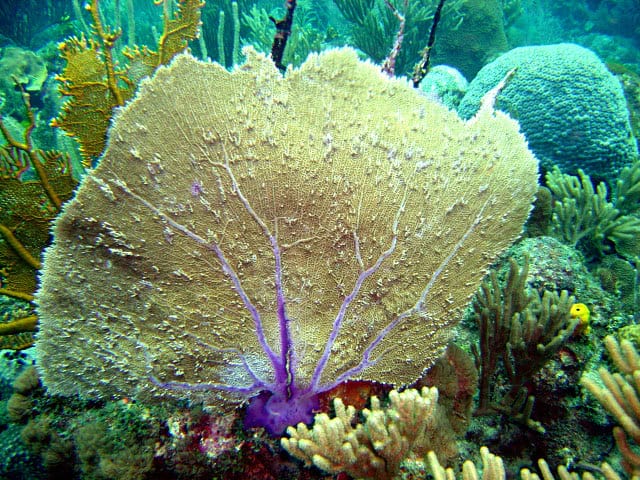
The corals and sponges that dolphins select for their rubbing behavior contain a remarkable pharmacy of bioactive compounds. Scientific analysis of these marine organisms has revealed they contain antibacterial, antifungal, and antimicrobial substances that can effectively combat pathogens found in seawater. Gorgonian corals (sea fans) in particular produce terpenoids and other secondary metabolites as chemical defenses against their own predators and infections. When dolphins rub against these corals, the physical action likely releases these compounds, which then transfer to the dolphins’ skin. Research published in the journal iScience in 2022 identified over a dozen compounds with antimicrobial, antibacterial, hormone-like, and toxic properties in the mucus released by these corals. These natural compounds function similarly to antibiotics, antifungals, and anti-inflammatory agents in human medicine, providing dolphins with a natural treatment for their skin conditions.
The Selective Behavior of Dolphins

What makes this behavior particularly remarkable is the selective nature of dolphin medication. Studies have shown that dolphins don’t rub against just any coral—they specifically choose certain species like gorgonian coral (Rumphella aggregata), leather coral (Sarcophyton sp.), and certain sponges like Ircinia sp. This selective behavior strongly suggests that dolphins can distinguish between different marine organisms based on their medicinal properties. Researchers have observed that when dolphins have skin ailments, they often increase the frequency of these rubbing sessions and may target particular coral species depending on the nature of their skin condition. Additionally, this knowledge appears to be shared within dolphin pods, with juveniles learning from adults which coral species to seek out when they have skin irritations—representing a form of cultural transmission of medicinal knowledge among dolphin communities.
Common Skin Ailments in Wild Dolphins

Wild dolphins face numerous skin challenges that may drive them to seek coral treatment. Living in marine environments exposes them to a wide range of potential irritants and pathogens. Common skin conditions observed in wild dolphins include bacterial infections, fungal growth, parasitic infestations (particularly from whale lice and barnacles), and viral lesions. Environmental factors like changes in salinity, temperature fluctuations, and pollution can also compromise skin health. Additionally, dolphins often sustain injuries from encounters with predators, competition with other dolphins, or collisions with boats and fishing gear. Without access to veterinary care, wild dolphins must rely on natural remedies to maintain skin health. The mucous membrane that covers a dolphin’s body is their first line of defense against infection, and maintaining its integrity is crucial for their overall health. Coral rubbing appears to play a vital role in treating these various skin conditions and helping wounds heal without becoming infected.
The Scientific Research Behind Coral Pharmacology

The groundbreaking research into dolphin coral use has spurred increased scientific investigation into marine pharmacology. In 2022, a team led by Angela Ziltener from the University of Zurich published a comprehensive study documenting this behavior in the journal iScience. The researchers collected samples of the specific corals and sponges that dolphins were observed rubbing against and analyzed their chemical composition. They discovered that when agitated through rubbing, these corals release mucus containing a complex cocktail of bioactive compounds with proven antimicrobial properties. Some of these compounds belong to classes of chemicals that have inspired human pharmaceuticals. For instance, pseudopterosins, compounds derived from sea whips (a type of gorgonian coral), have been found to reduce inflammation and are used in some commercial skincare products. This research not only confirms the medicinal value of the dolphins’ behavior but also highlights the potential for marine organisms to provide new compounds for human medicine.
How Dolphins Transfer Medicinal Compounds
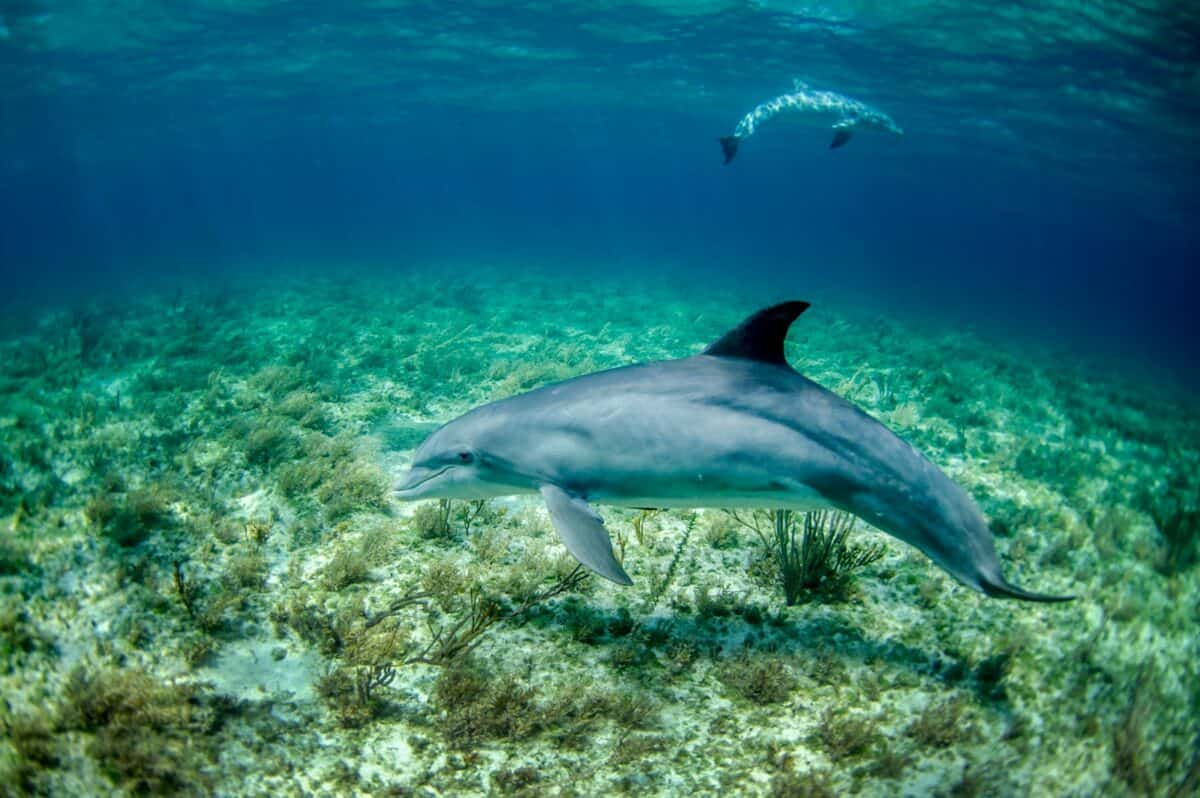
The mechanism by which dolphins transfer medicinal compounds from coral to their skin involves both mechanical and chemical processes. When dolphins rub against corals and sponges, the physical friction causes the marine organisms to release mucus containing bioactive compounds. The dolphin’s skin, which is smooth and hairless but contains numerous nerve endings and a thin, permeable epidermis, can readily absorb these released compounds. The rubbing motion also helps to exfoliate the dolphin’s skin, removing dead skin cells, attached parasites, and potentially harmful microorganisms. This exfoliation may enhance the penetration of the medicinal compounds into the dolphin’s skin. Additionally, some corals release their compounds in response to being disturbed—a defense mechanism that dolphins have essentially learned to exploit for their benefit. The result is a topical application of natural medicine that can help heal wounds, reduce inflammation, and combat infections without the need for the dolphin to ingest any substances.
Social Learning and Cultural Transmission
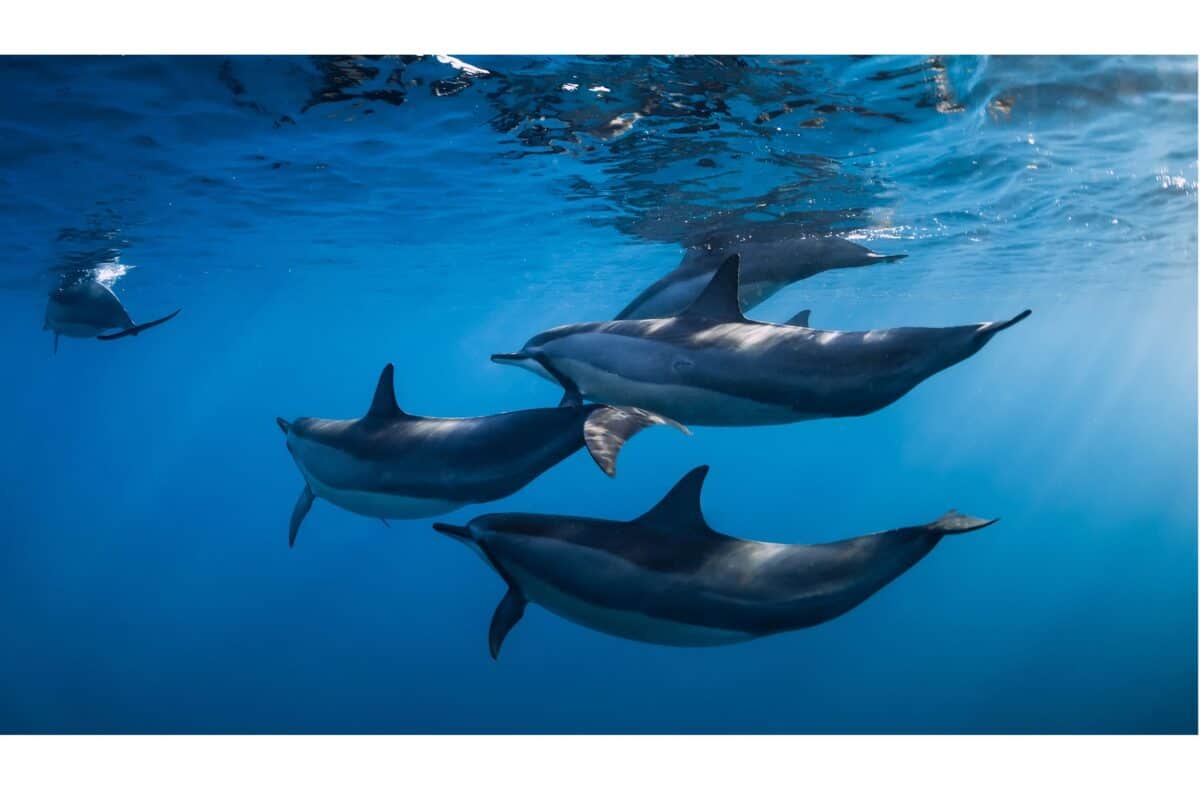
One of the most fascinating aspects of dolphins’ medicinal coral use is how this knowledge appears to be transmitted through social learning. Young dolphins observe adults engaging in coral rubbing and eventually mimic the behavior. Researchers have documented mother dolphins bringing their calves to specific coral formations and demonstrating the rubbing technique. This represents a form of cultural knowledge transmission—information passed from one generation to the next through observation and practice rather than being purely instinctual. Different dolphin pods may even have preferences for particular coral species or rubbing techniques, suggesting the existence of local “traditions” in medicinal coral use. This cultural transmission of medicinal knowledge is relatively rare in the animal kingdom and speaks to the sophisticated social structures and learning capabilities of dolphins. It also raises important questions about the preservation of both dolphin populations and the coral reefs they rely on, as the loss of either could mean the loss of this remarkable cultural knowledge.
Comparing Wild and Captive Dolphin Behavior

The medicinal coral-rubbing behavior observed in wild dolphins raises interesting questions about how captive dolphins manage skin health without access to these natural pharmacies. In captivity, dolphins receive veterinary care for skin conditions that would otherwise be self-treated in the wild. However, captive dolphins still exhibit rubbing behaviors against pool surfaces, toys, and even human divers. This suggests that the fundamental urge to rub is innate, though the medicinal benefits are absent without the specific corals and sponges. Some advanced facilities have attempted to introduce artificial structures with textures similar to coral to satisfy this natural behavior, though without the bioactive compounds. The stark difference between wild and captive dolphins’ access to natural medicine highlights an important aspect of dolphin welfare in human care. It also emphasizes how much of dolphins’ natural behavioral repertoire remains unexpressed in captive environments, regardless of how well-designed these facilities might be, and underscores the importance of conservation efforts to protect wild dolphin populations and their coral reef habitats.
Regional Variations in Medicinal Coral Use
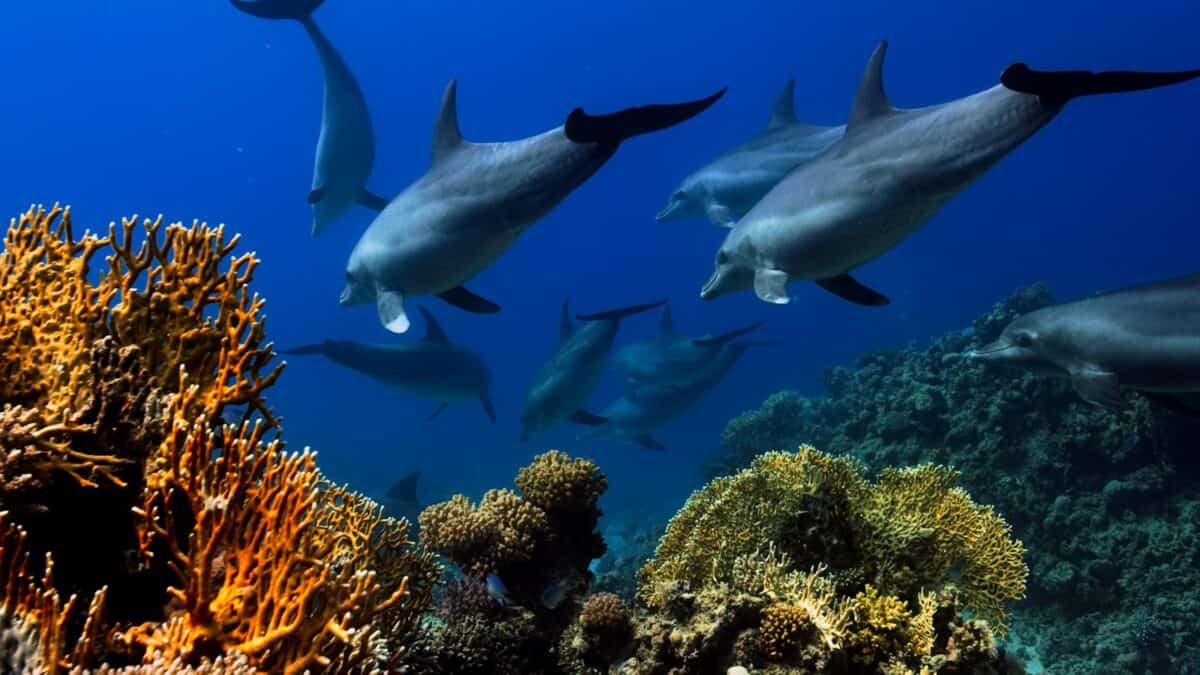
Dolphin populations in different geographical regions have been observed using different coral species for medicinal purposes, suggesting local adaptations to available resources. In the Red Sea, Indo-Pacific bottlenose dolphins frequently use gorgonian corals (Rumphella aggregata) and leather corals (Sarcophyton sp.). Meanwhile, bottlenose dolphins in the Caribbean have been observed rubbing against different coral species and marine sponges that are prevalent in that region. These regional variations demonstrate dolphins’ remarkable ability to identify useful medicinal resources within their local environment. Some researchers have suggested that these differences might constitute unique cultural practices among different dolphin communities—similar to how human traditional medicine varies among cultures based on locally available plants and other natural resources. The specific coral species used may also reflect the particular skin challenges dolphins face in different marine environments, with varying pathogens, parasites, and environmental conditions requiring different medicinal compounds. This regional specialization highlights the depth of dolphins’ knowledge about their environment and further emphasizes the importance of protecting diverse marine ecosystems.
Coral Reefs as Natural Pharmacies
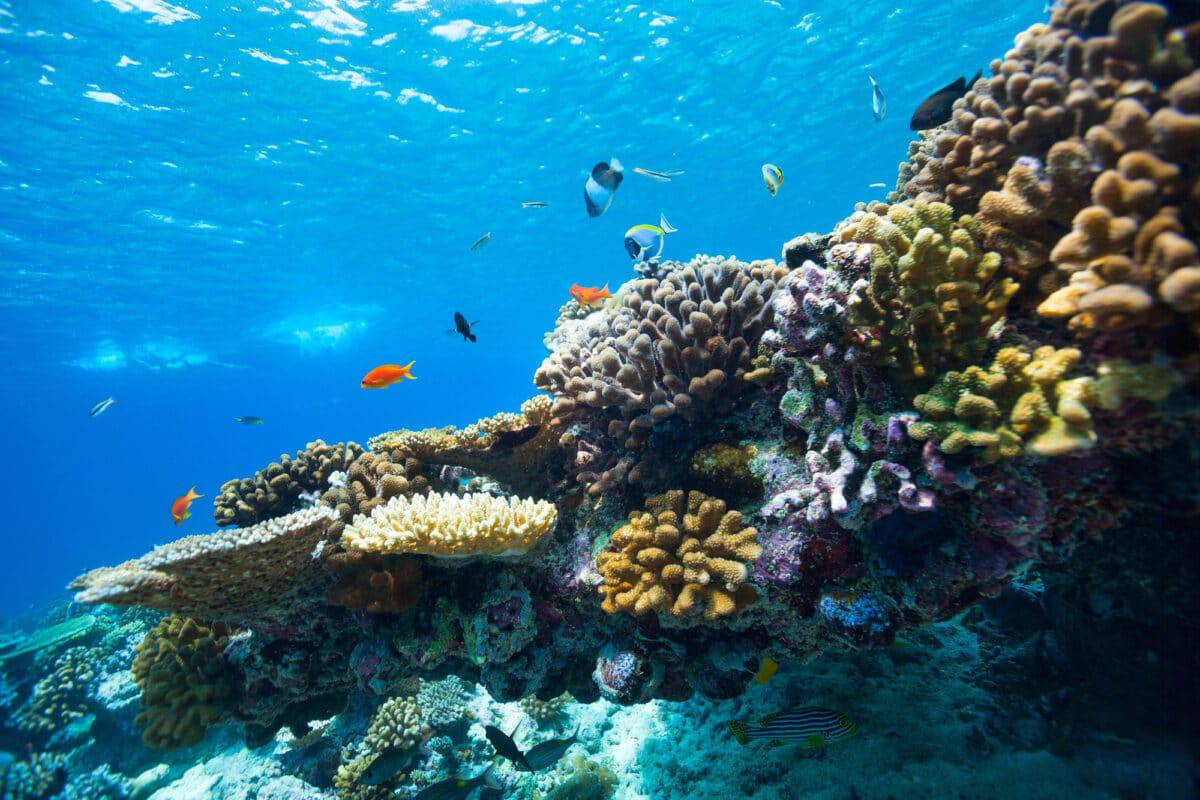
Dolphins’ medicinal use of coral highlights the broader importance of coral reefs as natural pharmacies for marine life. Coral reef ecosystems are among the most biodiverse on the planet, housing approximately 25% of all marine species despite covering less than 1% of the ocean floor. This biodiversity extends to biochemical diversity—coral reefs produce thousands of unique compounds with potential medicinal properties. Many of these compounds have evolved as chemical defenses against predators, competitors, or infections, but serve secondary purposes as medicines for reef-associated animals. Beyond dolphins, researchers have observed other marine species including certain fish and invertebrates rubbing against corals or sponges, suggesting wider use of these natural medicines throughout marine ecosystems. Unfortunately, coral reefs face unprecedented threats from climate change, ocean acidification, pollution, and destructive fishing practices. The loss of coral reefs would not only impact dolphin populations but could also mean the loss of countless undiscovered compounds with potential benefits for wildlife and human medicine, making coral conservation efforts all the more vital.
Implications for Human Medicine
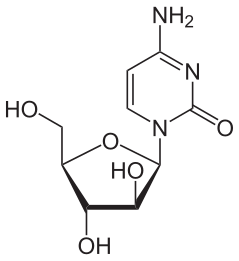
The discovery of dolphins using coral for medicinal purposes has significant implications for human medicine and pharmacology. By observing which coral species dolphins select and analyzing their chemical properties, researchers may identify new bioactive compounds with pharmaceutical potential. The marine environment, particularly coral reefs, has already provided numerous compounds used in human medicine. For example, Ara-C (cytarabine), derived from a Caribbean sea sponge, is used to treat certain leukemias and lymphomas. Ziconotide, a pain medication derived from cone snail venom, is another successful marine-derived pharmaceutical. The specific corals and sponges used by dolphins contain compounds with anti-inflammatory, antibacterial, antifungal, and antiviral properties that could potentially be developed into new medications. Additionally, understanding how these compounds work together in natural combinations may inspire new approaches to treating conditions like antibiotic-resistant infections or chronic skin diseases. As researchers continue to study dolphin behavior and coral chemistry, we may uncover valuable insights that bridge the gap between traditional animal knowledge and modern medicine, potentially leading to breakthrough treatments for human ailments.
Conservation Challenges and Importance
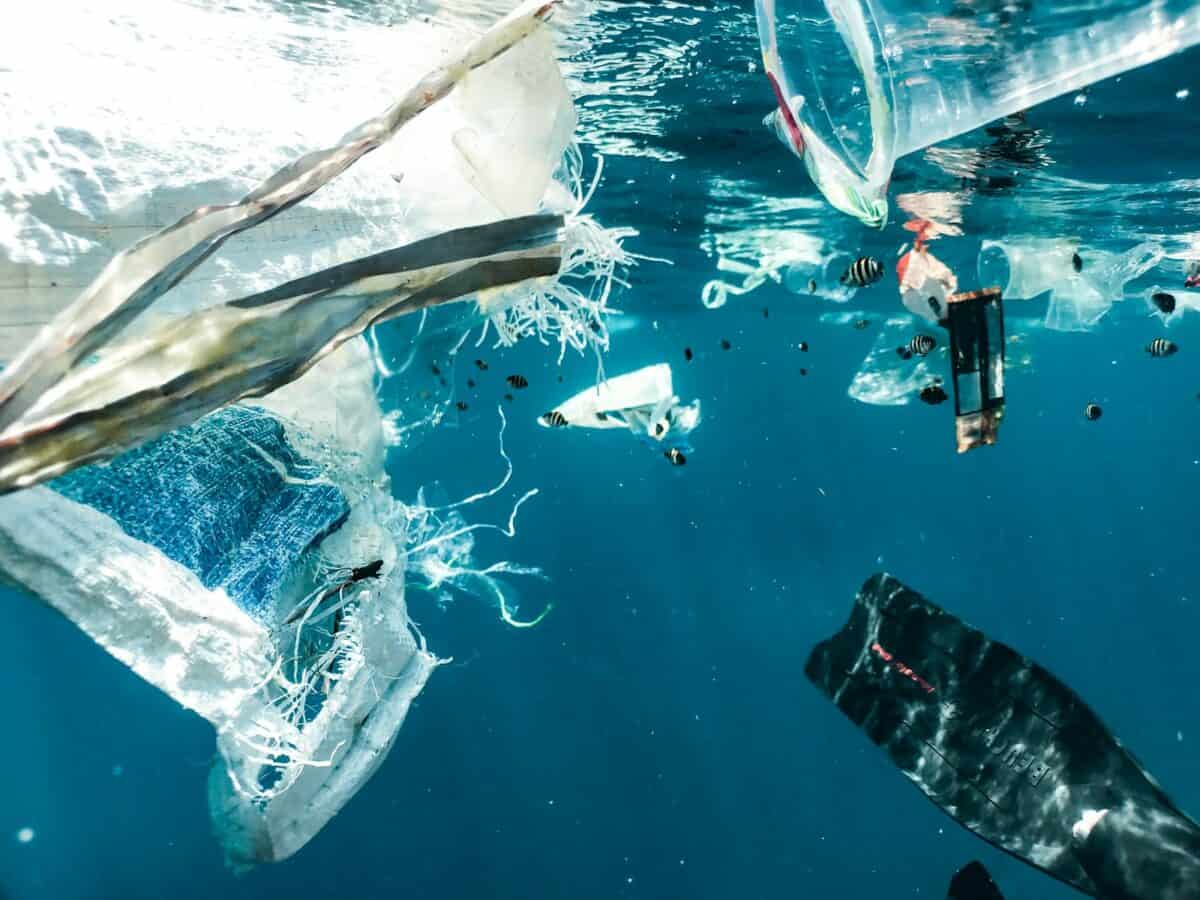
The medicinal relationship between dolphins and corals faces serious threats from human activities and environmental changes. Coral reefs worldwide are declining due to climate change, with rising ocean temperatures causing devastating coral bleaching events. Ocean acidification, a direct result of increased atmospheric carbon dioxide, weakens coral skeletons and inhibits reef growth. Coastal development, pollution, and destructive fishing practices further damage these delicate ecosystems. These threats not only endanger the corals themselves but also disrupt the complex relationships they have with marine species like dolphins. If specific medicinal coral species disappear, dolphins lose access to their natural pharmacy, potentially impacting their health and survival. Additionally, the bioactive compounds found in corals could be lost before scientists have the opportunity to study them fully. This dolphin-coral relationship provides a compelling conservation narrative that highlights the interconnectedness of marine ecosystems and the often invisible but crucial services they provide. It underscores why conservation efforts must focus not just on charismatic species like dolphins but on protecting entire ecosystems and the complex relationships they contain.
The discovery of dolphins using coral for medicinal purposes represents one of nature’s most profound examples of animal intelligence and adaptation. This behavior demonstrates not only dolphins’ remarkable cognitive abilities but also the deep interconnectedness of marine ecosystems. As we continue to study this phenomenon, we gain insights into both dolphin society and the untapped pharmacological potential of coral reefs. The medicinal relationship between dolphins and corals reminds us that intelligence and culture are not uniquely human traits, and that solutions to health challenges often already exist in the natural world. Perhaps most importantly, this extraordinary example of natural medicine serves as a powerful argument for marine conservation, underscoring that when we protect coral reefs and dolphin habitats, we’re preserving not just species but ancient knowledge systems and potential medicines that may one day benefit our own species as well.
Worried about unexpected vet bills?
Pet insurance can cover thousands in unexpected vet costs. Get a free quote from Lemonade in under 2 minutes.
Get My Free Quote →Sponsored · Opens Lemonade.com

- 23 Unusual Pets That Are Surprisingly Legal - June 5, 2026
- 23 Deadliest Sea Creatures Lurking Beneath the Surface - June 5, 2026
- Animals of the Appalachian Mountains You’ve Never Seen - June 5, 2026