


The Appalachian Mountains, stretching from Alabama to Canada, form one of North America’s most biologically diverse regions. While black bears and white-tailed deer might dominate popular imagery of Appalachian wildlife, the ancient mountain range harbors countless secretive species that most visitors never encounter. Hidden within rhododendron thickets, beneath rotting logs, or deep within limestone caves lies a world of remarkable creatures that have adapted to the unique ecosystems of these ancient mountains. Many of these animals remain largely unknown to the general public, despite playing crucial roles in maintaining the ecological balance of this remarkable mountain system. Let’s explore some of the most fascinating yet seldom-seen inhabitants of the Appalachian wilderness.
The Elusive Appalachian Hellbender
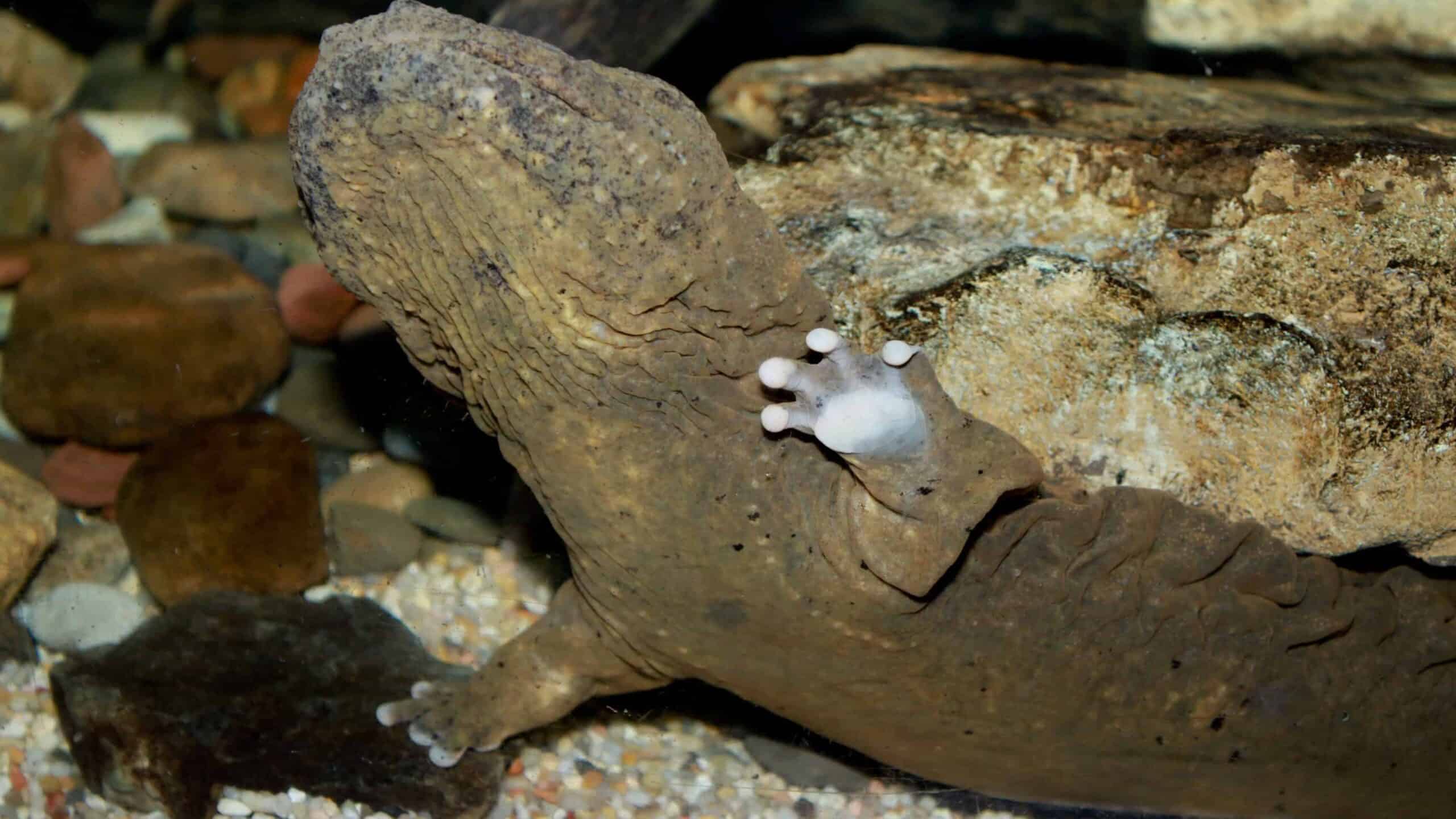
Among North America’s most prehistoric-looking creatures, the Appalachian hellbender (Cryptobranchus alleganiensis) is a giant salamander that can reach lengths of over two feet, making it the continent’s largest amphibian. These flat-bodied aquatic creatures have remained virtually unchanged for millions of years, earning them the nickname “snot otters” due to their slimy skin secretions. Despite their intimidating appearance and folk names like “devil dog” and “mud-devil,” hellbenders are completely harmless to humans. They breathe primarily through their skin, requiring the cold, fast-moving, oxygen-rich streams of the Appalachians to survive. Unfortunately, hellbender populations have declined by about 80% in recent decades due to water pollution, sedimentation, and habitat destruction, making sightings increasingly rare even for dedicated naturalists.
The Northern Flying Squirrel’s Nocturnal Glides

The northern flying squirrel (Glaucomys sabrinus) represents one of the Appalachians’ most enchanting yet seldom-observed mammals. Unlike the more common southern flying squirrel found in lower elevations, the northern species inhabits high-elevation spruce-fir and northern hardwood forests, primarily in the central and northern Appalachians. These nocturnal gliders don’t actually fly but use a furry membrane called a patagium that stretches between their front and back legs, allowing them to glide distances of up to 150 feet between trees. Their large, dark eyes are perfectly adapted for night vision, while specialized foot pads provide excellent grip for landing. Conservation concerns have mounted for the species as climate change threatens their cool, moist forest habitats, particularly in the southern portions of their range where populations are already isolated and fragmented.
The Mysterious Eastern Hellbender Salamander
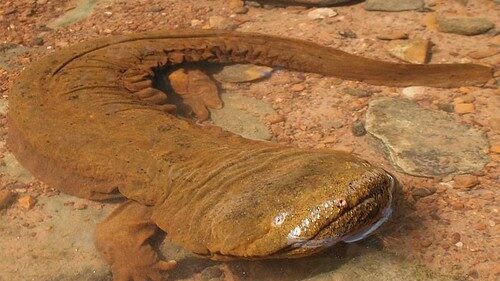
Often confused with the Appalachian hellbender, the Eastern hellbender salamander (Cryptobranchus alleganiensis alleganiensis) is actually a subspecies with specific adaptations to the eastern portion of the Appalachian range. These remarkable creatures can live up to 30 years in the wild and communicate through a complex system of chemical signals in the water. Scientists have discovered that hellbenders have remained genetically similar to their ancestors from over 160 million years ago, making them living fossils that predate many dinosaurs. They serve as important bioindicators of stream health, as their permeable skin makes them highly sensitive to environmental pollutants. Researchers tracking hellbender populations have found that individuals rarely travel more than a few hundred yards from their home territories throughout their entire lives, demonstrating remarkable site fidelity in their cool, rocky stream habitats.
The Secretive Appalachian Brook Crayfish

The Appalachian brook crayfish (Cambarus bartonii) thrives in the cold, clear headwater streams that cascade down Appalachian slopes, yet remains largely unseen by casual observers. These diminutive crustaceans typically reach only 3-4 inches in length and display colors ranging from olive-brown to rusty orange, helping them blend perfectly with stream bottoms. Unlike their swamp-dwelling cousins, these mountain specialists require exceptionally clean, oxygen-rich waters to survive. They play a crucial ecological role as stream cleaners, processing leaf litter and other organic matter while serving as food for numerous predators including hellbenders, fish, and birds. Remarkably adapted to their environment, these crayfish can even survive in temporary streams that dry partially during summer months by digging complex burrows that reach the water table, creating small chambers where they wait for water levels to rise again.
The Well-Camouflaged Timber Rattlesnake
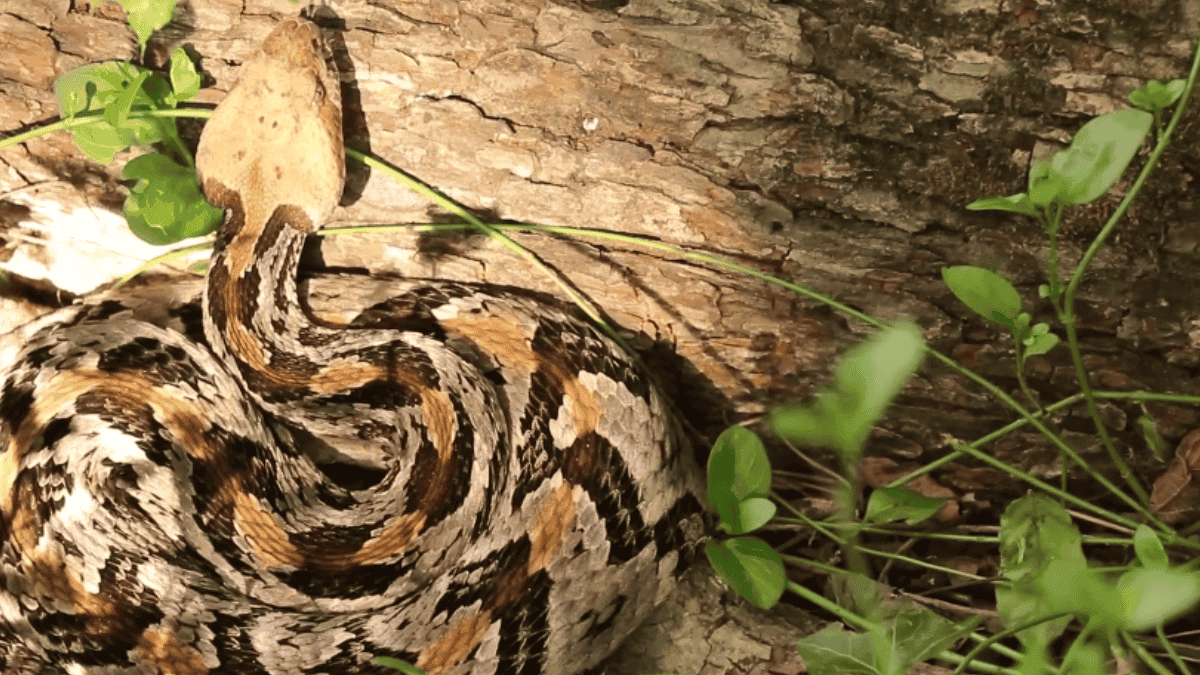
The timber rattlesnake (Crotalus horridus) represents one of the Appalachians’ most misunderstood and seldom-encountered reptiles. These masters of camouflage blend perfectly with the forest floor thanks to their complex pattern of dark crossbands over a yellow, brown, or gray background. Despite potentially reaching lengths of five feet, timber rattlesnakes remain incredibly difficult to spot, even when they’re just feet away from hikers. They typically avoid human encounters, preferring to remain motionless rather than strike when disturbed. These snakes play a vital ecological role by controlling rodent populations, including those carrying Lyme disease-transmitting ticks. Timber rattlesnakes face significant conservation challenges, with specialized habitat requirements including specific overwintering dens (hibernacula) that they return to year after year, sometimes traveling several miles to reach them. Their slow reproduction rate—females only give birth every 3-5 years—makes populations particularly vulnerable to decline.
The Vanishing Carolina Northern Flying Squirrel
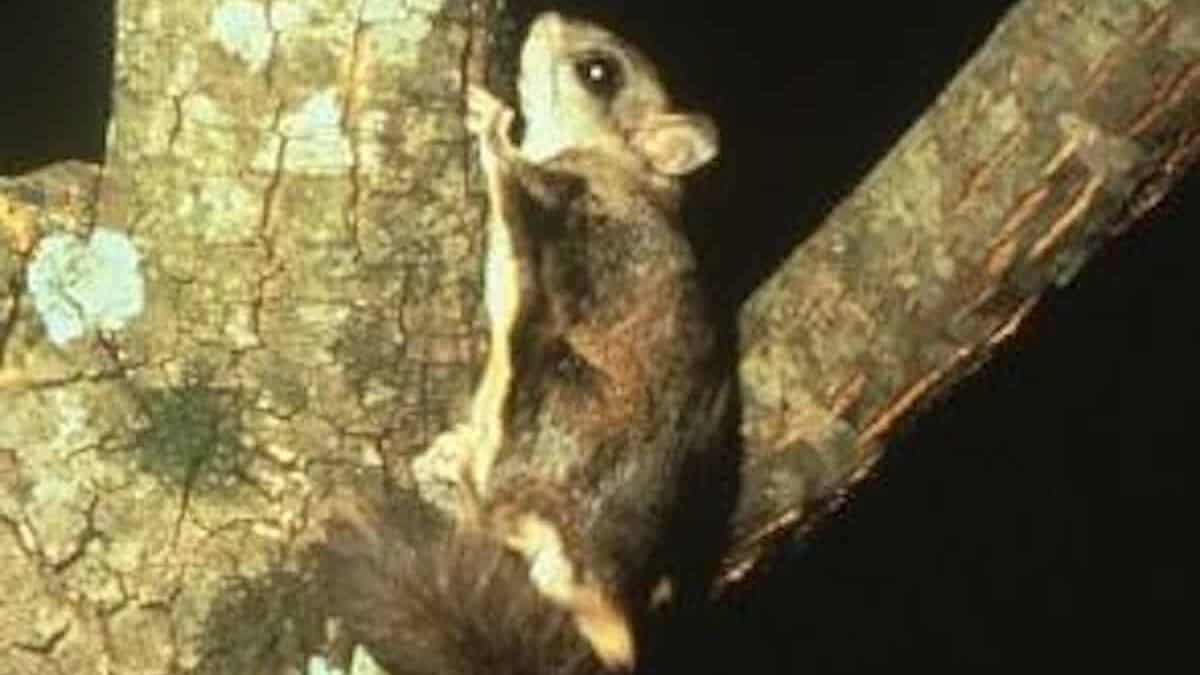
The Carolina northern flying squirrel (Glaucomys sabrinus coloratus) represents one of the Appalachians’ most endangered mammal subspecies, with fewer than 500 individuals remaining in the wild. Found only in the highest elevations of North Carolina, Tennessee, and Virginia, these nocturnal gliders depend on the region’s disappearing spruce-fir forest ecosystems. Unlike their more common southern cousins, these northern specialists have adapted to the unique challenges of high-elevation life, including developing denser fur and slightly larger bodies to conserve heat. They maintain complex social structures, often sharing nests with multiple individuals during winter months to preserve body heat. Their diet differs significantly from other squirrels, focusing heavily on fungi, particularly underground truffles, which they locate using their exceptional sense of smell. By consuming and dispersing fungal spores throughout the forest, these rare squirrels play a crucial role in maintaining forest health through mycorrhizal relationships between fungi and trees.
The Elusive Eastern Cougar Controversy
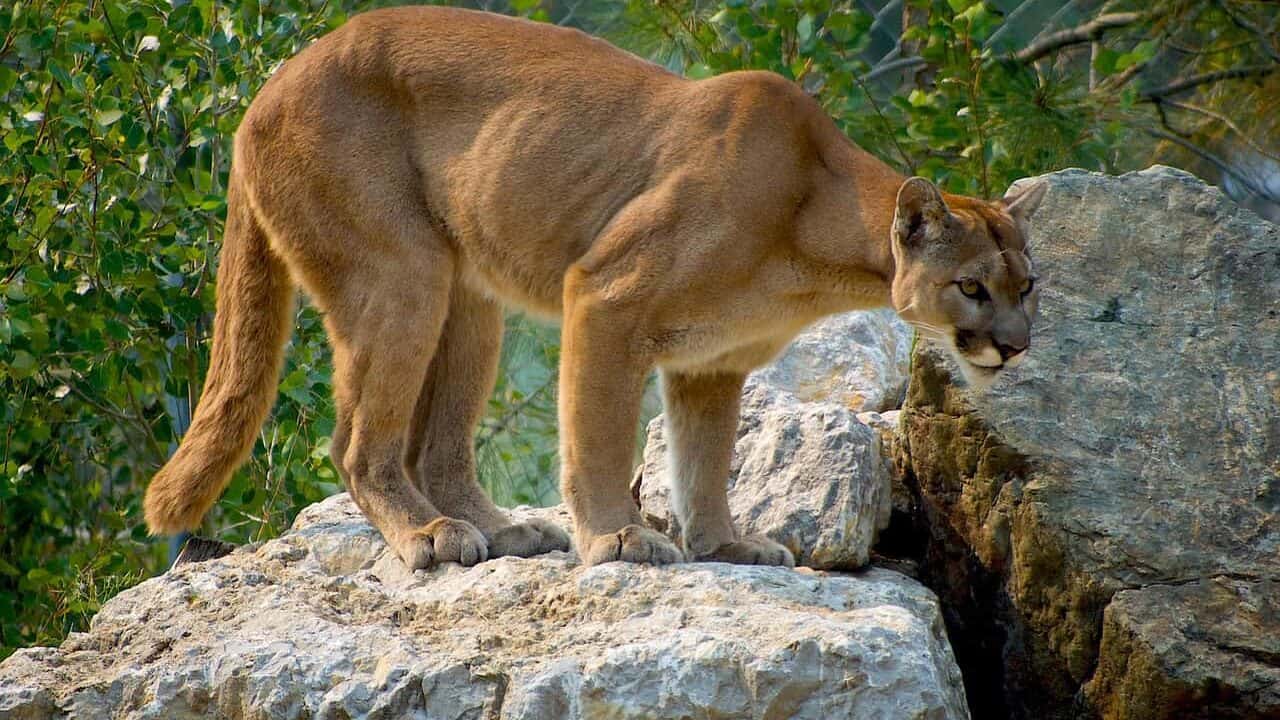
The eastern cougar (Puma concolor couguar) officially became extinct in 2018 when the U.S. Fish and Wildlife Service removed it from the endangered species list, declaring it extinct. However, persistent sightings throughout the Appalachian region continue to fuel debate about whether some individuals might still roam these mountains. Historically, these magnificent cats ranged throughout the eastern United States before habitat destruction and systematic hunting eliminated their populations by the early 20th century. While confirmed cougar sightings in the eastern United States are typically attributed to escaped captive animals or western cougars that have wandered far from their established range, some wildlife biologists remain open to the possibility that a small number of eastern cougars might have survived in the most remote sections of the Appalachian range. The mystery deepens with advances in DNA analysis and camera trap technology, which may eventually provide definitive answers about this controversial ghost cat.
The Rarely Seen Appalachian Cottontail
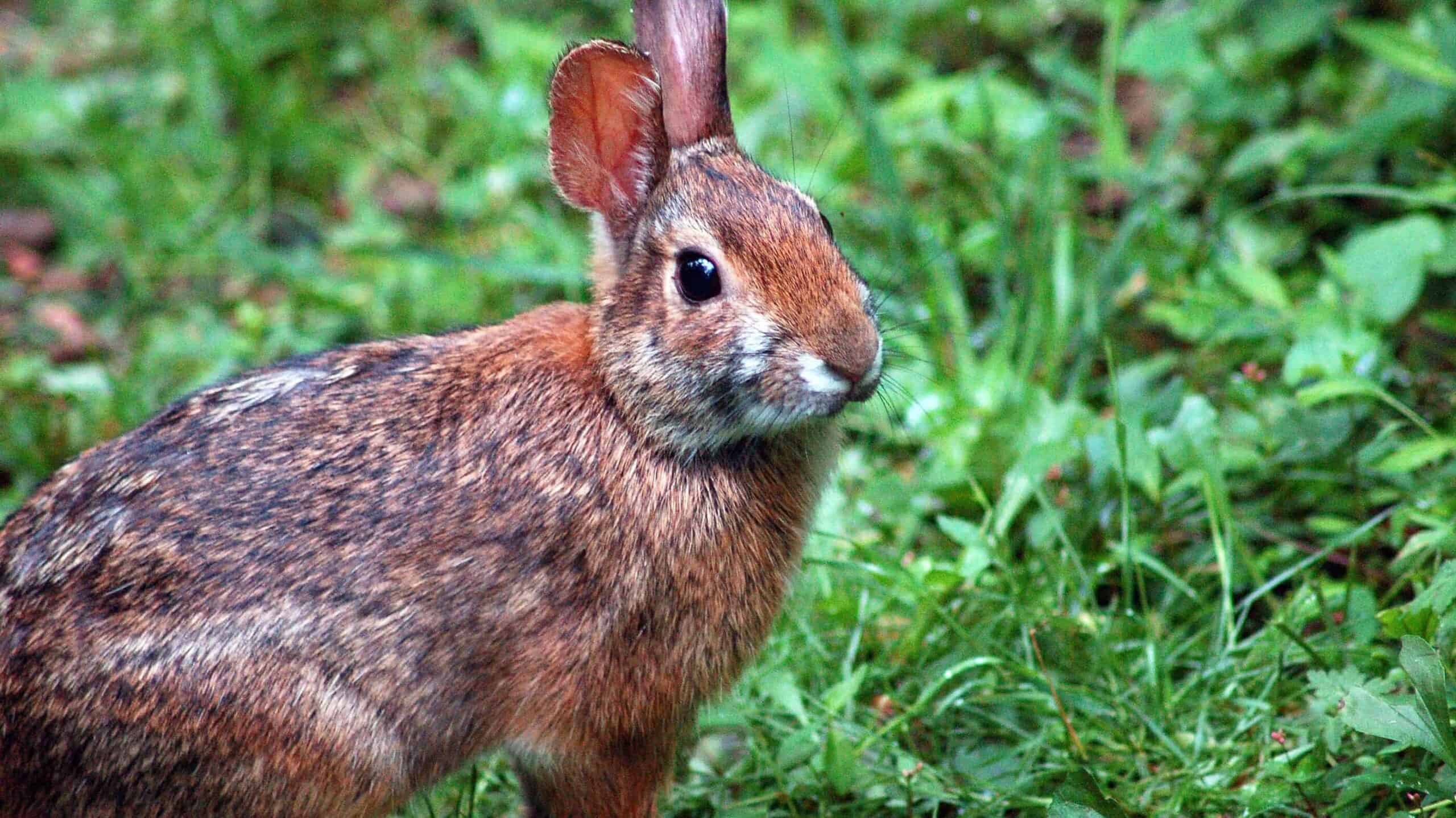
The Appalachian cottontail rabbit (Sylvilagus obscurus) remains one of the region’s most cryptic mammal species, often confused with the more common eastern cottontail but distinguished by its slightly smaller size, darker coat, and distinctive black patch between the ears. These specialized rabbits inhabit higher elevations, typically above 2,000 feet, preferring the dense understory of mountain forests with rhododendron thickets and plenty of woody debris for cover. Unlike their lowland relatives, Appalachian cottontails rarely venture into open areas, maintaining a highly secretive lifestyle that makes observation exceptionally difficult. Their population has declined significantly due to habitat fragmentation, competition with the more adaptable eastern cottontail, and changing forest composition. Research suggests these rabbits have remarkably specific dietary requirements, focusing on woody browse during winter months rather than adapting to agricultural landscapes like other rabbit species, making them particularly vulnerable to forest management changes.
The Secretive Eastern Spotted Skunk

The eastern spotted skunk (Spilogale putorius) has experienced one of the most dramatic population declines of any Appalachian mammal, with numbers dropping by more than 90% since the 1940s. Unlike their larger striped cousins, spotted skunks display complex patterns of white spots and stripes on a black background, providing excellent camouflage in dappled forest light. These diminutive predators, typically weighing less than two pounds, exhibit remarkable agility, even climbing trees to raid bird nests or escape predators. Before spraying their powerful defensive musk, spotted skunks perform a unique “handstand display,” balancing on their front paws with tail raised high—a warning behavior rarely witnessed by humans due to their nocturnal and secretive nature. They prefer rocky outcrops and dense brush in mixed hardwood forests, habitats that have become increasingly fragmented. Conservation efforts face challenges due to limited research on this species, with many aspects of their ecology and behavior remaining poorly understood.
The Mysterious Red Wolf’s Mountain History
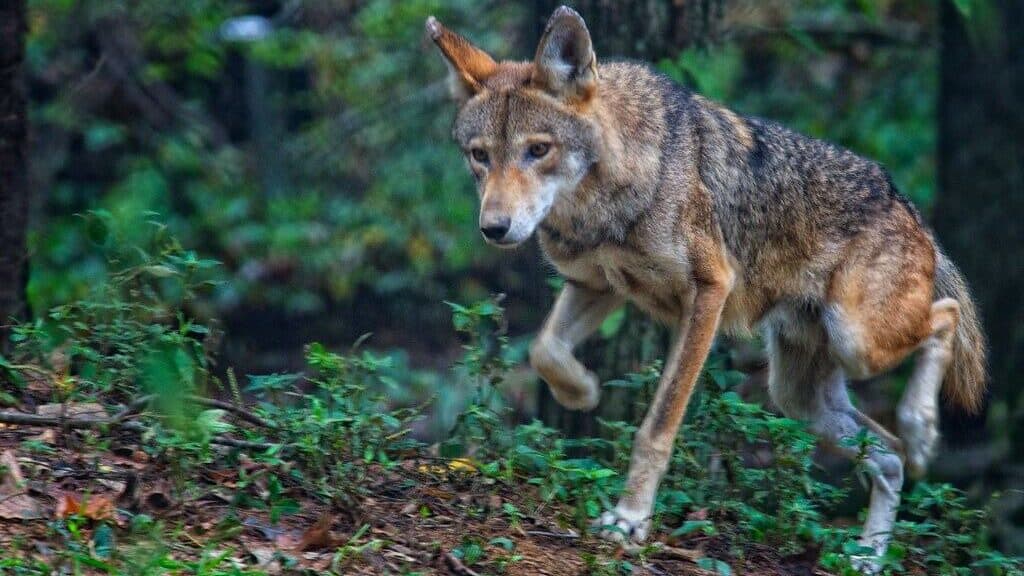
The red wolf (Canis rufus) once roamed throughout the Appalachian region before being driven to near-extinction by the mid-20th century. Smaller than gray wolves but larger than coyotes, these adaptable predators played a crucial role in maintaining ecological balance within Appalachian forests. The last wild red wolves were removed from the southern Appalachians in the 1970s for captive breeding, with subsequent reintroduction efforts focused primarily on eastern North Carolina rather than their historic mountain range. Genetic research has sparked ongoing scientific debate about whether red wolves represent a distinct species, a gray wolf-coyote hybrid, or an ancient North American wolf lineage. Some wildlife biologists have proposed that small, isolated populations might still exist in the most remote corners of the Appalachians, particularly in the border regions between North Carolina, Tennessee, and Georgia, though conclusive evidence remains elusive. The potential return of red wolves to portions of their historic Appalachian range remains a complex conservation question involving ecological, genetic, and social considerations.
The Enigmatic Eastern Woodrat
The eastern woodrat (Neotoma floridana), also known as the Appalachian packrat, lives a remarkably complex life largely hidden from human observation. These medium-sized rodents construct elaborate stick houses called middens that can reach several feet in height and diameter, often incorporating rocks, bark, leaves, and even human artifacts. Their meticulous nature and habit of collecting shiny objects have earned them the nickname “trade rats,” as they sometimes leave behind one item when taking another. Unlike common rats, woodrats are native to North America and play important ecological roles, including seed dispersal and creating habitat for other species within their complex nests. Particularly fascinating is their practice of decorating nest entrances with collections of bones, feathers, and colorful objects, arranged in patterns that some researchers believe may serve as territorial markers. In the Appalachians, they primarily inhabit rocky outcrops, cliffs, and boulder fields, often establishing communities that use the same middens for generations.
The Ghost-Like Snow Leopard Crayfish
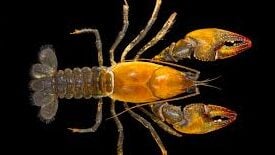
The snow leopard crayfish (Cambarus nerterius) represents one of the Appalachians’ most specialized and rarely observed creatures, dwelling exclusively in underground cave systems throughout West Virginia and parts of Virginia. These pale, almost translucent crustaceans have evolved in complete darkness, losing both pigmentation and eyes through evolutionary adaptation to their subterranean environment. They navigate using highly sensitive antennae and specialized sensory hairs that detect minute water currents and chemical signatures. Unlike surface-dwelling crayfish, snow leopard crayfish reproduce at an exceptionally slow rate, with females carrying eggs for nearly a year before they hatch, and young taking up to eight years to reach maturity—adaptations to the limited food resources available in cave ecosystems. They serve as important indicators of groundwater quality, as their permeable exoskeletons make them highly vulnerable to pollutants. Seeing these remarkable creatures requires specialized cave diving equipment and permits, as they inhabit some of the least accessible environments in the Appalachian region.
The hidden creatures of the Appalachian Mountains represent not just biological curiosities but crucial components of one of North America’s oldest and most complex ecosystems. Their continued survival faces unprecedented challenges from habitat fragmentation, climate change, invasive species, and water quality degradation. Conservation efforts for these secretive species require innovative approaches, including environmental DNA sampling, acoustic monitoring, and citizen science initiatives that help track populations without direct observation. The biological diversity of the Appalachians took millions of years to develop but could be lost within generations without committed conservation action. By protecting these seldom-seen animals and the habitats they depend on, we preserve not just individual species but the ecological integrity of an irreplaceable mountain ecosystem that has shaped American natural history since before human arrival on the continent.

- Wildlife Mysteries That Took Decades to Solve - July 21, 2026
- The Largest Python Ever Captured in Florida’s Everglades - July 21, 2026
- How Crickets Chirp Using Their Wings - July 20, 2026