
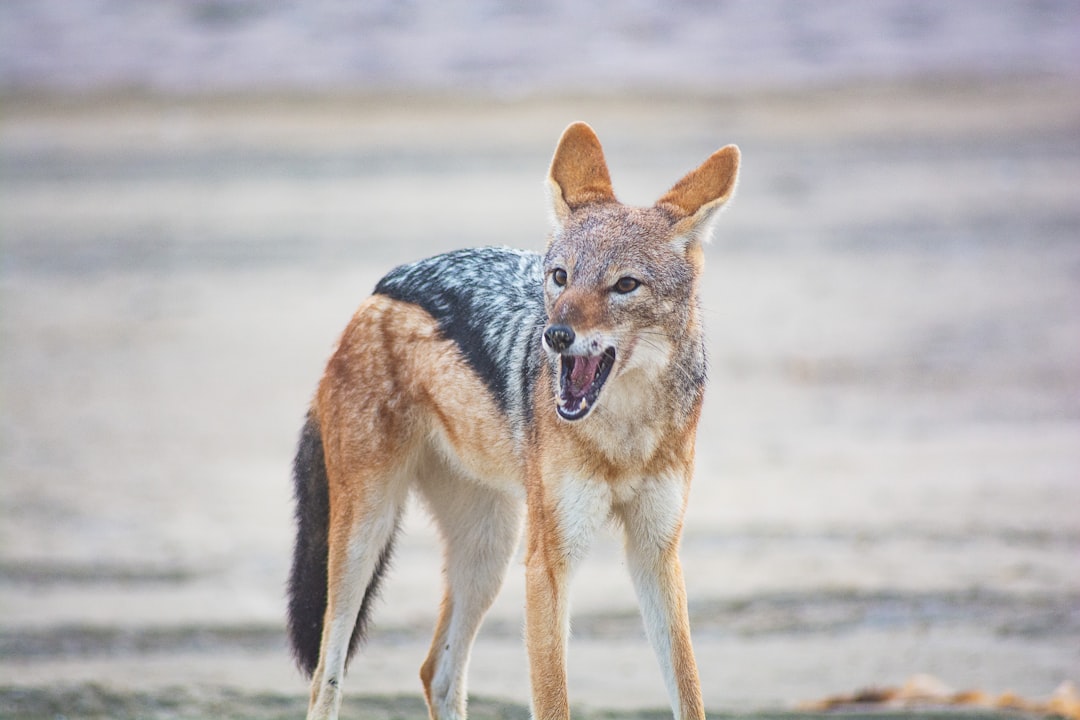
Picture this: You’re walking through the wilderness when a flash of golden fur disappears behind a rock. Was that a coyote watching you? In Native American folklore, coyotes aren’t just clever predators – they’re cunning tricksters who blur the lines between hero and villain. Their intelligence, adaptability, and mischievous nature make them perfect candidates for Disney’s gallery of memorable antagonists.
Real coyotes possess an almost supernatural ability to survive and thrive in any environment. They’re master manipulators who use their wits instead of brute force, much like the most compelling Disney villains who rely on cunning schemes rather than raw power. So let’s dive into which iconic Disney villains these clever canines would embody if they traded their wilderness home for animated infamy.
Scar – The Cunning Usurper with a Hunger for Power
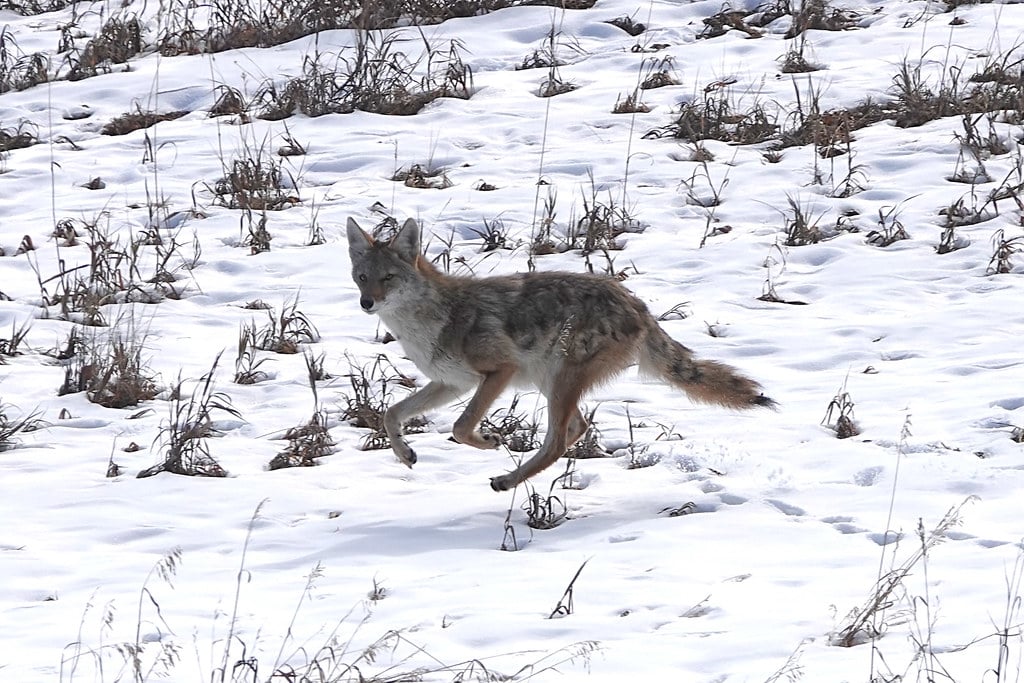
Coyotes are natural tricksters and incredibly cunning, traits that make them sneaky and clever, just like Scar from The Lion King. Coyote is greedy, vain, foolish, cunning and also occasionally displays a degree of power, which mirrors Scar’s complex personality perfectly.
Scar is intelligent and knows which battles to pick, using his cleverness to gain pity and mercy from those he wants to manipulate. Similarly, coyotes use supernatural trickery to outwit their enemies, relying on intelligence rather than physical strength. Both characters understand that sometimes the smartest move is to appear weak while secretly plotting their next strategic maneuver.
Jafar – The Master Schemer Who Never Gives Up
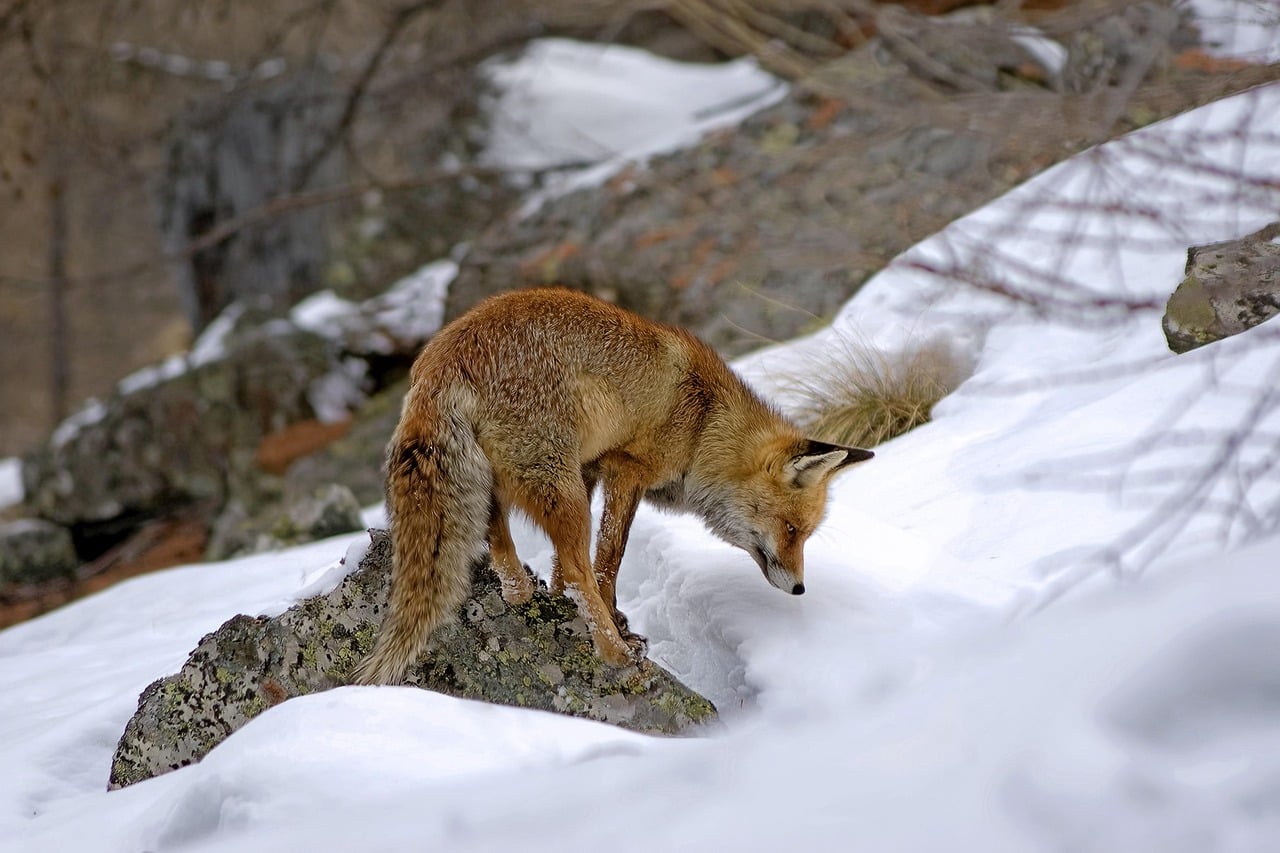
Coyotes use all manner of gadgets to try to catch their prey with unequaled persistence, and they’re also geniuses, making them perfect matches for Jafar’s elaborate plotting style. Jafar uses cunning tricks and smart, scary moves to get his way, much like how coyotes approach their survival challenges.
The persistence factor is crucial here. Wile E. Coyote causes his own plans to backfire because he did not plan out potential consequences, yet he never stops trying – exactly like Jafar’s repeated attempts to gain ultimate power. Both possess that relentless determination that borders on obsession.
Ursula – The Charismatic Deal-Maker
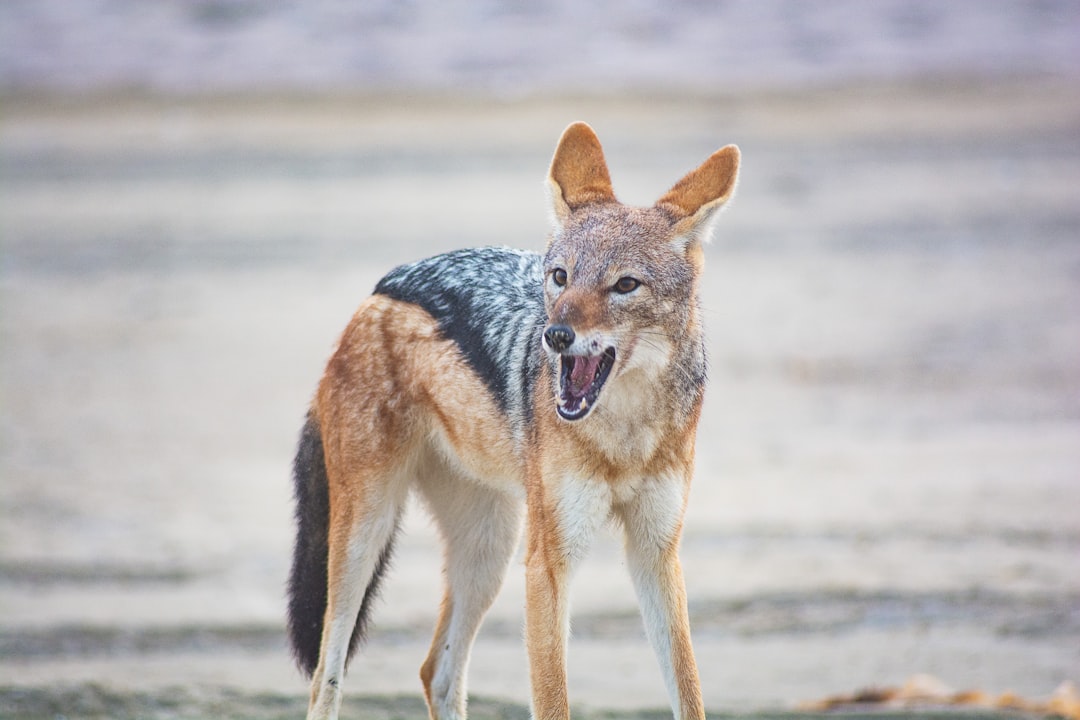
Ursula is opportunistic, charismatic, and thrives on manipulation with bold schemes and adaptability that perfectly mirrors coyote behavior. Coyotes are shy animals who do not approach danger willingly, unless another animal looks like dinner, showing their calculated approach to risk-taking.
Ursula is evil just because she wants power, and you can tell she’ll do what she needs to get it. This matches the coyote’s opportunistic nature perfectly. They both excel at reading situations and exploiting weaknesses in others, whether it’s Ariel’s desperation or a smaller animal’s vulnerability.
Maleficent – The Intelligent Strategist
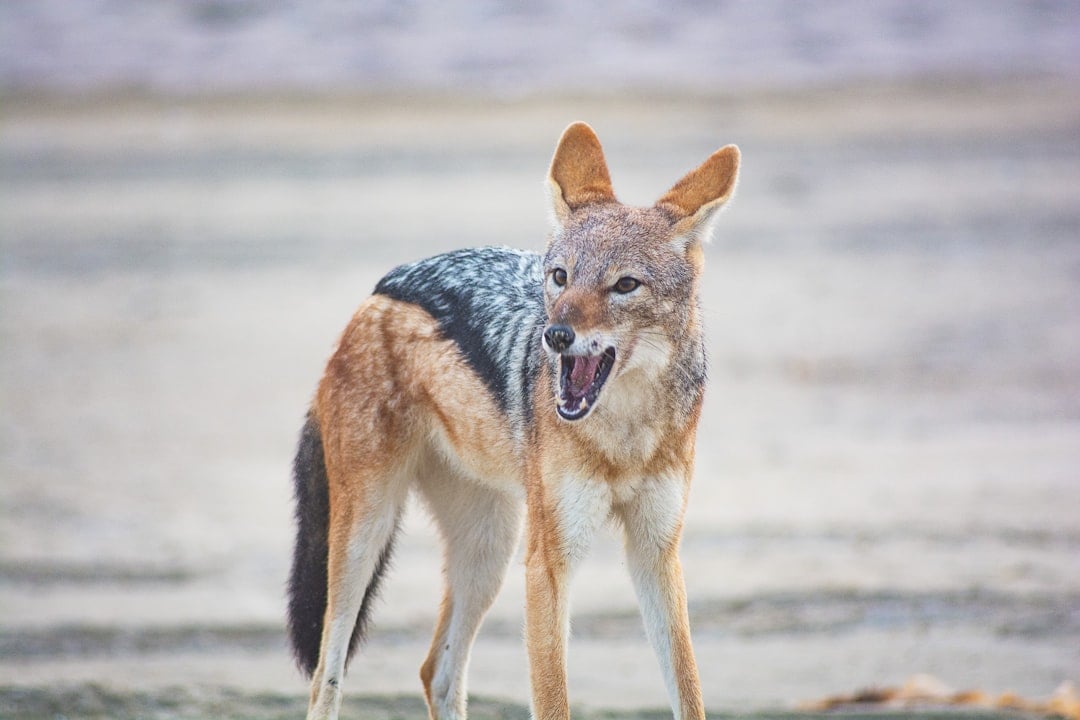
Maleficent is strategic, independent, and highly intelligent with meticulous planning that aligns with analytical nature. Coyotes can be tricksters, teasers, adventuresome, curious, intrepid, bossy, wary, patient, and persistent – qualities that define Maleficent’s complex personality.
The patience aspect is particularly striking. Maleficent uses cunning tricks and has magical powers, making her elegant, dramatic and powerful. Coyotes display similar strategic patience, waiting for the perfect moment to strike or execute their carefully planned schemes.
Dr. Facilier – The Smooth-Talking Shadow Man
Dr. Facilier is charismatic yet devious, and can charm others over even though he openly calls himself a sinner. Coyotes became known for their ability to trick others to advance their own agenda, with some Native Americans believing coyote illustrated our own selfish flaws.
Dr. Facilier was just fun and is initially presented as a kind and misunderstood magician, similar to how coyotes can appear harmless or even helpful before revealing their true intentions. Both characters possess that dangerous charm that makes their victims willing participants in their own downfall.
Captain Hook – The Cunning Gentleman Villain
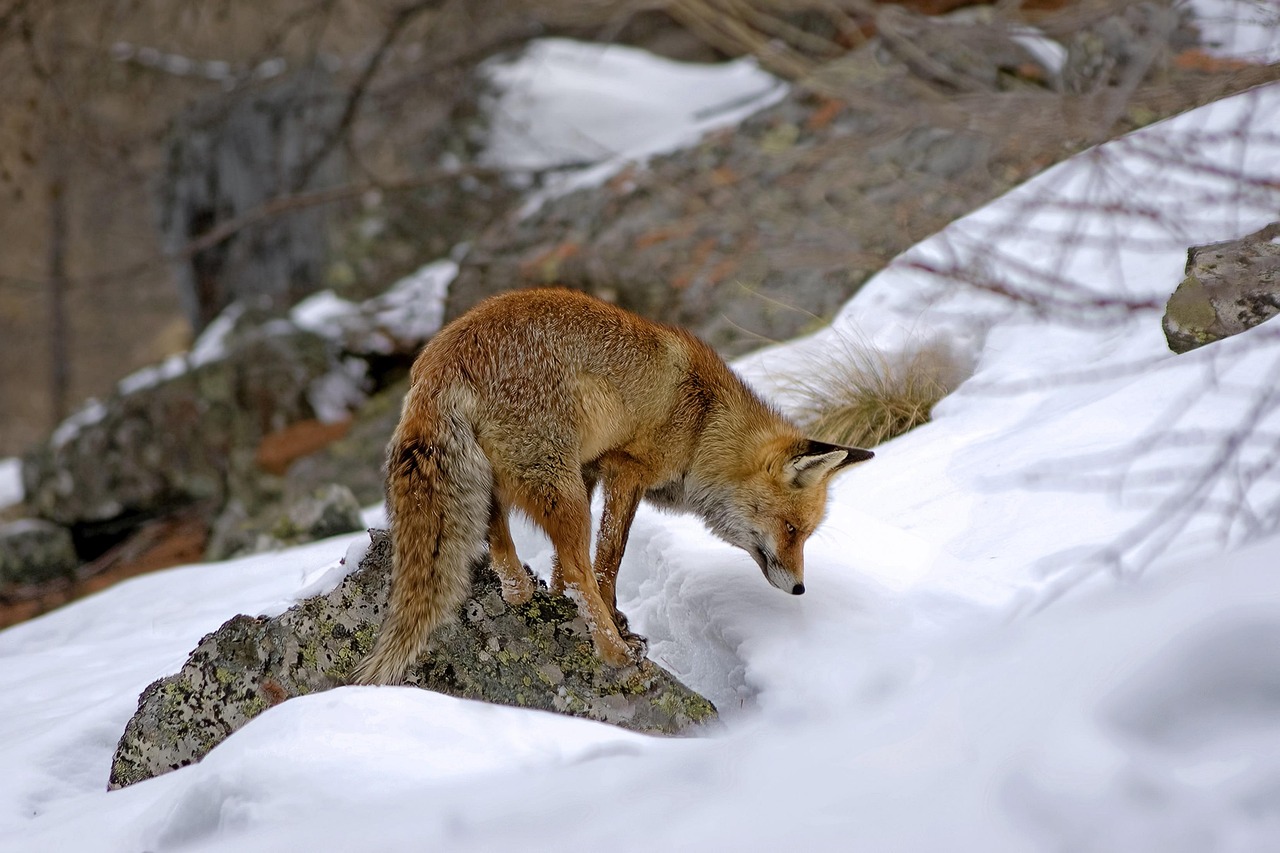
Captain Hook is cunning and shifty while also charming and a gentleman by nature, finding devious loopholes in promises. Coyotes employ clever ruses to escape danger or outsmart adversaries, creating chaos that ultimately leads to unexpected harmony.
The gentleman aspect shouldn’t fool anyone – both Hook and coyotes know how to present themselves as sophisticated when it serves their purposes. They’re masters of misdirection who can switch from charming to threatening in an instant, always keeping their opponents guessing about their true intentions.
Yzma – The Underestimated Genius
Yzma is an expert in potions and alchemy, creative and ingenious, hatching elaborate plots and schemes to trap her enemies. INTP villains are intelligent and resourceful, often underestimated and reserved, seeing possibilities others are blind to – perfectly describing coyote intelligence.
Yzma is a woman of strength, purpose, and intelligence who would’ve made a phenomenal queen, dabbling in dark magic between biting quips. Coyotes share this combination of intelligence and unconventional methods, often succeeding where larger, stronger predators fail through sheer cleverness and adaptability.
Hades – The Fast-Talking Lord of Chaos
Hades has witty fast-talking ways and a very short temper, capturing both comic relief and sinister villain traits. Coyote is a shadowy figure that can be funny or fearsome, greedy, vain, foolish, cunning – making them natural matches for Hades’ volatile personality.
Hades is funny, peppy, and hotheaded with iconic one-line quips, much like how coyotes in folklore are often portrayed as both comedic and dangerous. Both characters embody that unpredictable nature that keeps everyone around them on edge, never knowing whether they’ll be helpful or harmful.
Gaston – The Overconfident Bully
Gaston is a bonafide moron and poster child for the patriarchy, but he’s also the victim of the same system he believes is on his side. Coyote figured he could get the longest bow if he was first in line but fell asleep, and the animals laughed at him – showing how overconfidence leads to failure.
The overconfidence factor is crucial here. Both Gaston and coyotes in folklore often fail because they overestimate their abilities or underestimate their opponents. Yet this very trait also makes them persistent – they bounce back from failures with renewed determination, convinced that next time will be different.
Mother Gothel – The Manipulative Caretaker
Mother Gothel uses charm, drama, and emotional manipulation to retain control, thriving on attention and employing guilt and flattery. Some coyotes attempt hyperactive interaction and attention-seeking behavior when around calm human presence, showing their manipulative social skills.
Mother Gothel’s inability to form genuine relationships, coupled with intense fear of aging and loss, reveals deep insecurity obscured by flamboyance and cruelty. Coyotes display similar emotional manipulation tactics, appearing needy or helpless when it serves their purposes, then revealing their true predatory nature once they’ve gained trust.
The Trickster Legacy Lives On
The connection between coyotes and Disney villains runs deeper than surface-level cunning. In many stories coyotes are major sacred characters with divine creative powers; in others they are malevolent and often comical tricksters, sometimes combining both roles. This duality perfectly captures what makes Disney villains so memorable and compelling.
Disney villains are often charismatic, intelligent, and even humorous, possessing charm that makes them difficult to hate completely, drawn to their defiance, audacity, and refusal to be confined by rules. Similarly, coyotes inspire many with their image as symbols of perseverance, teaching lessons about survival and adaptability even when they’re being mischievous.
Whether they’re plotting elaborate schemes like Jafar or charming their way out of trouble like Dr. Facilier, coyotes embody the essence of what makes a great Disney villain: intelligence, persistence, and that spark of unpredictability that keeps us watching. They remind us that sometimes the most dangerous opponents are the ones who make us laugh – right before they outsmart us completely.
What do you think about these cunning connections? Which Disney villain do you think captures the coyote spirit best? Tell us in the comments.
