
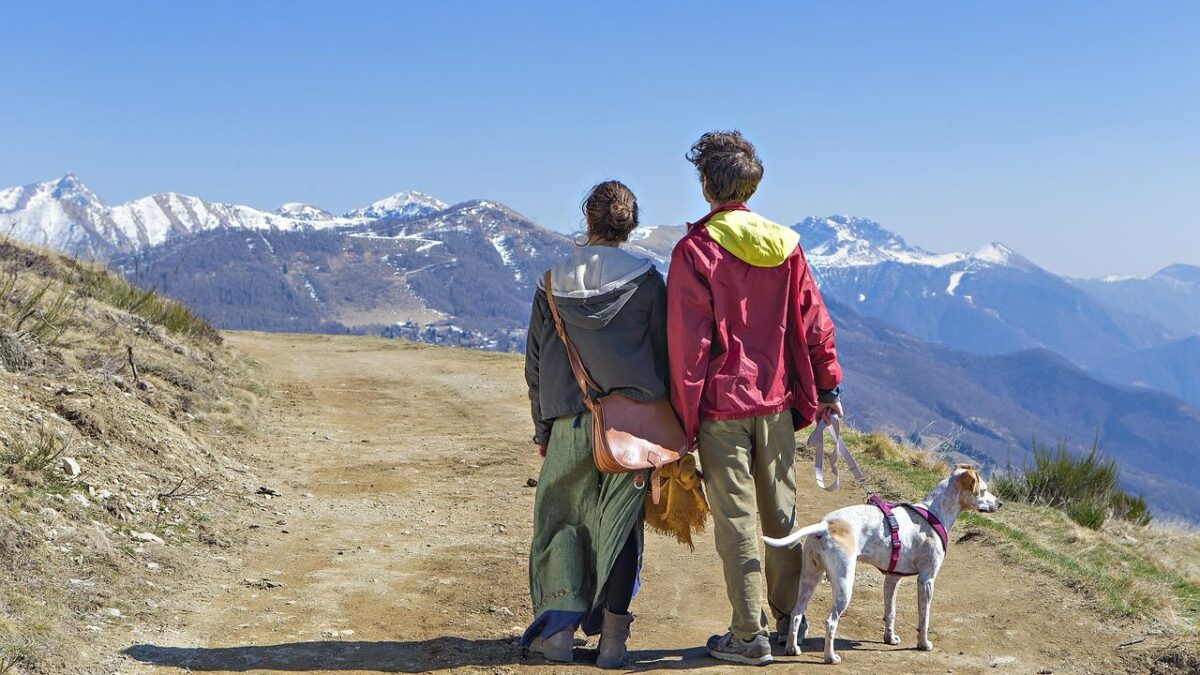
There’s something quietly radical about choosing a mountain village over a city. Most people move toward noise, opportunity, and the comfort of convenience. The person who turns uphill, toward narrow roads, cold winters, and skies full of stars – that person is working from a different set of values altogether.
Psychologists and researchers have spent years trying to understand exactly what draws certain people to elevated terrain. What they’ve found is genuinely interesting. Your choice of landscape is not just aesthetic. It may be one of the most honest signals your personality sends to the world.
#1: You’re Wired for Solitude – and You’ve Made Peace With That
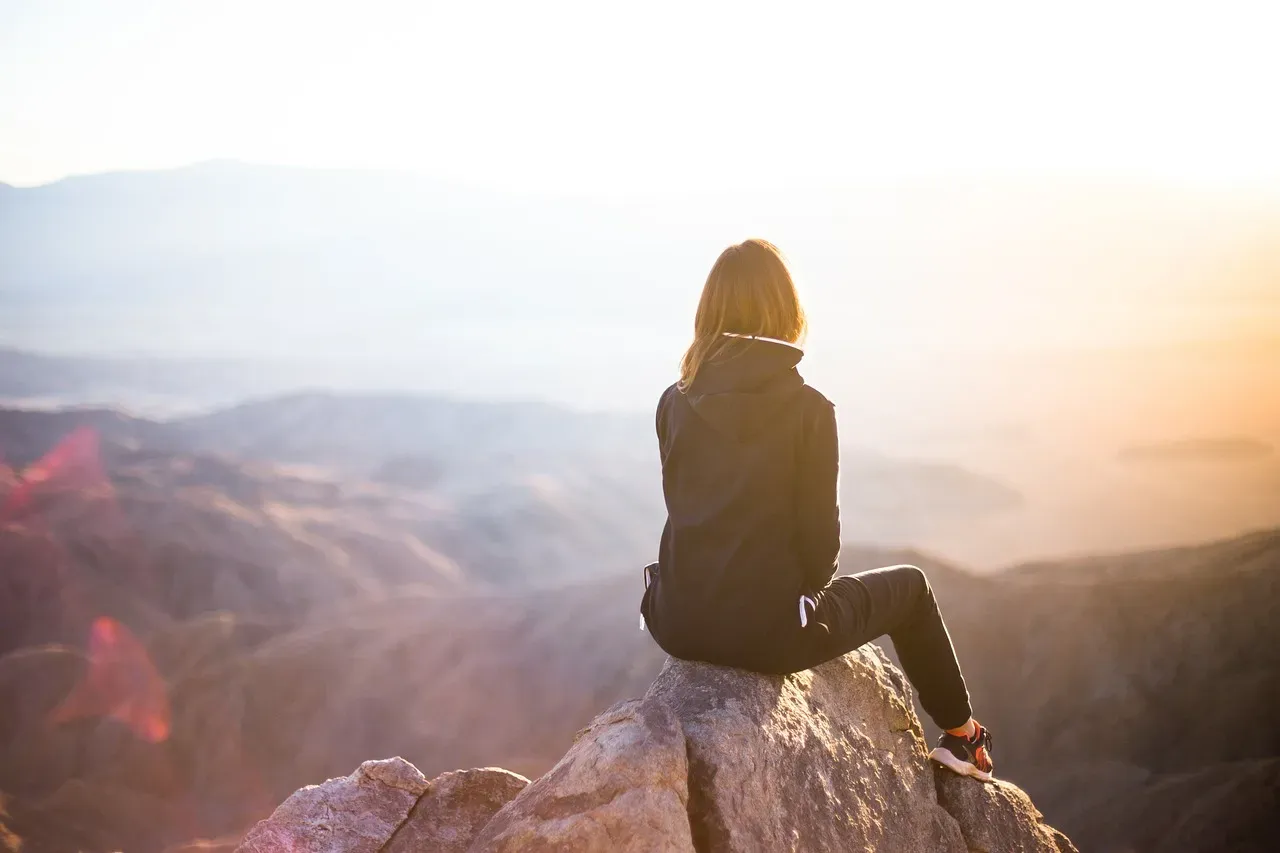
Researchers have found a compelling link between introversion and a preference for mountains. Studies showed that introverts prefer mountains more than extraverts, that when people want to be alone they tend to prefer mountains, and that people who live in mountainous states are more introverted than people in flat states. This isn’t a flaw or a deficiency. It’s a personality architecture that simply works better in quieter settings.
Participants in research studies perceived wooded and secluded terrain to be calmer, quieter, and more peaceful. In contrast, those in flat or open conditions perceived the terrain to be more sociable, exciting, and stimulating. The mountain village isn’t running away from the world. It’s running toward the specific conditions where a certain kind of person actually thrives.
Research found that extraverts are high in need for affiliation – the need to greet, join, and live with others – and high in need for exhibition, while introverts are low in both. For the mountain dweller, that distinction matters daily. The peace of a morning hike, an afternoon with no appointments, an evening with no crowds – these aren’t deprivations. They’re the whole point.
#2: You Have a Rare Openness to Experience
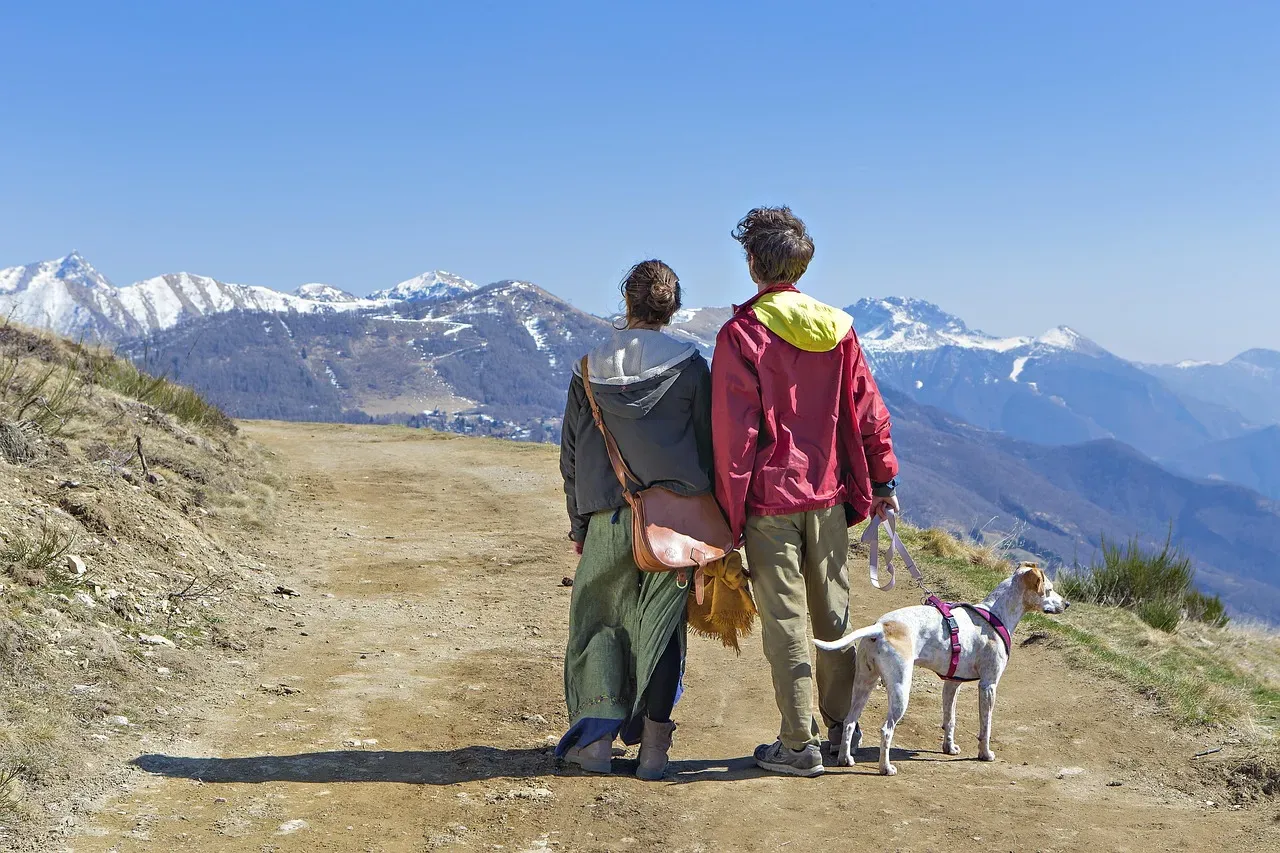
Research analysis revealed that people living in mountainous areas tended to be lower in agreeableness, extraversion, neuroticism, and conscientiousness, but higher in openness to experience when compared to controls. That trait, openness, is the one that predicts curiosity, creativity, and a genuine appetite for novelty. It’s a rich inner life expressed through where you choose to put down roots.
Findings published in the journal Nature Human Behaviour suggest that mountainous landscapes may promote openness to new experiences among the people who live in them. The authors also reported that denizens of the slopes scored lower for traits such as agreeableness and extraversion, in keeping with a certain kind of laconic individualism. The mountains attract people who think differently about what “a good life” looks like.
The research team found that mountains tend to draw out openness to new experiences, emphasizing people’s tendencies toward originality and adventurousness. If you feel most yourself when you’re learning something through lived experience rather than a screen, or when you’re figuring out a new trail rather than following a familiar routine, that tells you something.
#3: You Value Freedom and Independence Over Convenience

Researchers found that living at both a higher altitude and an elevation relative to the surrounding region is associated with a distinct blend of personality traits that fits with “frontier settlement theory.” The harsh and remote environment of mountainous frontier regions historically attracted nonconformist settlers strongly motivated by a sense of freedom. That pull toward autonomy didn’t vanish with history. It still shows up in who chooses to live this way today.
Individuals drawn to or residing in elevated locales often seek a life aligned with specific values: autonomy, simplicity, and a direct connection to the natural world. In a culture that rewards constant connectivity and urban hustle, choosing a mountain village is a quiet but firm statement about what actually matters to you.
Mountains can be remote and challenging and can foster an “ethos of independence that can leave a specific imprint on personality.” The mountain village person isn’t against society. They’re just not willing to let convenience override the things they care about. That’s a distinction worth sitting with.
#4: You’re Emotionally Stable and Remarkably Resilient
Lower neuroticism scores among mountain dwellers suggest an emotional stability and assertiveness suited to frontier living. Openness to experience is much higher and is the most pronounced personality trait in mountain dwellers. These two traits together paint a picture of someone who is grounded, curious, and not easily rattled by the kind of social friction that derails many people.
Life in the mountains dictates a certain pace, often slower and more deliberate. Seasonal changes command attention, influencing everything from construction practices to the timing of harvests. Winters can bring isolation, necessitating robust community ties and self-reliance. You don’t survive that kind of seasonal rhythm without developing a genuine toughness, the quiet kind that doesn’t need to announce itself.
According to self-report data, residents of mountainous areas tend to be less trusting, caring, and forgiving of strangers than people from flatter areas, while being more rebellious, detached, and assertive. These traits, often framed as negatives in polished social settings, translate directly into the ability to handle hard seasons, long winters, and the particular challenges that come with living far from urban infrastructure.
#5: You Measure Success Differently Than Most People
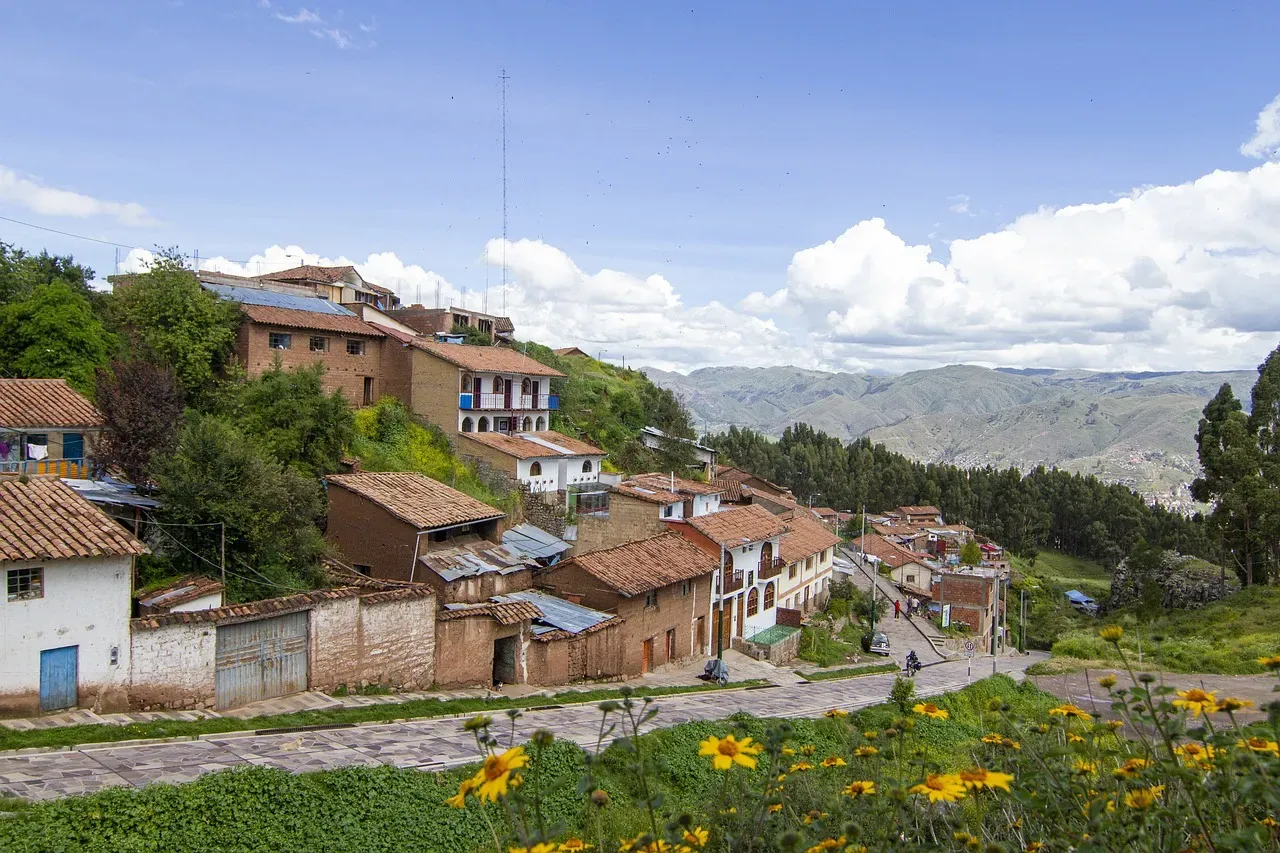
The pursuit of a meaningful existence in mountain communities frequently involves a re-evaluation of societal norms. What constitutes “progress” or “success” often differs significantly from urban metrics. Here, well-being might be measured by the purity of the local stream, the health of the forest, or the strength of community bonds. That’s not naivety. That’s a different and arguably more honest accounting system.
This perspective suggests that contentment might stem from sufficiency and connection rather than accumulation. Mountain living often redefines personal values, shifting the focus from material gain to environmental well-being and community strength. When you can walk outside and immediately touch something real – soil, rock, water, cold air – the appeal of certain status symbols starts to fade naturally.
Mountain living offers mental health benefits through a deep connection with nature and a sense of tranquility that is unparalleled in other settings. People who choose this life tend to have thought carefully about what they actually need to feel well, and they’ve arranged their surroundings accordingly. That kind of intentionality is rarer than it sounds.
#6: Your Body and Mind Are Quietly Thriving
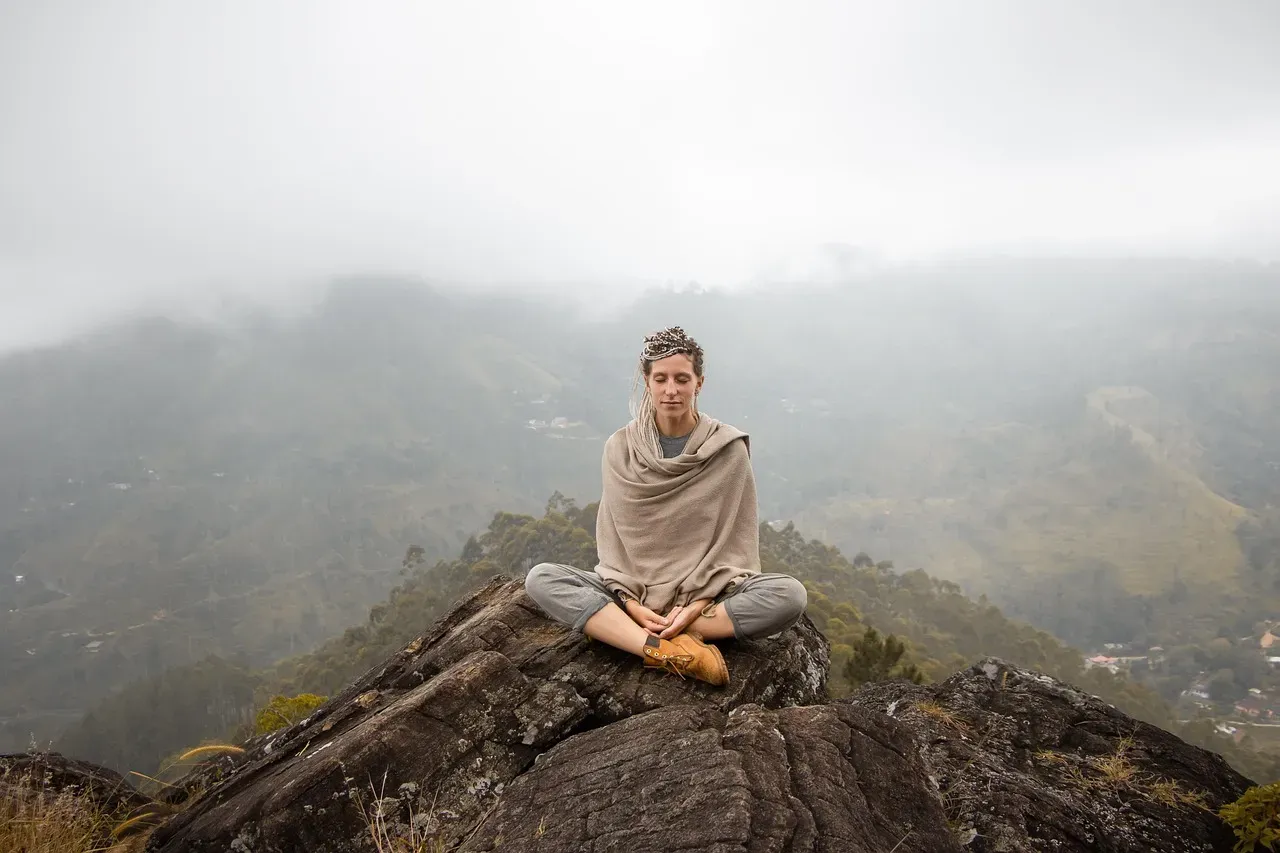
From reducing the risk of heart disease to lowering the chances of suffering from depression, there are a surprising number of ways that living in the mountains positively impacts the lives of people who have decided to live there. The physical environment isn’t just scenery. It’s doing real work on you every single day.
Living above a certain altitude reduces the risk of cardiovascular diseases and certain cancers. Meanwhile, studies in Europe have proved that living at higher altitudes changes the manner in which the human body metabolizes food. The reduced oxygen levels actually cause the body to burn more glucose, which means less fat build-up. The mountain village is, in a sense, a form of passive preventive health care.
Living in the mountains makes it much easier to disconnect from the internet and live in the moment. Doing this has been shown to reduce stress levels, help with anxiety, and even lower the risk of depression. Add to that the daily physical activity of simply navigating terrain, and you start to understand why some of the cities with the highest elevations also have some of the highest life expectancies in the United States, with seven of the top ten counties by life expectancy located in Colorado.
So, What Does It Really Say About You?
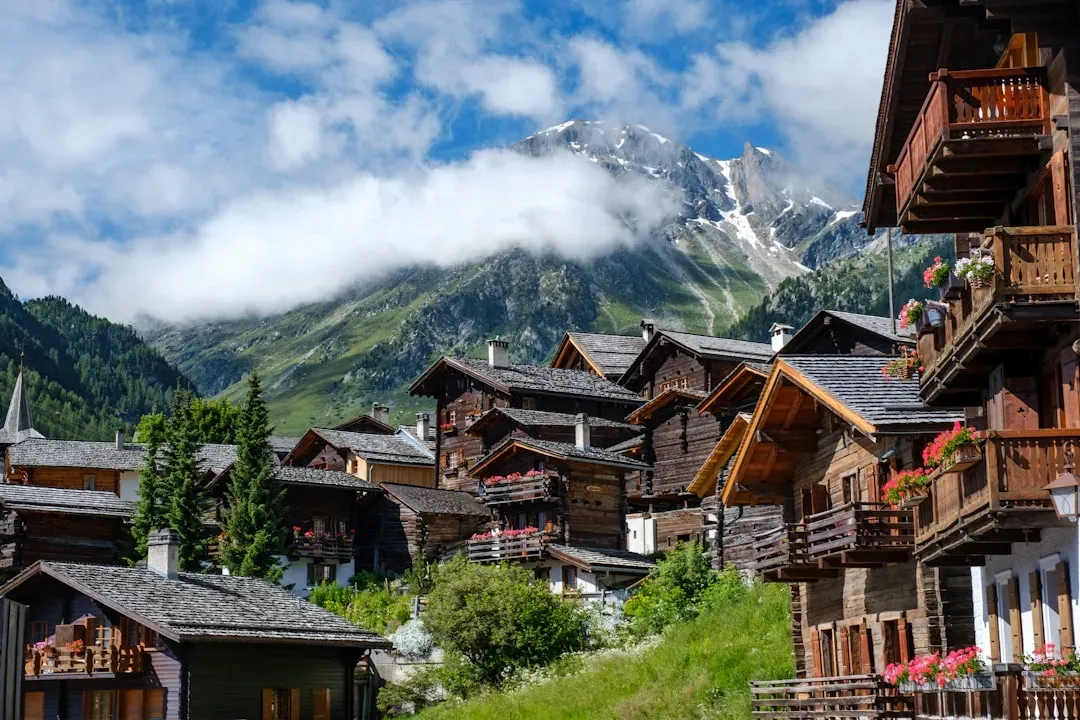
Choosing to live in a mountain village is not a retreat from life. It’s a specific, considered orientation toward it. The research is consistent: mountain dwellers tend to be more introverted, more open to experience, more self-reliant, and less neurotic than their counterparts in flatter, busier places. These aren’t minor statistical quirks. They reflect something genuine about who these people are.
There’s a kind of integrity in matching your outer environment to your inner one. Research suggests that people who have higher person-environment fit have higher subjective well-being. The mountain village person may not be chasing happiness in any conventional sense. They may simply have found the setting where being themselves feels natural and unhurried.
If that’s you, the mountains already knew. The rest of the world is still catching up to the idea that living well and living quietly are not, in fact, opposites.
