
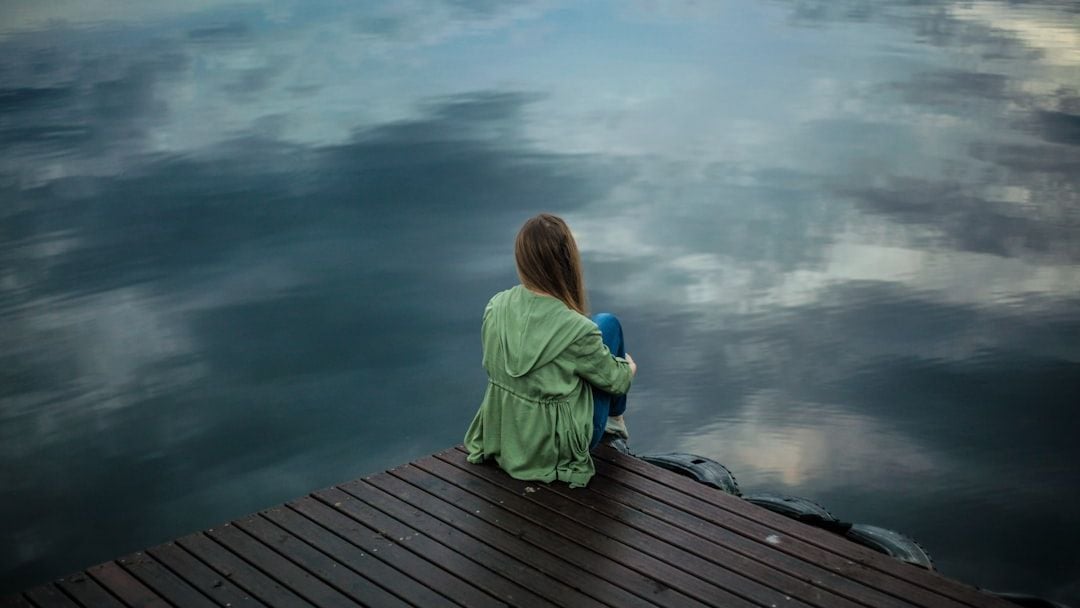
There’s something quietly radical about the image: a single person, a house facing the sea, no roommates, no noise except the tide. Most people picture it as an escape, a fantasy for a holiday that never quite happens. Yet for a growing number of people, it isn’t a fantasy at all. It’s the deliberate shape of a life they’ve chosen.
Society still raises an eyebrow at this. The idea that someone would choose solitude over shared living, and pair it with proximity to wild, open water, tends to invite questions. Are you okay? Are you lonely? Have you given up? The answers are almost always no – and the psychology behind this particular lifestyle preference is far more revealing than most people expect.
#1: You’re Drawn to Water Because Your Brain Is Literally Wired for It
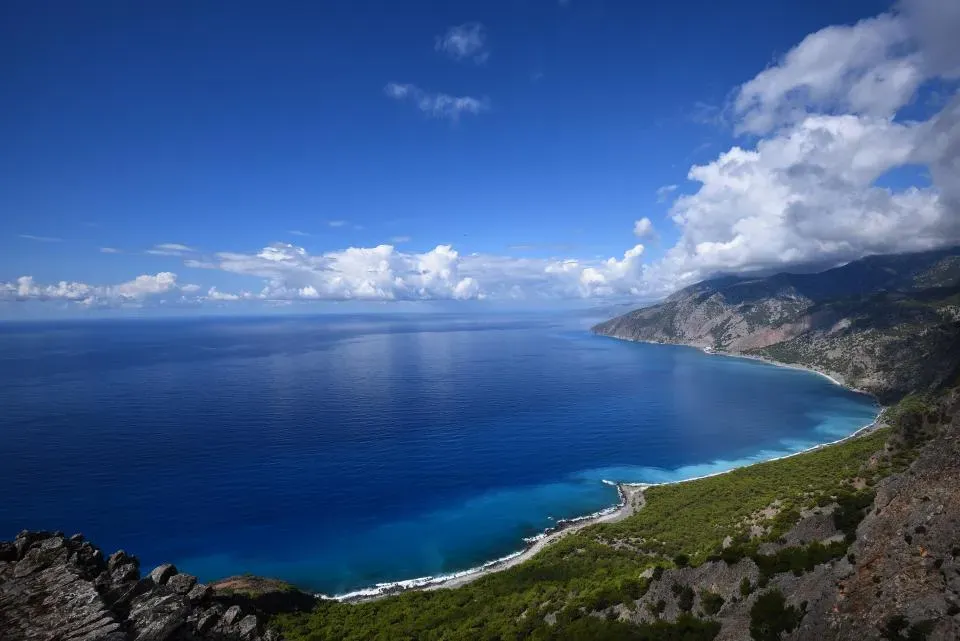
The pull you feel toward the ocean isn’t romantic nostalgia. It has a neuroscientific basis. The science behind Blue Mind Theory reveals that our attraction to water runs much deeper than preference or habit – our brains are literally wired to respond to aquatic environments in ways that promote healing, creativity, and wellbeing.
Combining cutting-edge neuroscience with compelling personal stories from top athletes, leading scientists, military veterans, and gifted artists, marine biologist Wallace J. Nichols showed how proximity to water can improve performance, increase calm, diminish anxiety, and increase professional success. That’s not a soft claim. That’s decades of cross-disciplinary research pointing in the same direction.
Blue Mind is the mildly meditative state people fall into when they are near, in, under, or on water. If you’ve spent time watching waves and noticed your shoulders drop, your breathing slow, your thoughts loosen – that’s not imagination. Bodies of water trigger involuntary attention, which is essential to problem-solving and creativity, and water increases the neurotransmitters dopamine, sometimes called the feel-good hormone, and serotonin, also known as the happiness hormone.
If you feel most like yourself beside the ocean, you’re not being dramatic. Your nervous system is simply responding to something it was designed to seek. The beach house isn’t just a location preference. It’s a neurological home.
#2: You Have a Highly Developed Inner Life
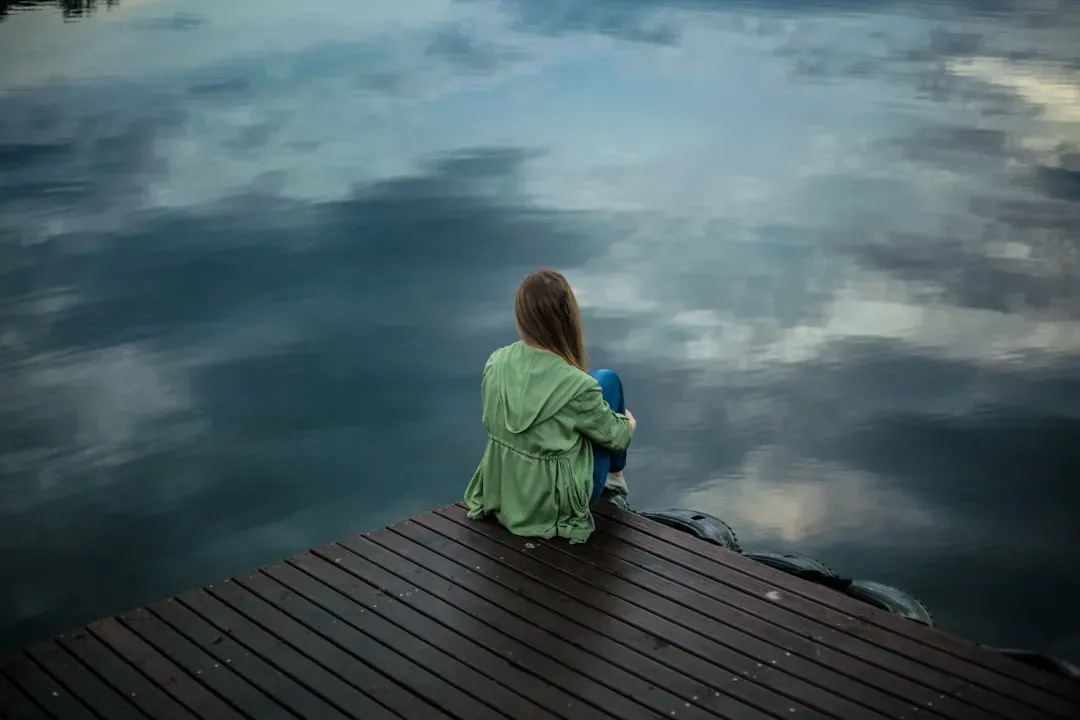
People who choose to live alone close to water tend to need mental space the way others need background noise. People who love solitude don’t just like being alone – they need mental space the way others need background noise. Their mind feels crowded fast. Too many voices, too many demands, and their inner world shuts the door.
Research from psychologist Mihaly Csikszentmihalyi, famous for his work on “flow states,” found that individuals comfortable with solitude often have highly developed inner lives. They’re the ones daydreaming about ideas, replaying conversations to extract meaning, and building mental models of how things work. For these people, the mind isn’t an uncomfortable place to sit. It’s genuinely interesting territory.
Solitude invites reflection, and for these individuals, introspection is a daily practice. They take the time to understand their emotions, analyze their experiences, and consciously shape their identity. This ongoing self-reflection sharpens their emotional intelligence and self-awareness. Living alone by the water simply gives that inner life the room it requires – no compromises, no interruptions, no one else’s rhythm to match.
The constant rhythm of the ocean becomes a kind of background thinking partner. It moves, but it doesn’t demand. It’s present, but never intrusive. For someone whose mind never fully stops, that matters enormously.
#3: You Value Real Independence, Not Just the Idea of It

Plenty of people say they value independence. Fewer actually organize their entire life around it. The most defining trait of those who find joy in solitude is their sense of independence. They’re self-reliant and confident in their ability to navigate life on their own terms. They don’t rely on others for their happiness or fulfillment.
People who prefer solitude are comfortable taking care of themselves, making decisions, and pursuing their goals without relying heavily on others for support or validation. They have a strong belief in their own capabilities and possess a deep sense of personal empowerment. This makes it easier to navigate through life’s ups and downs and make sound decisions. They aren’t easily swayed by societal pressures or other people’s opinions.
Choosing a beach house alone is an act of deliberate self-determination. It’s not avoidance. This independence is not born out of disdain for others but is a conscious choice that stems from their comfort in being alone. They enjoy the freedom it offers, the opportunity to explore their interests, and the space to grow as individuals.
Solitary individuals are perfectly comfortable moving through the world on their own. Dining alone, catching a movie, taking a last-minute trip – they do it all with ease, unbothered by the gaze of others. This freedom allows them to explore life entirely on their own terms, without compromise. That comfort extends to the big decisions, too. Like where to live. Like who to live with. Like which version of a day counts as a good one.
#4: You’re More Emotionally Regulated Than People Realize
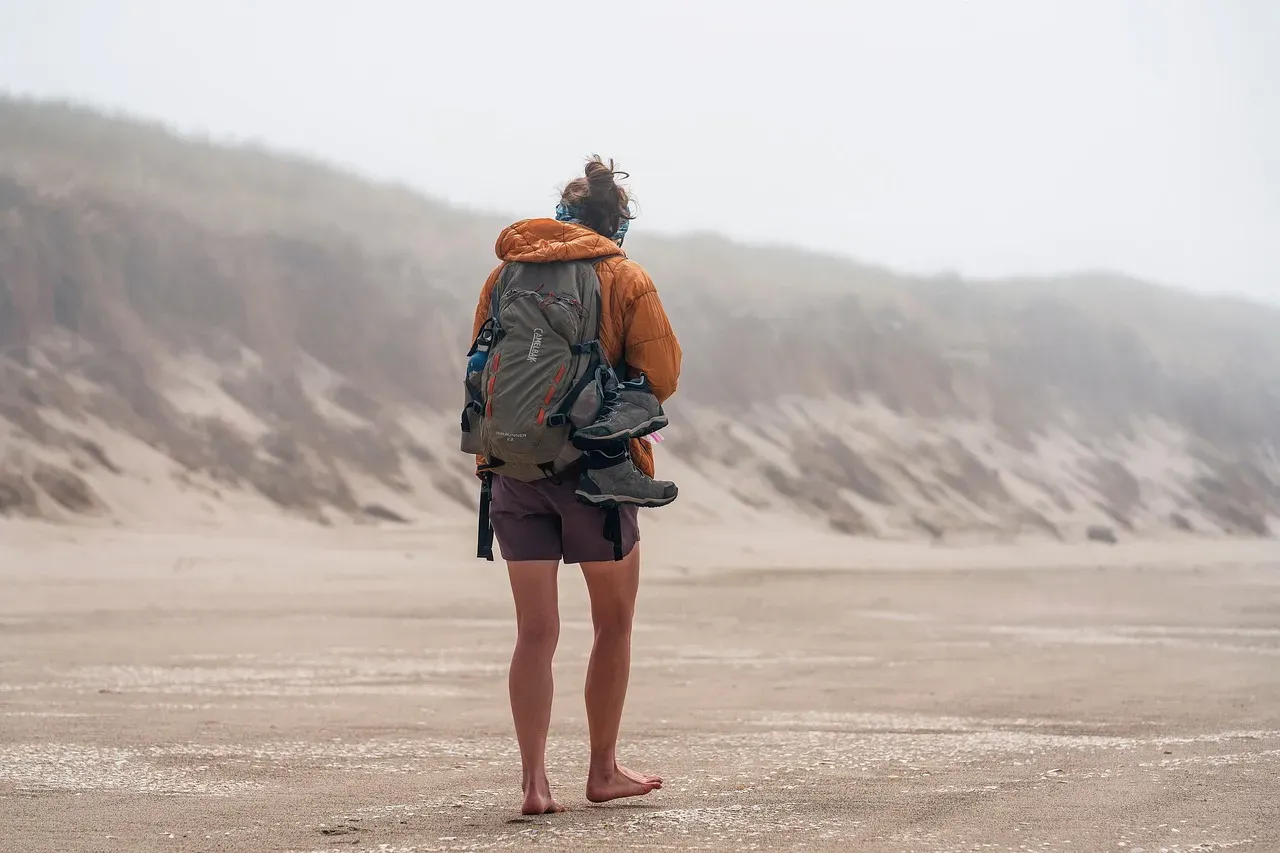
There’s a common assumption that someone who lives alone near the water must be running from something emotionally. The research suggests the opposite is often true. According to research published in the British Journal of Psychology, individuals who are comfortable being alone demonstrate higher levels of psychological adjustment. They’ve essentially figured out how to be their own source of stability.
Research from the University of Buffalo found that non-fearful solitude seekers often demonstrate better emotional regulation. They’ve learned to sit with discomfort rather than immediately externalizing it. This is a meaningful distinction. The person who chooses solitude without fear has, in a sense, already done the harder work.
Those who thrive alone don’t have that luxury of constant external support, and they’ve turned it into a superpower. They’ve learned to be their own emotional support system. Add to that the calming neurological effects of living near water, and what you get is a person who has built a remarkably stable emotional environment for themselves, both inwardly and outwardly.
People who autonomously decide whether and how to spend their solitary time report more positive emotions, lower stress, and greater daily life satisfaction, according to a 2024 review of the solitude literature in Social and Personality Psychology Compass. The beach house isn’t an escape from emotional life. For many people, it’s where emotional life finally gets to breathe.
#5: Solitude Is Your Creative Fuel, and You’ve Stopped Apologizing for That
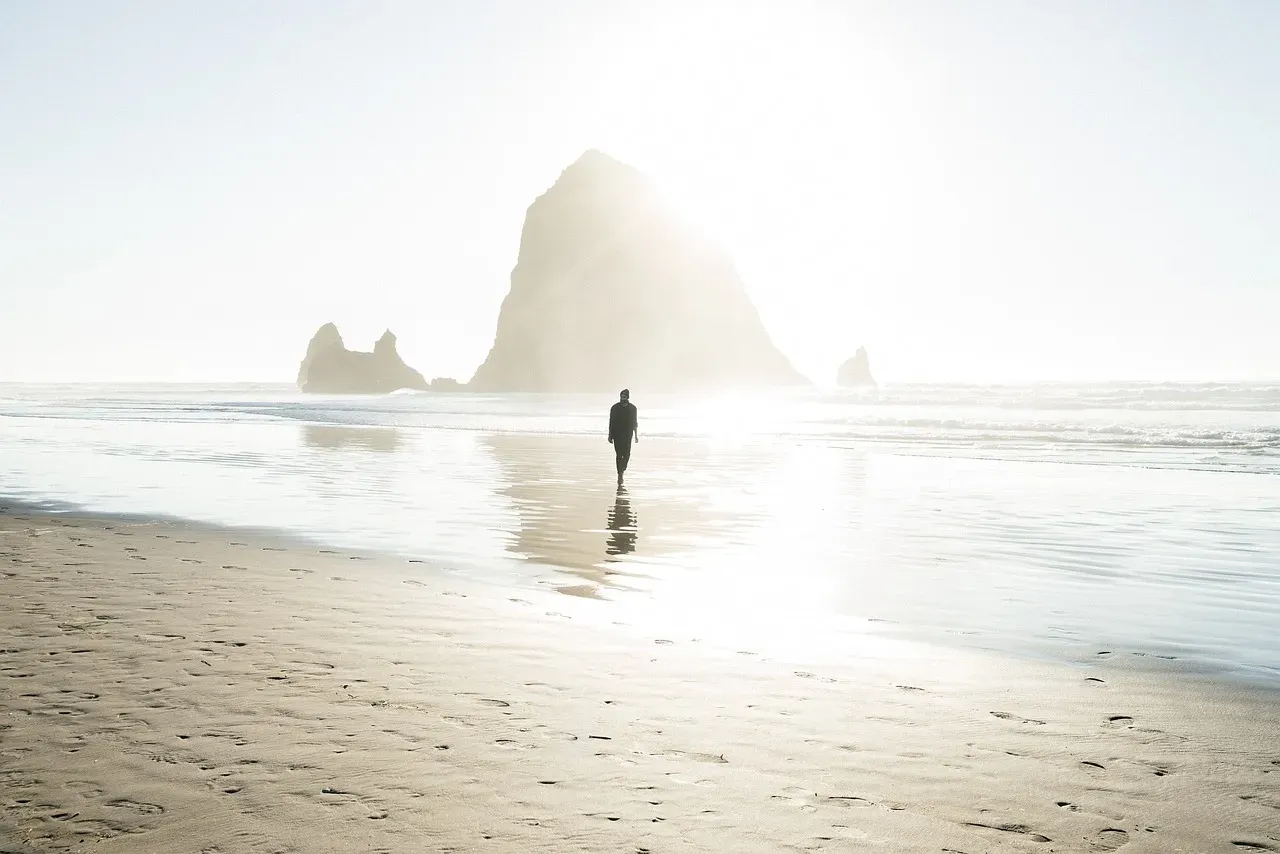
Creativity doesn’t announce itself in crowded rooms. Time spent alone often fuels creativity. Many artists, writers, and innovators report that their best ideas emerge during quiet, uninterrupted periods. Solitude provides the mental space needed for deep thinking and problem-solving. A beach house that sits quietly between the water and the horizon is, for the right person, the most productive place in the world.
Research consistently shows that solitude is often a prerequisite for creative breakthroughs. A study in Personality and Social Psychology Bulletin found that unsociable individuals who chose solitude showed higher levels of creativity than those who were alone because of social anxiety or withdrawal. The motivation matters. Choosing aloneness because you love it, rather than because you fear people, changes the entire outcome.
Natural settings make solitude feel restorative rather than empty. When people feel more autonomous during solitude, they report feeling more peaceful, and low stimulation environments like parks, forests, and coastlines consistently support that perception. The water is doing real work here. It’s not just scenery.
Studies show that people who are comfortable being alone often have better social relationships because they’re not desperately clinging to people out of fear. They’re choosing connection from a place of wholeness, not neediness. Someone who lives alone in a beach house and thrives there doesn’t become less human. They often become more intentional, more creative, and more genuinely present whenever they do choose to show up for others.
A Final Thought
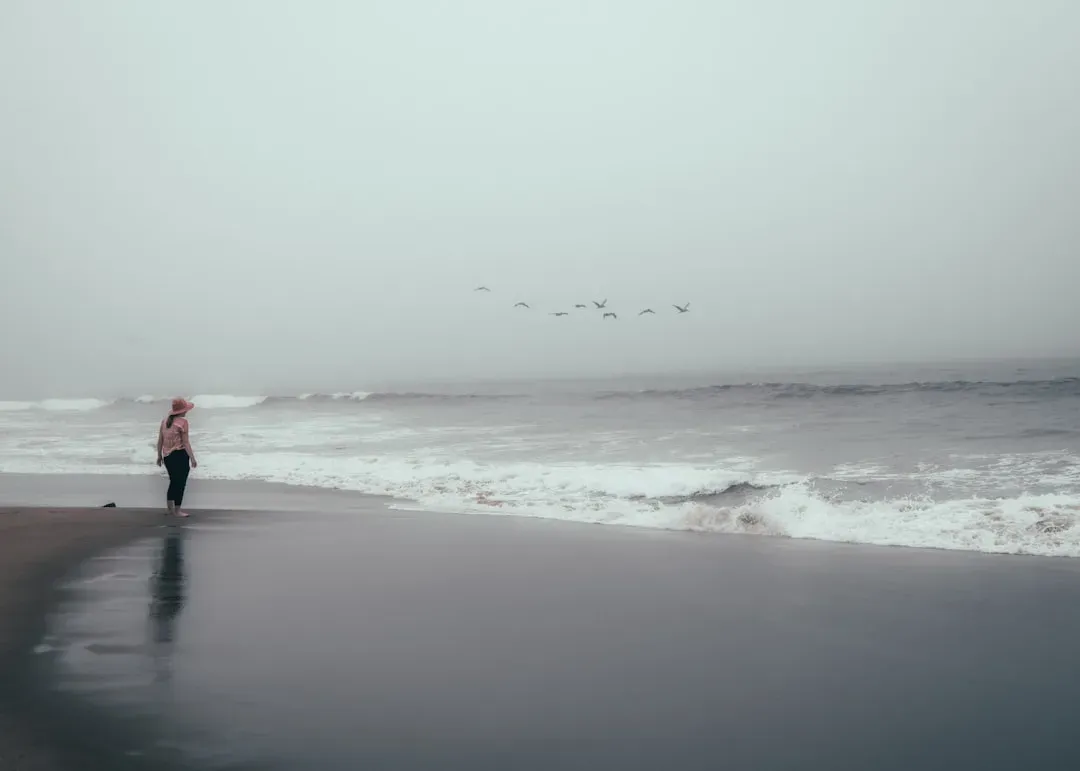
The beach house is not a symbol of giving up. It never was. Solitude is a state of peace. While solitude is also described as being alone, it is not a state of distress but happiness. For a specific kind of person, it’s the most honest arrangement they can make with themselves – a life shaped around what actually restores them, rather than what looks correct from the outside.
A host of research has documented a long list of benefits gained when we choose to spend time by ourselves, ranging from opportunities to recharge our batteries and experience personal growth to making time to connect with our emotions and our creativity. When you layer that onto the neurological benefits of water proximity, you’re not describing a retreat from life. You’re describing a very particular, very intentional way of living it fully.
There’s an opinion worth stating plainly: the world tends to pathologize the people who need less noise rather than more of it. But solitude chosen freely, beside the rhythmic patience of the sea, is not a deficiency. It’s a design. And for the people who feel it most clearly – the ones who dream of open windows, salt air, and mornings spent entirely alone – it may simply be the most authentic life they could build. That’s not something to explain away. It’s something to respect.
