
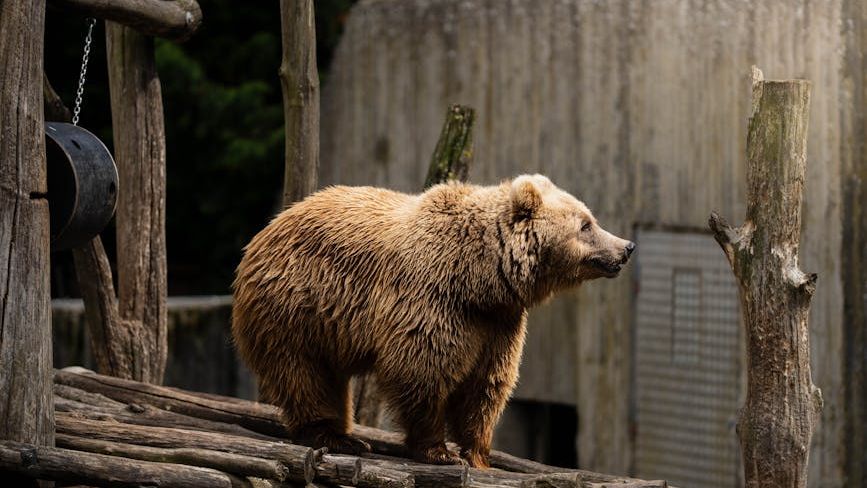
Most campers know not to leave a raw steak sitting out on the picnic table. That part seems obvious. What’s far less obvious is how many ordinary, seemingly harmless items in a typical camp setup can draw a bear in from surprising distances. The truth is a little unsettling once you understand it fully.
A bear’s sense of smell is roughly seven times stronger than a bloodhound’s and up to two thousand times more sensitive than a human’s. That’s not a figure to skim past lightly. It means the smallest lapse in food management at your campsite isn’t just a minor oversight. It’s essentially a dinner invitation delivered across miles of forest.
Bears have an insatiable appetite and an amazing sense of smell, and they consider anything with a scent to be “food.” Some of the items on this list might genuinely surprise you.
#1. Bacon and Cured Meats
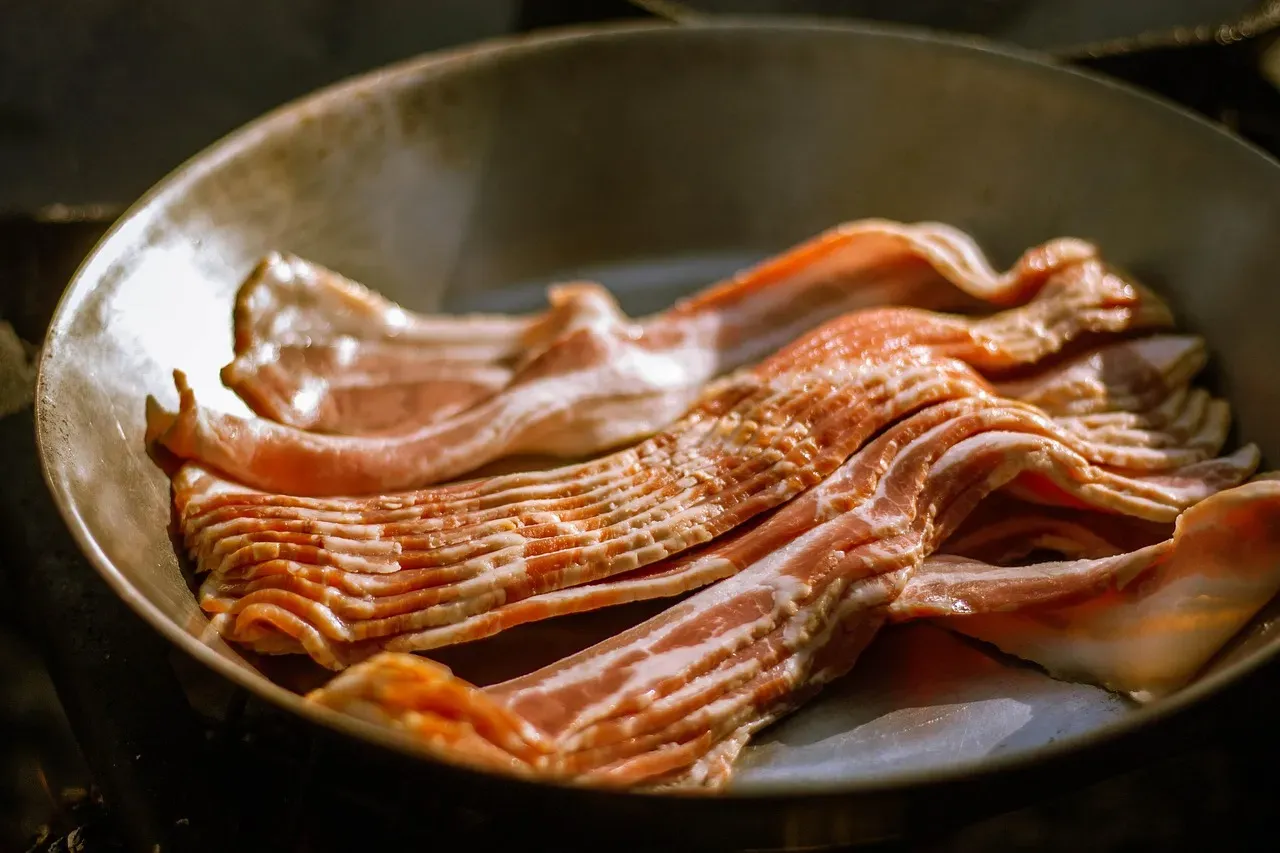
There’s something almost universally appealing about the smell of bacon cooking over a camp stove in the morning. Most people find the smell of bacon frying to be intoxicating, and bears are no different. It may be tempting to fry some bacon up on your campfire in the morning, but the smell can permeate a large space and linger for a long time.
Cured meats like salami, sausage links, and jerky carry that same persistent, fatty aroma that travels. Highly odorous foods like tuna, sausage, and bacon are flagged directly by wildlife agencies as foods to leave at home. The grease that drips and clings to your grill, cookware, and even your clothing long after the meal is finished keeps broadcasting that signal well into the night.
#2. Sweet Fruits
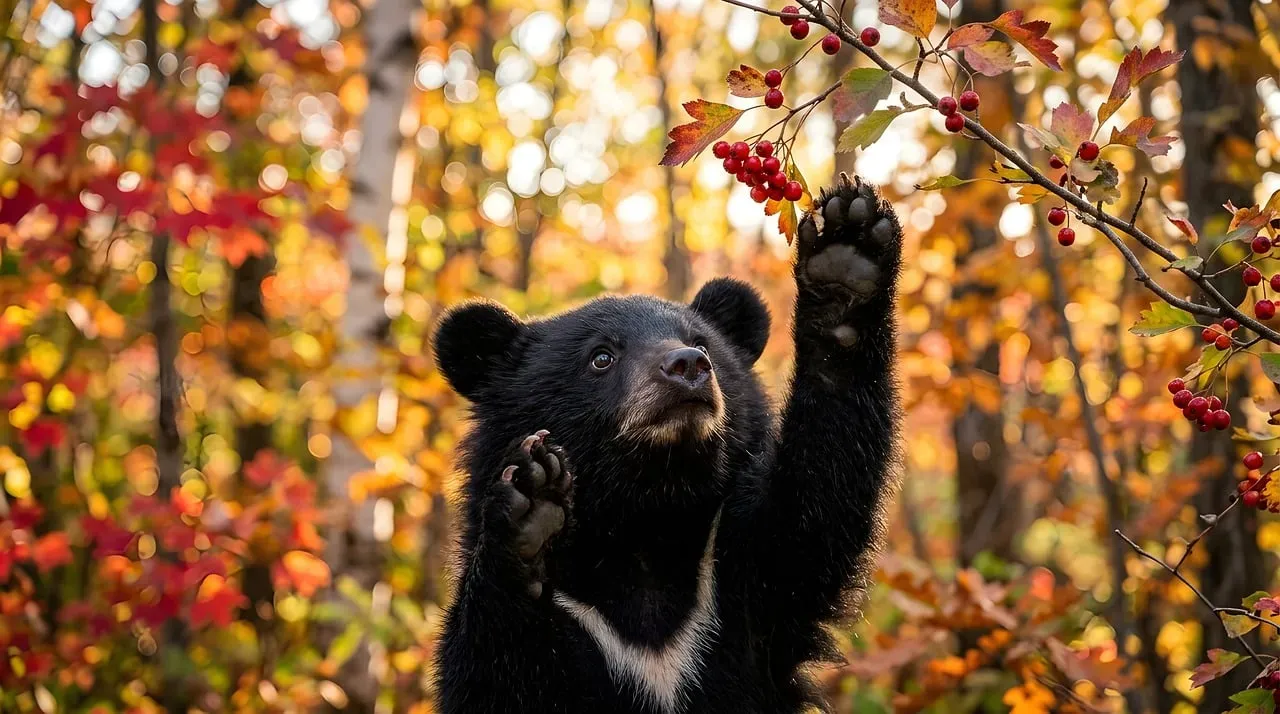
In the wild, many bears love to forage for berries and other sweet, high-calorie foods. Similarly, having sweet fruits at your campsite will increase the chances of a bear stopping by to visit. Fruits like strawberries, raspberries, apples, oranges, mango, grapes, and peaches will definitely attract bears.
It’s worth thinking about how much scent a bag of ripe peaches or a punnet of strawberries releases just sitting in a cooler. The sweetness cuts through the air in a way that’s hard to contain. Leaving especially pungent foods like fresh fruit and sweet drinks at home is one of the cleaner ways to reduce your attractant footprint. Dried fruit isn’t entirely off the hook either, though it carries less immediate scent than fresh produce.
#3. Peanut Butter

With its distinctive smell, peanut butter is one of those foods that appeals to a wide variety of animals. Bears are no exception because they tend to like nuts, which are a popular camping or hiking food when added to trail mix. The rich, oily smell of peanut butter is particularly difficult to contain.
Many campers pack it as a protein staple because it’s lightweight, calorie-dense, and convenient. All of those qualities are great for hiking. The problem is that an open jar or a smeared knife left near the cooking area radiates scent with surprising intensity. Choosing foods that are compact, compressible, high calorie, and lacking in strong odors, such as rice, tortillas, jerky, pastas, and protein bars, is what the National Park Service recommends for backcountry trips. Peanut butter consistently fails that low-odor test.
#4. Fish (Including Canned Tuna)
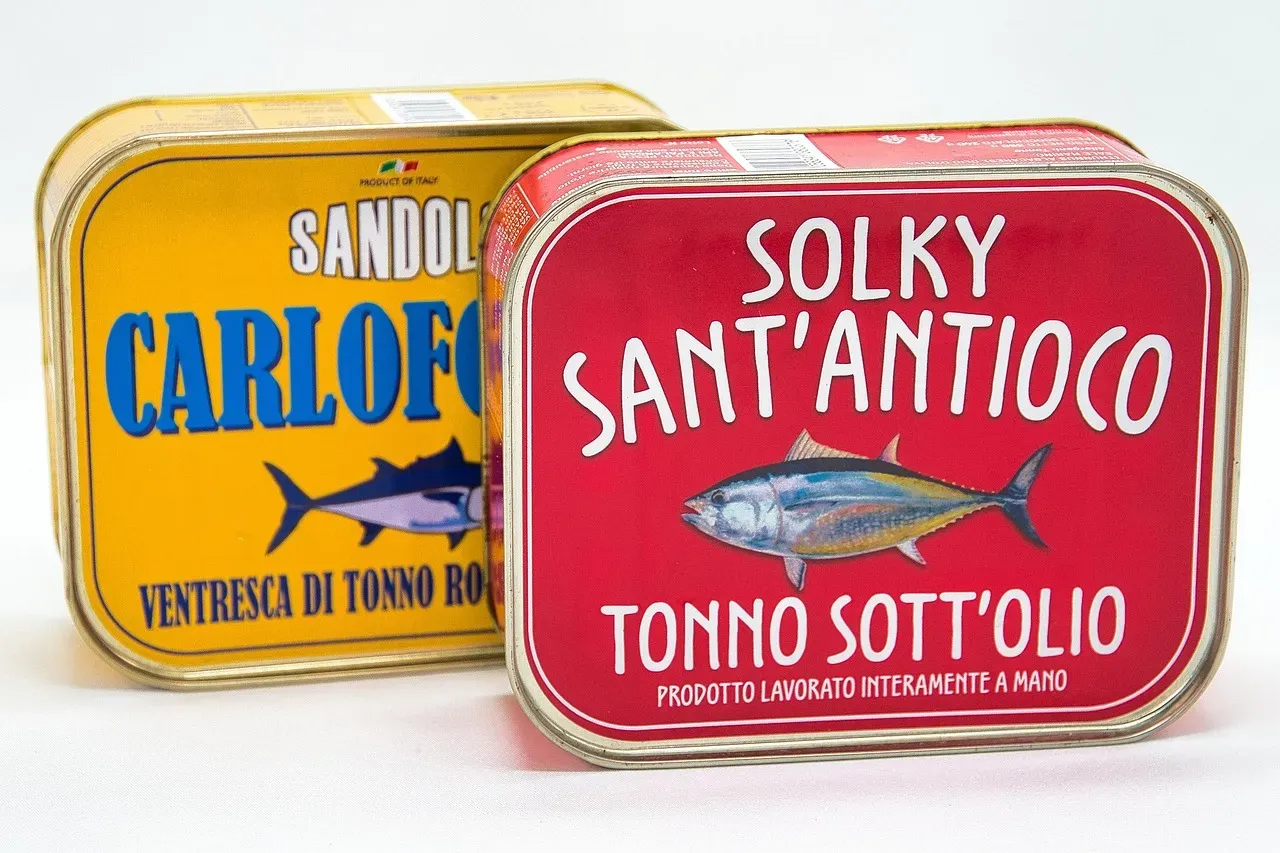
Anyone who works in an office knows that fish is one of the dishes best left at home. That’s because when cooked or reheated, it has a very strong smell. Likewise, cooking fresh fish on your campfire could attract a bear. They could also smell the scent when cleaning or gutting the fish.
Tinned cans of tuna are also very fragrant and would probably attract bears. Many campers assume the sealed can eliminates the smell, but the list goes beyond typical camping food and includes even unopened, canned food items, which are fair game for bears, the ultimate super-smellers. Open a can of tuna beside your tent and you might as well ring a dinner bell.
#5. Maple Syrup and Sweet Condiments

The myth about bears loving sweet things exists for a reason. All kinds of fragrant sweets like pastries and donuts are a surefire way to attract a bear. Maple syrup is also a strong flavor that will get a bear’s attention. Anything with sugar, especially brown sugar, should be restricted to prevent bears.
This is one of the more overlooked categories because condiments feel so incidental. A sticky bottle of syrup wedged next to the camp stove, a drizzle on a spoon left on the table, residue on a plate. Each of these is a scent source doing real work. Bears learn quickly and will return to areas where they find food, so even a single sweet reward teaches a bear exactly where to look next time.
#6. Coffee
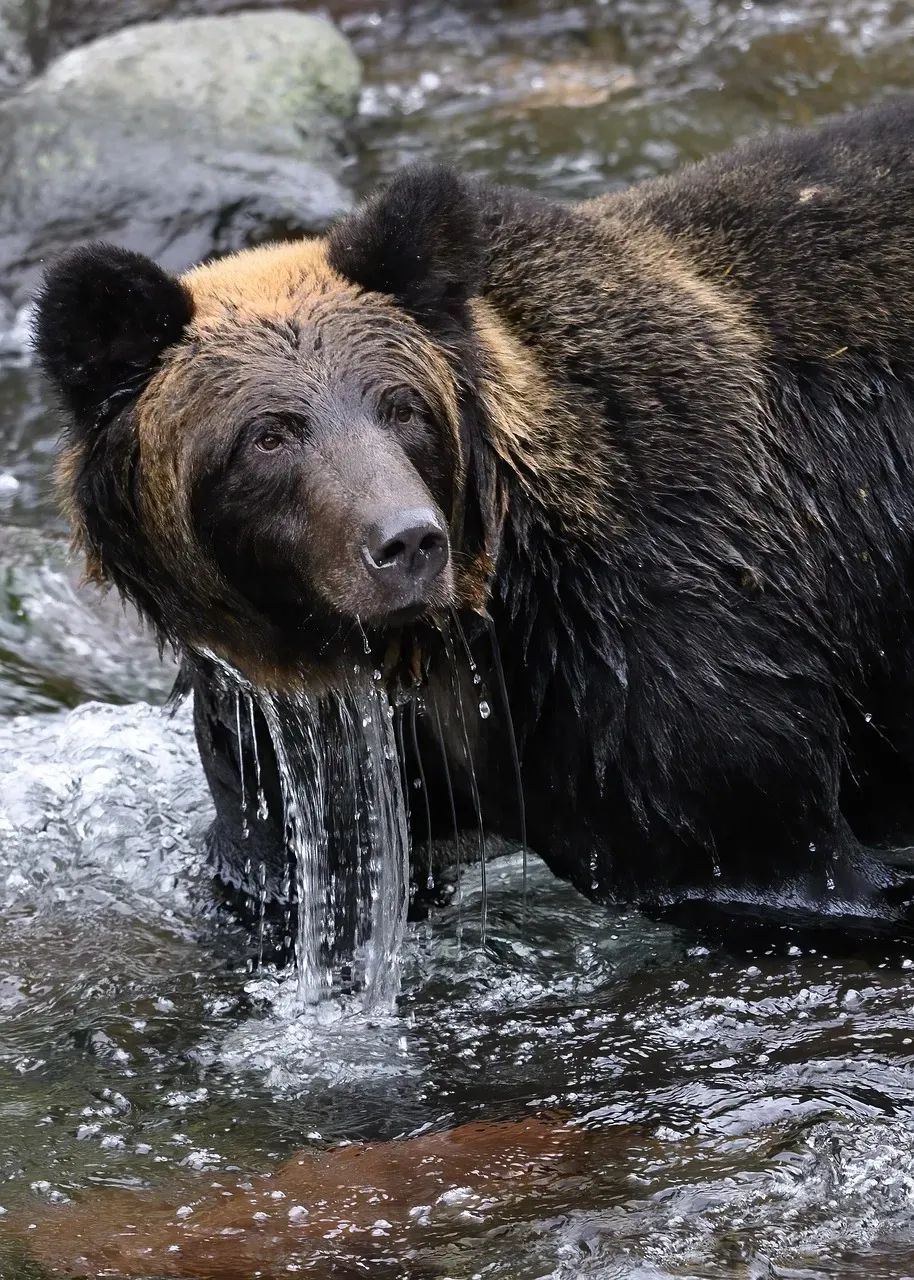
Coffee feels like a campsite staple. Few things are more satisfying than a hot brew in the early morning air. The problem is that coffee has a remarkably bold aroma, and it carries far in the still air of dawn, which is precisely when bears are most active.
Bears are most active in the early morning hours before sunrise and the late evening hours after sunset. Because campers typically sleep at these times, not making noise, this leaves food odors as the main trigger for a possible bear visit. One Arizona man was fatally attacked at a campsite while sitting with a morning cup of coffee. Completely unprovoked, the bear wandered up and attacked him. Though unclear, it is possible that the bear was attracted to the smell of the coffee. That’s a sobering detail worth keeping in mind.
#7. Cooking Grease and Grill Residue
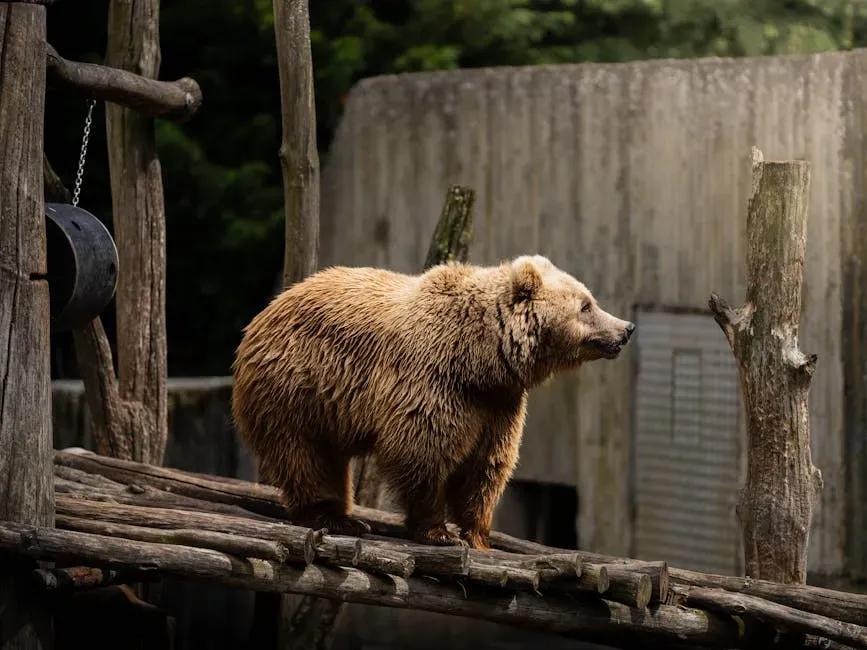
The grease that drips from the grill when you barbecue and cook meat is strong-smelling and attractive to bears. Most campers scrape down the grill surface and consider it done. What they don’t account for is the grease that has saturated the grill grates, pooled in the fire ring, or splattered onto a nearby surface.
Stoves and grills, along with cooking oils and fuel, are just as likely to attract bears and other wild animals, who have long figured out that where there’s a new smell, there’s a new visitor. Burning all grease off camp stoves and wiping down the eating and cooking area after each use is a non-negotiable practice in real bear country. The residue you ignore becomes the scent trail that guides something large and curious directly into your camp.
#8. Pet Food and Dog Kibble

Bringing the family dog camping is a popular choice, and it makes total sense. What fewer people consider is that their dog’s food comes along for the trip too, and that kibble carries more scent than most campers imagine. Even kibble has snack potential for a bear, no matter how innocuous or unappealing it might be to the human palate.
Storing all pet food in a canister is just as important as storing your own food. Leaving a bowl of dog food outside for the night, or even storing an open bag inside a tent, creates a risk that’s easy to overlook until it isn’t. Pets should be kept under physical restraint and never left unattended, because a bear that approaches a campsite for the dog food isn’t necessarily going to stop there.
#9. Toothpaste and Scented Toiletries
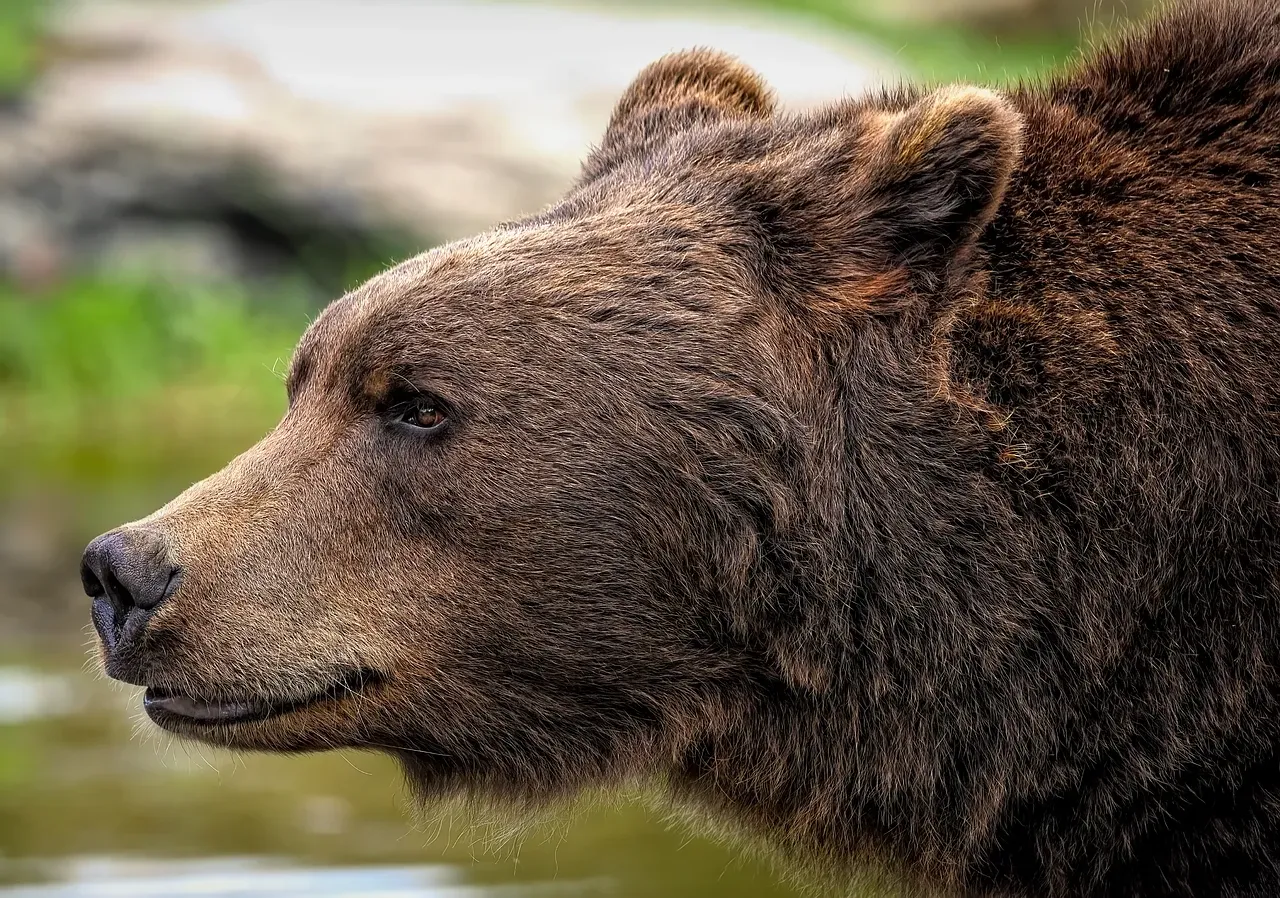
This one catches almost everyone off guard. Toothpaste doesn’t feel like food. It doesn’t look like food. It lives in your toiletry bag next to your deodorant and face wash. None of that matters to a bear. Bears will even be attracted by toothpaste in a closed tube, a protein bar in an unopened package, sunscreen, or even camp dishes and silverware that have only been lightly rinsed after having been used with food.
The common thread of bears being attracted to strong scents also applies to toiletries and cleaning products. Items like scented soaps, lotions, perfumes, colognes, and toothpaste can all attract bears. It’s best to opt for unscented varieties when camping in bear country. Grand Teton National Park, where bears are especially prevalent, recommends treating odorous products such as soap, toothpaste, fuel products, suntan lotion, and bug spray in the same manner as food. Keep them in a bear canister, out of your tent, and well away from your sleeping area.
Why This Matters Beyond Your Own Safety
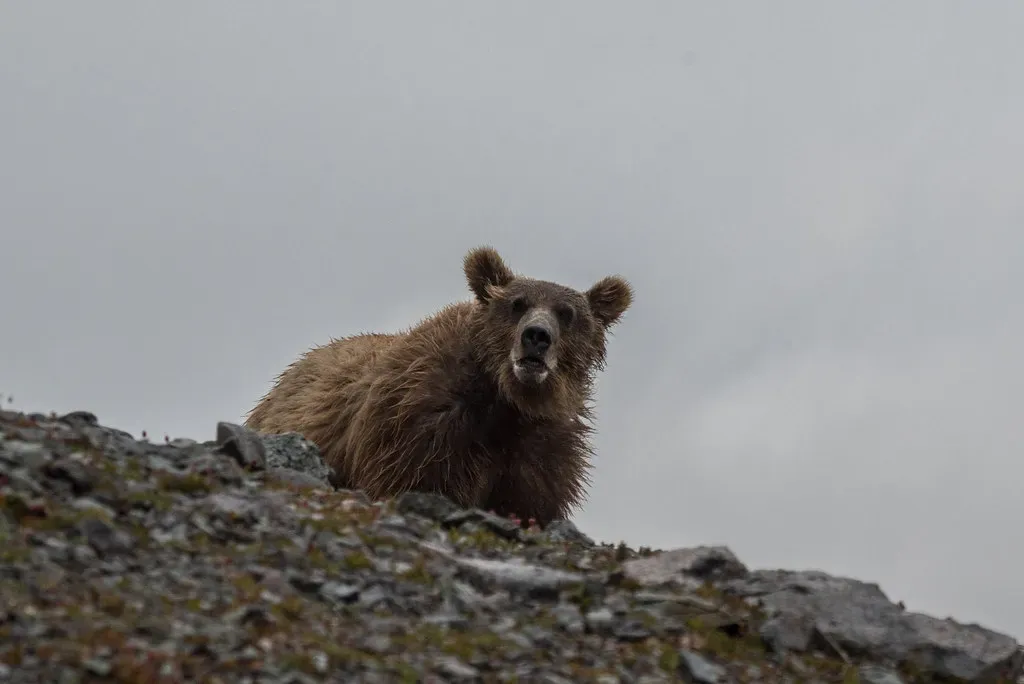
It’s easy to think of bear management as purely a self-preservation concern. The fuller picture is more serious. By eating human food, bears can lose their preference for natural food sources and their fear of humans. Over time, these bears may begin approaching people in search of food. They can become aggressive, unpredictable, and dangerous.
Bears looking for human food and garbage can damage property and injure people. These bears pose a risk to public safety and are often euthanized as a result. Studies have also shown that bears that lose their fear of people have a shorter life expectancy than bears that feed on natural foods and are afraid of people. Every careless meal at a campsite is a potential death sentence for the very animal that made the trip to your cooler.
Conclusion
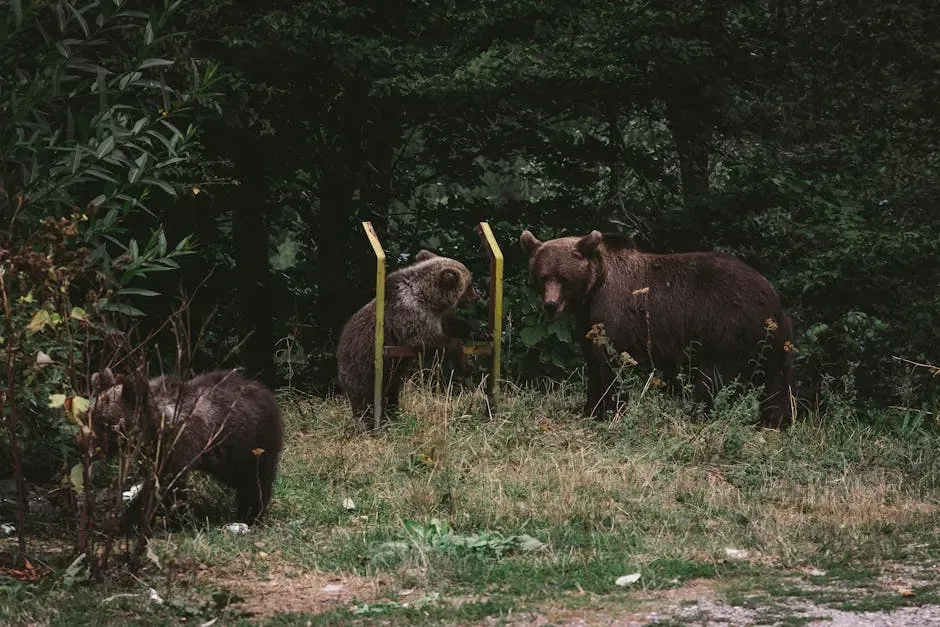
The pattern running through this entire list is one that wildlife agencies have been trying to communicate for decades: it’s not just the obvious foods that attract bears. It’s the coffee, the sticky syrup bottle, the rinsed-but-not-clean fork, the toothpaste you left in your tent pocket without thinking twice. Bears aren’t being aggressive when they wander into campgrounds. They’re being efficient. They’ve simply learned that humans are careless with extraordinary-smelling things.
Responsible camping in bear country isn’t just a personal safety choice. It’s an act of environmental stewardship. Following proper food-handling and storage protocol in bear country isn’t just about protecting you, but protecting both other people and the bear itself. The campers who take that seriously are the ones who get to keep sharing landscapes with these animals long into the future.
The bears were there first. Keeping them wild is the least we can offer in return.
