


In an extraordinary turn of events, an Indian man named Santosh Lohar bit a snake twice after it had bitten him, believing it would neutralize the venom. This incident occurred in Bihar, India, where local superstition influenced his reaction. Santosh survived after receiving medical treatment, but the snake did not.
The Incident

While laying railway tracks in a forested area of Rajauli, Santosh, 35, was bitten by a snake. In a reflexive response driven by local beliefs, he bit the snake back twice.
Local Superstition

In Santosh’s village, there is a belief that biting a snake back twice will nullify its venom. This superstition led him to take the unusual action of biting the snake.
Immediate Medical Response

Santosh was quickly transported to a nearby hospital where he received an anti-venom antidote. He was released the following day after recovering from the bite.
High Snakebite Mortality in India
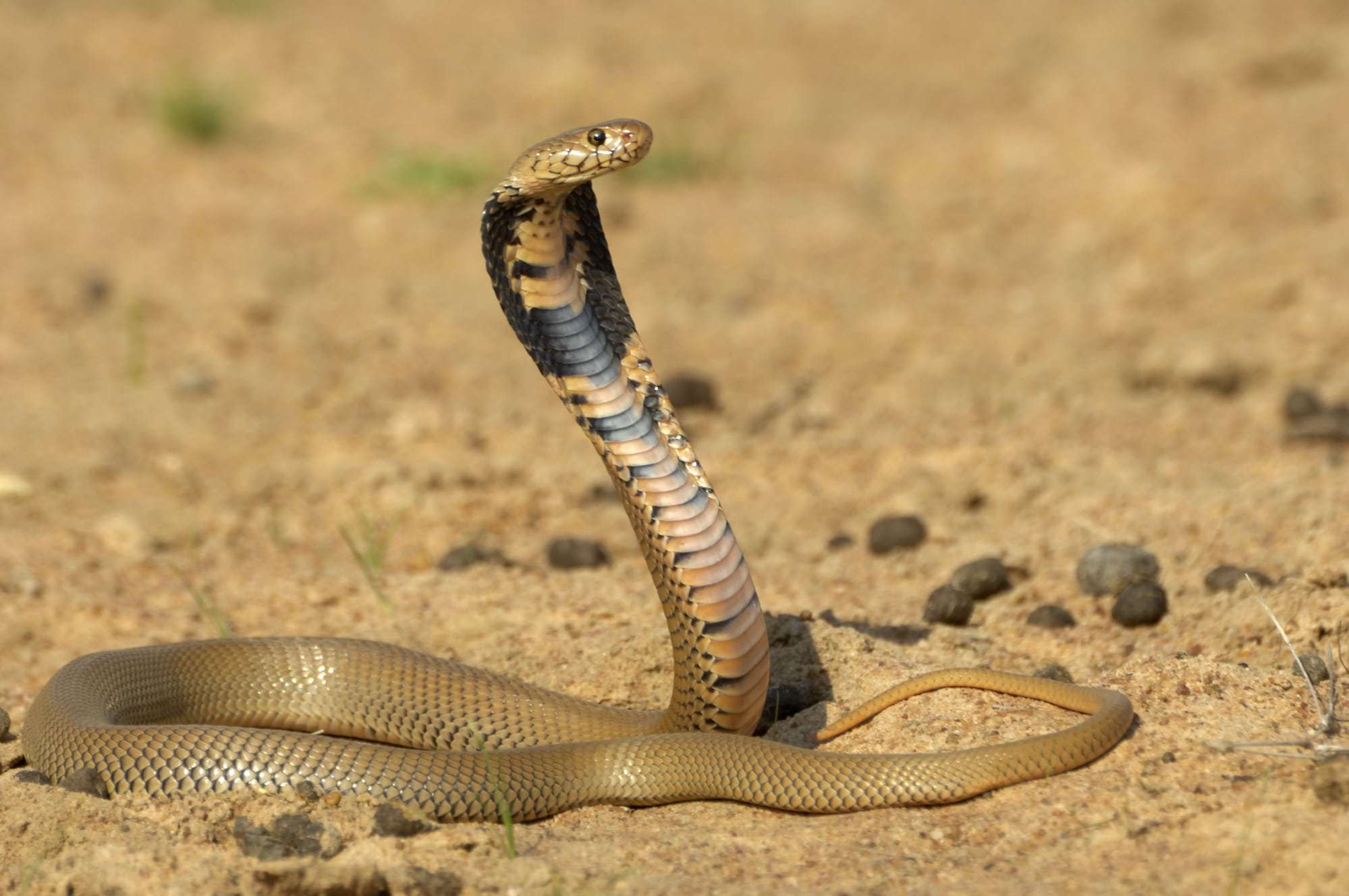
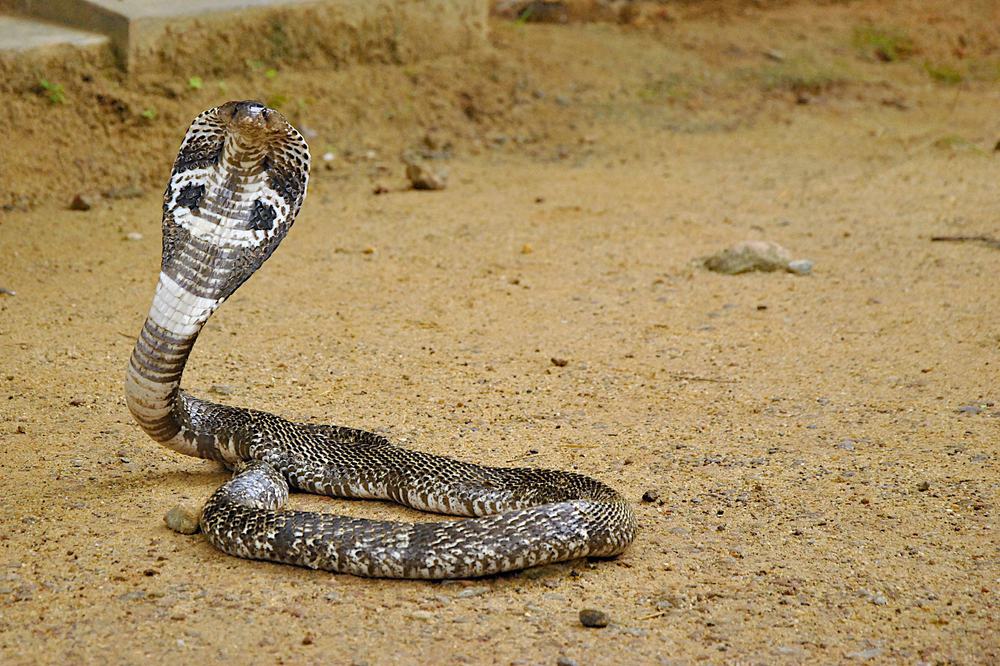
India reports around 50,000 snakebite deaths annually, with four species—saw-scaled viper, Indian cobra, common krait, and Russell’s viper—responsible for 90% of these incidents.
Common Venomous Snakes in India
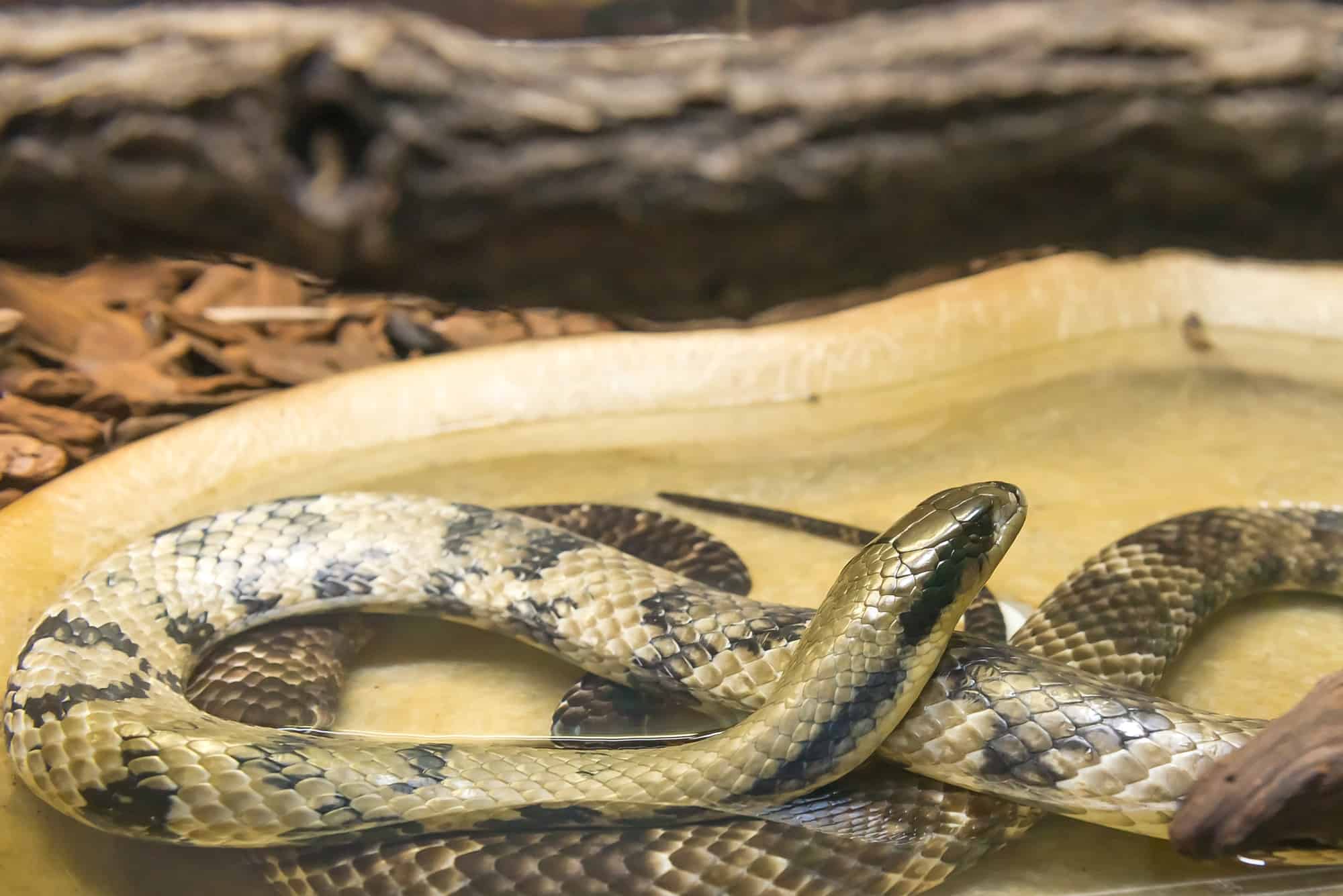
India is home to nearly 300 snake species, with over 60 being highly venomous. The “Big Four”—Indian Cobra, Russell’s viper, common krait, and saw-scaled viper—are the most dangerous.
The Nature of Snake Venom
Snake venom is a protein-like substance stored in glands and is only harmful when it enters the bloodstream. Biting a snake, therefore, has little effect on the venom itself but increases the risk of further bites.
Medical Uses of Snake Venom

Interestingly, snake venom is used in medicine to treat various conditions, including cancer, high blood pressure, heart attacks, strokes, and neurodegenerative diseases like Alzheimer’s and Parkinson’s.
The Unconfirmed Snake Species

The species of the snake that bit Santosh remains unconfirmed. The quick medical intervention likely saved his life.
High-Risk Areas in India
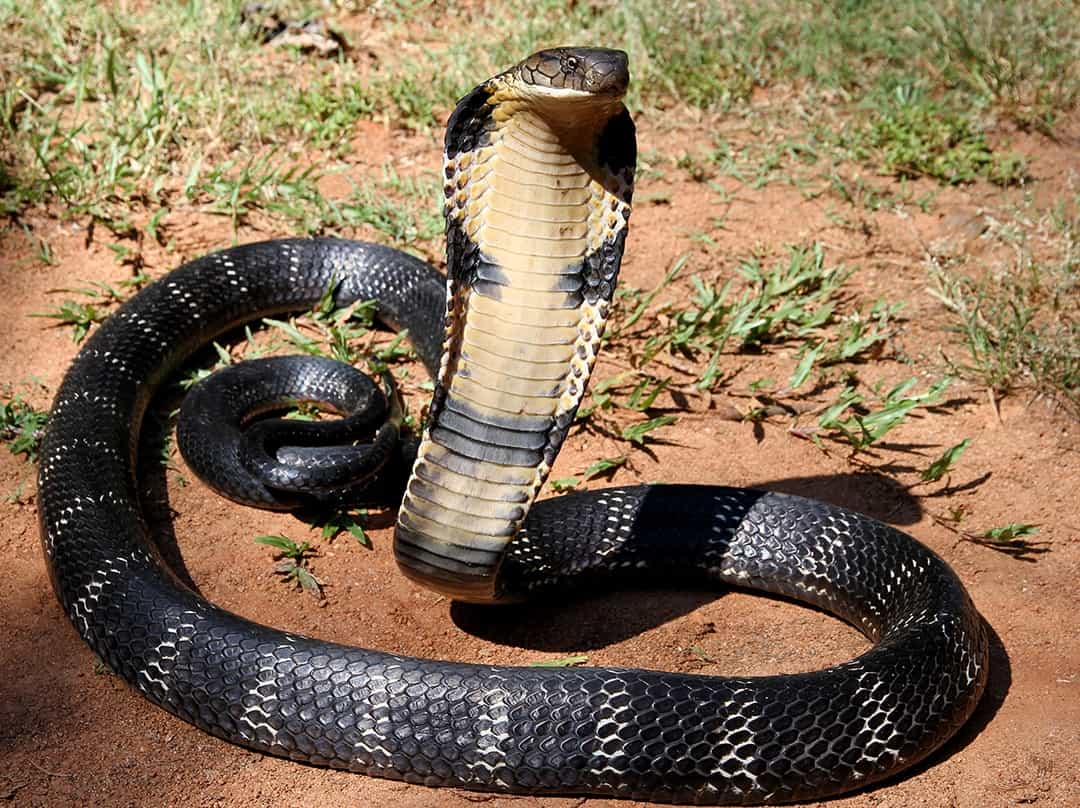
Bihar is one of the top three Indian states with the highest number of snakebite incidents, accounting for approximately 4,500 annual deaths.
Misconceptions About Snake Venom

Despite local beliefs, medical experts advise against retaliatory bites. Instead, immediate medical attention and proper identification of the snake are crucial.
Symptoms of Venomous Bites

Symptoms from venomous snake bites include blurred vision, difficulty breathing, pain, swelling, and internal bleeding due to the venom’s neurotoxins and hemotoxins.
Proper Response to Snake Bites

Experts recommend seeking immediate medical help, removing jewelry before swelling begins, and safely photographing the snake for identification purposes.
Importance of Medical Attention
Receiving prompt medical attention is vital for treating snake bites and preventing severe complications or fatalities.

For any feedback please message Feedback@animalsaroundtheglobe.com
- WATCH: Orca Sucker Punch Dolphin Out of the Water - July 18, 2026
- Girlfriend Insists Her Man Gets Rid Of His Cat But He Leaves Her Speechless - July 18, 2026
- Watch: River Otter Run and Slide over Frozen Lake for Over a Mile - July 17, 2026