Most people assume a rescue dog knows they’re home the second the adoption papers are signed. That’s the fairy tale version. The truth, according to behaviorists and fear-free vets, is slower and stranger: many shelter dogs spend weeks – sometimes months – quietly acting like a foster kid on a trial run, half-expecting to get crated up and driven back to where they came from.
The real moment they stop bracing for that drive rarely comes with fireworks. It’s buried in small, repeatable behaviors most owners scroll right past – a change in how they sleep, how they eat, even how they greet you at the door. Once you know what to look for, you’ll never see “just a dog thing” the same way again.
#13 – They Finally Fall Into a Deep, Ugly Sleep
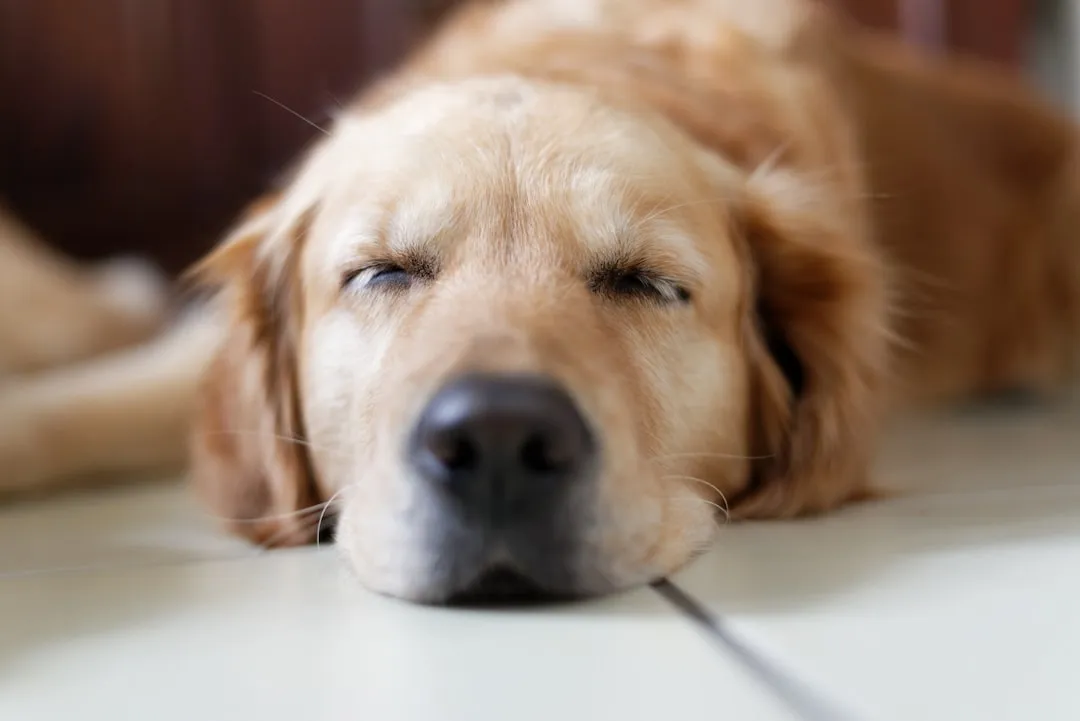
The first real sign isn’t tail wags. It’s sleep. A dog that still expects to be “returned” tends to nap lightly, startle at every sound, and change spots constantly, never fully checking out.
When they feel safe, you suddenly catch them in that jaw-dropping, limbs-sprawled, dead-to-the-world sleep in the middle of your living room floor – not tucked under a table or hiding behind furniture.
- Exposed belly, twisted spine, paws in the air
- Twitching paws, dream barks, slow heavy breathing
From a behavior science view, that’s a giant neon sign of lowered hypervigilance. Deep REM sleep only happens when the brain decides the environment is predictably safe. Shelters track this pattern closely: anxious dogs sleep in tight curls, while secure ones starfish out in the open, unguarded. The first time your rescue does that in your space, they’re not “on trial” anymore.
Worth Knowing
- Guarded, light sleep is common in the first few weeks after adoption
- Deep, sprawled-out sleep signals lower stress and a calmer nervous system
- Startling awake at small noises usually fades once a routine feels predictable
- Choosing an open floor spot over a hidden corner is a trust upgrade
#12 – The “Velcro Dog” Phase Starts to Fade
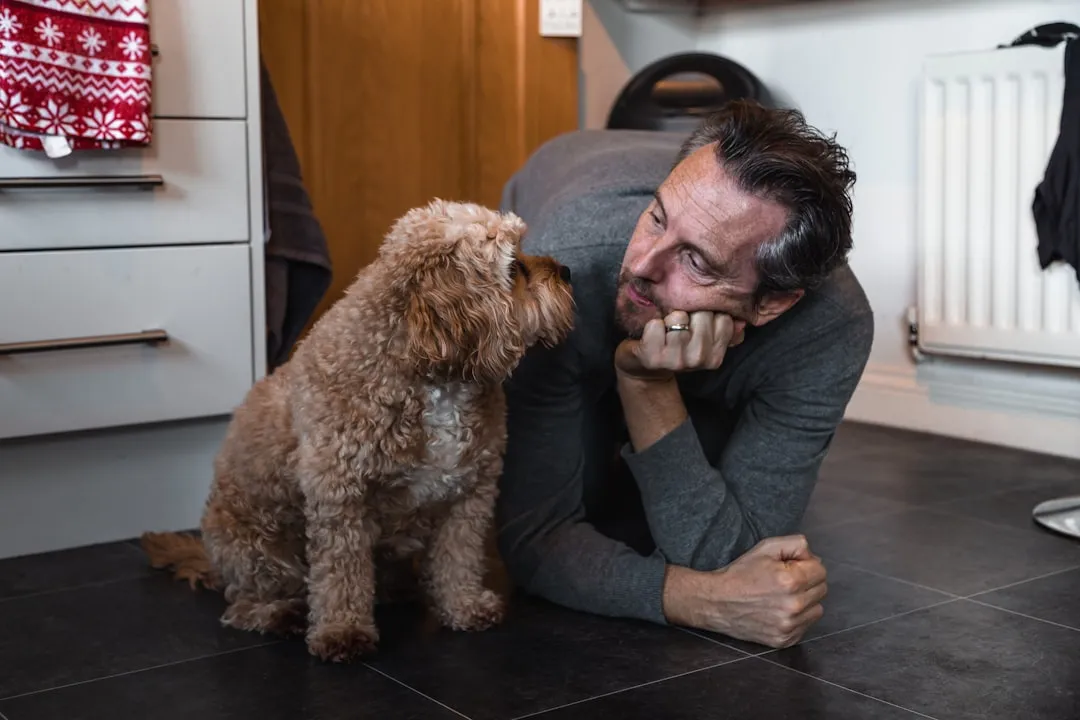
At first, many rescue dogs seem clingy 24/7. People assume, “Wow, instant love.” More often, it’s panic. They shadow you because you’re the only predictable variable in a terrifying new world – that’s survival behavior, not secure attachment.
When they stop doing that nonstop, it can feel like rejection. It’s the opposite. Suddenly you notice they stay asleep when you get up for a glass of water, or they hang out in another room while you work without whining at the door.
- They stay sleeping when you get up for a glass of water
- They hang in another room while you work without whining
That little bit of distance is a trust milestone: they finally believe you’ll come back, that doors opening and closing don’t equal abandonment. Separation anxiety trainers watch for this exact shift. A dog choosing to relax out of your line of sight is quietly declaring, “This is home. You live here. You always come back.”
#11 – They Claim “Their Spot” Without Being Invited
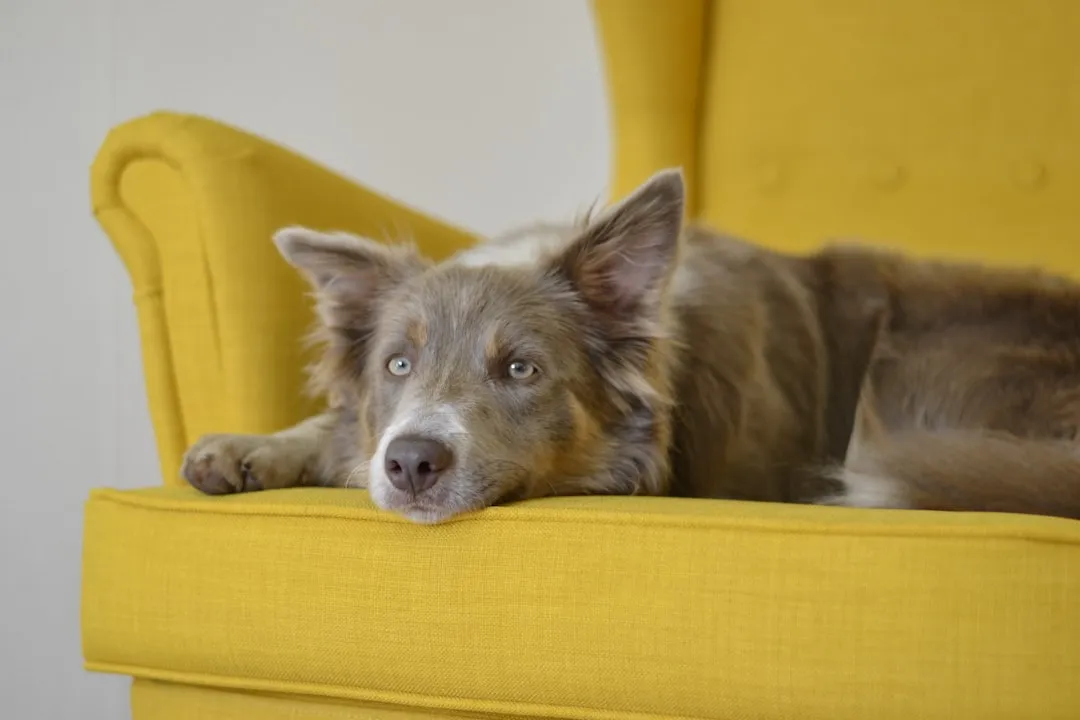
A dog who thinks they’re temporary often hovers on edges – doorways, corners, next to furniture instead of on it – even when they’re technically allowed up. They’re trying not to be in the way, just in case.
The switch flips when they start marching straight to their self-chosen throne: a particular couch cushion, that one corner of the bed, or a specific rug by the window.
- They trot directly to “their” spot during TV time
- Guests arrive and they still return to that same place
This isn’t dominance; it’s comfort. Shelter dogs learn that space is unstable – kennels, fosters, transport vans, one temporary floor after another. When they invest in a routine around a single spot, it means they expect consistency tomorrow, too. The moment your rescue sighs, circles, and flops into their chosen area like they own the lease, you’re not a guest house anymore.
#10 – The Food Bowl Stops Feeling Like Survival
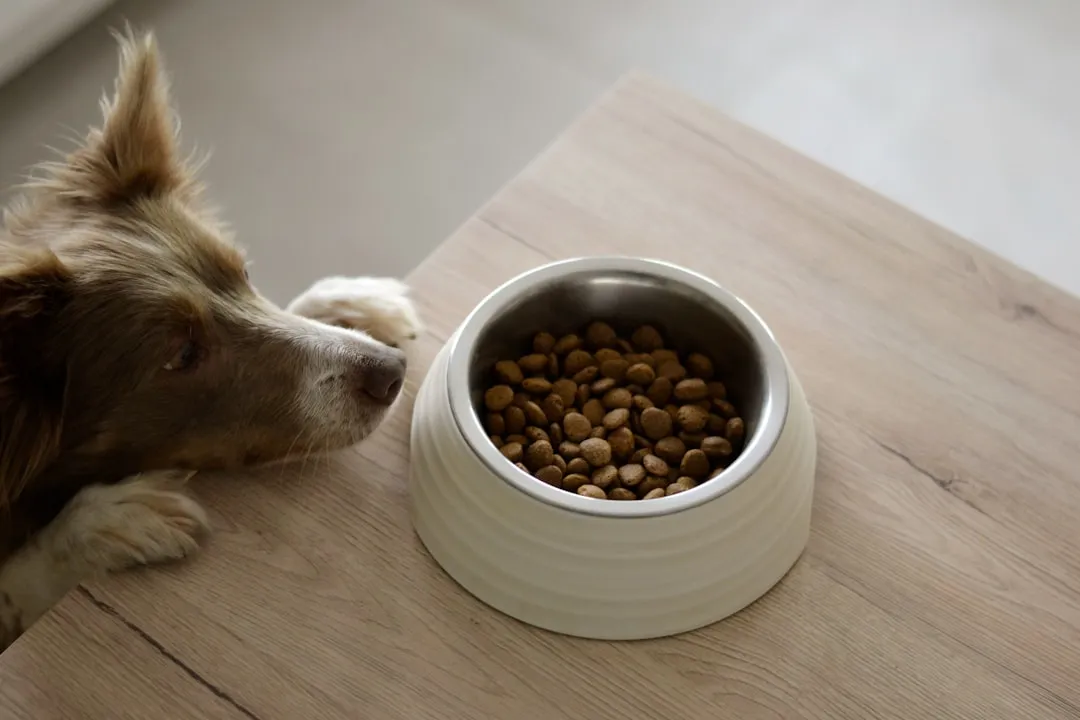
People obsess over whether their new dog eats at all, but the more telling sign comes later. Insecure dogs often wolf food down like it’s their last meal, guard the bowl, or hover anxiously even after finishing. Some barely eat at all because stress shuts appetite down completely.
Weeks in, something shifts. They start walking away from a half-full bowl, saving it for later. They chew slowly, wander off for a drink, then come back like there’s no rush at all.
- Wolfing food down like it’s their last meal, or the opposite – barely eating
- Guarding the bowl or hovering anxiously even after finishing
To a behaviorist, that’s huge. It means their nervous system no longer treats every meal like a survival event. A dog who believes food will keep appearing in the same place, at the same time, from the same person has accepted the predictability of their new life. It’s subtle, easy to miss – and extremely telling.
#9 – They Start “Talking Back” Instead of Just Complying
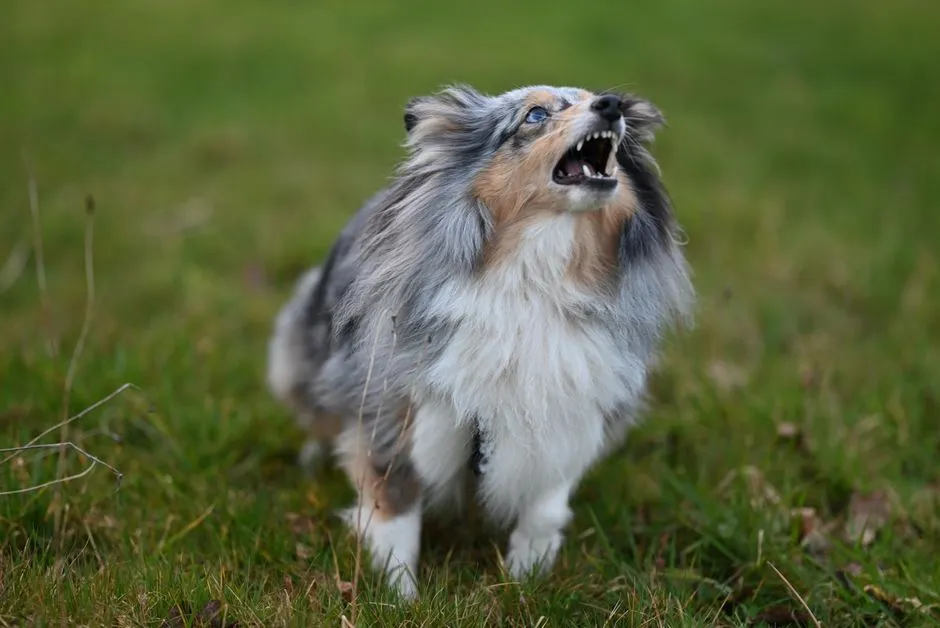
Early on, many rescues are eerily polite. They flinch, freeze, or obey instantly, and people brag, “He’s so well-behaved!” Often, he’s just terrified of getting anything wrong.
The real breakthrough is when your dog dares to have an opinion. They huff when asked to move. They groan dramatically when you say “bedtime.” They offer a playful bark if you stop a game too soon.
That pushback isn’t disrespect. It’s emotional safety. A dog that expects to be discarded again keeps everything low-risk – minimal noise, minimal demands, maximum appeasement. When they feel secure, they risk minor conflict, because they trust it won’t cost them their entire life.
This is where arguments explode online. Some people insist dogs should be seen and not heard. Modern trainers strongly disagree: that sassy murmur or side-eye is usually a sign they finally believe your relationship can handle it.
#8 – Play Gets Goofy, Not Just Polite
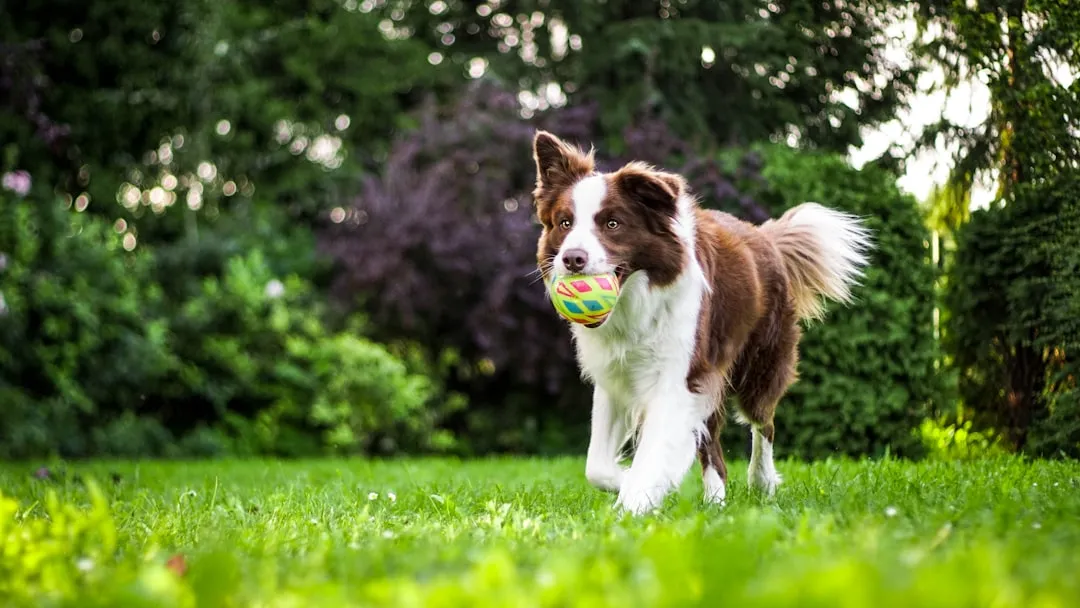
Many new owners are thrilled when a rescue will fetch or tug on day one. But watch closely – the body often stays tight, movements a bit stiff, pauses frequent. That’s testing-the-waters play, not full joy.
The moment they truly feel safe, play gets weird in the best way. Suddenly you see zoomies with wild, looping sprints around the house, play bows so low their chest smacks the floor, or a toy tossed in the air alone, just for the fun of it.
- Zoomies with wild, looping sprints around the house
- “Play bows” so low their chest smacks the floor
- They throw toys in the air alone, just for fun
Ethologists call this uninhibited play a strong welfare indicator. A dog convinced they might be uprooted again doesn’t waste energy on ridiculous antics; they conserve, observe, and overthink. When they start doing random “party tricks” they’ve never been taught – spinning before dinner, rolling around with a toy – that’s their nervous system finally yelling, “I live here. I can relax.”
#7 – They Stop Flinching at “Goodbye” Rituals
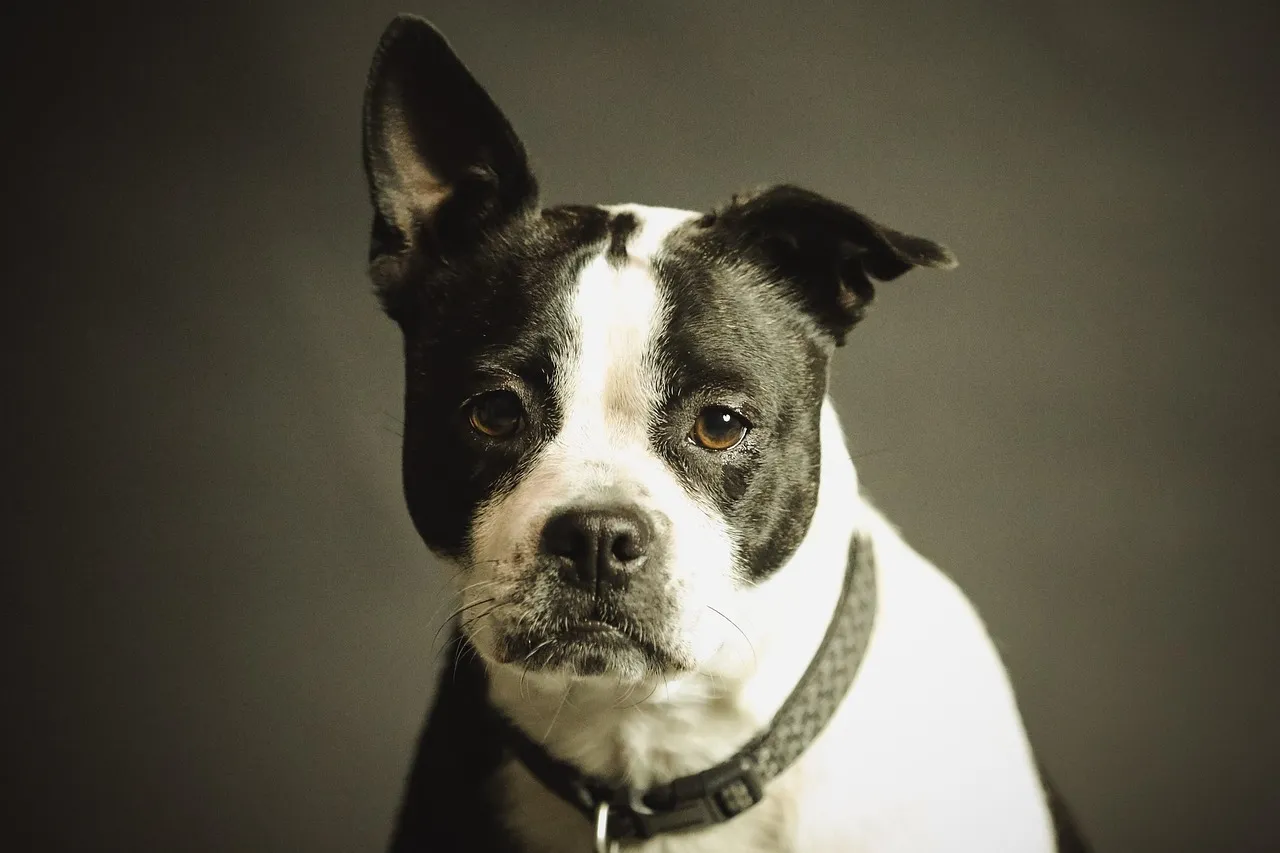
For a lot of rescues, doors are trauma triggers. Door closes means they left me. Car ride means where are we going this time, and is it back there. Early on, even casual departures can spark pacing, whining, or that heartbreaking stare at the door for an hour straight.
The real shift is when your routine goodbyes become background noise. You grab keys, and they barely lift their head. You say your usual “be good” and they just yawn and resettle into the couch.
- You grab keys, and they barely lift their head
- They drift to a window or bed instead of the front door
What changed? Repetition. Dogs are pattern-recognition machines. Once your rescue has seen you leave and return hundreds of times without something catastrophic happening, the amygdala – the brain’s alarm center – finally stands down. For many owners, that first truly calm goodbye is the moment they realize the dog has stopped waiting for the other shoe to drop.
Quick Compare
- New arrival: paces, whines, or stares at the door for long stretches after you leave
- Settled rescue: barely lifts their head when you grab your keys
- New arrival: greets every return like a rescue mission just succeeded
- Settled rescue: treats comings and goings as background noise
#6 – They Choose You Over the Doorbell

Here’s where things get surprisingly contentious. A lot of adopters crave the fantasy of the “everyone’s best friend” dog. But attachment science says something different: the dog that checks back with you during excitement is actually more secure than the one who barrels toward every new person.
At first, many rescues fling themselves at strangers or sprint to the threshold – anyone might be their next ticket out. Later, you’ll catch a different pattern: they run to investigate, then whip their head back to find your face, or even retreat to your side for a second before greeting the newcomer.
- A friend arrives, and they check back with you before greeting
- A package is delivered, and they hover near your leg first
That tiny “is this okay?” look is a relationship checkpoint. You’re no longer the current landlord; you’re the social anchor. Some people mislabel this as clingy or “too attached.” In reality, it’s one of the clearest signs they’re not shopping for a new home anymore.
#5 – They Risk Showing You Their Bad Days
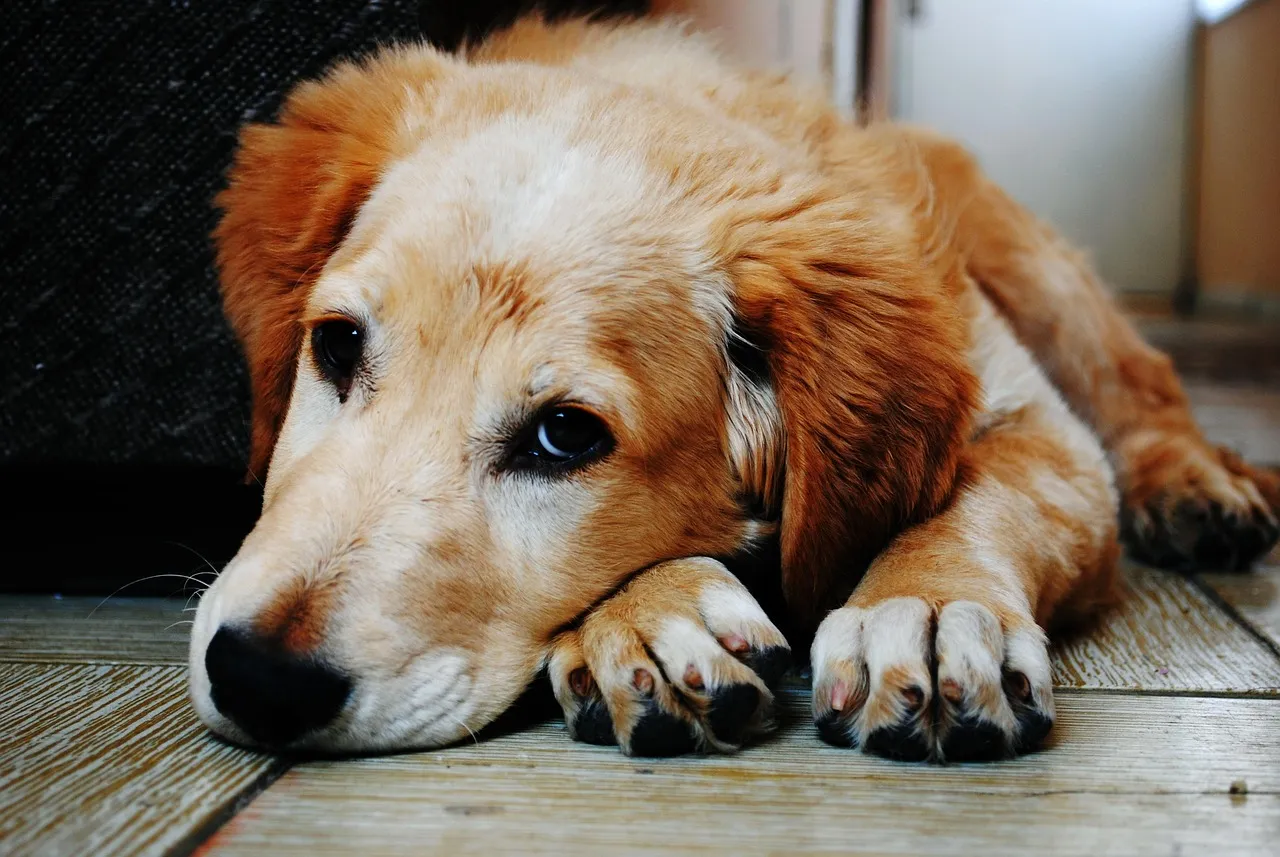
Here’s the brutal truth: a dog who believes love is conditional will hide anything that might get them rejected. Many rescues suppress fear, pain, even reactivity, then “suddenly” explode months later. What looks like a personality change is often the first time they feel safe enough to fully show you who they are.
You might see them startle at a specific sound and actually bark, growl softly when touched on a sore spot, or flat-out refuse a walk in bad weather instead of silently soldiering through it like before.
- Startling at a specific sound and actually barking
- Growling softly when touched somewhere sensitive
On social media, people rant that any growl is a “red-flag dog.” Modern behaviorists say the opposite: a dog who can communicate discomfort is far safer than one who shuts down. When your rescue trusts you enough to expose their fears and quirks, they’re convinced you won’t drive them back for not being perfect. That’s when real training – and real healing – actually starts.
#4 – They Start Running Your Schedule Before You Do
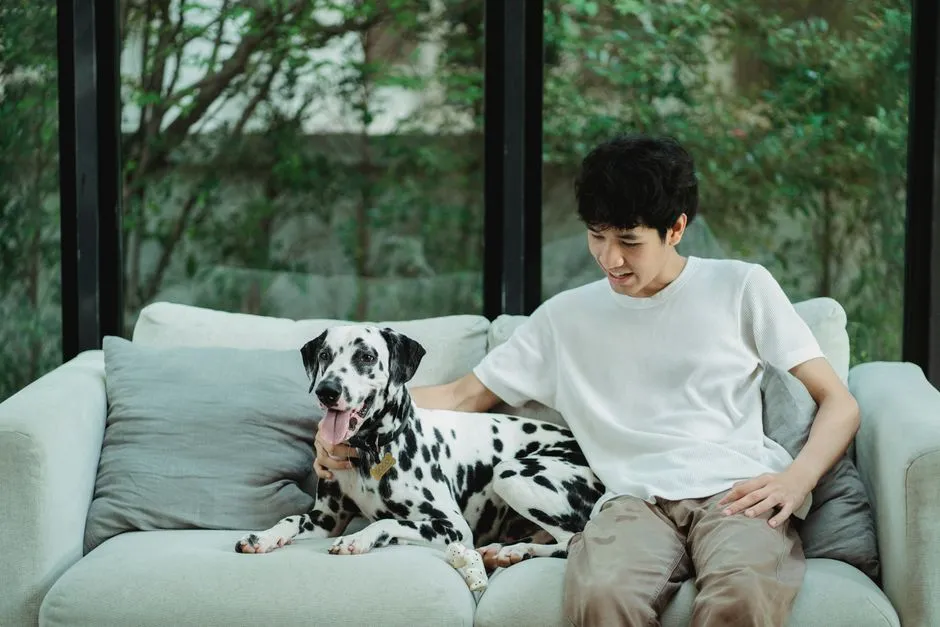
Temporary dogs act like guests in a hotel: they wait for instructions. Permanent dogs act like roommates: they anticipate the schedule. At first your rescue may stare blankly at bedtime, mealtimes, or walk prep, needing constant coaxing to move.
Then one day, you realize they’re already two steps ahead of you. At 7 p.m., they trot to the kitchen before you touch the food bin. When you dim the lights, they head to the bedroom without being asked.
- At 7 p.m., they trot to the kitchen before you touch the food bin
- Hearing you brush your teeth becomes their cue to grab the bed
This isn’t just “smart dog” behavior. It’s investment. They’ve mapped your patterns because they expect to be part of them long-term. Shelters see the opposite – dogs unlearn routines between homes, becoming chaotic and unmoored. When your rescue moves through your schedule like they helped write it, they’ve stopped waiting for the cancellation notice.
#3 – Their Body Language Softens Around Your Hands
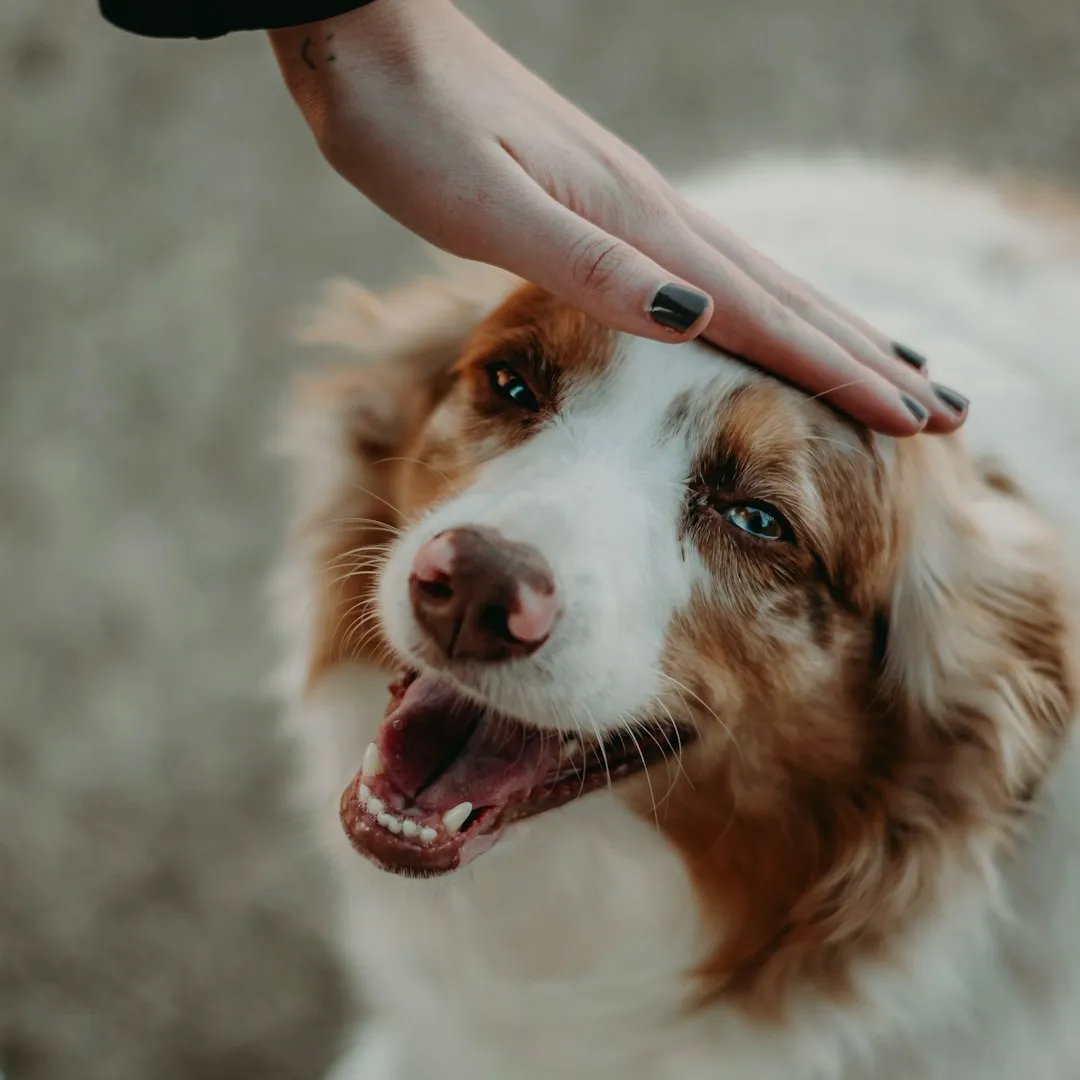
One of the most heartbreaking tells in a new rescue is how they brace for touch. Even with a wagging tail, many will freeze momentarily when a hand approaches, keep muscles tight while being petted, or offer “air licks” and yawns – classic appeasement signals under the surface.
The big shift is microscopic but massive: their body goes heavy in your hands. They lean, melt, and let gravity take over. Eyes half-close, mouth hangs open slightly, breathing slows down completely.
- They flop fully into your lap instead of perching on the edge
- They present their chest and neck, not just their back
From a fear-free handling perspective, this is gold. Dogs only turn off that constant micro-tension when they believe hands are 100% safe, predictable, and not a prelude to being yanked, crated, or shoved away. When your touch goes from tolerated to actively sought – with full-body relaxation as proof – they’re no longer humoring a stranger. You’re their person.
Why It Stands Out
- Full-body relaxation under touch is one of the clearest trust signals in canine body language
- Leaning into a hand takes more vulnerability than accepting a pat while braced
- Exposing the chest and neck are classic low-risk, high-trust postures
- Fear-free vets treat this shift as a milestone worth noting
#2 – They Start “Guarding” the Home Emotionally, Not Aggressively
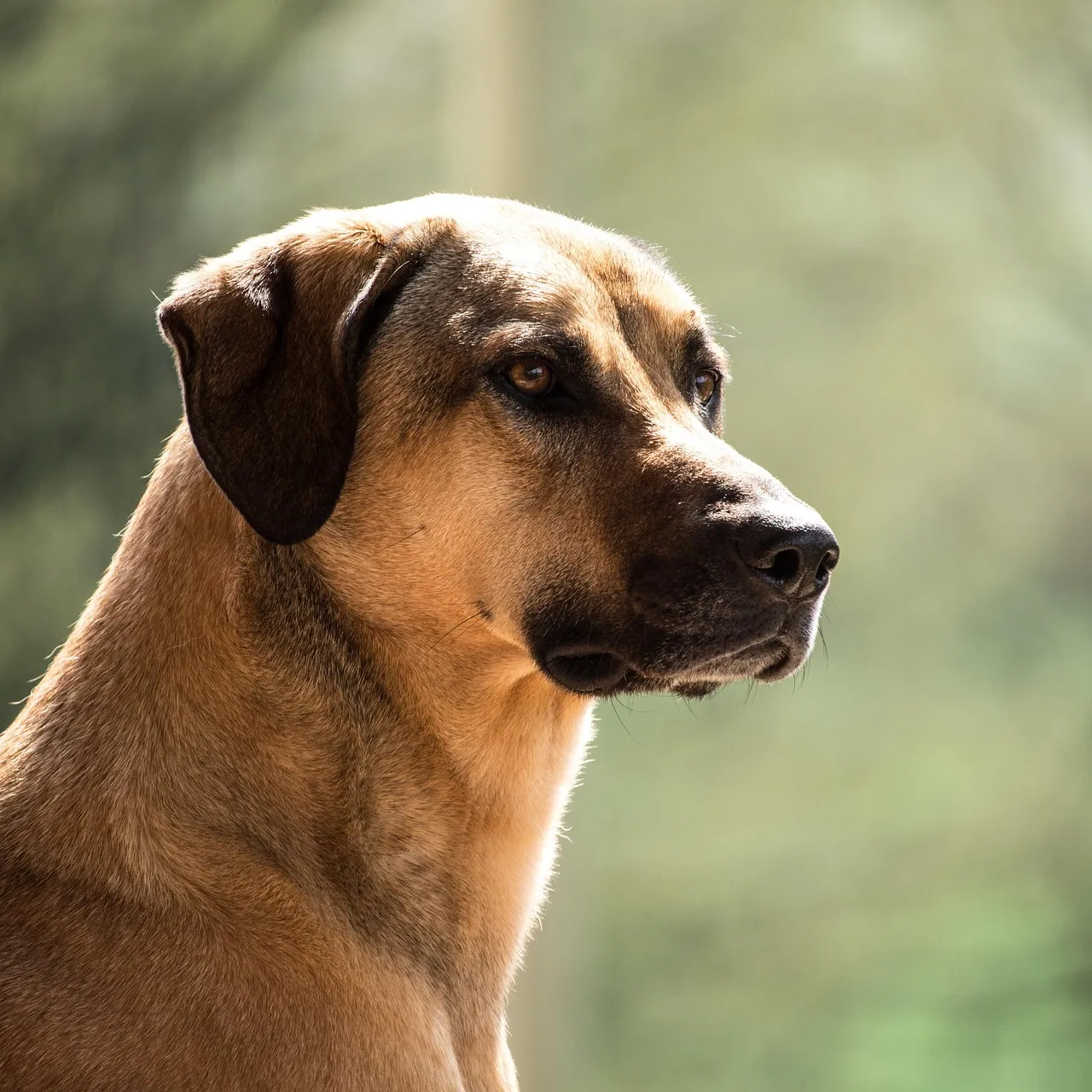
There’s a huge myth that any watchdog behavior is bad. Reality: a dog that feels no ownership over a space often stays eerily neutral. They don’t bark at noises because, to them, this isn’t “their” territory – it’s just the latest backdrop in a long line of temporary ones.
The emotional switch flips when your rescue begins to act like this place actually matters. That can look like an alert bark at an unusual noise, followed by checking back in with you, or sitting between you and the front door when something sounds off.
- Alert barks at unusual noises, then checking back in with you
- Patrolling windows at certain times, tail up but body loose
We’re not talking about fearful aggression or nonstop chaos barking. We’re talking about appropriate, situational vigilance. Behaviorists see this as a sign of secure attachment: they care what happens here because their entire sense of safety is now tied to this address. They’re not guarding an object; they’re invested in a family system.
#1 – They Greet You Like You’re a Return, Not a Rescue
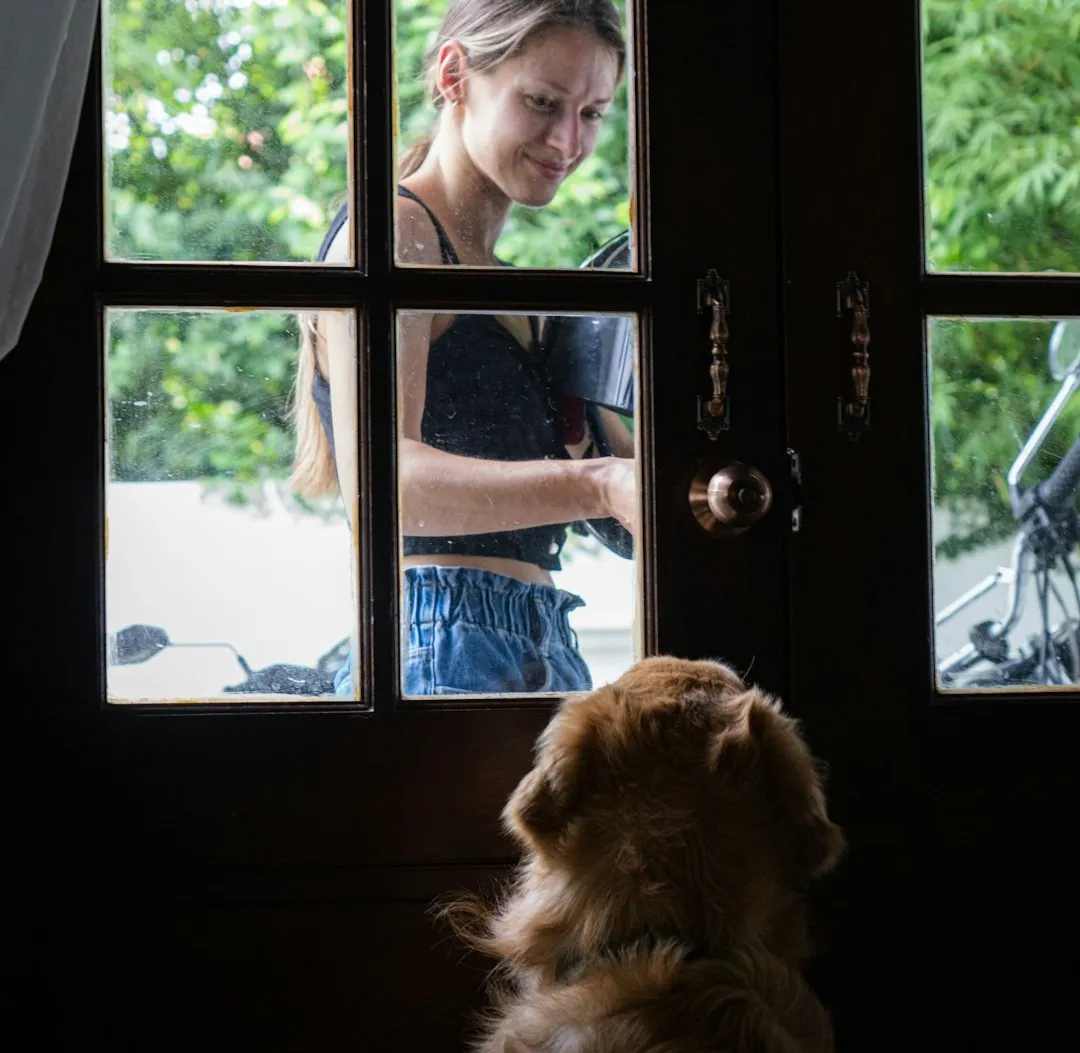
The most powerful moment isn’t dramatic. It’s that ordinary day when you walk in, and your rescue’s entire body telegraphs relief, not desperation. Early greetings are often frantic – wild jumping, panting, glassy eyes. It looks cute on TikTok, but many trainers read it as panic: “Thank God you came back. I thought that was it.”
The real “I’m home forever” greeting looks calmer. A wiggle from nose to tail, then a quick settle. Happy vocalizations paired with normal breathing. Maybe they grab a toy, invite play, or run through some silly “welcome home” ritual they invented themselves.
- Wiggle from nose to tail, then quick settle
- Happy vocalizations but normal, steady breathing
This is reunion, not rescue. They’re no longer taking roll call to make sure life didn’t just implode; they’re celebrating a predictable pattern. You came back yesterday, and the day before, and you’ll do it again tomorrow. In that moment, whether they were abandoned once or five times, they’ve finally stopped bracing for the drive back to the shelter.
Fast Facts
- Calm, settled greetings usually replace frantic ones as routines become predictable
- Steady breathing during hello moments points to relief, not adrenaline
- Self-invented “welcome home” rituals signal a dog feels secure enough to play
- A relaxed greeting is often the last milestone owners notice – and the most telling
The Bottom Line
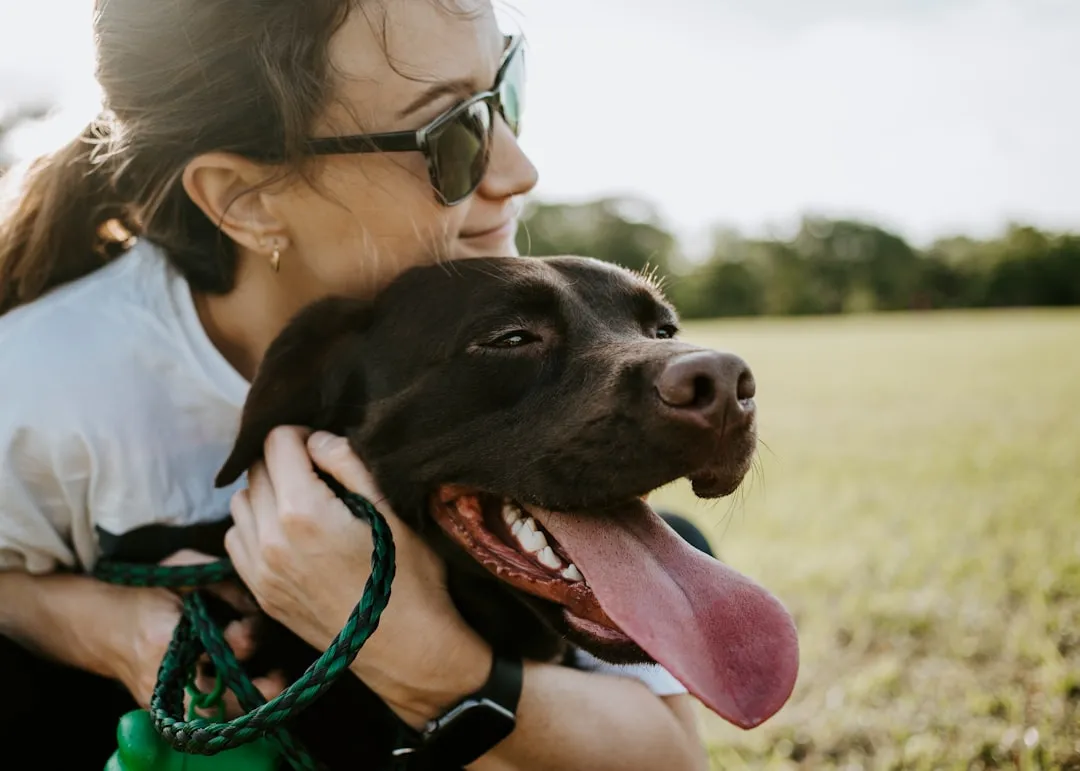
Rescue dogs don’t announce, “I trust you now.” They whisper it in messy, everyday behaviors: the ugly sleep sprawled in the middle of your hallway, the half-finished food bowl, the sassy grumble when you steal their spot on the couch.
These 13 moments aren’t just heartwarming – they’re behavioral proof that a dog who once had every reason to expect rejection has finally relaxed into belonging.
Some people still insist a dog should be perfectly obedient, silent, and grateful from day one. The truth is harsher and better: a rescue that dares to take up space, have opinions, and invest in your routines is a dog who believes you won’t return them for being real. That’s not a red flag. That’s the whole point.
Did we miss a moment your rescue used to say, “I’m home”? Drop it in the comments.