

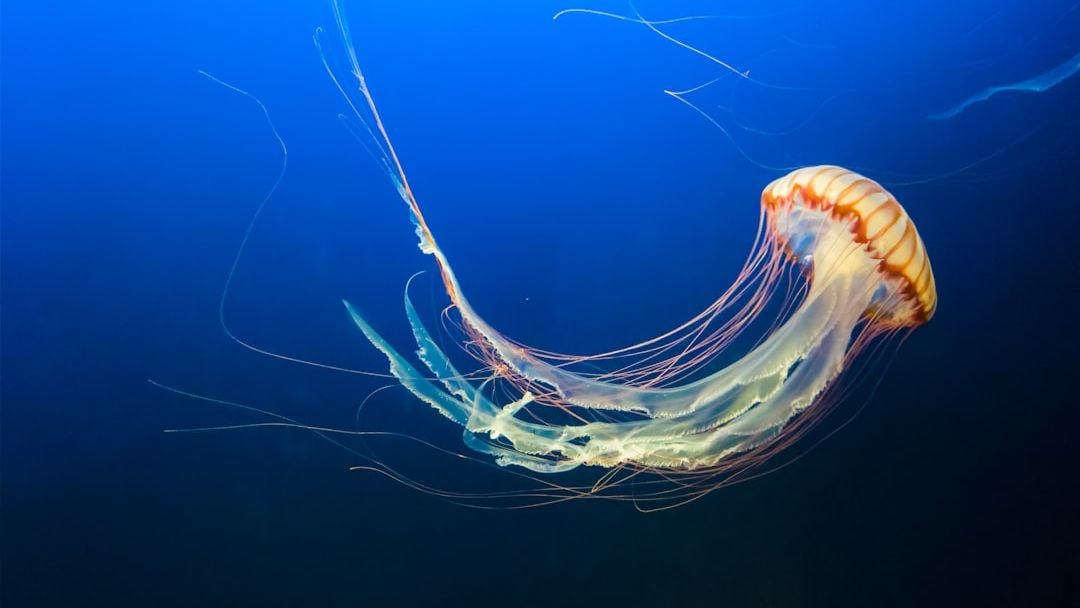
How to Stay Safe Around Jellyfish This Beach Season – Image for illustrative purposes only (Image credits: Unsplash)
Beach outings can shift from relaxing to uncomfortable in moments when jellyfish appear, and lingering misconceptions often shape how people react. These gelatinous creatures spark plenty of confusion each season, turning simple encounters into sources of unnecessary alarm or mishandled situations. Clear information supports both personal safety and broader efforts to protect marine life.
Myths Shape Everyday Decisions
Misconceptions about jellyfish spread easily through casual conversations and online posts, leading many to overestimate risks or underestimate the animals’ role in ocean ecosystems. The result is a mix of overreactions and missed opportunities to appreciate these ancient species without fear. Accurate understanding reduces panic and encourages more measured responses when sightings occur.
Wildlife conservation benefits when beach visitors move beyond outdated stories. People who view jellyfish as threats rather than natural components of the marine environment may support less effective protection measures. Replacing fiction with facts helps align public behavior with the needs of coastal habitats.
Building Better Awareness
Preparation begins with recognizing that jellyfish presence varies by location, water temperature, and time of year. Local reports and official beach advisories provide the most reliable guidance rather than generalized assumptions. This approach keeps expectations realistic and actions appropriate.
Respect for the animals themselves forms another layer of safety. Avoiding direct contact and observing from a distance prevents most issues while supporting conservation goals. Such habits protect both swimmers and the jellyfish populations that contribute to ocean food webs.
What Changes With Better Information
- Reduced anxiety during routine beach visits
- More consistent support for marine protection programs
- Fewer unnecessary interventions that can harm the creatures
- Stronger alignment between public behavior and scientific understanding
Season after season, the gap between perception and reality continues to influence how people share the shoreline with jellyfish. Closing that gap through reliable sources offers the clearest path forward for safer, more informed coastal experiences.
