

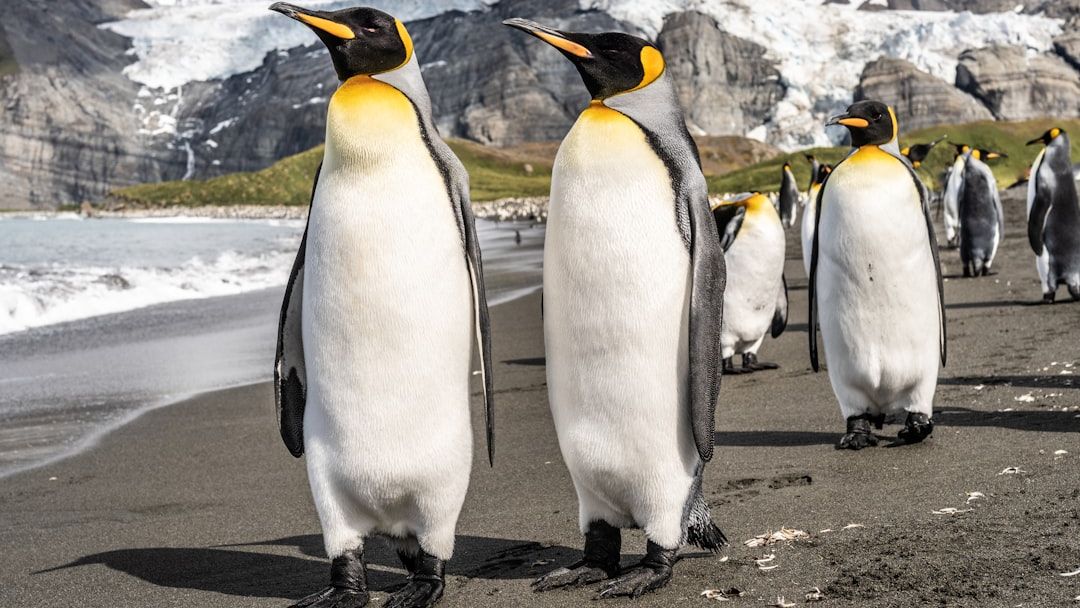
There’s something deeply fascinating about a species bucking the trend. While climate change is hammering ecosystems across the planet, one animal is seemingly doing better than expected. King penguins, those strikingly regal birds with their vivid orange-gold chest patches, appear to be among the rare winners in a world that’s rapidly shifting beneath everyone’s feet.
It sounds like cause for celebration. Honestly, in some ways it is. Yet scientists are warning that the story is far more complicated than a simple feel-good headline. Dig a little deeper and you’ll find questions about ecological balance, species competition, and what “thriving” really means in a destabilizing world. Let’s dive in.
A Rare Piece of Positive News in a Sea of Climate Doom
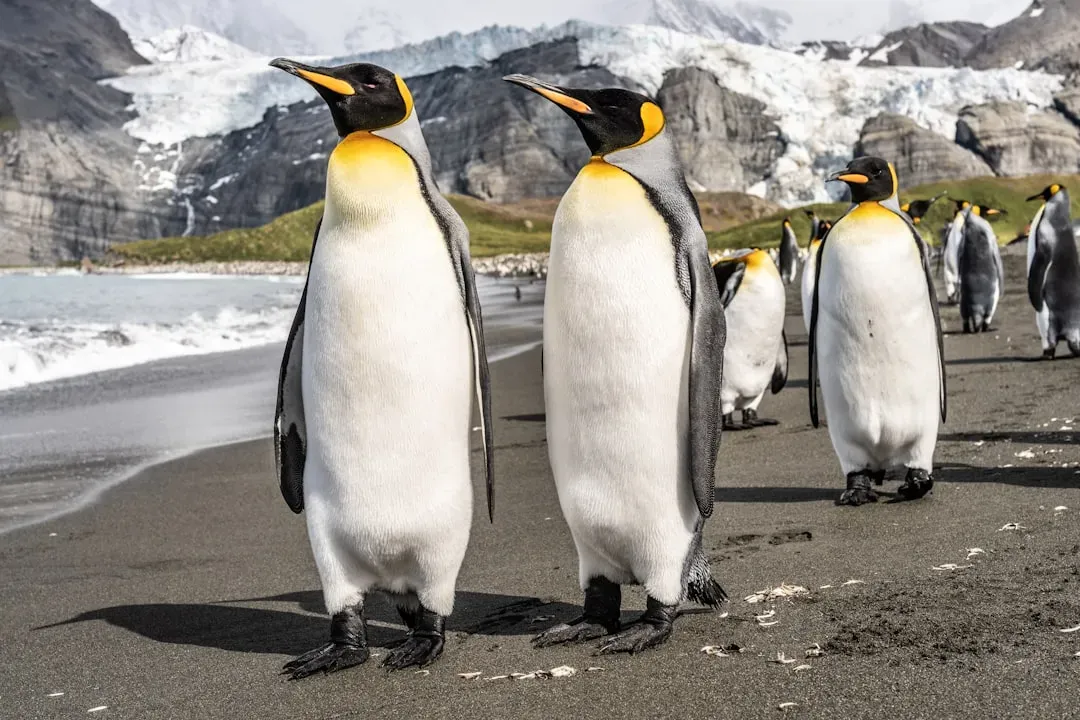
Let’s be real – good news about wildlife and climate change doesn’t come around very often. So when researchers began noticing that king penguin populations were holding steady or even growing in certain regions, it raised eyebrows in the scientific community. Most species associated with polar and subpolar environments are facing mounting pressure from warming oceans and shrinking habitats.
King penguins breed on subantarctic islands scattered across the Southern Ocean, places like South Georgia, the Crozet Islands, and Kerguelen. These aren’t exactly tropical paradises, but the conditions there are precisely what king penguins have evolved for. The surprising part is that as other species around them face decline, kings are managing to capitalize on the shifting conditions rather than collapse under them.
What the Research Actually Shows
Scientists studying southern ocean ecosystems have found that king penguins are benefiting from changes in sea surface temperatures and the redistribution of fish stocks. As warmer waters push prey species further south or into new zones, king penguins appear flexible enough to follow. Their foraging range is impressively wide, and that adaptability is giving them an edge.
Here’s the thing though – this isn’t a universal win across every king penguin colony. Some populations are doing remarkably well, while others in slightly different geographic positions are showing more stress. The research highlights a patchy picture, where local conditions, ocean current shifts, and prey availability all interact in complex ways. It’s less a story of a species “winning” and more a story of certain populations finding a temporary sweet spot.
The Role of Shifting Ocean Temperatures
The Southern Ocean is warming, and that process is reorganizing marine food webs in ways scientists are still scrambling to fully understand. For king penguins, one of the key factors seems to be the southward movement of the Antarctic Polar Front, a critical oceanic boundary that influences where fish and squid congregate. When this front shifts, it changes where penguins have to travel to find food.
Counterintuitively, in some areas this shift is actually shortening the distance king penguins need to swim to reach productive feeding grounds. Think of it like a grocery store moving closer to your house. Less travel means less energy burned, which means better breeding success and healthier chicks. It’s a narrow advantage, but in the brutal economics of wildlife survival, narrow advantages can make an enormous difference over time.
Competition and What Thriving Really Costs the Ecosystem
This is where the story gets uncomfortable. When one species thrives, it rarely happens in isolation. King penguins eating more fish and squid means there’s less available for other predators in the same ecosystem. Species like macaroni penguins, fur seals, and various seabirds all compete for overlapping prey. A boom in king penguin populations could put additional strain on already stressed food sources.
Scientists are careful to point out that ecological systems are not zero-sum games in a simple sense, but resource competition is real and measurable. I think this is the part most casual readers miss when they see a cheerful headline about animals doing well. Every population surge has ripple effects. The question researchers are now asking is not just whether king penguins are thriving, but what that thriving is costing the broader community of life in the Southern Ocean.
Breeding Success and Population Dynamics
King penguins have a uniquely slow reproductive cycle compared to most seabirds. They raise just one chick at a time over a period of roughly 13 months, which means their population growth is inherently gradual. Despite this, some colonies have shown genuine increases in breeding pairs, a meaningful signal that conditions are currently favorable enough to sustain more animals through the full reproductive cycle.
Chick survival rates appear to be improving in the better-positioned colonies, which researchers link directly to food availability during the critical fledgling period. When parent birds don’t have to travel as far or as long to bring back meals, chicks are fed more consistently and build up the fat reserves they need to survive their first winter. It’s a cascade of small improvements that compounds into real population gains. Still, scientists urge caution about projecting these trends too far into the future.
The Long-Term Outlook Is Anything But Certain
Here’s the sobering part. The same warming trends that are currently benefiting some king penguin populations are also expected to intensify. What acts as a temporary advantage today could become a serious problem as temperatures continue to rise beyond certain thresholds. The polar front will keep shifting, prey distributions will keep changing, and at some point the balance that currently works in the penguins’ favor may tip the other way.
Researchers emphasize that king penguins are not immune to climate change – they are simply experiencing a particular phase of it that happens to suit them right now. It’s a bit like someone enjoying the early warm days of an approaching storm, unaware of what’s building on the horizon. The window of benefit could be relatively short in ecological terms, and the scientific community is keen to monitor whether these positive trends persist or reverse as conditions continue to evolve.
Why This Story Matters Beyond Penguins
King penguins are what scientists sometimes call an indicator species. Their health and population trends reflect the broader condition of the Southern Ocean ecosystem. When they do well, it tells us something meaningful about the state of fish stocks, ocean temperatures, and the overall productivity of one of the most important marine environments on Earth.
The fact that researchers are now carefully tracking winners and losers in the climate change era marks a shift in how conservation science approaches the problem. It’s not enough to simply count declining species anymore. Understanding why some animals are temporarily gaining ground gives us insight into the mechanisms of ecological change. That knowledge, honestly, could be some of the most valuable we have as we try to navigate what comes next for the planet’s wildlife.
Conclusion: A Hopeful Sign With a Heavy Asterisk
King penguins thriving in a climate-disrupted world is genuinely interesting and, yes, a little bit encouraging. It shows that nature can surprise us and that some species have more flexibility than we assume. Celebrating that feels right, and I don’t think we should let the complexity drain away every drop of good news.
Yet the fuller picture demands honesty. A species doing well in one moment does not mean the ecosystem is healthy or that the underlying crisis has eased. The Southern Ocean is changing fast, and king penguins are riding a wave that may not keep running in their direction. The real takeaway here is that the natural world is complicated, adaptive, and impossible to reduce to simple narratives of winners and losers. What do you think – does news like this give you hope, or does the uncertainty make it harder to hold onto? Share your thoughts in the comments.

- Urban Coyotes Show Remarkable Adaptability, Learning to Thrive in City Environments - July 22, 2026
- Beavers Are Nature’s Engineers, Creating Vital Habitats for Other Wildlife Species - July 21, 2026
- The Recovery of the California Condor Offers Hope for Other Critically Endangered Birds - July 21, 2026