

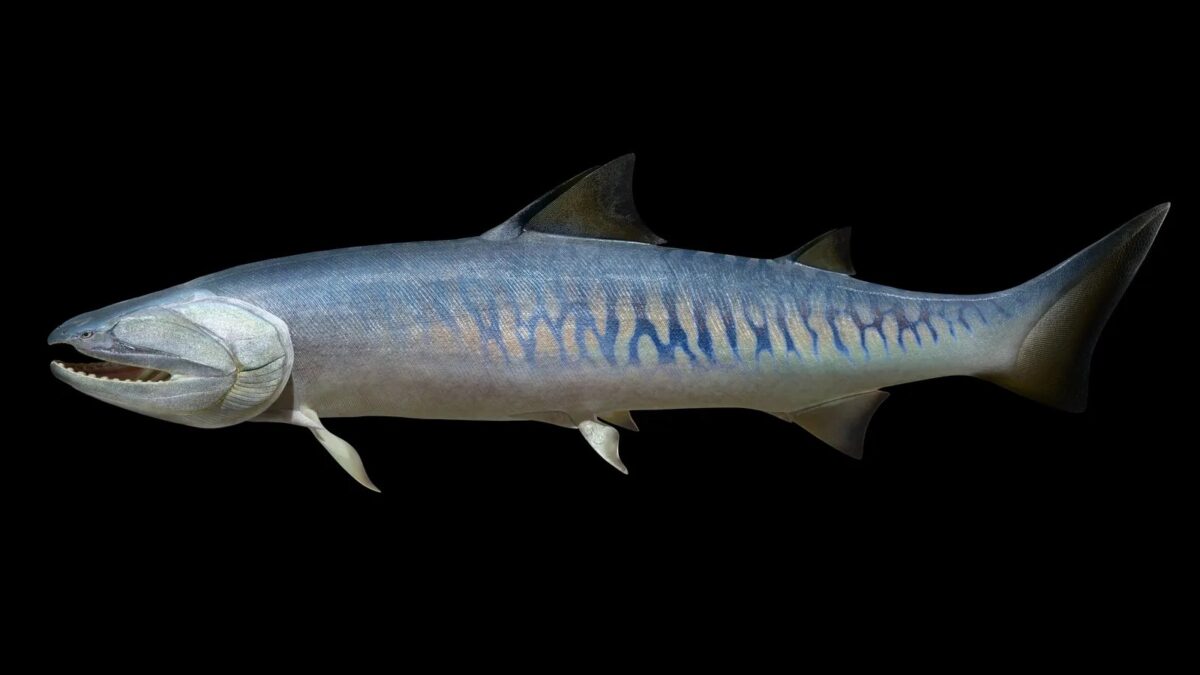
Millions of years before mammals as we know them roamed the earth, strange creatures were quietly evolving some of the most unusual dental adaptations ever seen in the fossil record. A newly studied fossil has thrown paleontologists into a bit of a frenzy, and honestly, it’s not hard to see why.
This discovery doesn’t just fill a gap in the evolutionary timeline. It forces scientists to reconsider how early mammals were chewing, surviving, and adapting to their environments in ways nobody had quite predicted. Let’s dive in.
A Fossil That Nobody Saw Coming
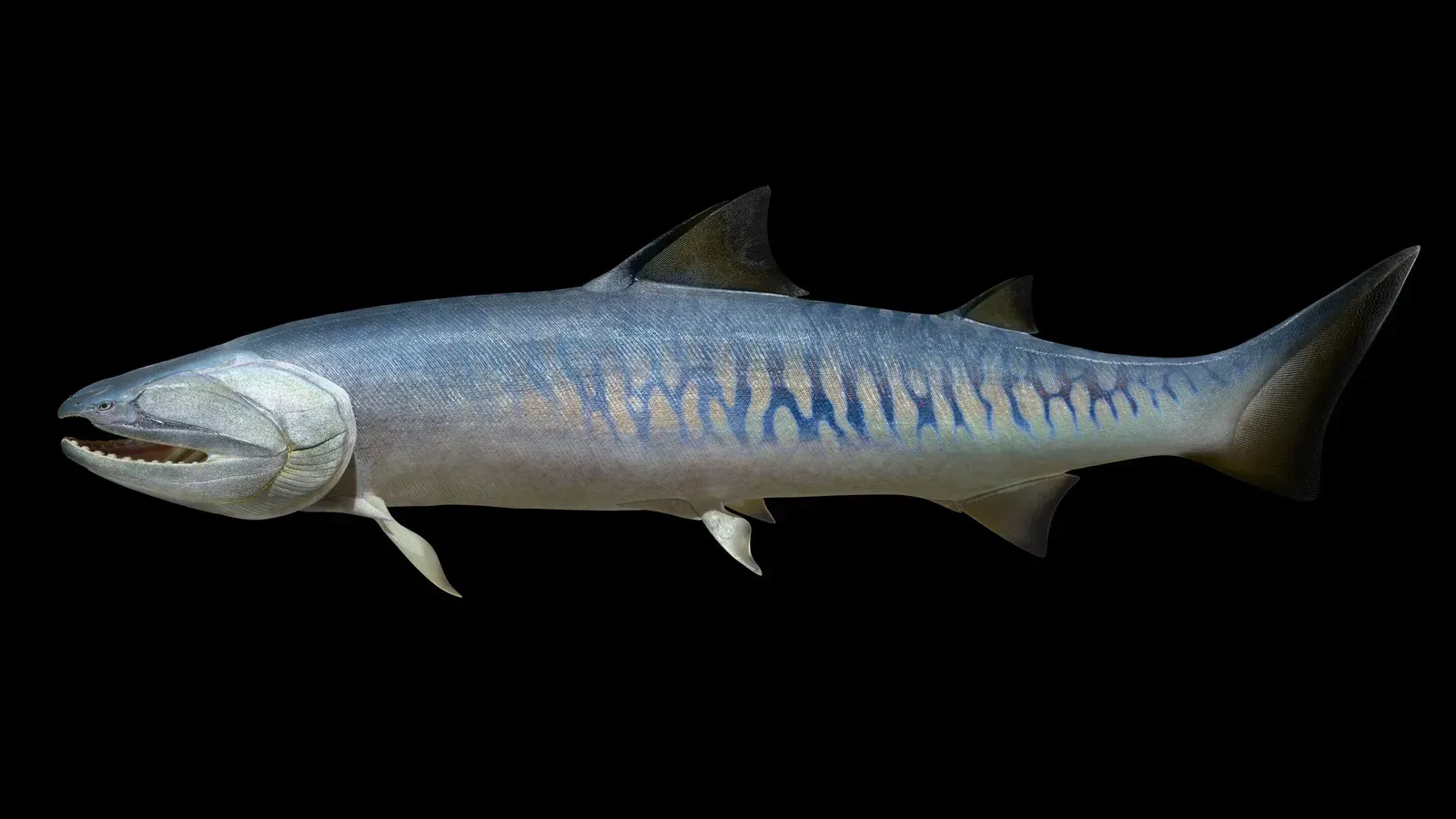
Here’s the thing about paleontology: just when researchers think they’ve mapped out the broad strokes of early mammal evolution, something turns up that scrambles the picture entirely. This particular fossil, studied and reported through research shared on Phys.org in early 2026, belongs to an ancient mammal relative that possessed a jaw structure quite unlike anything documented before.
The specimen reveals what scientists are describing as “tooth cushions,” a soft tissue adaptation preserved in remarkable detail. Finding soft tissue evidence in fossils is genuinely rare. Most fossilization processes preserve bone and hard mineral structures, so when something like this survives the geological ages, it demands serious attention.
What makes this find so striking is that it suggests these early creatures were not simply grinding or slicing food in the ways we assumed. Their mouths were doing something far more nuanced, almost mechanically sophisticated for animals of their era.
What Exactly Are Tooth Cushions?
Think of tooth cushions almost like the shock absorbers on a car. Rather than hard tooth meeting hard food directly, these cushioned structures would have acted as a buffer, distributing force and potentially allowing the animal to process tougher or more varied food sources without cracking its teeth.
In modern animals, we see analogous structures in some species, but the presence of something this specialized in such ancient creatures is genuinely surprising. It suggests that dietary flexibility arrived much earlier in mammal evolution than the textbooks currently claim.
Honestly, I find this kind of discovery quietly mind-blowing. It’s a reminder that evolution was already experimenting with complexity and ingenuity long before the creatures we consider “advanced” ever appeared on the scene.
The Creature Behind the Teeth
The animal in question was not a dinosaur, not a reptile in the classic sense, but a mammal precursor, part of that fascinating and often overlooked group of creatures that bridges the gap between reptilian ancestors and true mammals. These animals lived in a world dominated by much larger predators, and survival often came down to dietary adaptability.
Having specialized oral structures would have given this creature a distinct edge. It could potentially exploit food sources that competitors with simpler teeth simply couldn’t process efficiently. In ecology, that kind of niche advantage can be the difference between a lineage thriving for millions of years or vanishing entirely.
The fossil itself appears to be well-preserved enough that researchers could analyze not just the bone structure but also the impressions and residue left by soft tissue. That level of preservation is extraordinarily uncommon and turns this specimen into something of a scientific gold mine.
How Soft Tissue Survived Millions of Years
This is the question that fascinates me almost as much as the discovery itself. Soft tissue simply does not survive under normal fossilization conditions. Bones mineralize, but flesh, cartilage, and delicate oral tissues typically decompose long before the fossilization process can lock them in place.
In cases where soft tissue impressions do survive, it usually comes down to a perfect storm of conditions: rapid burial, low oxygen environments, specific mineral-rich sediments, and sometimes a little geological luck. Scientists examining this fossil believe the burial conditions were unusually favorable, essentially wrapping the specimen in a chemical environment that slowed degradation dramatically.
It’s a bit like finding a perfectly preserved sandwich from antiquity. Improbable, almost absurd, yet here it is, staring back at researchers through a microscope.
What This Means for Our Understanding of Early Mammal Diets
The conventional picture of early mammal feeding was relatively straightforward. Small insectivores, simple crushing or piercing teeth, fairly limited dietary range. This fossil complicates that picture in the best possible way.
If tooth cushions were present in this lineage, it raises the immediate question of how widespread such adaptations might have been across other early mammal relatives. Were researchers simply missing the evidence before, or is this an isolated evolutionary experiment? The honest answer, at this stage, is that nobody knows for certain.
What researchers can say with more confidence is that early mammals were ecologically more diverse and behaviorally more sophisticated than older models suggested. The more fossils like this that emerge, the more that simplified narrative continues to dissolve.
The Bigger Picture for Evolutionary Science
Discoveries like this one have a ripple effect across multiple scientific disciplines. Evolutionary biologists, ecologists, biomechanists, and even materials scientists all find value in understanding how ancient organisms solved the mechanical problem of eating.
Tooth cushions, if proven to be more widespread through further fossil discoveries, could inform our understanding of how modern mammal jaw mechanics evolved. There are living mammals today whose chewing adaptations remain poorly understood, and tracing those traits back through deep time helps build a more complete picture.
Let’s be real: every time a fossil rewrites a chapter of the evolutionary story, it also reminds us how incomplete our knowledge still is. The fossil record is vast, poorly sampled, and full of surprises waiting beneath ancient rock layers around the world.
Why This Discovery Deserves More Attention Than It’s Getting
Science news moves fast in 2026, and a story about ancient jaw cushions is easy to overlook next to flashier headlines. That would be a mistake. This fossil represents the kind of quiet, foundational discovery that reshapes entire fields without making the front page.
The preservation quality, the anatomical novelty, the evolutionary implications, all of it stacks up to make this one of the more genuinely significant paleontological finds reported in recent months. It doesn’t come with a dramatic name or a reconstructed roar, just a small, strange jaw that quietly rewrote what we thought we knew.
For those of us who find wonder in the deep history of life on earth, this is the kind of story that lingers. What other extraordinary adaptations are sitting undiscovered in cliff faces and riverbeds right now, just waiting for the right set of eyes to find them? What do you think we’re still missing? Drop your thoughts in the comments.

- Urban Coyotes Show Remarkable Adaptability, Learning to Thrive in City Environments - July 22, 2026
- Beavers Are Nature’s Engineers, Creating Vital Habitats for Other Wildlife Species - July 21, 2026
- The Recovery of the California Condor Offers Hope for Other Critically Endangered Birds - July 21, 2026