


When kittens sleep, they often form adorable little piles, curling up against one another in a heartwarming display of feline togetherness. This charming behavior isn’t just cute to observe—it serves critical biological and psychological functions in kitten development. From temperature regulation to emotional security, the pile-napping behavior of kittens represents an important survival strategy that has been perfected through generations of feline evolution. In this comprehensive exploration, we’ll uncover the science, instincts, and benefits behind why kittens nap in piles, and why this behavior is so important for their growth, development, and overall well-being.
The Biological Necessity of Pile Napping
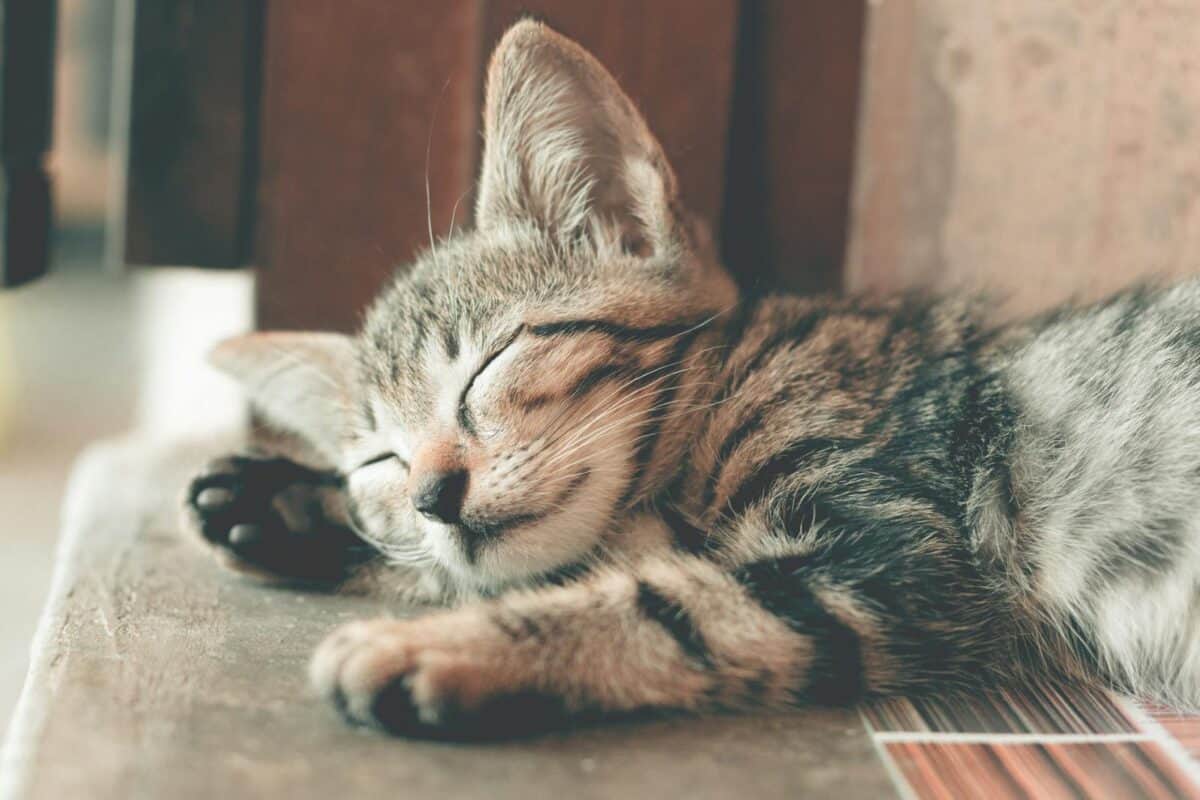
Kittens are born relatively underdeveloped compared to many mammals. In their first weeks of life, they cannot effectively regulate their own body temperature, making them vulnerable to hypothermia. Their small bodies have a high surface-area-to-volume ratio, which means they lose heat rapidly. Mother cats provide essential warmth, but when she needs to hunt or take a break, kittens instinctively cluster together to preserve body heat.
This pile-forming behavior is not merely a preference but a biological necessity for survival. Scientific studies have shown that orphaned kittens who sleep together have significantly higher survival rates than those forced to sleep alone, primarily due to their improved ability to maintain optimal body temperature when snuggled together.
The Science of Thermal Regulation in Kittens

Kittens have incomplete thermoregulation abilities until they’re about four weeks old. When they pile together, they create a microclimate that helps them maintain their body temperature at around 100°F (37.8°C), which is crucial for their metabolic processes. Each kitten in the pile contributes body heat while simultaneously benefiting from the warmth of others.
The kittens positioned in the middle of the pile typically experience the most consistent warmth, which is why littermates often rotate positions during extended napping sessions. This natural rotation ensures that all kittens receive adequate warmth over time. Research has demonstrated that kittens who sleep in piles maintain more stable body temperatures with less energy expenditure, allowing them to direct more resources toward growth and development.
Psychological Comfort and Security

Beyond physical warmth, sleeping in piles provides immense psychological benefits for kittens. The close contact simulates the security they felt in the womb and the early days of nursing alongside their siblings. This physical closeness releases oxytocin—often called the “bonding hormone”—which reduces stress and promotes feelings of security.
Veterinary behaviorists have observed that kittens who sleep in piles generally display fewer anxiety behaviors and develop more confident personalities. The pile serves as a source of comfort during vulnerable sleep states, when kittens might otherwise feel exposed to potential threats. Even in safe domestic environments, this instinctive behavior persists as a source of emotional regulation for developing kittens.
The Evolutionary Advantage of Group Sleeping
From an evolutionary perspective, pile sleeping provides multiple survival advantages that have reinforced this behavior through natural selection. In the wild, predators are less likely to detect a single mass of kittens than individuals scattered about. The shared warmth allows kittens to conserve energy that would otherwise be spent on thermoregulation, enabling them to grow faster and become self-sufficient earlier.
Additionally, sleeping in close proximity enables littermates to quickly alert one another to potential dangers. This collective vigilance, even during rest periods, has been documented in feral cat colonies where kittens who sleep together demonstrate faster startle responses to environmental threats than solitary sleepers. These combined advantages have cemented pile napping as a deeply ingrained survival strategy in feline genetics.
The Social Bonding Function of Pile Napping

Pile napping plays a crucial role in the socialization process of young kittens. As they sleep together, they develop important social skills through constant physical feedback—learning boundaries, communication cues, and hierarchical structures within their litter. Researchers studying feline behavior have found that kittens who regularly sleep in piles develop stronger social bonds with their littermates, which translates to better socialization with humans and other animals later in life.
The physical contact during sleep helps kittens learn appropriate play intensity and develops their ability to read subtle body language signals from other cats. These social learning moments during pile naps contribute significantly to their behavioral development and future social adaptability.
Age-Related Changes in Pile Napping Behavior

As kittens mature, their pile napping behavior naturally evolves. Newborns spend nearly 90% of their time sleeping, almost always in contact with siblings or their mother. By three to four weeks, as their thermoregulation improves, they begin taking short solo naps but return to the pile for longer sleep periods.
Around seven to eight weeks, most kittens have developed sufficient thermoregulatory abilities to sleep comfortably alone, yet many continue to seek out pile napping opportunities due to the psychological comfort it provides. By adulthood, most cats have outgrown consistent pile sleeping, though many house cats with strong bonds will occasionally sleep in contact with feline housemates throughout their lives. This gradual transition reflects both their physiological development and growing independence.
Pile Positioning and Hierarchy
Careful observation of kitten piles reveals fascinating dynamics regarding position preferences and subtle hierarchies. More dominant kittens often claim central positions in the pile, where warmth is most consistent and protection from environmental disturbances is greatest. Researchers studying litter dynamics have documented that weaker or smaller kittens frequently end up on the periphery of piles initially but may work their way inward as they develop confidence and social standing.
The pile configuration isn’t static—kittens shift positions throughout sleep cycles, often rotating to ensure everyone gets time in the coveted center spots. These position negotiations represent early social learning about compromise and cooperation, skills that will serve them throughout their feline lives.
Supporting Orphaned Kittens’ Need to Pile

For those raising orphaned kittens, understanding the importance of pile napping is crucial for proper development. Animal welfare specialists recommend providing substitutes for littermate contact when raising single orphaned kittens. Soft plush toys, specially designed “heartbeat” stuffed animals, or even gently warmed rice-filled socks can simulate the comfort of sleeping with siblings.
For multiple orphaned kittens, allowing and encouraging pile napping is essential, even when providing external heat sources like warming pads. Rescue organizations typically house orphaned kittens together specifically to enable this natural behavior, recognizing that the psychological benefits are just as important as the thermal advantages. Providing safe, confined sleeping spaces that encourage close contact helps recreate the natural nesting environment these vulnerable kittens would experience with their mother.
How Human Caregivers Can Support Healthy Pile Napping
Human caregivers can facilitate healthy pile napping by creating appropriate sleeping environments for kittens. Ideal nesting areas should have raised edges that kittens can press against, mimicking the security of a mother’s body. The sleeping area should be sized appropriately—large enough to accommodate all kittens comfortably but small enough that they naturally maintain contact. Soft, washable bedding materials that hold warmth well, such as fleece or microfiber, are ideal.
The nesting area should be located away from drafts and foot traffic but within hearing distance of household activities, as complete isolation can cause anxiety in kittens. For very young kittens under three weeks, supplemental heating (maintained at 85-90°F) should be provided to one portion of the sleeping area, allowing kittens to regulate their temperature by moving closer to or further from the heat source as needed.
When Pile Napping Continues into Adulthood
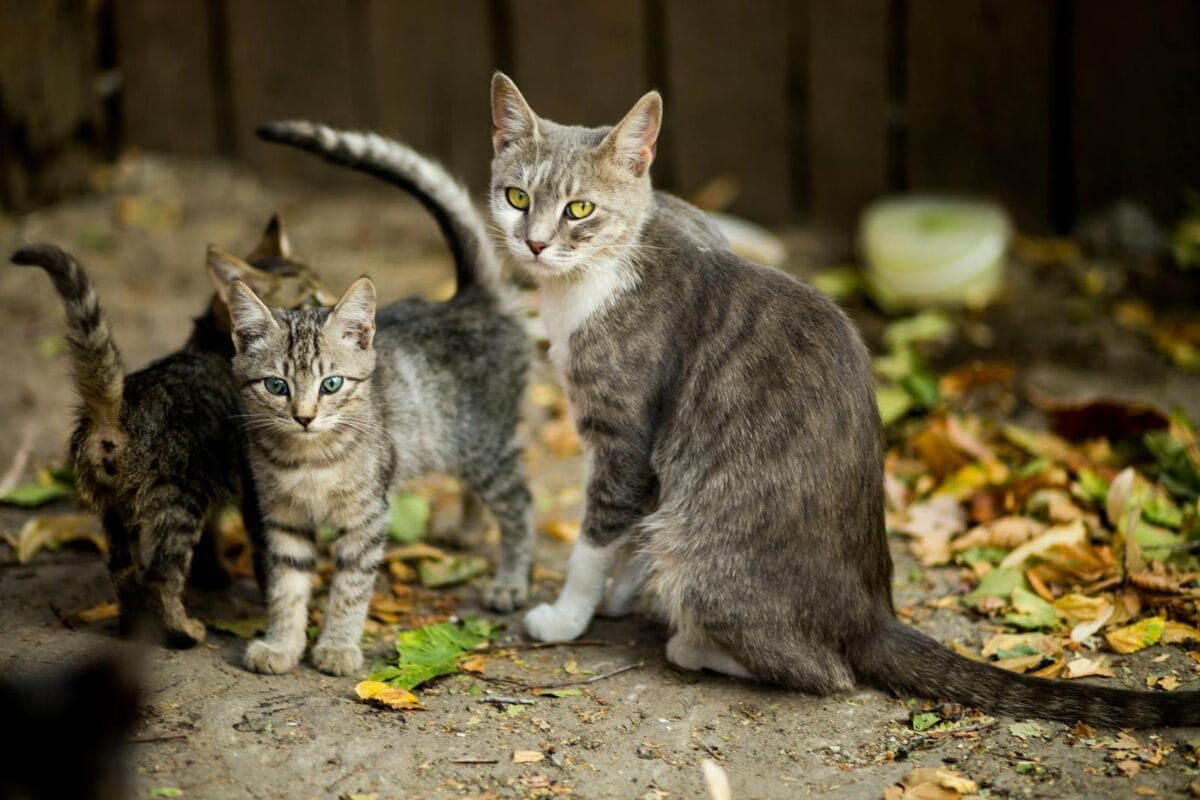
While pile napping is primarily associated with kittens, some adult cats continue this behavior throughout their lives. This is particularly common among cats who were raised together from kittenhood or who have formed especially close bonds. Feline behaviorists note that adult cats who sleep in piles or in close contact generally have stronger social relationships and often engage in other cooperative behaviors like mutual grooming and coordinated play.
In multi-cat households, pile sleeping among adults typically indicates a harmonious social structure. Interestingly, adult cats who normally prefer sleeping alone may revert to pile sleeping during stressful situations like moving to a new home or during illness, seeking the same comfort this behavior provided in kittenhood. This regression to earlier behaviors during stress highlights how deeply ingrained and comforting the pile napping instinct remains throughout a cat’s life.
Cross-Species Pile Napping
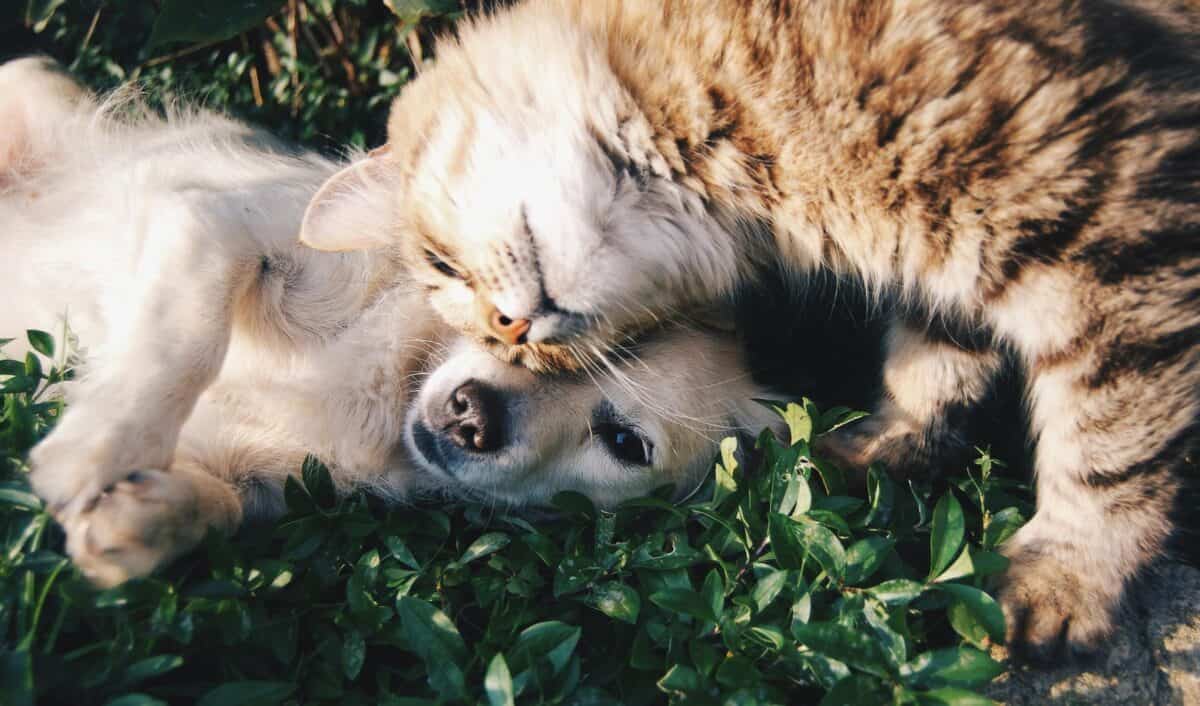
One of the most endearing expressions of pile napping occurs when kittens form sleeping piles with other species. This phenomenon is most commonly observed with puppies or other similarly-sized young animals in multi-species households. The drive for warmth and comfort is so strong that kittens will readily accept non-feline sleeping partners if they provide the same thermal and tactile benefits. This cross-species pile napping can lead to strong interspecies bonds that persist into adulthood.
Behavioral scientists have noted that animals raised in mixed-species sleeping groups often display greater species flexibility in their social interactions throughout life. For domestic pets, these early positive sleeping experiences with other species can facilitate better acceptance of diverse household members. This adaptability demonstrates how the fundamental need for pile napping can transcend species boundaries when the core benefits of warmth and security are fulfilled.
Pile Napping in Different Environments

The expression of pile napping behavior varies based on environmental conditions. In colder climates or seasons, kittens form tighter, more persistent piles and spend more time in close contact. During warmer periods, they may sleep with just partial body contact or arrange themselves in looser configurations that allow for better heat dissipation while maintaining some physical connection.
Feral kittens living outdoors typically demonstrate more consistent and compact pile formations than those raised in temperature-controlled indoor environments, reflecting their greater need for collective thermoregulation. Researchers studying feral cat colonies have observed that outdoor kittens develop more sophisticated pile arrangements that adapt to changing weather conditions, such as forming sun-basking piles during cool mornings that disperse as temperatures rise. These environmental adaptations highlight the flexibility of pile napping behavior in response to thermal challenges.
Conclusion: The Profound Importance of a Simple Behavior

The phenomenon of kittens napping in piles represents far more than just an adorable photo opportunity—it’s a sophisticated survival strategy with deep biological and psychological importance. From the critical thermal regulation benefits that keep vulnerable newborns alive to the profound social development opportunities that shape future behavior, pile napping serves multiple essential functions in healthy kitten development.
Understanding this behavior helps human caregivers better support both domestic and orphaned kittens through appropriate environmental provisioning and respect for their natural instincts. Whether observed in a managed breeding situation, a rescue environment, or simply in a family home with a new litter, the sight of kittens peacefully piled together represents one of nature’s most elegant solutions to the challenges of early feline development.

From exploring the marine wonders in the Azores and witnessing the vast savannas of Kenya, to delving deep into the rich biodiversity of South Africa and traversing iconic landscapes in Australia and the US like Yellowstone, Chris's experiences are vast.
With a penchant for diving alongside sharks, the ocean holds a special place in his heart.
Through his academic insights, he champions wildlife conservation, striving with 'Animals Around The Globe' to cultivate a profound connection between humans and animals, enhancing our mutual appreciation.
Connect with him at Feedback@animalsaroundtheglobe.com.