

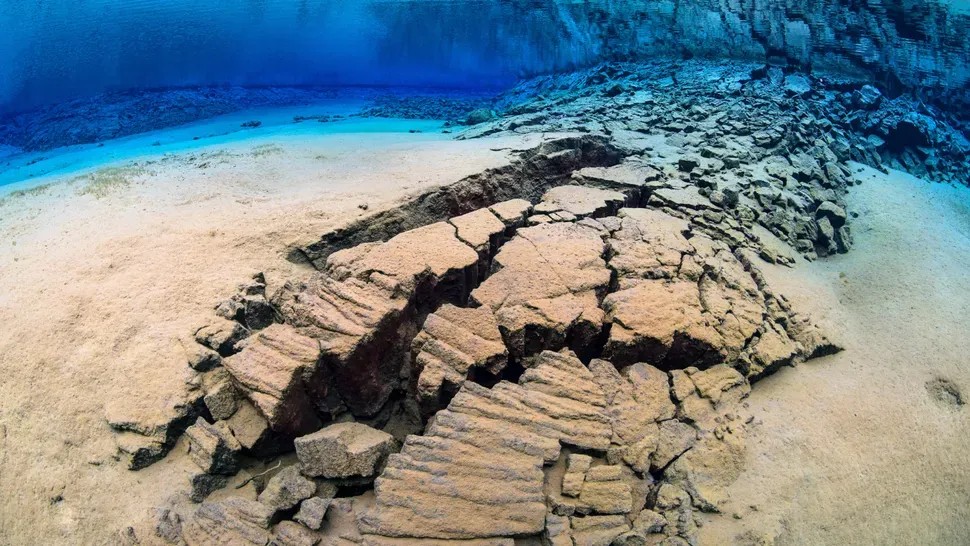
Scientists have uncovered something remarkable lurking far below the ground we walk on. Deep within Earth’s crust, microbial life exists in a strange state of suspended animation, potentially waiting for geological events that occur only once in millennia to spring into action. These organisms challenge everything we thought we knew about the limits of life.
The discovery raises profound questions about survival strategies in extreme environments. What could possibly make dormancy for millions of years a viable strategy? The answer might be stranger than anyone imagined.
Ancient Microbes in a State of Suspended Animation
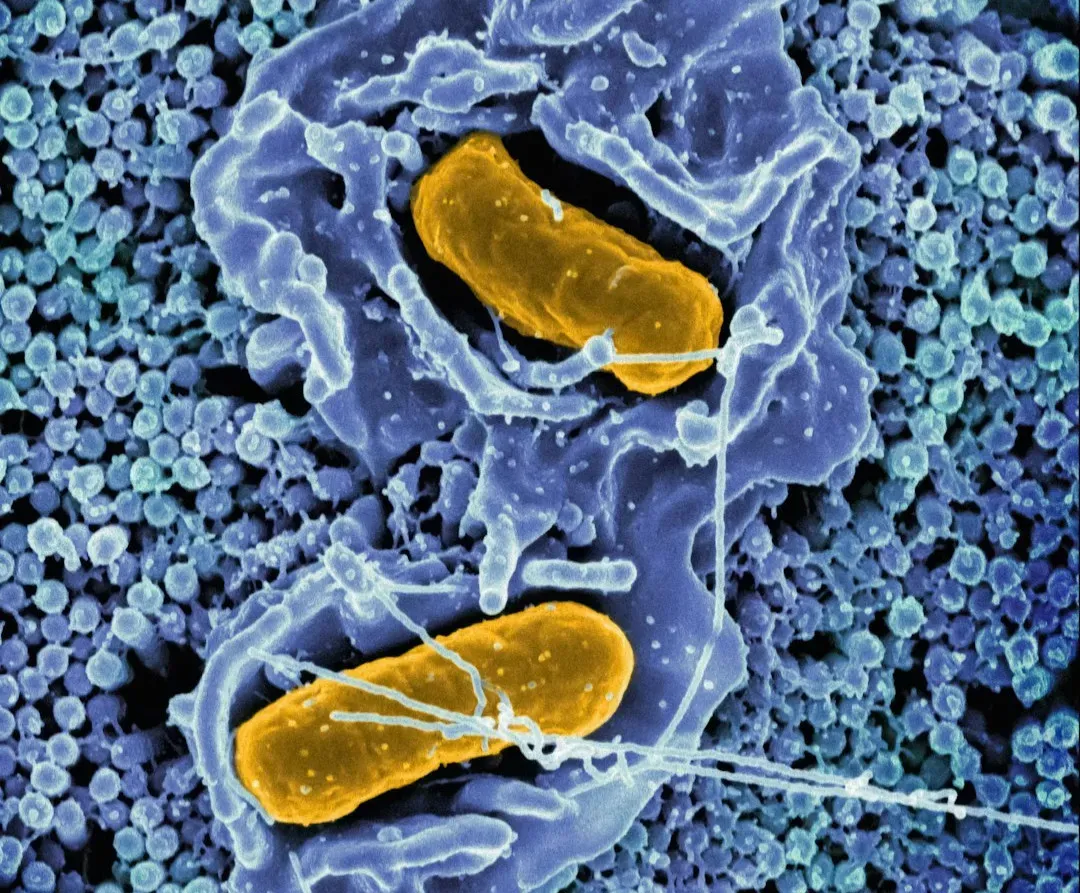
Researchers have found microbial communities thriving in rock formations that are millions of years old, existing in conditions that would kill most life forms instantly. These organisms live in near-total darkness, with minimal nutrients and crushing pressure. They’ve adapted to survive in cracks and pores within solid rock, sometimes miles below the surface.
What’s truly mind-bending is how slowly these microbes operate. Some scientists believe these organisms may metabolize at rates thousands of times slower than surface bacteria. They essentially exist in a state between life and death, barely active enough to maintain their cellular structures. It’s like watching evolution in extreme slow motion.
Waiting for Rare Geological Events
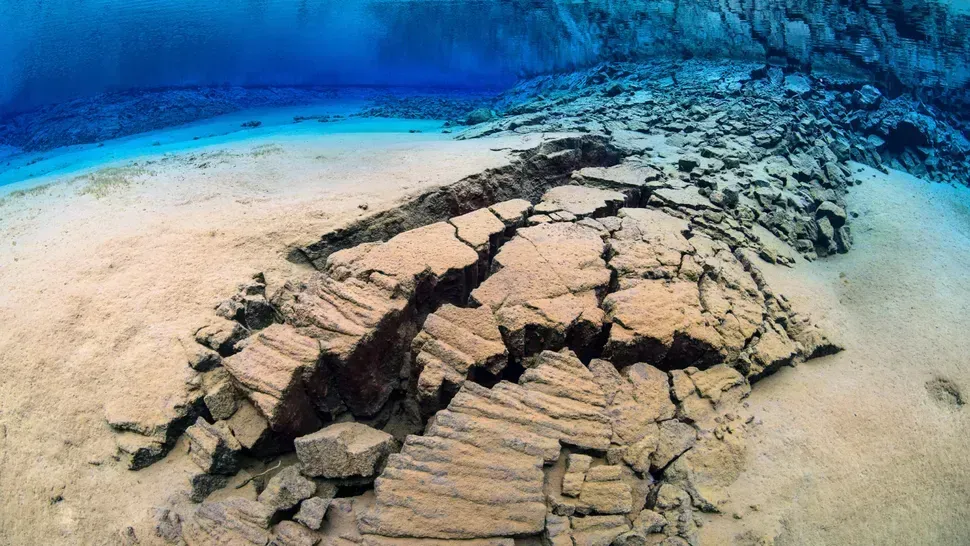
Here’s where it gets really interesting. Scientists propose these deep-Earth microbes might be lying dormant, waiting for specific geological events that could provide a sudden burst of resources. Think earthquakes that create new fractures in rock, allowing fresh water or nutrients to seep through. Or volcanic activity that releases heat and minerals into previously barren zones.
These events don’t happen on human timescales. Some geological processes occur once every few thousand years or even longer. The microbes have essentially evolved a patience we can barely comprehend, gambling their existence on rare opportunities that might not come for generations. It’s an incredibly risky survival strategy that somehow works.
How Deep Life Survives Without Sunlight
Unlike life on the surface, these underground organisms can’t rely on photosynthesis. Instead, they’ve developed bizarre metabolic pathways that extract energy from chemical reactions in rocks. Some feed on hydrogen released when water interacts with certain minerals. Others consume methane or break down iron compounds.
The energy available from these processes is minimal compared to what surface life enjoys. A microbe deep underground might take years or even decades to divide just once, while surface bacteria can double every twenty minutes. Yet this ultra-slow lifestyle allows them to persist in environments that would starve any conventional organism within days.
Millions of Years of Evolutionary Isolation
Some of these deep biosphere communities have been cut off from the surface world for staggering lengths of time. Geological evidence suggests certain microbial populations have been isolated for ten million years or more. They’ve evolved in complete separation from everything happening above them, developing unique genetic adaptations found nowhere else on Earth.
This isolation has turned deep rock formations into natural evolutionary laboratories. The microbes there have followed their own separate paths, potentially developing entirely novel biochemical processes. Scientists are only beginning to understand what makes these organisms tick, and each discovery seems to reveal something unexpected.
Implications for Life on Other Planets
If life can persist for millions of years deep within Earth’s rocks, what does that mean for places like Mars? The Red Planet’s surface is hostile to life, but its subsurface might tell a different story. Scientists now believe that if Mars ever hosted life, it could still exist kilometers underground, waiting patiently in frozen rock.
This fundamentally changes how we should search for extraterrestrial life. We’ve been focused on surface conditions, but the real action might be happening far below. Jupiter’s moon Europa and Saturn’s moon Enceladus both have subsurface oceans that could harbor similar deep-dwelling organisms. The possibilities suddenly seem endless.
Challenges of Studying the Deep Biosphere
Getting samples from miles underground isn’t exactly easy. Drilling deep into Earth’s crust is expensive, time-consuming, and technically challenging. Contamination is a constant concern since even a single surface microbe can ruin an entire sample. Scientists have to use elaborate sterilization protocols and special drilling techniques to ensure what they find actually came from the depths.
Then there’s the problem of bringing these organisms to the surface. Many deep-Earth microbes die almost immediately when exposed to oxygen or normal atmospheric pressure. Researchers have to create specialized containers that mimic underground conditions, essentially building tiny high-pressure chambers to keep their subjects alive long enough to study them.
Rethinking the Limits of Life
These discoveries force us to reconsider what we mean by “alive.” If an organism only becomes truly active once every few thousand years, is it living in any meaningful sense during the waiting periods? The answer matters for how we define life when searching for it elsewhere in the universe. Perhaps being alive doesn’t require constant activity or growth.
The deep biosphere also reveals that life is far more tenacious than we ever imagined. It clings to existence in places we thought were sterile, using energy sources we didn’t know could sustain metabolism. Every assumption about the minimum requirements for life keeps getting challenged. Maybe those microbes are waiting for something we haven’t even detected yet, some geological phenomenon that occurs on timescales beyond human observation.
It’s humbling to realize that beneath our feet exists an entire hidden world operating on its own mysterious schedule, indifferent to everything happening on the surface. What would you find most fascinating about studying these ancient underground organisms?

- Urban Coyotes Show Remarkable Adaptability, Learning to Thrive in City Environments - July 22, 2026
- Beavers Are Nature’s Engineers, Creating Vital Habitats for Other Wildlife Species - July 21, 2026
- The Recovery of the California Condor Offers Hope for Other Critically Endangered Birds - July 21, 2026